
Ankita Garkoti
Ankita Garkoti is a writer and editor who has spent the better part of a decade working on getting good stories in front of the people they are meant for. At Starlust, she writes about astronomy, spaceflight, and space exploration. She came to science writing because she believes space is one of the most important and under-covered beats in journalism, filled with stories that matter but are often told in ways that make them feel inaccessible. Her focus is on changing that. She writes for readers curious about space and brings clarity to complex ideas without losing their depth.
Latest From Ankita Garkoti
Buck Moon 2026: Why July's Full Moon will look unusually large and golden on July 29
Here's what will happen when the Buck Moon rises on July 29, 2026.
This weird object could be the first moon detected outside our solar system—but it's not that simple
It circles a 'failed star' like a moon would. But scientists aren't quite sure what to call it.
'None of us will be able to avoid the war zone': Retiring U.S. Space Force Chief issues stark warning
"Whether we want to be in the combat zone or not, orbital mechanics will put all of our space capabilities into the space war zone."
Astronomers just mapped a galaxy cluster's magnetic field for the first time—here’s what they found
To map the entire cluster for this novel survey, the team spent 224 hours collecting radio images.

'Catastrophic': Million-satellite 'ring' around Earth could be crippling for observational astronomy
Plans also include putting 50,000 orbital mirrors in space, which could make the sky 300% brighter.

Skyroot's Vikram-1 launch: Key highlights and what's next for India's space missions
Skyroot's Vikram-1 became India's first privately built rocket to reach orbit, marking a new era.
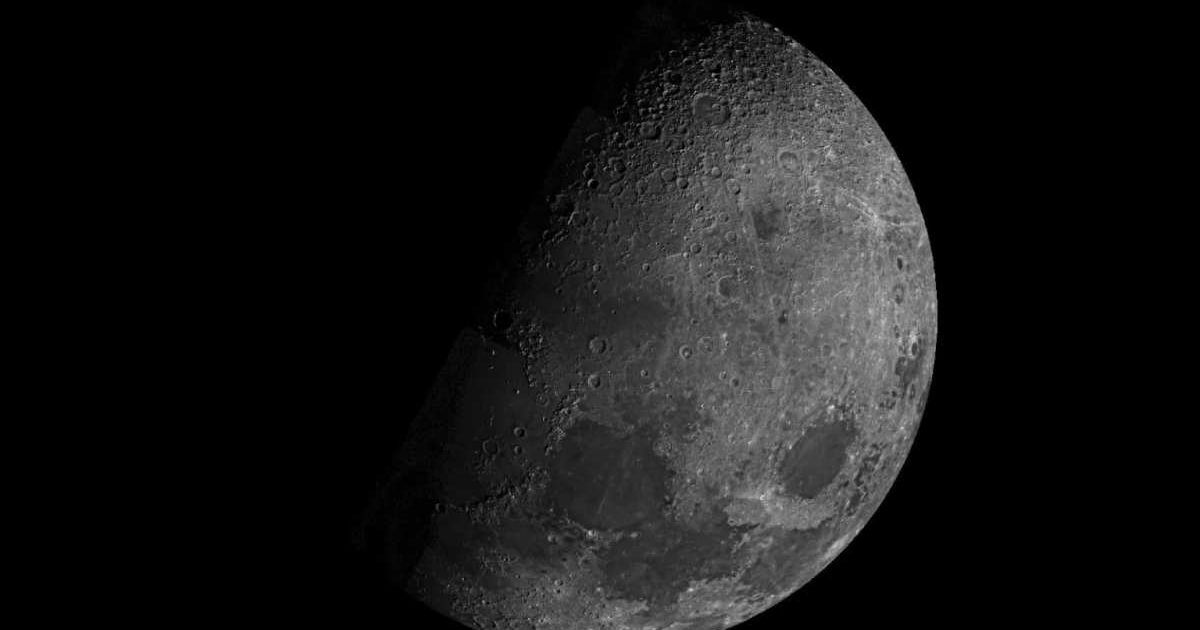
What is International Moon Day? The history behind it and why it still matters
From Apollo 11 to Artemis II, here's why the world still celebrates the Moon every July.
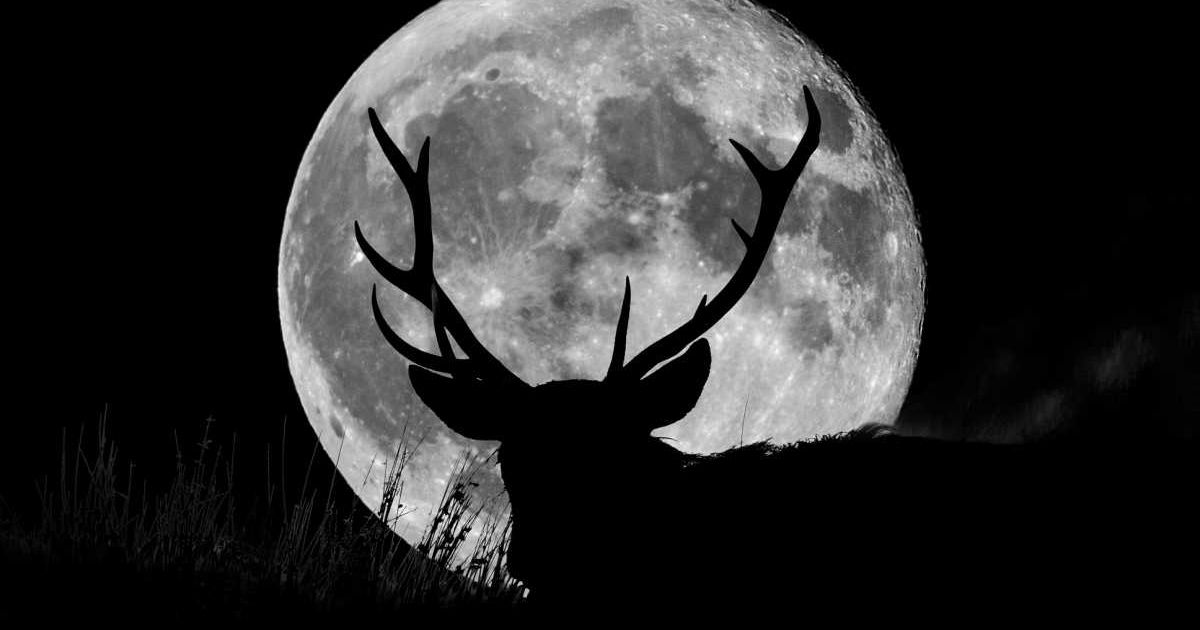
Buck Moon myths and facts: What actually happens during July's Full Moon
No mystical powers here—the Moon is just on its ordinary celestial schedule.
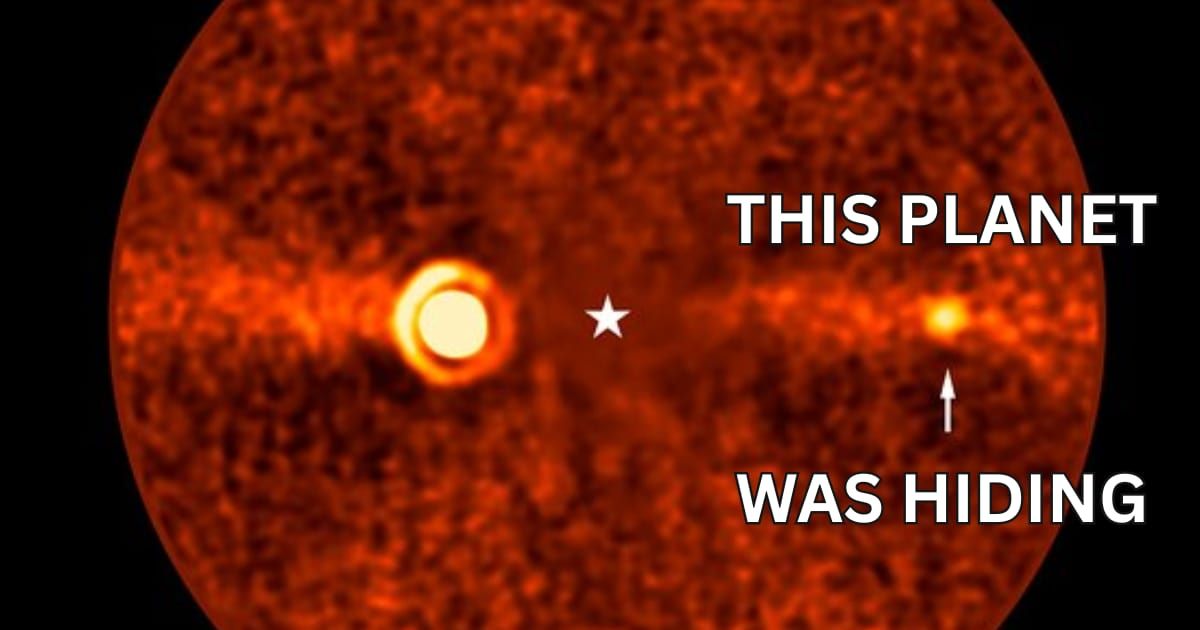
'Found you!': Astronomers find the faintest planet ever photographed after 11 years of hide and seek
Beta Pictoris is now the second known system where more than two planets have been directly imaged.
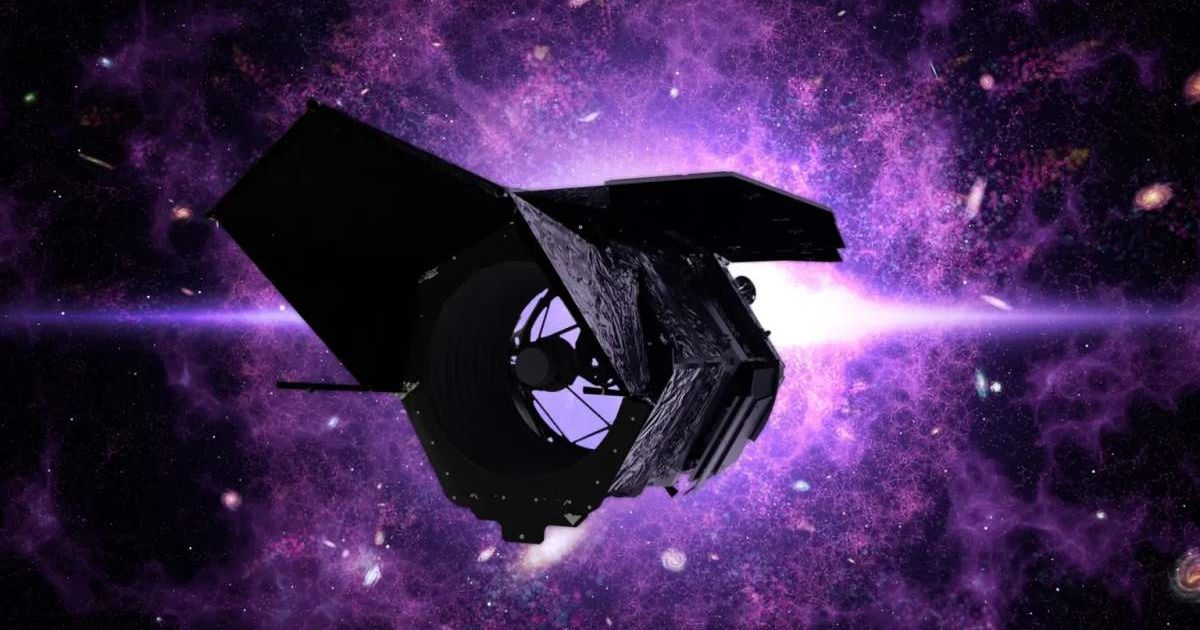
NASA’s Roman Space Telescope may finally reveal how the universe's first black holes formed
Could this telescope help solve the mystery of black holes' origins? Here's what scientists say.
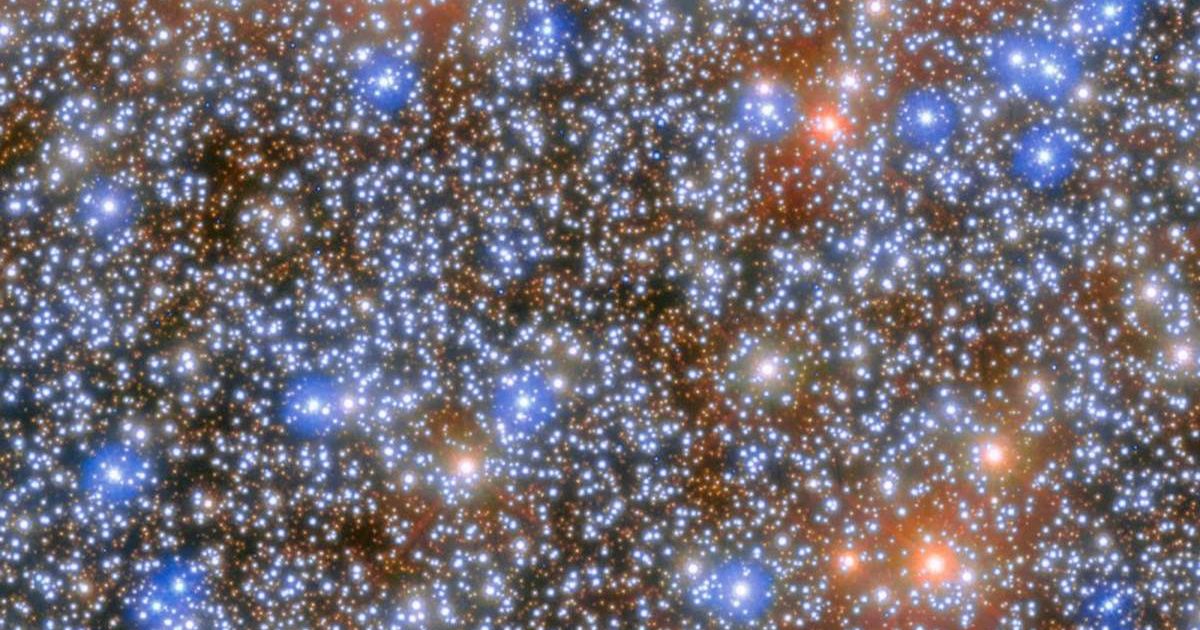
NASA's Hubble and Webb spot the first of a star cluster's 10,000 missing black holes
The black hole, dubbed oMEGACat BH-2, has a visible star companion that orbits it every 94 years, making the duo the longest-period black hole binary ever detected.
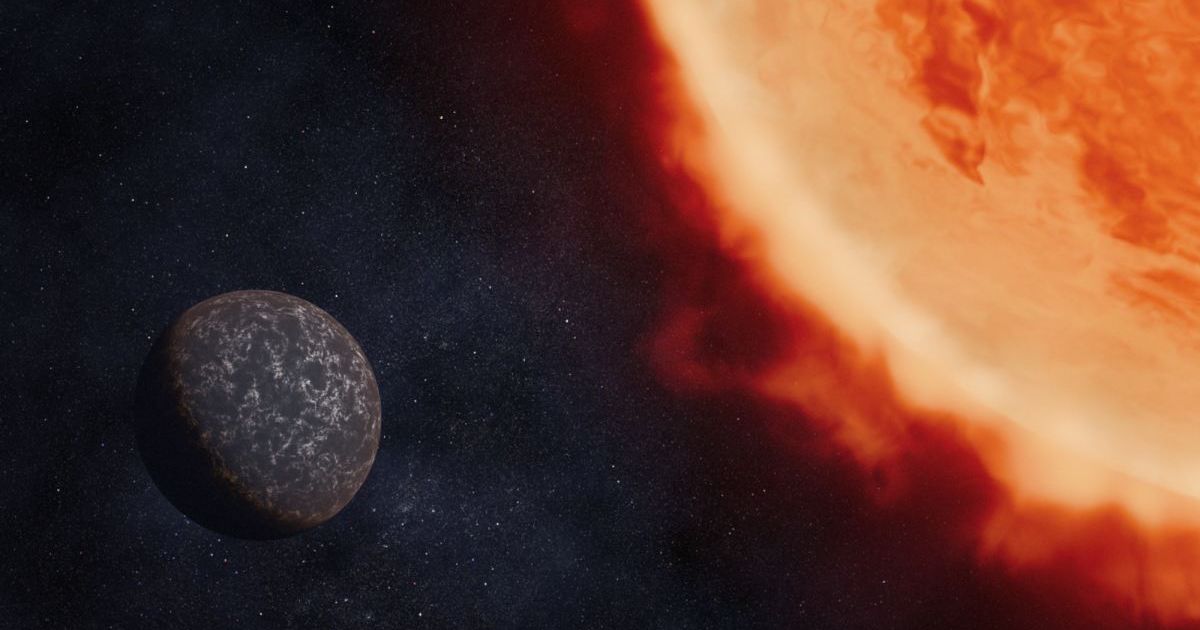
Could a world trapped in endless day and night still host life? Here's what scientists found
These exoplanets seem too harsh to harbor life, but life might still find a way.
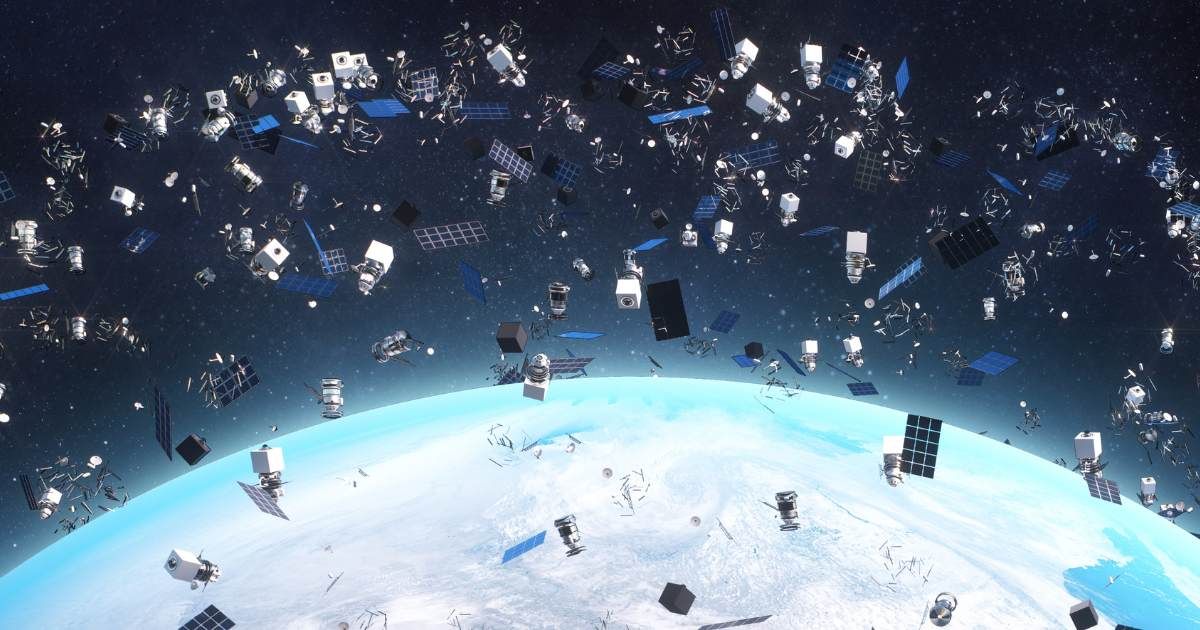
NASA and Japan Aerospace Exploration Agency to launch MACS mission to hunt high-risk invisible space junk
The mission will bridge a critical data gap on millimeter-sized orbital debris, which poses the greatest mission-ending penetration risk to low-Earth orbit spacecraft.
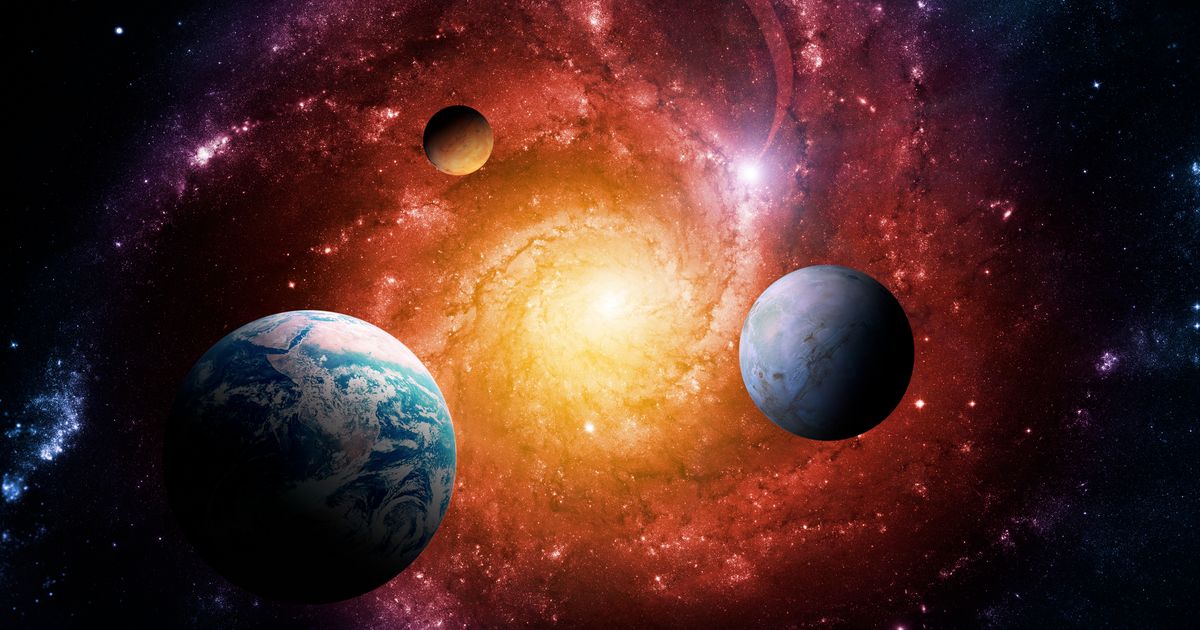
Will Earth survive the Sun’s death? Here’s what a new study found
It all comes down to a tug-of-war that Earth might just win.
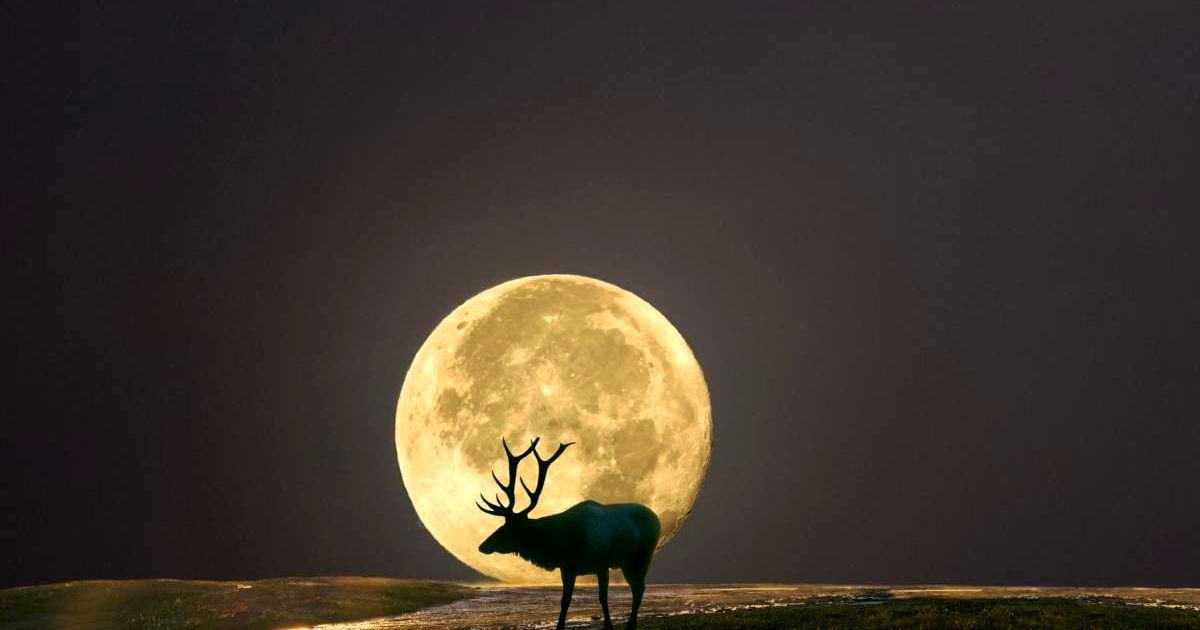
When to see the Buck Moon 2026? Check peak time, moonrise and best viewing times by city
Best viewing times shift by time zone. Here's exactly when to look up in your city.

'We still don't have a lander': NASA's former chief expresses concerns about Artemis architecture
"The genius of Apollo was its simplicity."
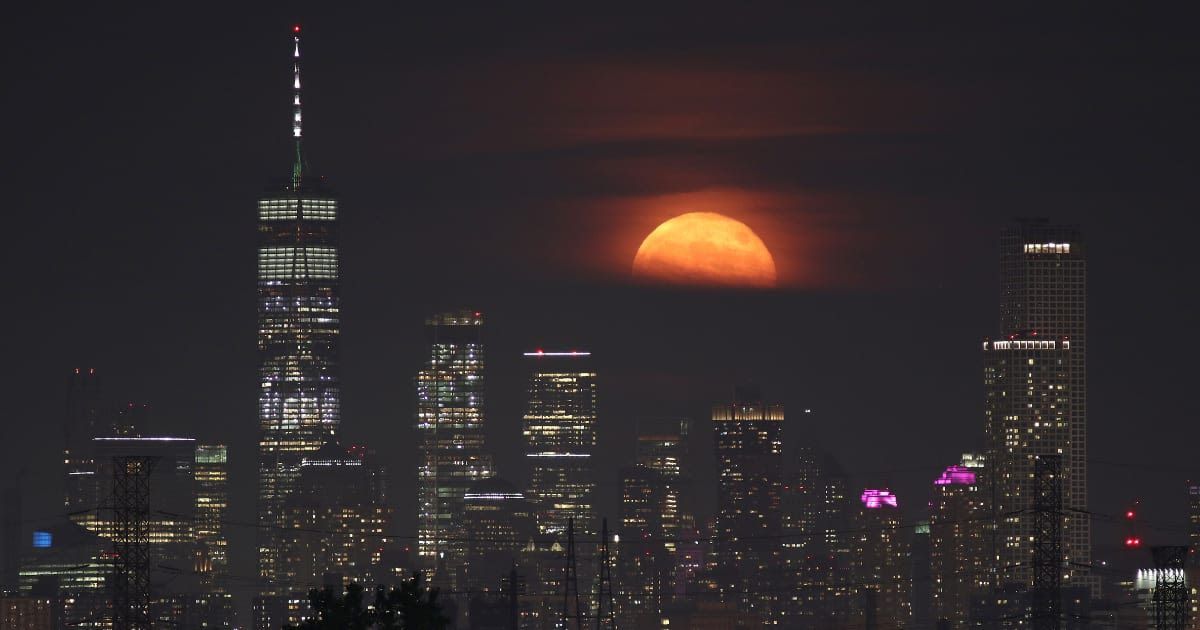
Why is July's full moon called the Buck Moon? Here's the meaning behind the name
Beyond its many names, July's full moon also holds spiritual significance for people around the world.
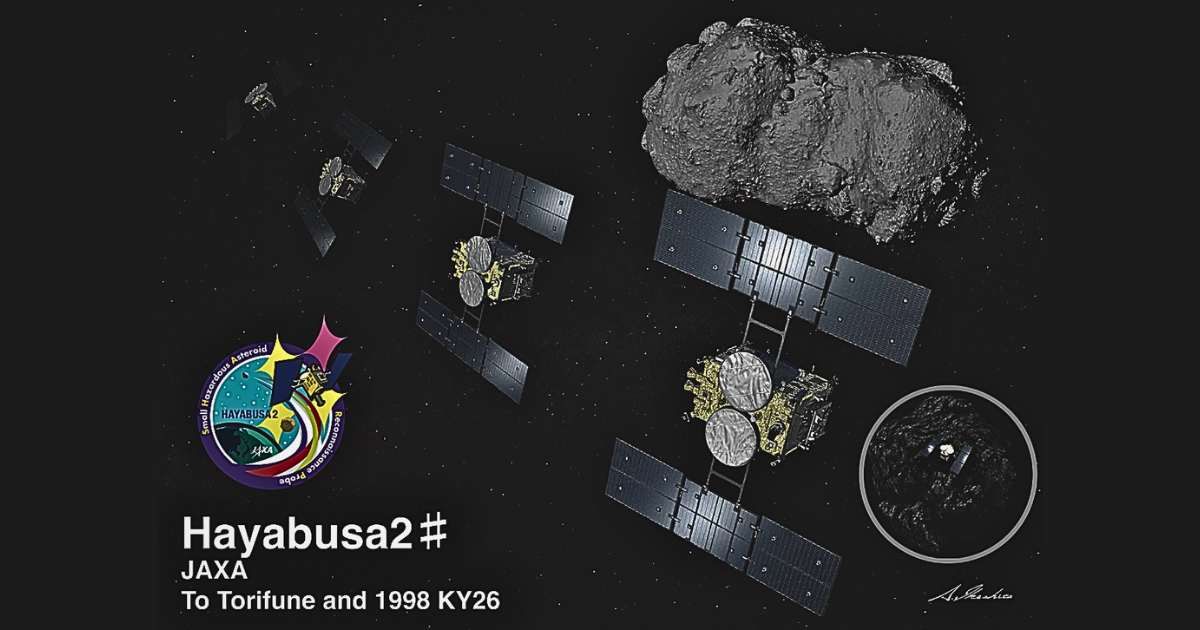
Japan’s Hayabusa2 completes high-speed flyby of asteroid Torifune, releases new images
The flyby, although successful, was not a part of the original plan for Hayabusa2.
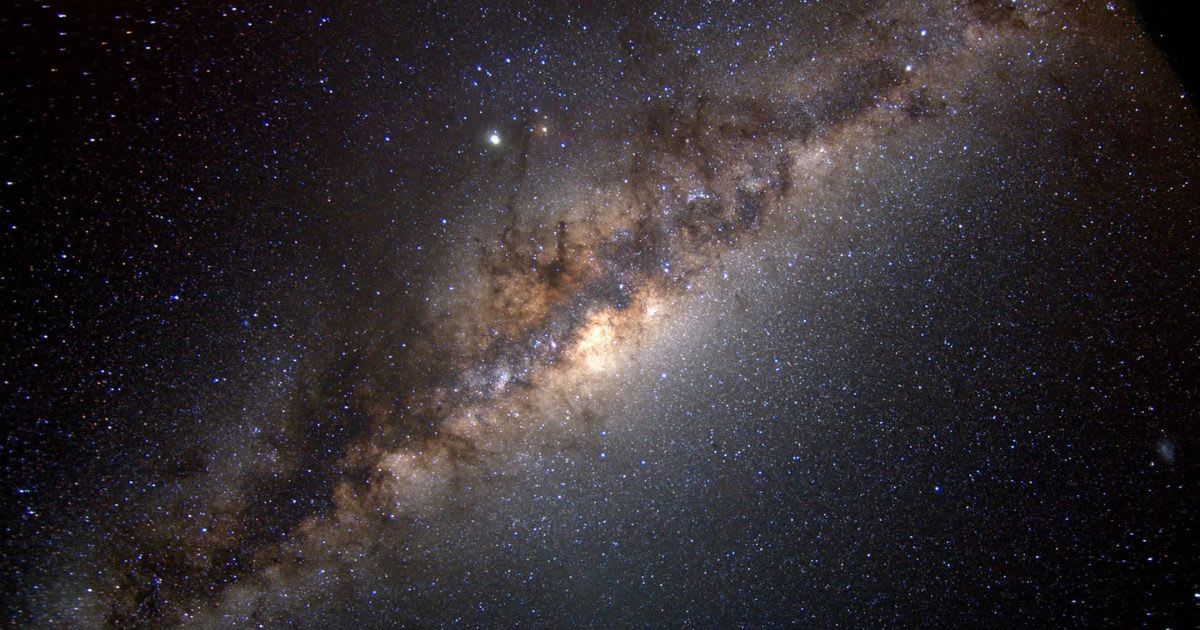
NASA's Chandra finds two of the Milky Way's arms are 10% farther than we thought
This small correction could make us rethink how massive our galaxy actually is.
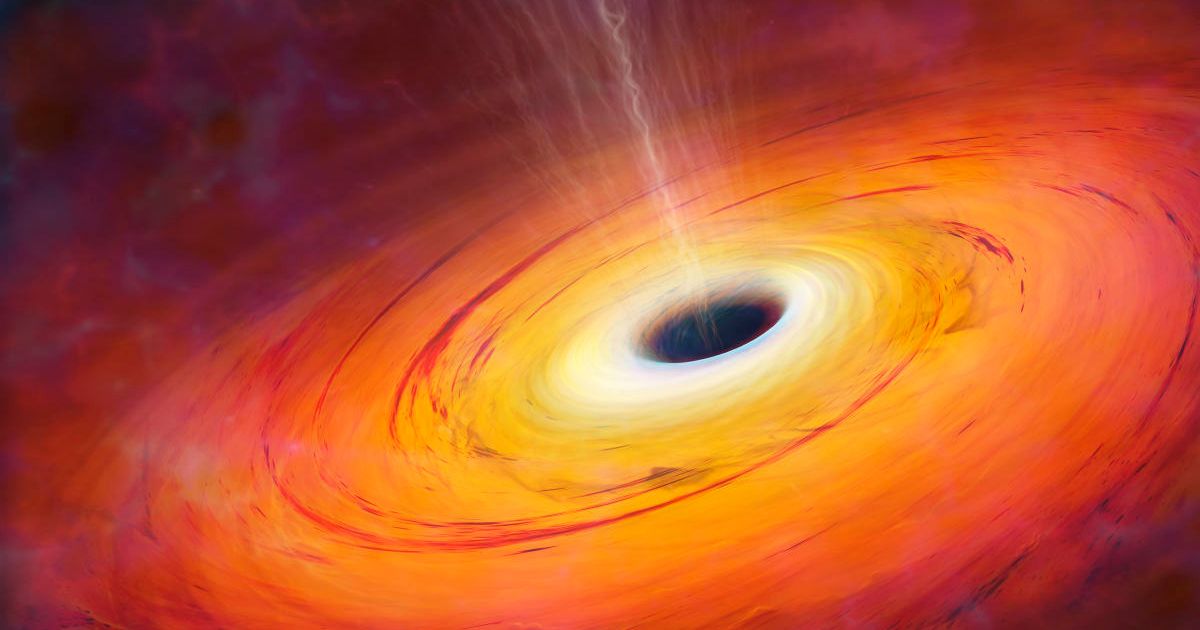
Rare, long-lasting black hole outburst is giving scientists a better look at the early universe
"We are dealing with the prototype of a new class of galaxies that undergo rapid changes in radio emission."