SpaceX may launch Starship Flight 14 no earlier than August 28; here's all you need to know
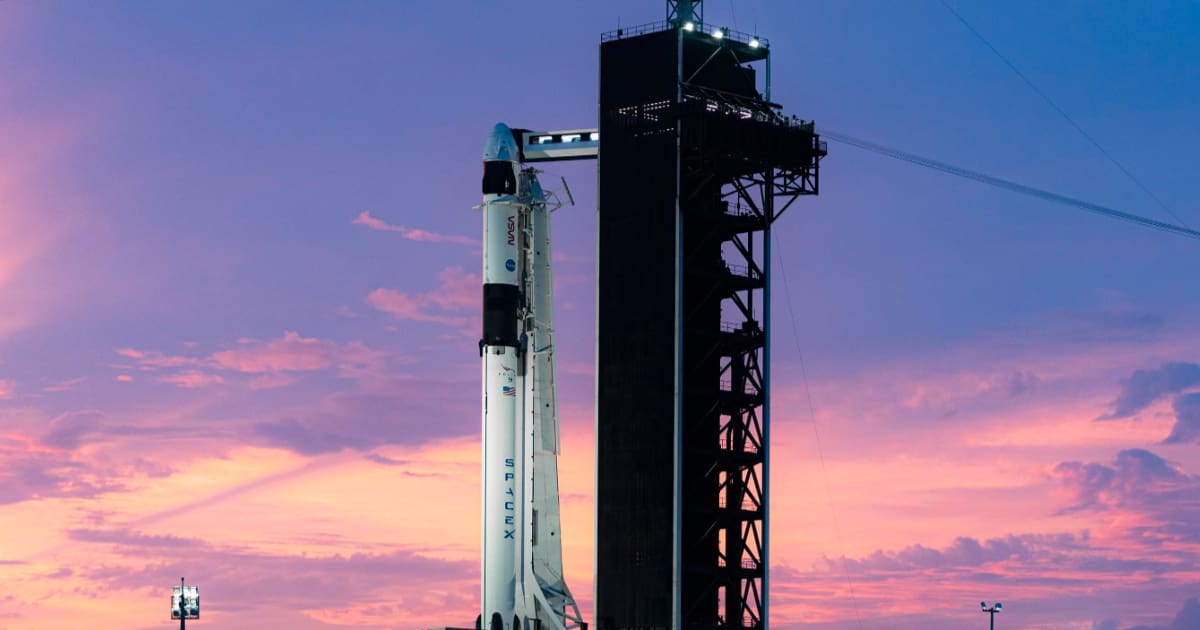
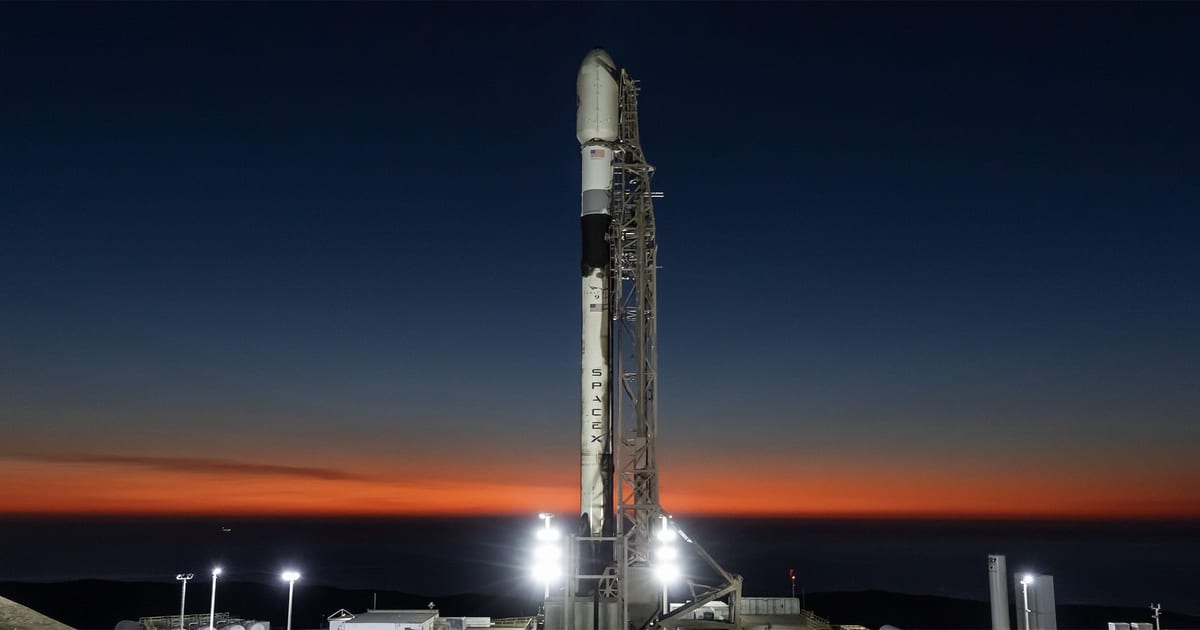
We may finally have a launch date for one of the most anticipated SpaceX flights of the year. In a recent filing submitted to the Federal Communications Commission to request launch permission, SpaceX has mentioned the start date for Starship's 14th test flight as August 28, 2026. It’s highly expected that the launch will take place no earlier than that, though SpaceX has not made any official comment on this yet. The filing also includes details of the operating window that is expected to run all the way through February 2027.
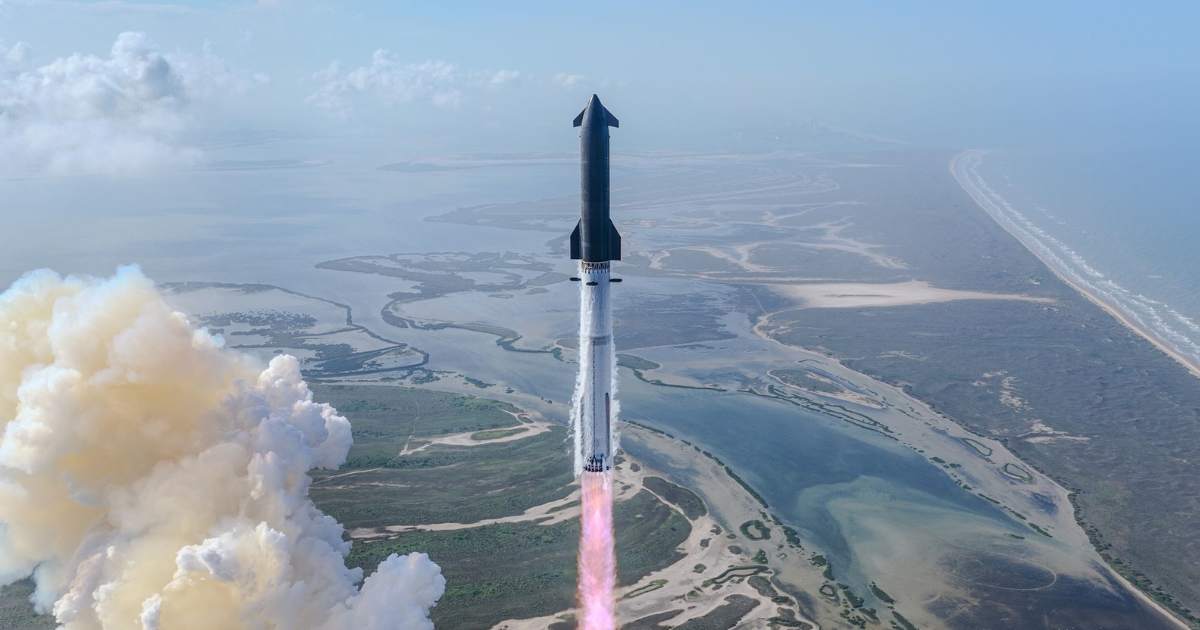
The purpose of the operation is to "launch vehicle communications for Test Flight 14 mission launching from Starbase, TX. The 1st stage booster will return to the launch site," and the request is submitted for "additional frequencies in the 2200-2290 MHz band for the Starship Flight 14 sub-orbital booster,” as per the document submitted to the commission.
The Starship tower catch may have to wait a few more months
So far, SpaceX has ended the trip for its upper-stage Starships with a splashdown in the ocean. That pattern will likely continue for one more flight. Elon Musk has said SpaceX will likely catch the ship with the tower in a few months. “If there had been a tower out to sea where we practiced landing the ship, it would have been caught. First reflight of the ship will be either end of this year or early next. That will be a fork in the road of history for consciousness reaching the stars,” he shared on X on August 20, 2026.
Looks like we will probably catch the ship with the tower in a few months. If there had been a tower out to sea where we practiced landing the ship, it would have been caught.
— Elon Musk (@elonmusk) August 20, 2026
First reflight of the ship will be either end of this year or early next. That will be a fork in the… https://t.co/O5g9pqrzyo
Flight 14 will fly Starship on a full orbital mission for the first time. But before the flight can take off, SpaceX’s two vehicles need to be prepared. As of now, Ship 41 has completed two cryogenic proof tests. It also had its Raptor engines installed. The second vehicle, Booster 21, has also completed its proof testing between July 18 and 20, 2026. Now, it is parked in Mega Bay 1 at Starbase. On August 20, SpaceX also conducted a single-engine static fire test of its Flight 14 Starship.
Preparing for another Starship flight https://t.co/MsML86joOw
— Elon Musk (@elonmusk) August 20, 2026
What would a successful flight mean for SpaceX?
A successful Flight 14 would mean that Starship will be able to carry the next generation of Starlink satellites, called Starlink V3. Currently, these are too large to launch on any other SpaceX rocket. Commenting on this, SpaceX president Gwynne Shotwell said, “The significant amount of capacity we're able to add to the Starlink constellation from the V3 satellites will enable us to continue providing even better service—I think it's pretty great already—but to do so while serving more and more customers all over the world “
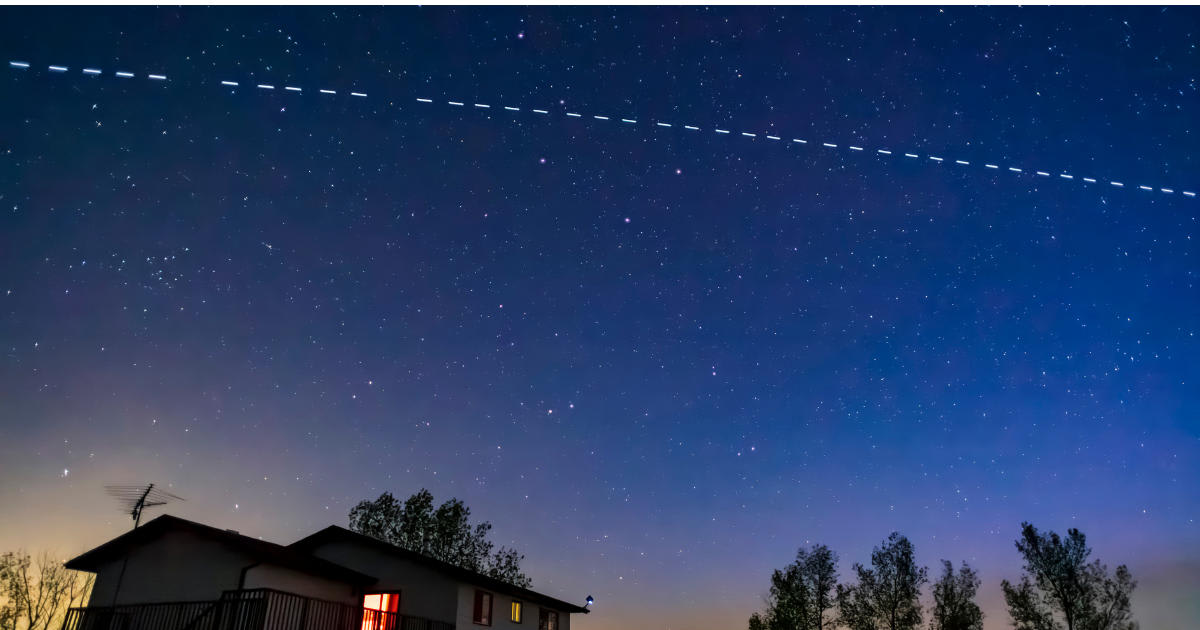
Shotwell further added, "In fact, in the years ahead, we expect Starlink will represent a significant portion of global internet traffic, which Elon also talked about." Elon Musk tied the success to the future lunar missions, by saying, "We are going to land a lot of tonnage on the Moon. We're going to build the factories on the Moon. The robots will be helpful with that. It's like, well, how much intelligence would you like as we grow towards being a Kardashev 2 scale civilization.”
More on Starlust
SpaceX rocket debris just crashed into the moon at 8,700 km/h—here's all you need to know
SpaceX completes 100th orbital mission of 2026; achieves milestone for third year in a row