Partial lunar eclipse August 27-28, 2026: Time, visibility, and how to watch from the US
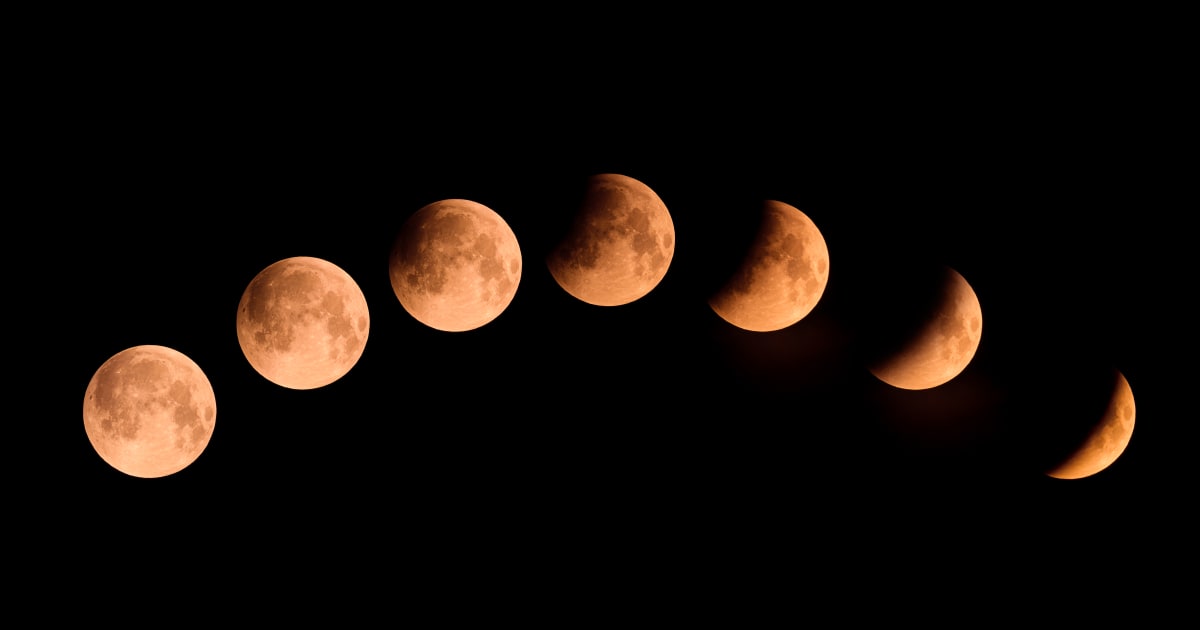
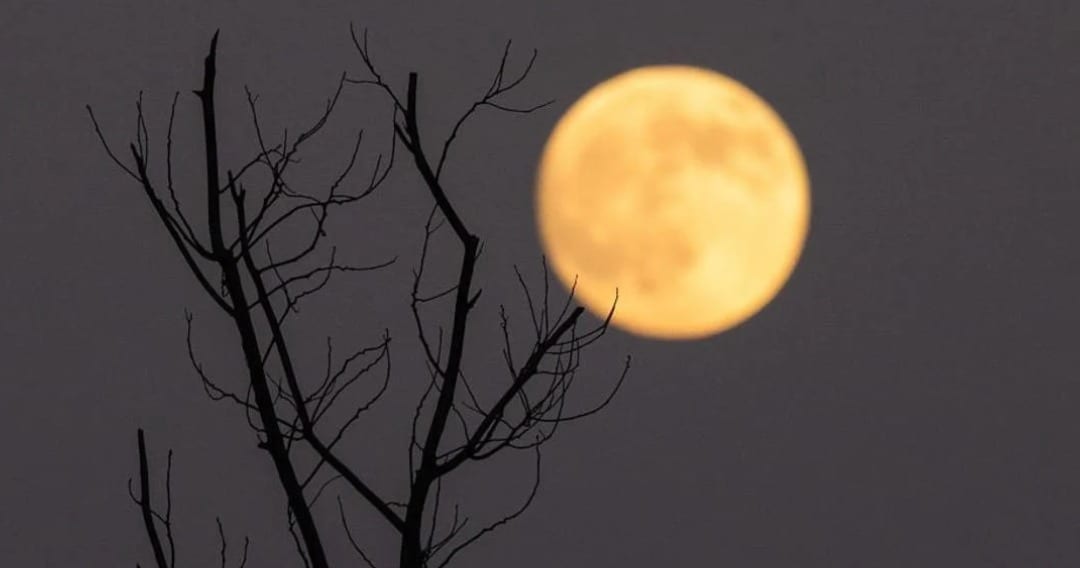
After the total solar eclipse of August 12, this month also brings a partial lunar eclipse for billions of people across the world to see. This skywatching event will be visible in the night sky on August 27–August 28, 2026. During this, the Earth’s shadow will cover about 96% of the moon's face, and because of this, viewers will be able to see the disk glow a reddish-orange.
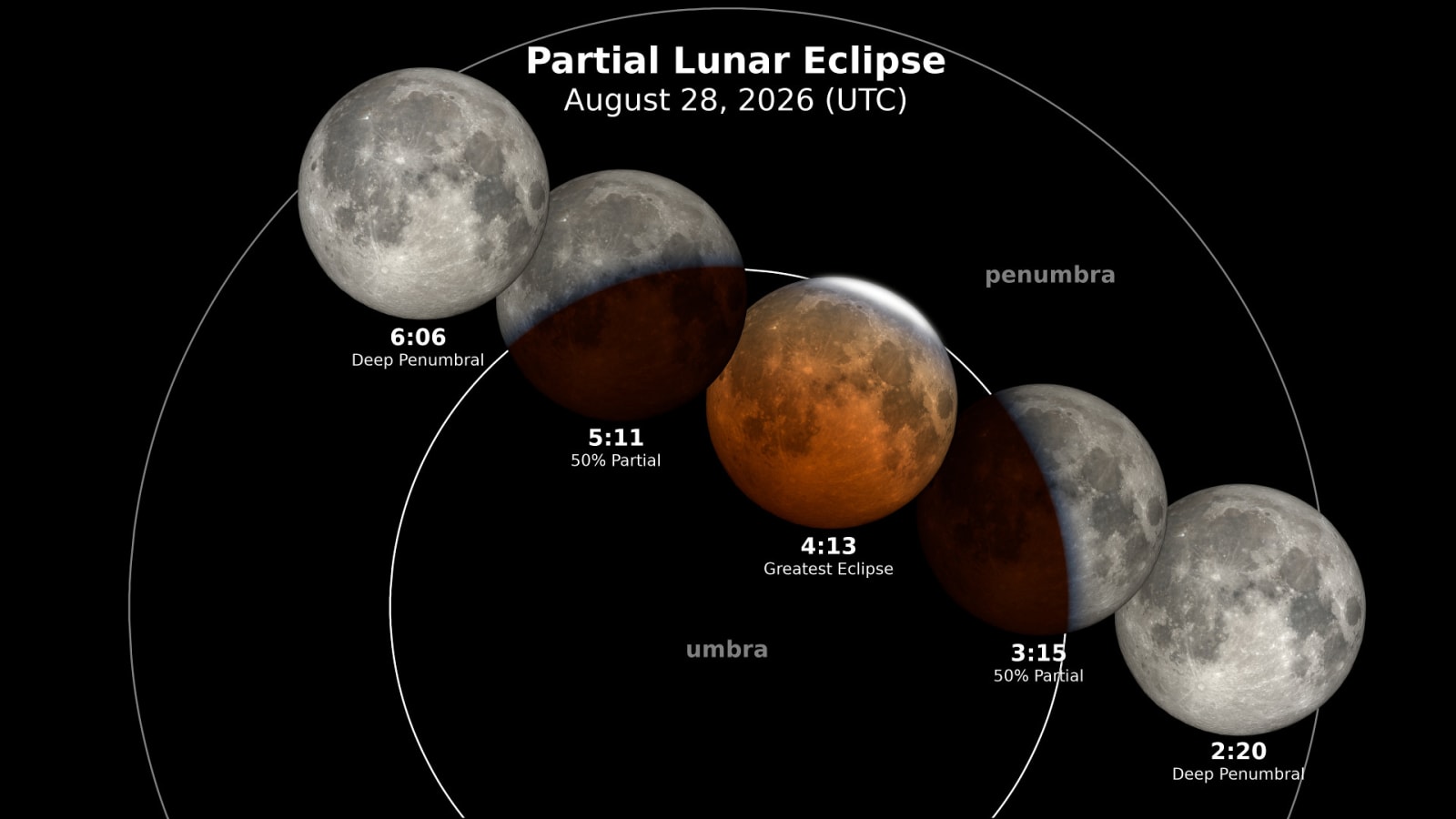
This event happens when the Earth passes directly between the sun and the moon during the moon’s full phase. Informing about this event, NASA shared on its website, “On August 28, 2026 (the evening of the 27th in some time zones), the Moon passes into the shadow of Earth, creating a deep partial eclipse. At the moment of greatest eclipse, 4:13 a.m. Universal Time, 96.3% percent of the Moon's disk is within Earth's umbra, the central part of the shadow where the Sun is completely blocked by Earth.”
When and how to watch the partial lunar eclipse in August 2026?
The darkest part of Earth's shadow, which is called the umbra, will start touching the moon at 10:33 p.m. EDT on August 27, 2026. The eclipse will reach its deepest point, called maximum eclipse, at 12:12 a.m. EDT on August 28, 2026. The phases will happen at the same moment on the night side of Earth, but the local time will depend on your location.
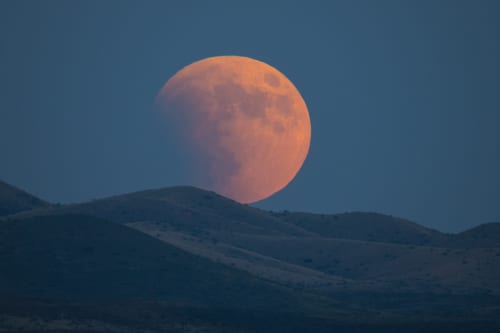
Skywatchers across the West Coast, in cities like Los Angeles and Portland, will see the maximum eclipse just after midnight local time. Those living on the East Coast, in cities such as New York and Jacksonville, will be able to catch the peak around midnight too. To watch this event, you don’t need to have a telescope or eye-protective glasses, as it’s completely safe to view with the naked eye. Just keep an eye on the sky and keep track of the event time so you can watch it from your location.
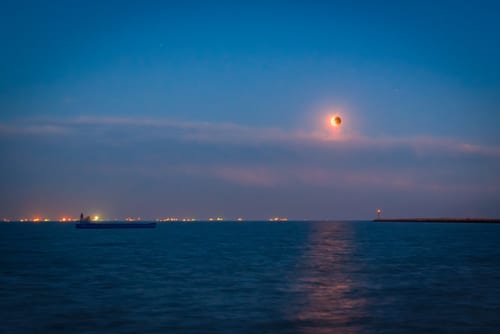
Where to watch the partial lunar eclipse of August 2026?
The partial eclipse will be visible to around 3.3 billion people across North America, South America, and parts of Europe and Africa. In the UK and much of Europe, the event will happen in the early morning, and the moon will sit low near the horizon shortly before sunrise. Unfortunately, viewers from Australia, India, China, and Japan will not be able to witness the eclipse, as the moon will sit below the horizon in those regions during the eclipse window.
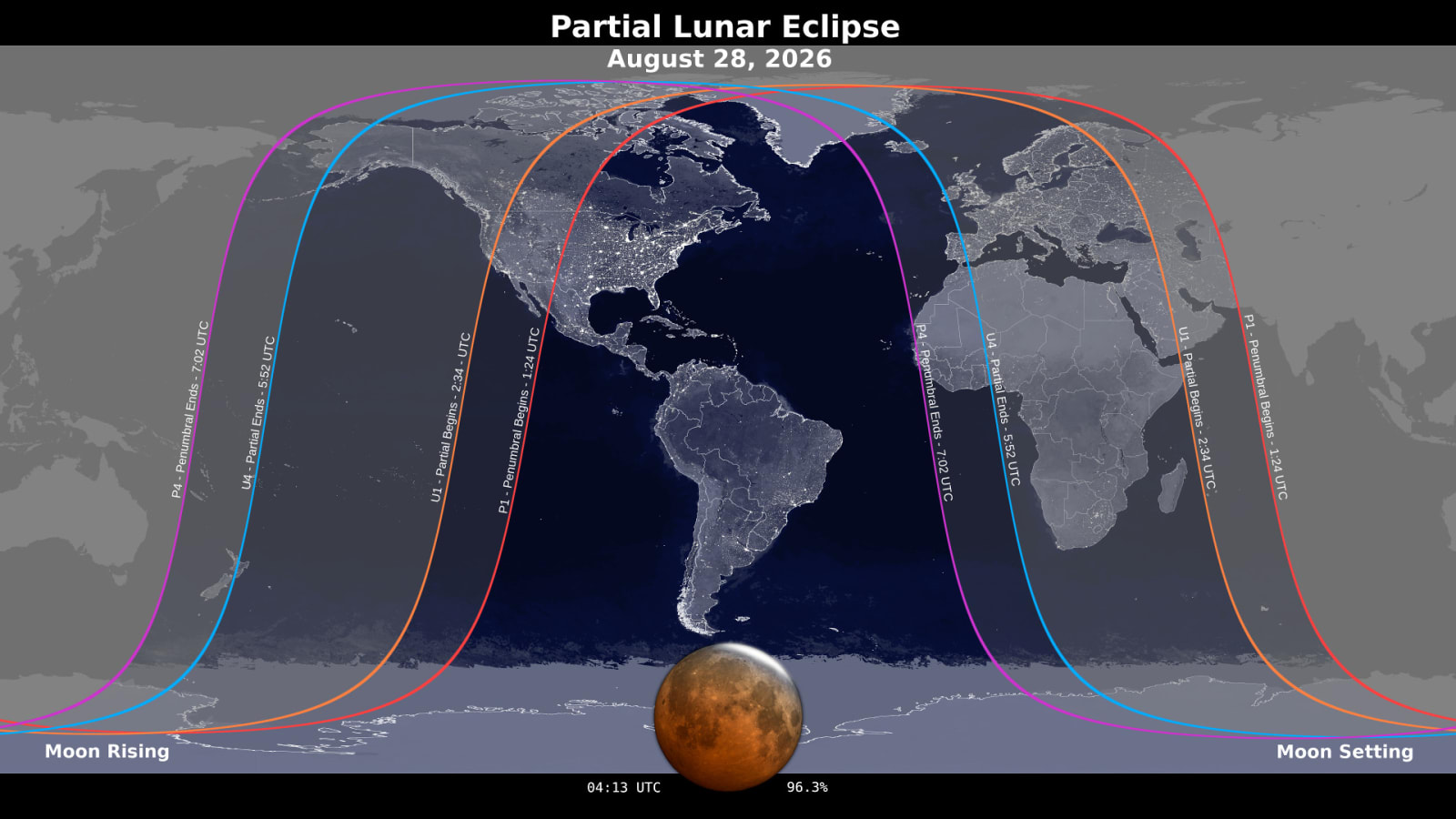
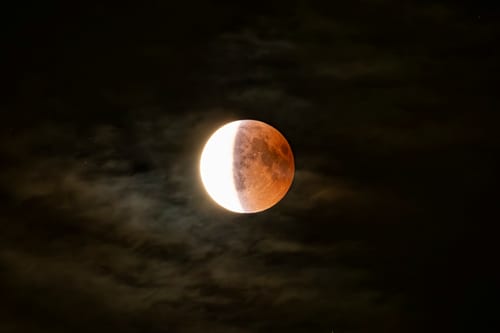
During this eclipse, the shadowed part of the moon will turn a reddish tint. This red color comes from sunlight as it bends through Earth's atmosphere and lands on the shadowed part of the moon. It’s the same effect that gives total eclipses their "Blood Moon" nickname. According to NASA, this upcoming eclipse is a member of Saros 138, and the previous eclipse in this series occurred on August 16, 2026. Next, the partial lunar eclipse in the same series will take place on September 7, 2044.
More on Starlust
August 2026 skywatching: lesser-known meteor showers worth catching this month