SpaceX hits 100th Falcon launch of the year with a 27-satellite Starlink mission (watch video)
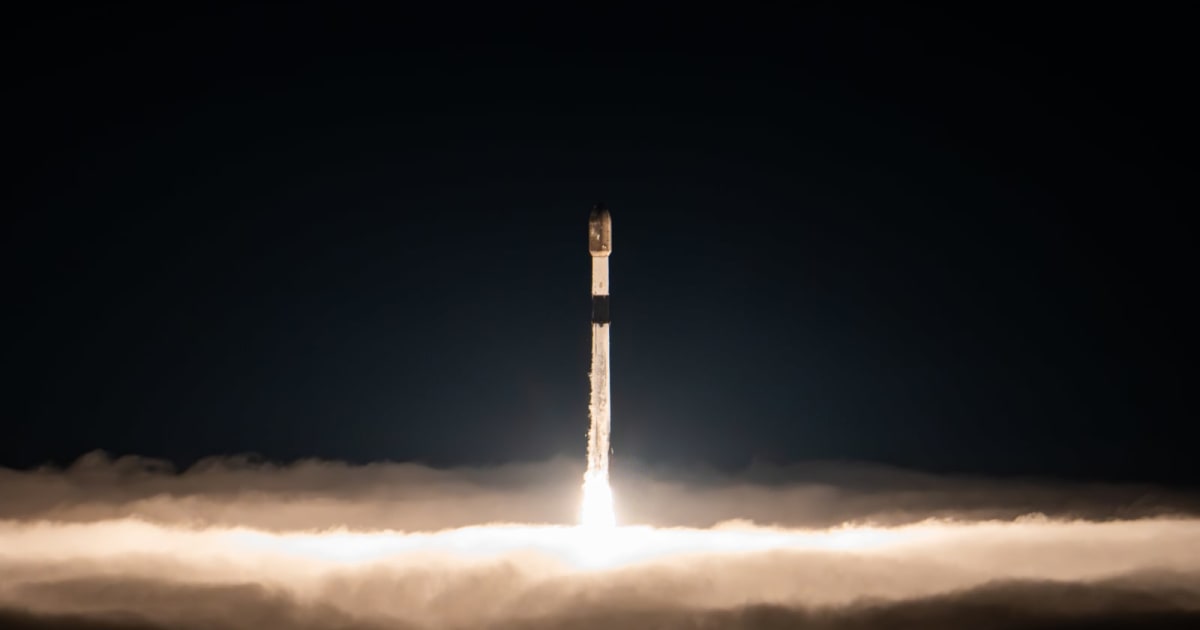
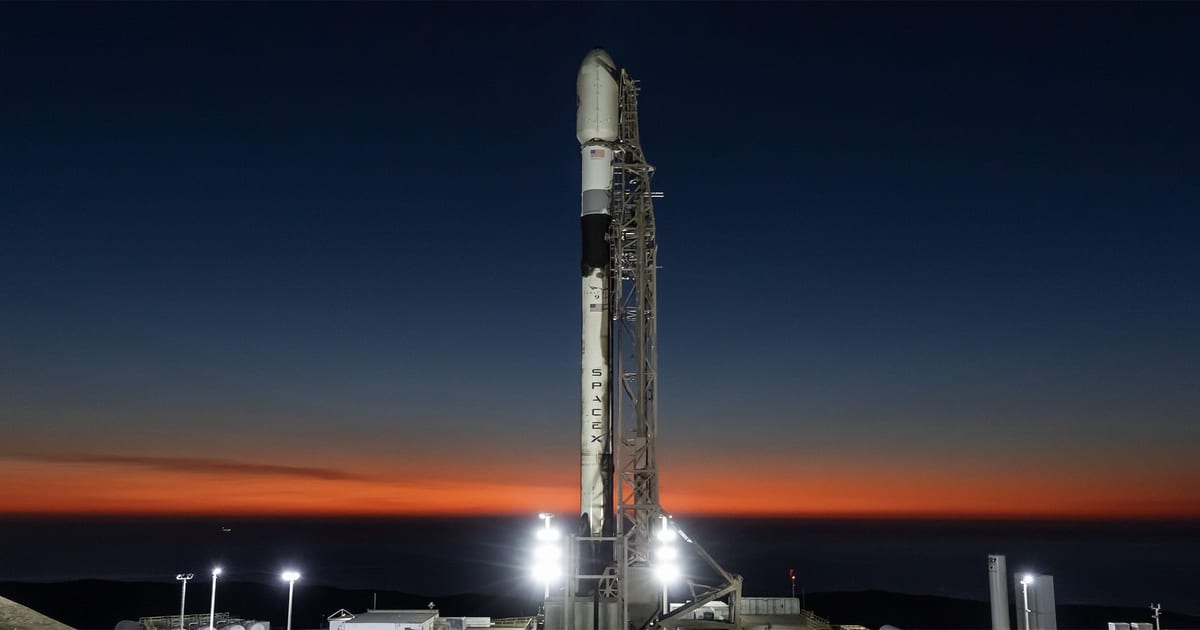
In another milestone, SpaceX has completed its 100th Falcon rocket mission of 2026. The milestone was reached after the latest Falcon 9 rocket lifted off at 3:25 a.m. EDT from Vandenberg Space Force Base in California with 27 Starlink satellites. This marked the 99th Falcon 9 mission of the year. The satellites now circle the planet a few hundred miles above the surface. Including a single Falcon Heavy mission from April, which carried the Viasat-3 F3 communications satellite, the total number of Falcon rockets SpaceX has launched this year comes down to 100.
Falcon 9 lifts off from California and delivers 27 @Starlink satellites to orbit, completing our 100th Falcon launch of the year pic.twitter.com/cL8QFGCBHV
— SpaceX (@SpaceX) August 22, 2026
Commenting on the achievement, SpaceX posted on X, "Falcon 9 lifts off from California and delivers 27 @Starlink satellites to orbit, completing our 100th Falcon launch of the year." About 8.5 minutes after liftoff, the Falcon 9's first-stage booster separated and successfully landed upright on a floating platform in the Pacific Ocean called "Of Course I Still Love You." The booster used, which is known by the designation B1100, was flying for the ninth time. These are built to be reusable, so that SpaceX could just refurbish and relaunch the same hardware over and over again.
Watch Falcon 9 launch 27 @Starlink satellites to orbit from California https://t.co/blE7PCyjBE
— SpaceX (@SpaceX) August 22, 2026
In a conversation, Elon Musk said, "With respect to space, I think there’s really just one problem, which is a fully and rapidly reusable orbital rocket. This is the holy grail. SpaceX has made some progress in reusing the booster.” He added that “it’s absolutely profound to have a reusable rocket” and “a giant reusable craft costs much less than a small expendable craft.”
What’s next for SpaceX?
SpaceX flew its Falcon rockets 165 times in 2025 alone. With roughly four months still left in 2026, the company is expected to keep pace with that number. Of the 99 Falcon 9 launches so far this year, 76 have gone toward growing the Starlink network, which now counts more than 11,000 active satellites. This makes it the largest satellite constellation ever built.
Starlink now has 11k satellites in orbit https://t.co/exXh9CJszi
— Elon Musk (@elonmusk) August 21, 2026
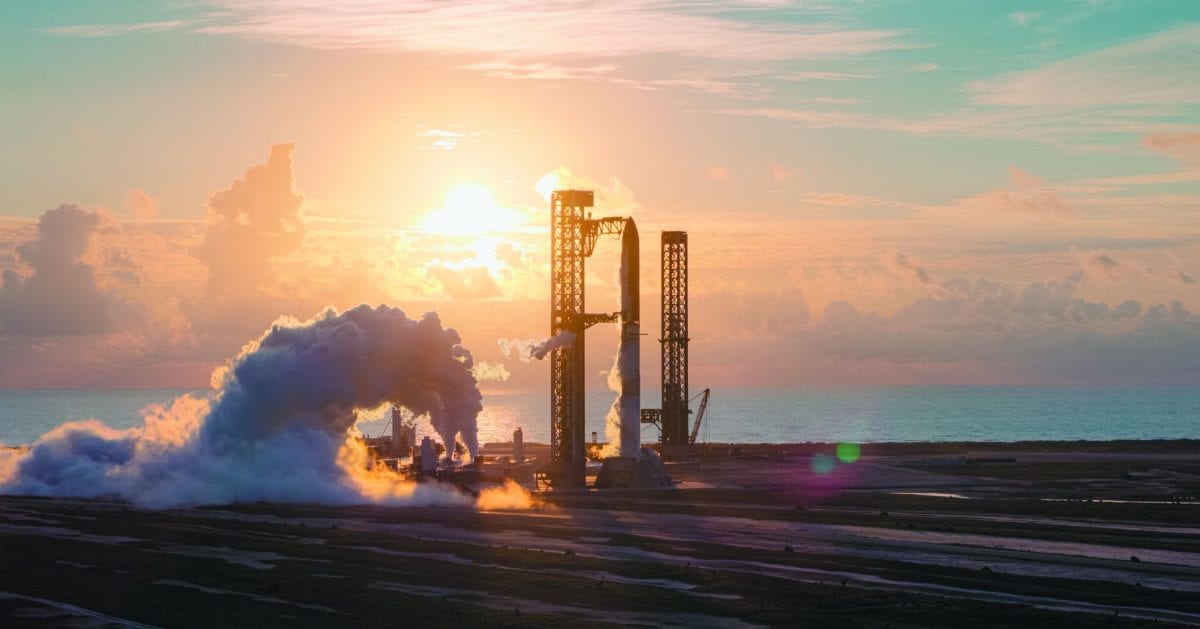
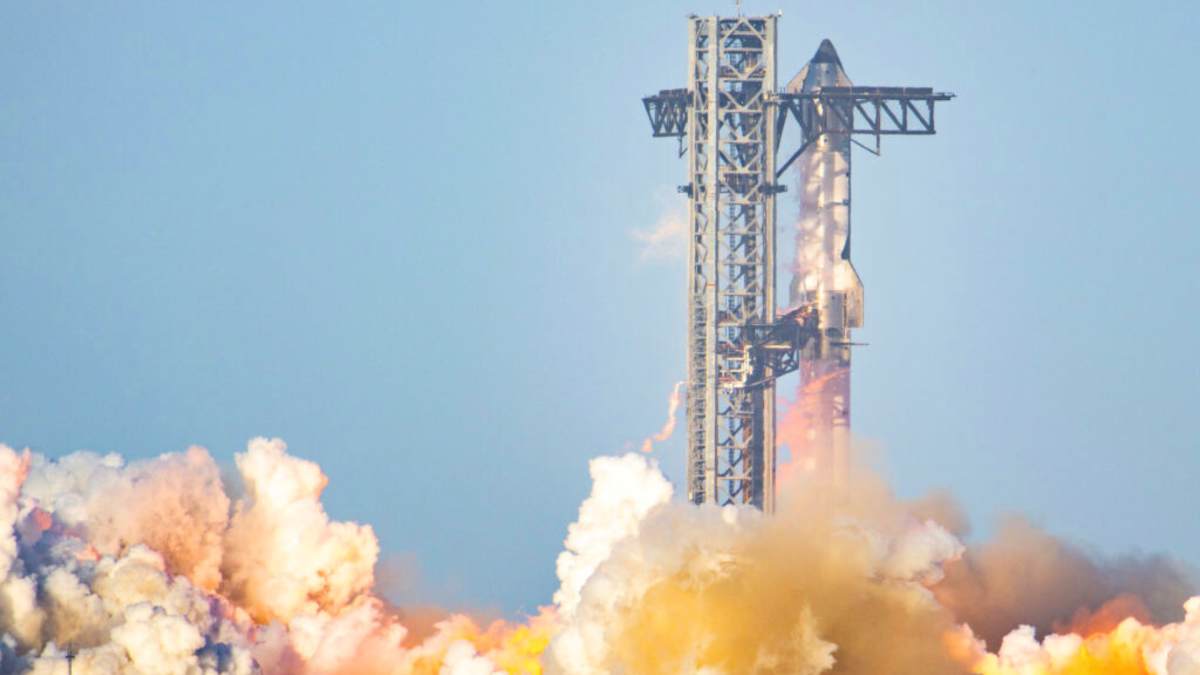
Next up, SpaceX aims to launch its next-generation Starlink V3 satellites, with a goal of eventually reaching 100,000 in orbit. That plan depends heavily on Starship, the company's next-generation rocket, which is still being tested. SpaceX is currently preparing for Flight 14, which will send Starship on a full orbital mission for the first time. The flight is expected no earlier than August 28, 2026.
The Starship preparing for our fourteenth flight test completed a full-duration, 60-second static fire with all six Raptor engines pic.twitter.com/DY11p3KVxU
— SpaceX (@SpaceX) August 21, 2026
SpaceX president Gwynne Shotwell shared, “The significant amount of capacity we're able to add to the Starlink constellation from the V3 satellites will enable us to continue providing even better service—I think it's pretty great already—but to do so while serving more and more customers all over the world."
More on Starlust:
No Starship catch using tower on flight 14, says SpaceX CEO Elon Musk; eyes over 30 launches per day
Stream NASA's Moon base construction in 4K: Blue Origin's Lunar Express could make it possible