SpaceX Dragon spacecraft splashes down in Pacific Ocean completing 35th ISS resupply mission
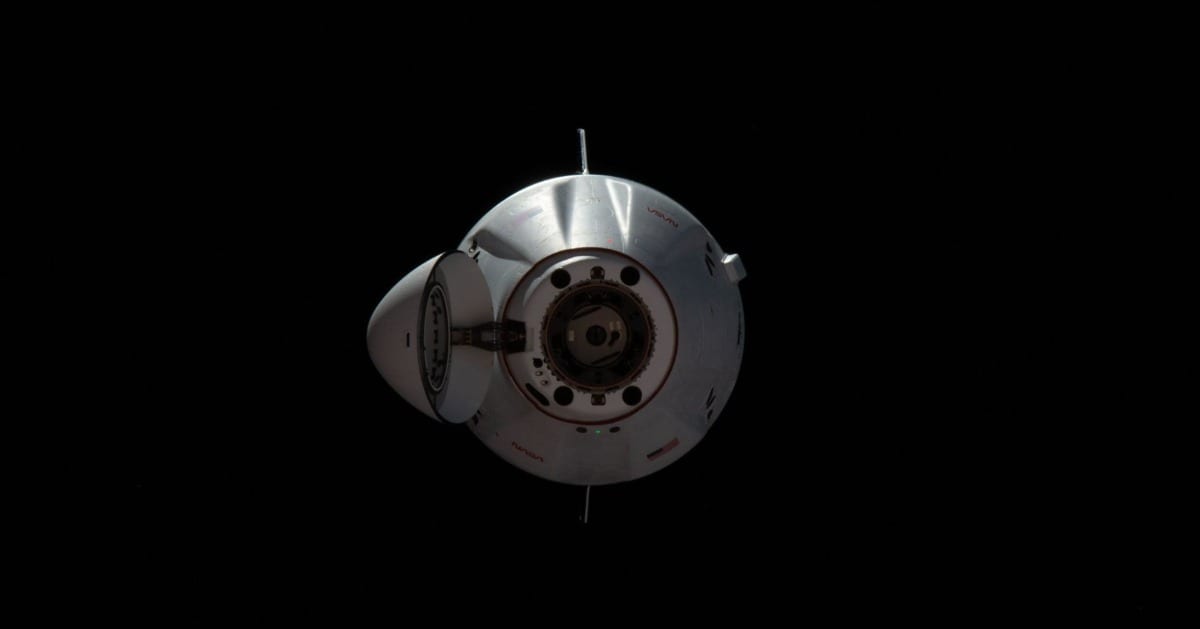
A SpaceX cargo Dragon spacecraft splashed down in the Pacific Ocean on November 21, completing another resupply mission to the International Space Station (ISS). The spacecraft undocked from the station at 12:05 pm ET on November 20 and parachuted down into the Pacific for a splashdown 29 hours later at 5:03 pm ET. This has marked the completion of NASA’s 35th commercial resupply services mission (CRS-35) launched by SpaceX.
A @SpaceX Dragon splashed down in the Pacific Ocean off the coast of California at 2:03 p.m. PST today. Support personnel will retrieve the cargo-packed spacecraft loaded with station hardware and science experiments for analysis. More... https://t.co/lMltDseGvG https://t.co/uN3QA6FuEK
— International Space Station (@Space_Station) November 21, 2026
According to NASA, Dragon returned with several experiments and research samples including a 3D-bioprinted blood vessel construct used to study vascular aging and cardiovascular disease along with frozen tumor organoids treated aboard the station. They may help researchers identify new ways to improve cancer treatments. The cargo also included frozen microbial samples to better understand how antibiotic-resistant bacteria survive in space and a lighting system that was tested to support astronauts’ sleep and overall health during long-duration missions.
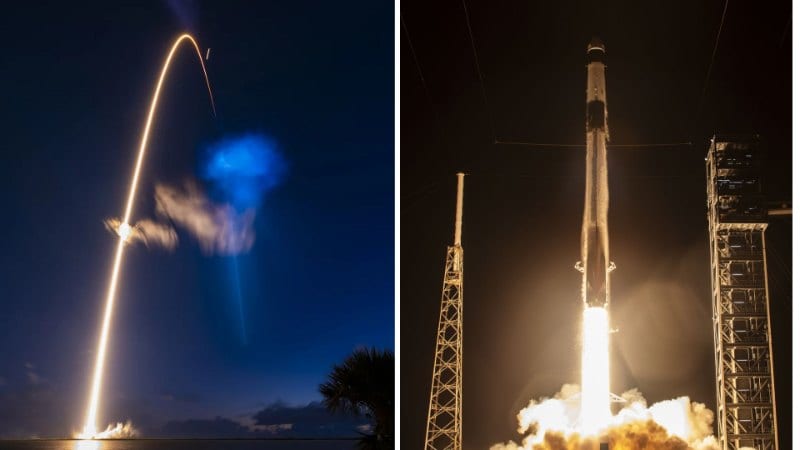
The Dragon spacecraft of the CRS-35 mission launched on October 13 and docked with the station’s Harmony module two days later. It carried more than 6,300 pounds of scientific experiments, supplies, and the final pair of International Space Station Roll-Out Solar Arrays (iROSA) that were installed outside the orbital lab. With the new arrays, the station’s power generation capacity has increased by approximately 30 per cent, from 160 kilowatts to around 215 kilowatts.
Tune in tomorrow for installment 7 of 8 roll out solar arrays. Last week, we installed this one and saw a greater than 40% increase in power on that channel. Teams across @NASA are spending the day preparing for tomorrow’s spacewalk. https://t.co/0P8wuIOKZQ
— Anil Menon (@astro_anil) November 4, 2026
The next cargo resupply mission is slated for launch on next week from Cape Canaveral Space Force Station in Florida. A SpaceX Falcon 9 rocket is scheduled to lift off no earlier than 10:47 am EST on November 29 topped with Northrop Grumman’s Cygnus XL spacecraft. According to NASA, this mission is known as Northrop Grumman Commercial Resupply Services 25 (CRS-25). “After arriving at the International Space Station, NASA astronauts Jessica Watkins and Luke Delaney, who are living and working aboard the space station, will use the Canadarm2 robotic arm to capture the Cygnus XL on Tuesday, Dec. 1,” NASA said in a statement. “Ground controllers then will install it to the Unity module’s Earth-facing port for cargo unloading.”
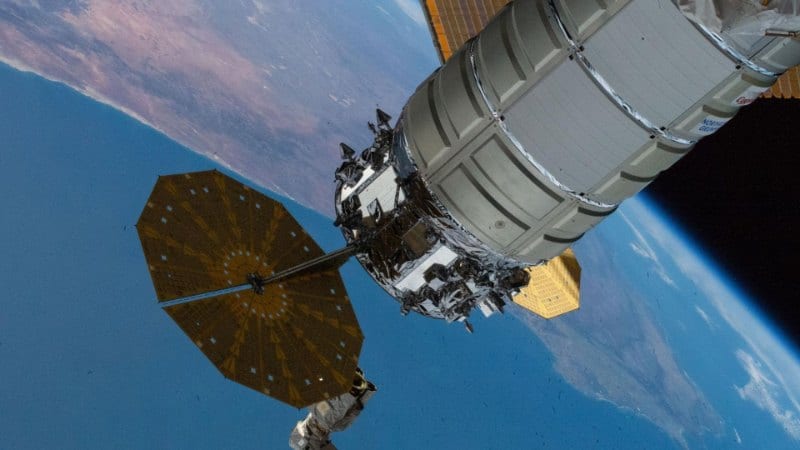
Apart from supplies for the ISS residents, the Cygnus spacecraft will carry experiments to improve drug delivery for cancer and osteoarthritis, predict cancer spread, and advance treatments for muscle loss, as well as improve radiation sensing and advance food production. It will stay docked at the station until May 2027 then depart with several thousand pounds of discarded cargo and burnup during re-entry.
More on Starlust
BepiColombo becomes second spacecraft in history to enter Mercury's orbit