Voyager-1 has crossed the one light-day milestone—but a data issue is playing spoilsport
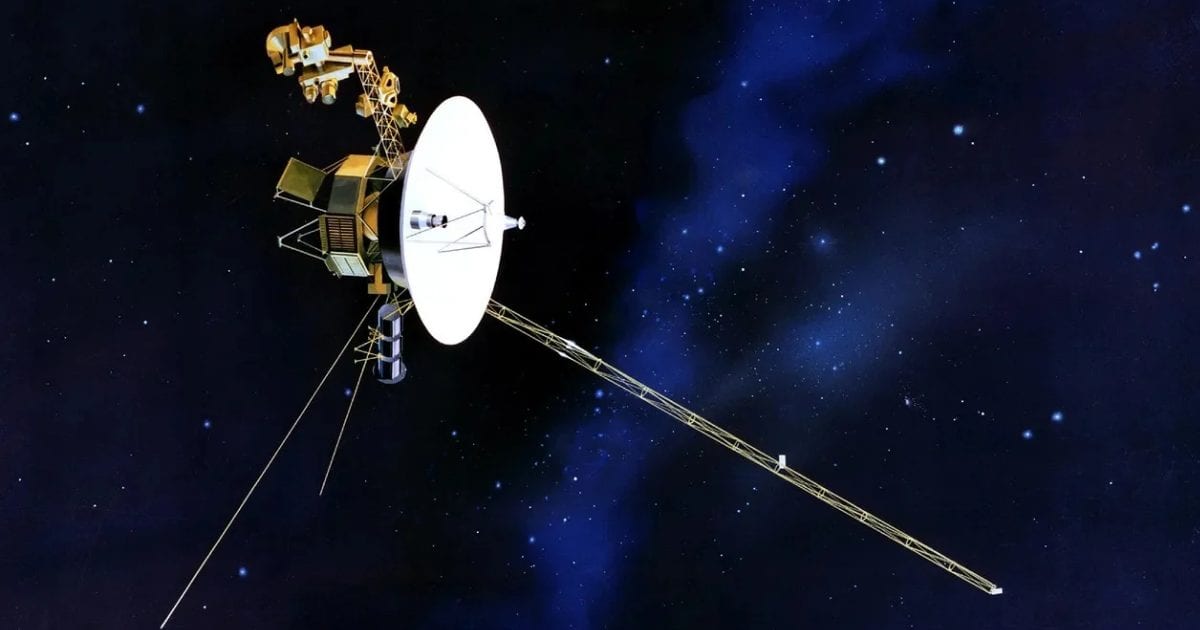
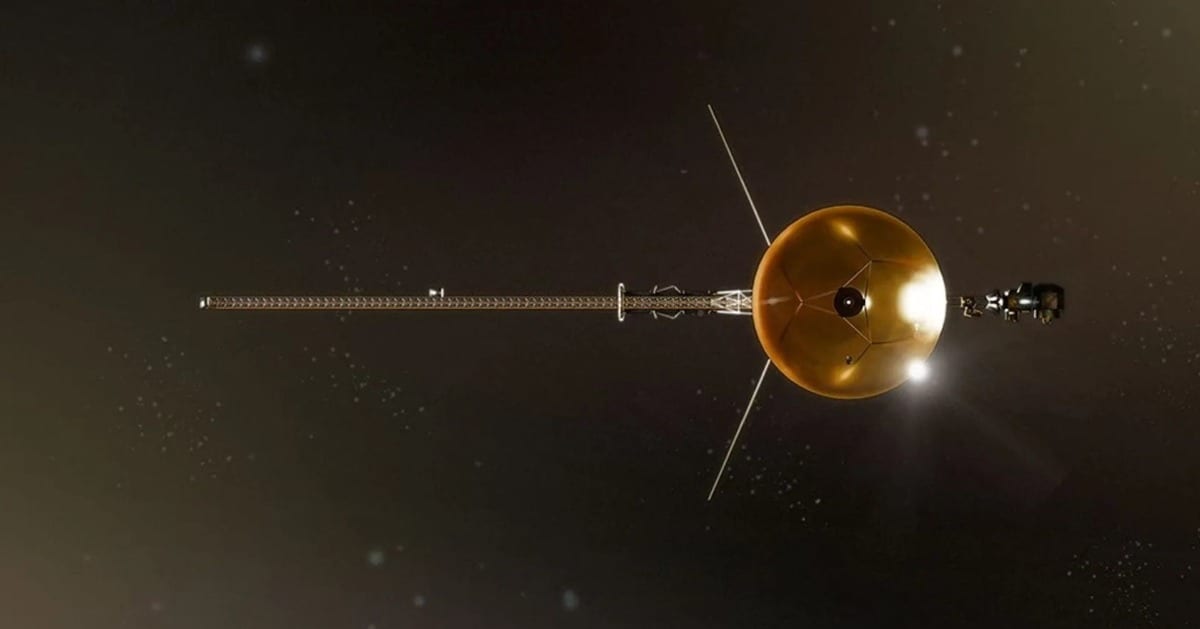
Voyager 1 engineers may have had to cut their celebrations short after the spacecraft reached the one-light-day milestone at 5:16:07 a.m. EST on Wednesday, November 18. That's because they have been investigating a data transfer issue with Voyager 1 for almost a week now. The problem surfaced on Saturday, November 14, when the team found that the spacecraft had stopped transmitting science and engineering data to Earth. This anomaly is not new, though. The nearly 50-year-old space probe encountered a similar problem in 2023. The latest issue has not been fixed as of today, November 20.
Voyager 1 is now a full light-day from Earth! This week, Mission Control Houston marked the spacecraft’s journey in honor of the teams at NASA’s Jet Propulsion Laboratory, where flight controllers communicate with the spacecraft. Being one full light-day from Earth, it now takes a full 24 hours to send to and receive communications to Voyager 1. We can’t wait to see how far this golden spacecraft will go. ✨
— NASA's Johnson Space Center (@NASAJohnson) November 19, 2026
NASA said in a blog post shared on Wednesday that the team became aware of the problem when a NASA Deep Space Network (DSN) antenna in Canberra, Australia, connected with Voyager-1 and obtained a carrier signal—a signal that usually transmits science and engineering data from the space probe. However, no data accompanied the carrier signal, indicating that the transmission had stopped.
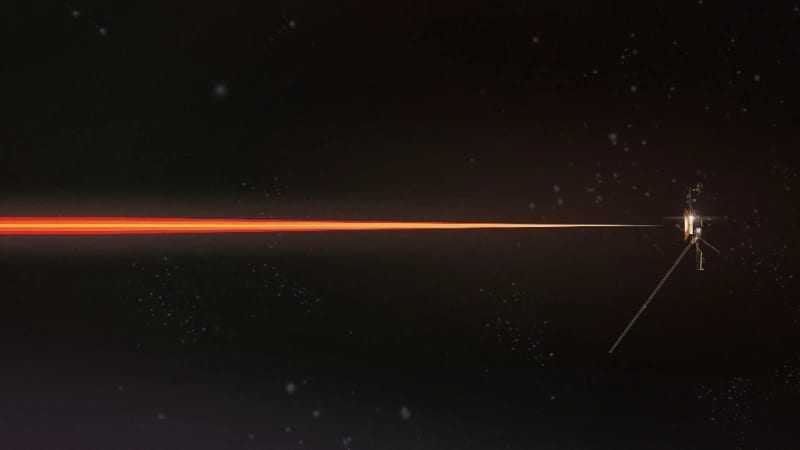
The existence of a carrier signal indicates that the spacecraft's Attitude and Articulation Control computer is functioning correctly and keeping the spacecraft oriented in a proper direction, pointed towards Earth. It also means that the spacecraft's antenna, along with its broadcast equipment, is still operational. The absence of data indicates that there is a problem with the onboard computer that gathers data from Voyager-1's subsystems (which include science systems) and formats it correctly for transmission to Earth.
Voyager 1 is now one light-day from Earth, an extraordinary @NASA achievement for a spacecraft assembled by human hands and launched nearly 50 years ago. As we celebrate this milestone, with Voyager continuing her journey through interstellar space at nearly 38,000 mph, consider what those brilliant minds made possible with the technology of 1977 and how much farther we should aspire to go with the tools, resources, and ambition of our time.
— NASA Administrator Jared Isaacman (@NASAAdmin) November 18, 2026
According to NASA, the team of engineers is currently working to find out the source of the problem. Despite the glitch in the transmission of data, the agency could confirm the one-light-day milestone using the carrier signal and trajectory calculations. The Voyager-1 team was, of course, elated as they cheered and celebrated the epic moment. NASA Administrator Jared Isaacman also congratulated the agency on the extraordinary achievement, while landmarks across the city of Cleveland were lit up to mark the milestone.
Cleveland was shining bright to celebrate @NASA’s Voyager 1 spacecraft reaching one light-day away from Earth, the farthest distance a human-made object has ever ventured. Landmarks across the city, home to NASA’s only center in the Midwest, were lit up last night to mark this extraordinary milestone, joining a worldwide celebration nearly 50 years in the making.
— NASA's Glenn Research Center (@NASAglenn) November 18, 2026
For context, one light-day from Earth is the distance (about 16.1 billion miles) light is able to travel in one day. Associate Administrator Nicky Fox for NASA's Science Mission Directorate put the massive distance into perspective during a moderated discussion at NASA Jet Propulsion Laboratory's von Kármán Auditorium yesterday, November 19. "When I say 16 billion miles, you're like, 'Yeah, that sounds like a big distance. But ... literally, we sent a command on Tuesday, and we got the carrier signal blip back today," she explained. This delay in communication is also something that makes addressing any issue with the spacecraft a drawn-out process, and NASA says diagnosing this one may take weeks, or even longer.
The glitch experienced by Voyager-1 in 2023 also saw mission ground controllers obtain a carrier signal with no data. That glitch originated from one of the onboard computers on the spacecraft, and the team is relying on the experience gathered then to resolve the ongoing issue. In fact, the team is also considering whether any connection exists between the present problem and the temporary communication hurdle faced by the spacecraft last month, when the team was out of contact with Voyager-1 for a period of around 48 hours. The space probe regained communication by itself after this and was functioning as usual till November 14.