BepiColombo ran into trouble during Mercury orbital insertion, reveals ESA a day after milestone
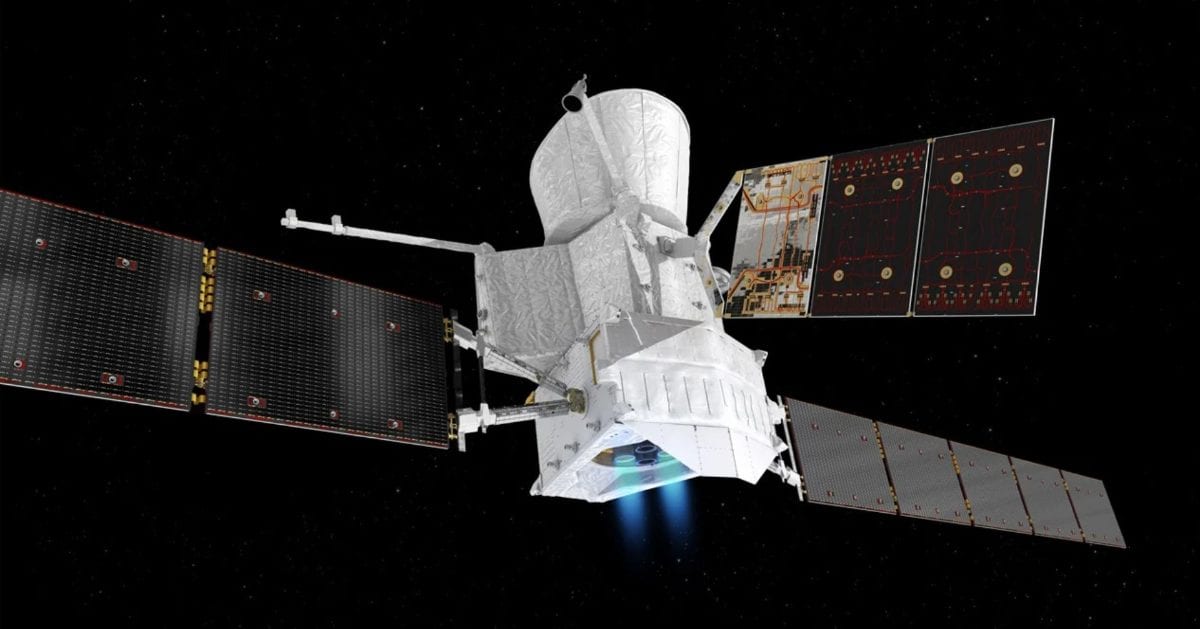
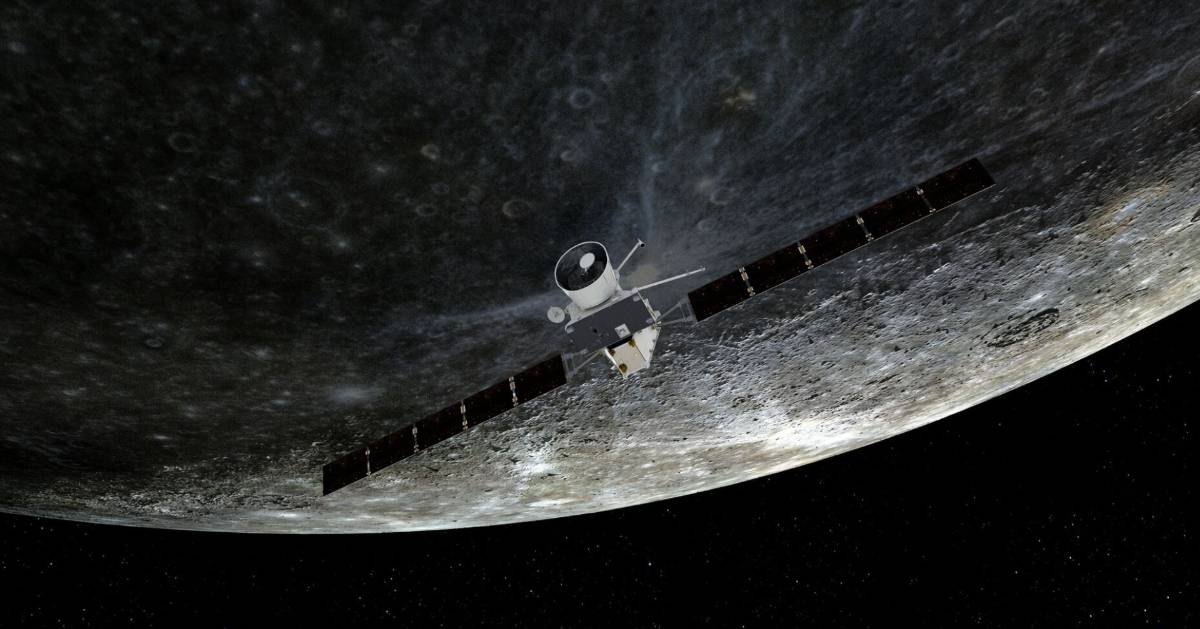
The European Space Agency (ESA) on Saturday announced that BepiColombo had successfully entered Mercury’s orbit, becoming the second spacecraft in history to achieve the feat. After around 37 minutes of thruster firing, the spacecraft had achieved orbital capture and was communicating well with mission controllers. But it turns out, things didn’t go exactly as planned, and now the mission team is trying to figure out what happened.
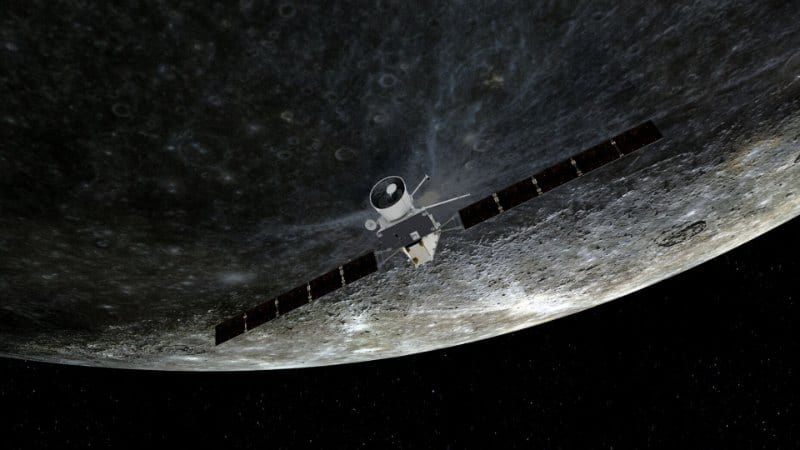
According to a new update shared on Sunday, the agency said that the thruster burn performed by BepiColombo ended sooner than planned, and this likely occurred due to a software issue. They have confirmed that the spacecraft is healthy, but an investigation is underway to determine the cause of the problem. “Yesterday, we confirmed BepiColombo’s successful capture into orbit around Mercury. During the maneuver, the thruster burn was shorter than planned due to a software issue,” ESA said in an update shared on X. “The spacecraft is safe & teams at ESOC are working to understand what happened. Updates provided on Monday.”
Yesterday, we confirmed BepiColombo’s successful capture into orbit around Mercury. During the manoeuvre, the thruster burn was shorter than planned due to a software issue. The spacecraft is safe & teams at ESOC are working to understand what happened. Updates provided on Monday.
— BepiColombo (@BepiColombo) November 22, 2026
BepiColombo began the process of entering Mercury’s orbit in September when the ‘Mercury Arrival Phase’ began. At the start of the phase, the Mercury Transfer Module (MTM) separated from the spacecraft, which currently consists of the Mercury Magnetospheric Orbiter (MMO or Mio) and the Mercury Planetary Orbiter (MPO) stacked together. The MMO is built by the Japan Aerospace Exploration Agency (JAXA), whereas the MPO is ESA’s contribution. The latest firing was performed by the MPO. The joint mission launched on October 20, 2018, and has finally reached its destination after an eight-year journey.
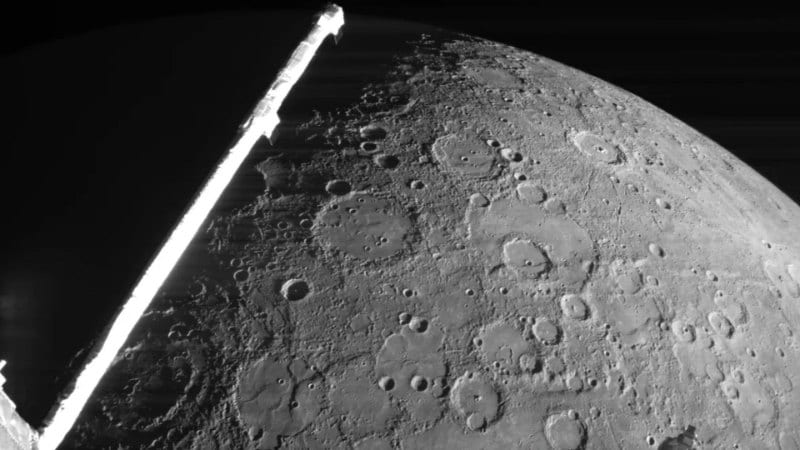
A spacecraft approaching Mercury gets accelerated to a high velocity because the planet is so close to the Sun, which has enormous gravity. So, to allow BepiColombo to shed its kinetic energy, the mission design had it conduct one flyby of Earth, two of Venus, and six of Mercury over seven years. A solar panel issue, however, extended the flight time by a year.
The purpose of BepiColombo is to uncover mysteries related to Mercury’s origin, evolution, composition, and the deposits of water ice in its polar regions. Using the five and 11 instruments on MMO and MPO, respectively, scientists aim to seek answers to its puzzling aspects over the course of one year. With BepiColombo now in orbit, the mission controllers are working to troubleshoot the issue before committing to the next major steps, like the separation of the MMO from the MPO, which is scheduled in December. After the separation, the two spacecraft will enter their final polar orbits around Mercury that will allow them to observe the planet from different vantage points. If all goes well, BepiColombo will begin its science phase in April 2027.
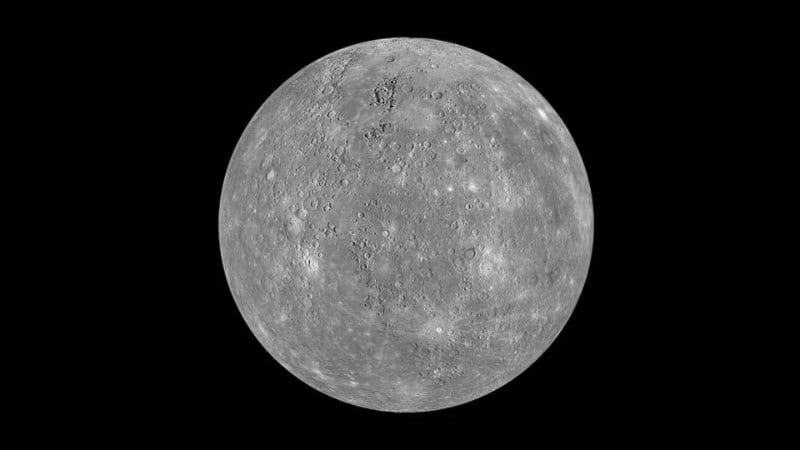
The last time a spacecraft entered Mercury’s orbit was in 2011, when NASA’s MESSENGER orbiter safely arrived at the planet. Short for MErcury Surface, Space ENvironment, GEochemistry, and Ranging, MESSENGER helped determine Mercury’s surface composition, offered insights into its geological history, internal magnetic field, and helped confirm water-ice deposits in the poles. The mission ended in 2015 with MESSENGER slamming into Mercury's surface.
More on Starlust
Voyager 1 has crossed the one light-day milestone—but a data issue is playing spoilsport
ESA's Hera spacecraft captures spooky infrared image of Didymos-Dimorphos asteroid pair