ULA says Vulcan rocket failed on November 15 due to ‘inadequate fuel supply’ to first stage booster engines
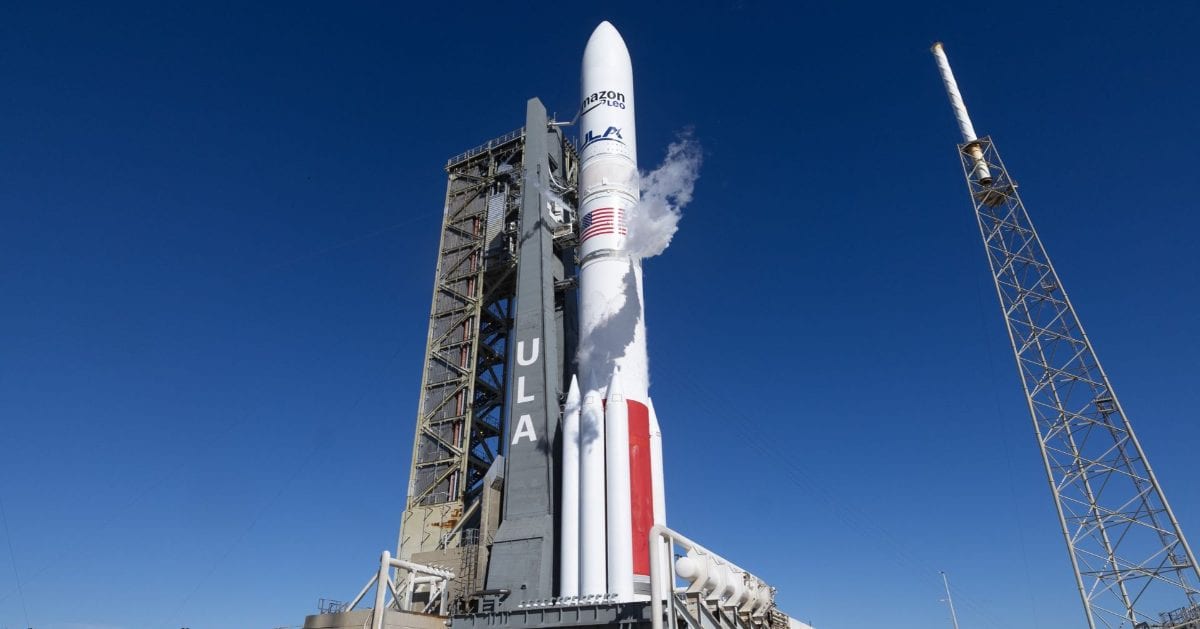
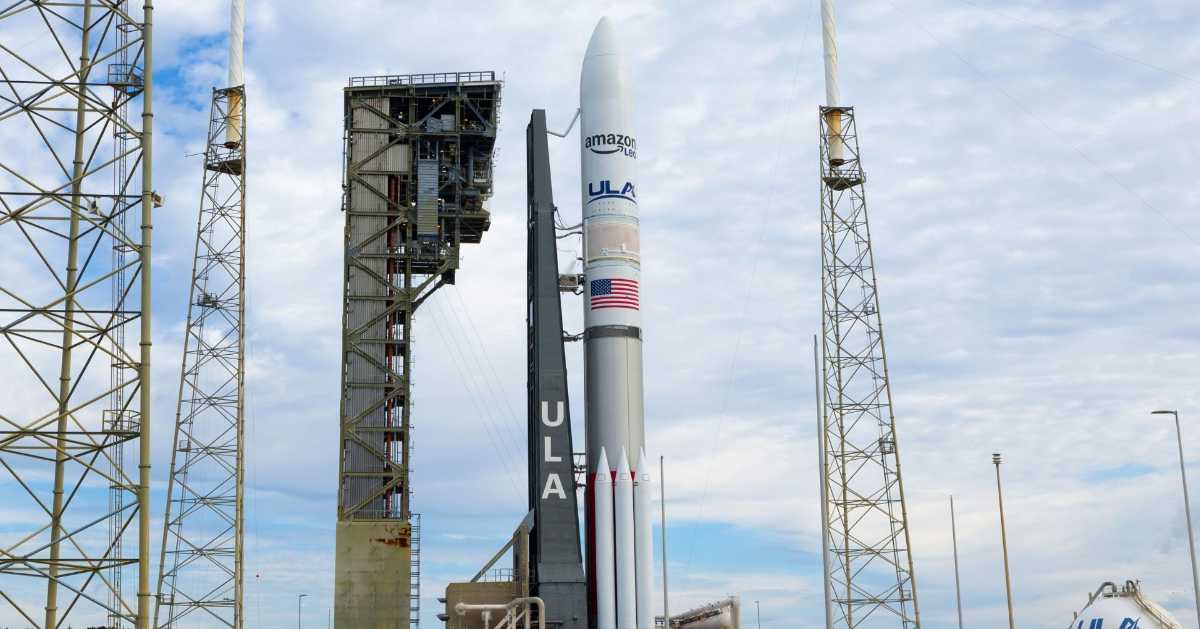
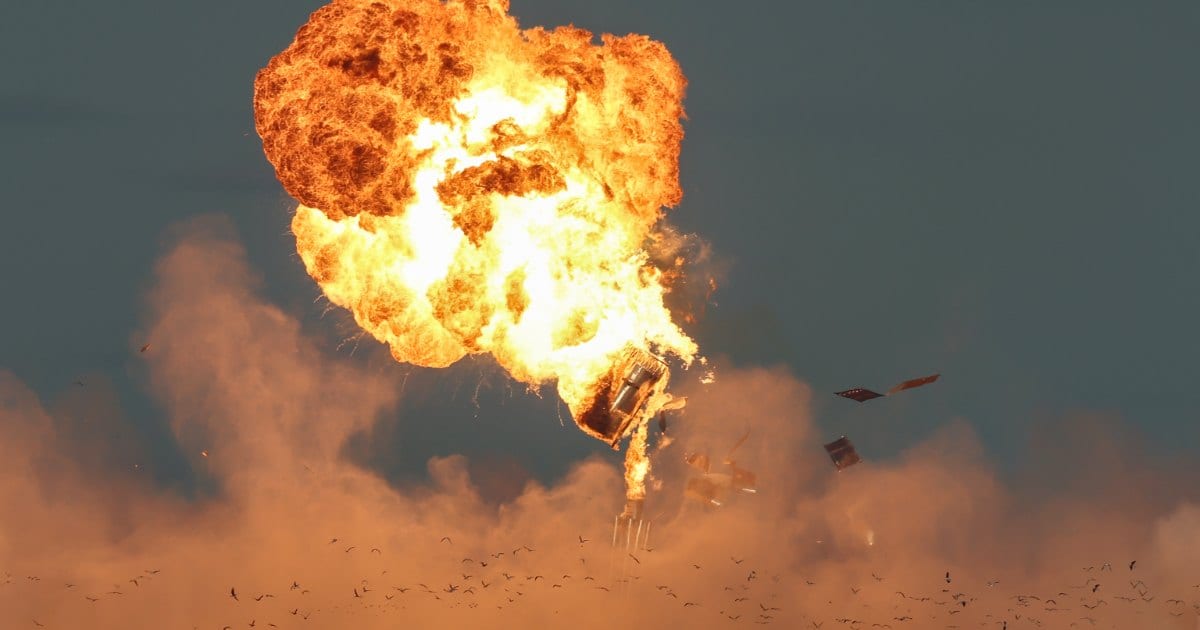
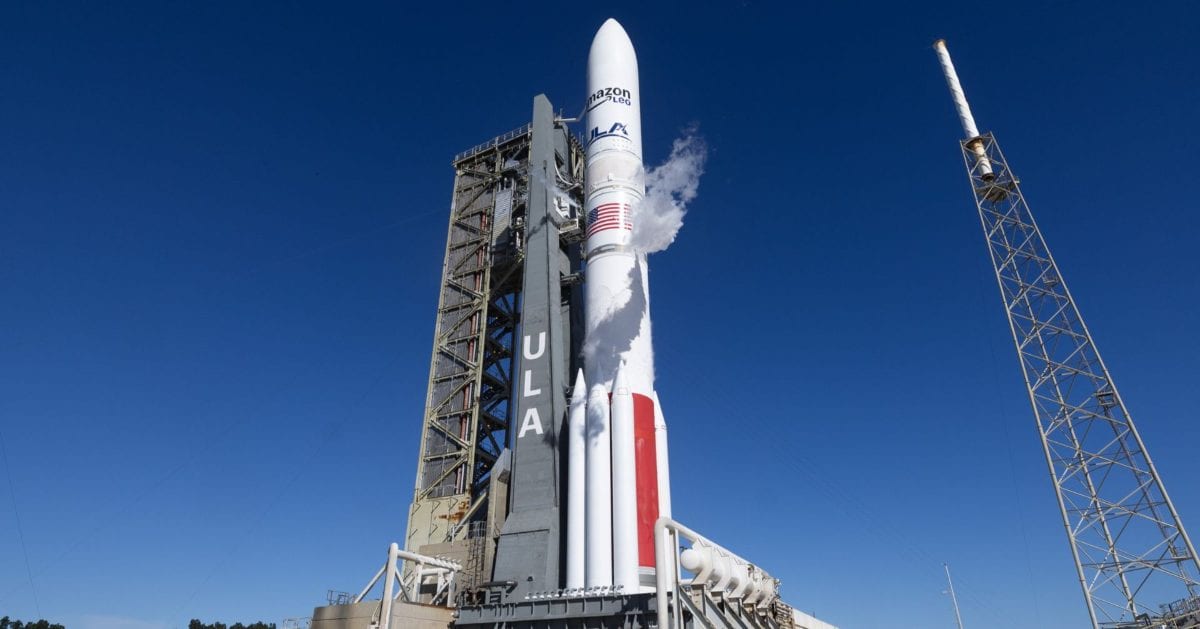
The problem with the United Launch Alliance’s (ULA) Vulcan rocket, which suffered an anomaly in its latest mission, seems to have been located. In its latest update shared Wednesday, the company said, based on a preliminary flight review, that the core stage booster couldn't produce enough thrust to reach orbit due to an "inadequate fuel supply" to its engines. As a result, the rocket couldn’t climb to the desired altitude and failed to deploy 40 Amazon Leo satellites on November 15.
And LIFTOFF of the first Vulcan Amazon Leo mission, carrying 40 broadband satellites to low Earth orbit! https://t.co/dv1MSjJUMF
— ULA (@ulalaunch) November 15, 2026
“ULA has completed an initial integrated review of flight data from the Leo 1 launch anomaly that occurred last Sunday,” the company said in the update. “While work remains to determine cause, preliminary indications are that the low booster thrust was the result of inadequate fuel supply from the vehicle to the BE-4 engines, not from the performance of the engines.” The BE-4 engines are supplied by Blue Origin, and two of them power the Vulcan (VC6L) rocket's core stage.
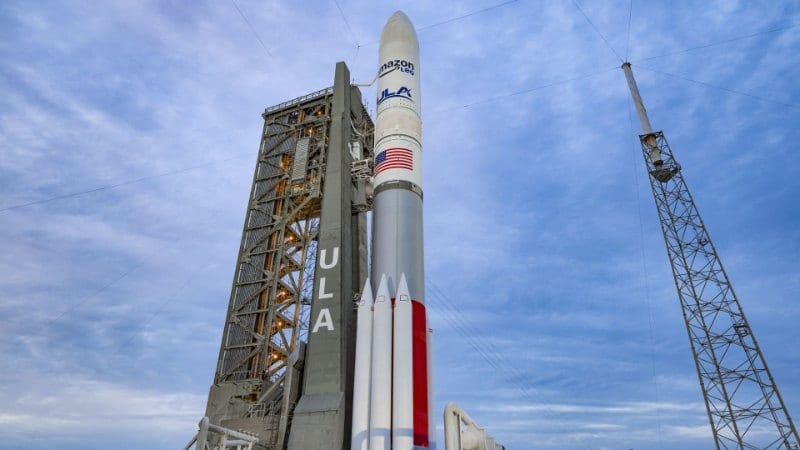
In Tuesday's update, ULA said that the anomaly occurred in the booster just after launch, and telemetry was lost 10 minutes into the flight. The ongoing investigation has revealed that the second stage (Centaur) started nominally after stage separation but couldn’t recover from the booster’s underperformance. The six solid rocket boosters on the core stage also seemed to perform nominally.
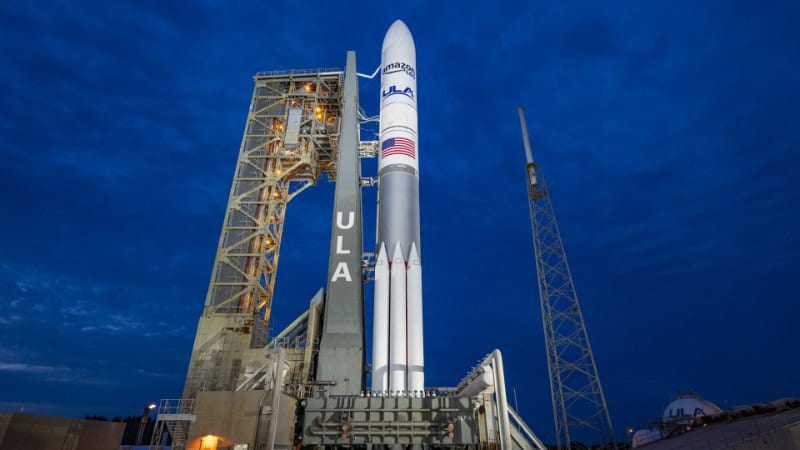
The solid boosters caused problems on two past flights in October 2024 and February 2026, but the vehicle managed to deploy its payloads. ULA has since made improvements to the boosters, and preliminary data indicates they performed reliably on Sunday. The Vulcan rocket currently remains grounded in the wake of the mission failure as ULA is conducting an investigation to determine the cause with assistance from the Federal Aviation Administration (FAA).
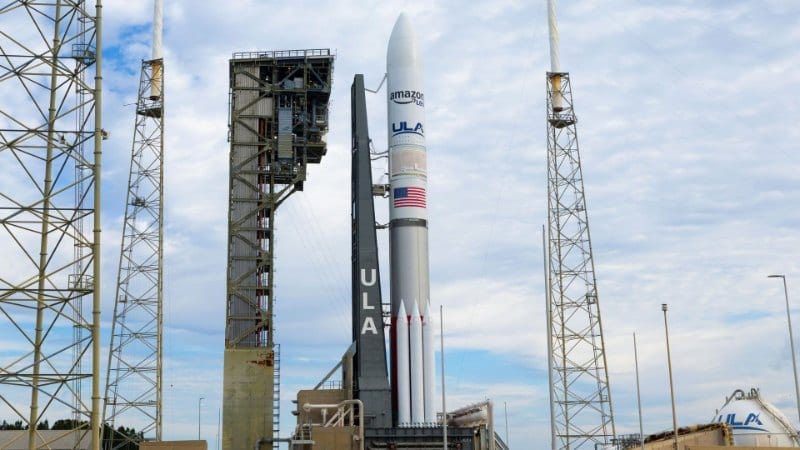
The 215-foot-tall (65.5-meter) VC6L rocket with the six-solid-booster configuration can carry up to 60,000 pounds to low-Earth orbit, around 14,300 pounds to a geosynchronous orbit, and up to 25,400 pounds towards the Moon. This massive rocket can be modified with zero, two, four, or six solid boosters, per mission requirements, to launch multiple spacecraft, including CubeSats, smallsats, and more. The failed mission was the first of 38 launches Amazon has booked on Vulcan to build its Leo broadband satellite constellation. The company plans to launch more than 3,000 satellites that will provide high-speed internet from low-Earth orbit. Until now, these satellites have launched on multiple rockets, including ULA's Atlas V, SpaceX’s Falcon 9, and Arianespace’s Ariane 6.
🚀 The launch window is set for VA271/LE-04! Ariane 6 is preparing for its 10th flight, carrying 36 Amazon Leo satellites into low Earth orbit. 📅 Liftoff is scheduled for November 23, 2026, from Europe's Spaceport in French Guiana, within the following window: - 06:09 - 06:38 (Washington, D.C.) - 08:09 - 08:38 (Kourou) - 11:09 - 11:38 (UTC) - 12:09 - 12:38 (Paris/Berlin) For this mission, Ariane 6 will fly in its most powerful configuration, Ariane 64, equipped with four P160C solid rocket boosters. This will be Arianespace's fourth launch for Amazon Leo, continuing the deployment of its satellite constellation to bring connectivity to more people around the world. Stay tuned as we get closer to liftoff! #LaunchingAmbitions #Ariane6 @AmazonLeo @ArianeGroup @CNES @esa @EuropeSpacePort
— Arianespace (@Arianespace) November 17, 2026
The next mission to launch Leo satellites is scheduled for November 23 atop the most powerful configuration of the Ariane 6 rocket—Ariane 64. The rocket will lift off from Europe's Spaceport in French Guiana during a launch window from 6:09 to 6:38 a.m. EST with 36 Leo satellites and will mark the fourth of 24 Ariane 64 launches Amazon has bought to build the constellation. As of November 2026, Amazon has launched about 400 satellites across 14 missions since last year.