SpaceX Starship Flight 17 upper stage and Super Heavy roll out to Massey's for cryo testing
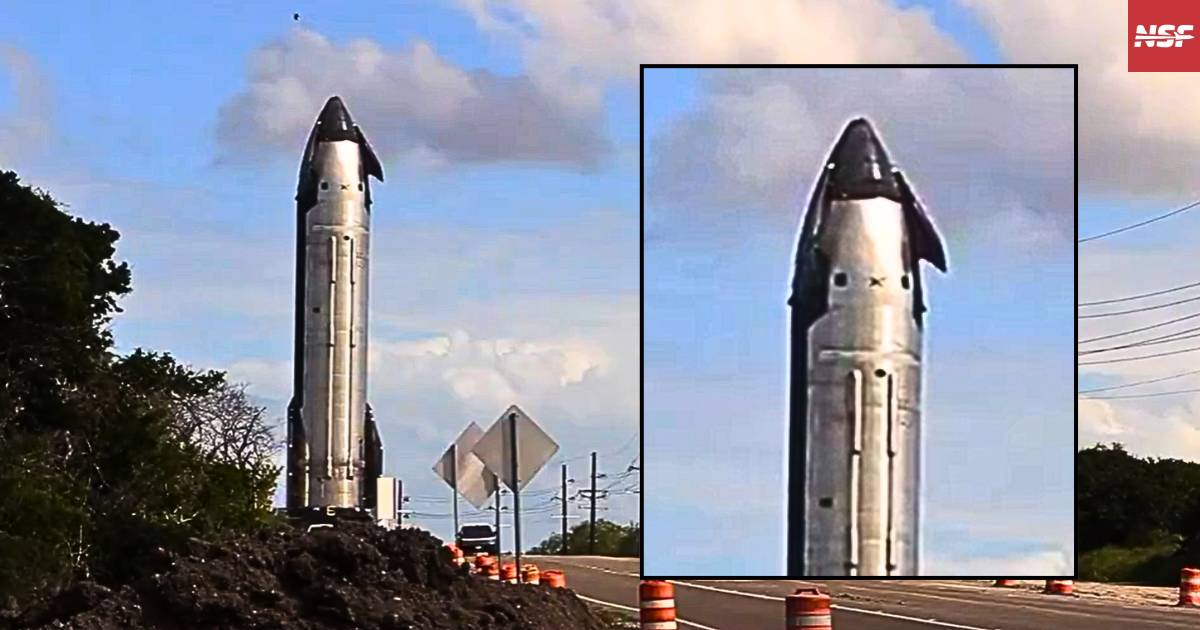
It hasn’t yet been a full week since the conclusion of the historic fifteenth test flight of Starship, and SpaceX is already looking ahead. Footage from the company’s facilities at Starbase, Texas, shows Ship 44—the potential upper stage for Flight 17—at the Massey’s Test Site for cryogenic proof testing. Footage from the facility also showed Booster 24, the Super Heavy booster for the mission, arriving at the site several hours after its upper-stage companion.
Starship Flight 17: Ship 44 rolling up Highway 4 to Massey's. https://t.co/HSumkyMNOs https://t.co/VFkHVRcb3j
— NSF - NASASpaceflight.com (@NASASpaceflight) November 19, 2026
If the two stages ace the cryo testing, they will have taken a significant step closer to flight. These tests pump super-cold liquid nitrogen into the vehicles to test their structural integrity under extreme conditions. Nitrogen is used as a stand-in for the actual cryogenic propellants—liquid oxygen and methane—because it’s inert.
Booster 24 is rolling out to Massey’s to link up with Ship 44, its Flight 17 counterpart, for cryo testing. @NASASpaceflight https://t.co/KphbaS2bdW
— Ceaser G (@CeaserG33) November 20, 2026
Ship 43 and Booster 23, which will potentially fly on Flight 16, underwent their own cryogenic tests last month. Flight 16, which could launch next month, was supposed to be the first Starship launch to take place at the historic Launch Complex 39A at NASA’s Kennedy Space Center in Florida. However, a new CADENA presentation has fueled speculation that the honor may go to Flight 17 and that Flight 16 could take off from Starbase. The ‘Upcoming High-Profile Missions’ slide in the presentation dated November 19 has no mention of any Starship mission. It, however, has listed January 9, 2027, as the return date for Blue Origin’s New Glenn rocket, which hasn’t flown since the hotfire test explosion in May.
I would not be surprised if SpaceX opts to fly a repeat of Flight 15 from Starbase (Flight 16), and then Flight 17 from 39A. The latter requires a Booster and a Ship sent on You'll Thank Me Later and a fair amount of 39A testing.
— NSF - NASASpaceflight.com (@NASASpaceflight) November 19, 2026
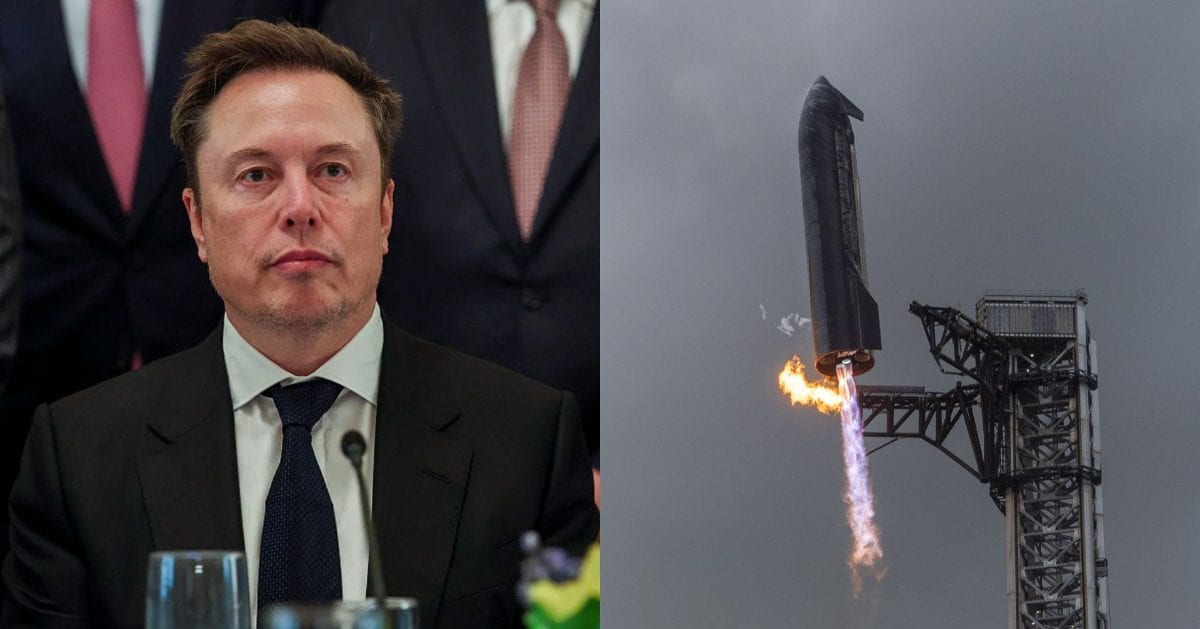
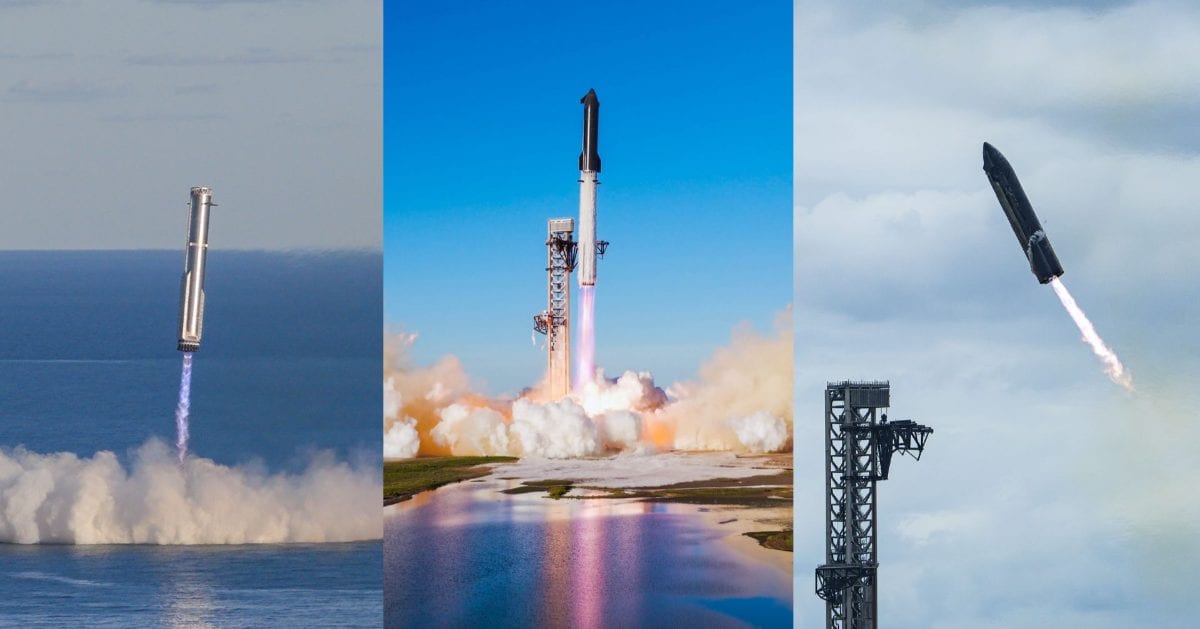
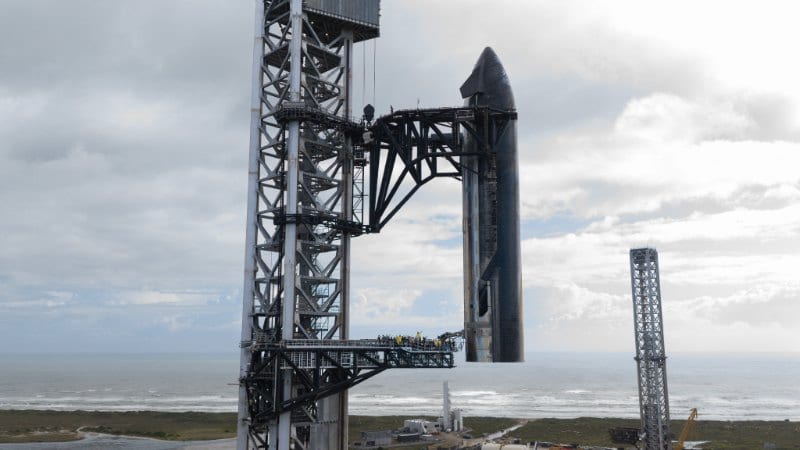
Although SpaceX hasn’t released the mission design or date for either of the two upcoming Starship flights it is preparing for, chances are it will be looking to top Flight 15, which was historic for more than one reason. Lasting 22.5 hours, it was the longest Starship flight to date, and, more importantly, it ended with an upper stage being caught for the first time by the huge chopstick arms at the launch site. SpaceX CEO Elon Musk is, in fact, so proud of the achievement that he is looking to put Ship 42 on for public display and not refly it on a future mission. “Now in this case, because it’s kind of a historic Ship, we’re gonna, I think, not take any chances and just kind of leave it for public display because what it has done is historic,” he said during his virtual appearance from China at the TomorrowX Summit in Austin on November 18.
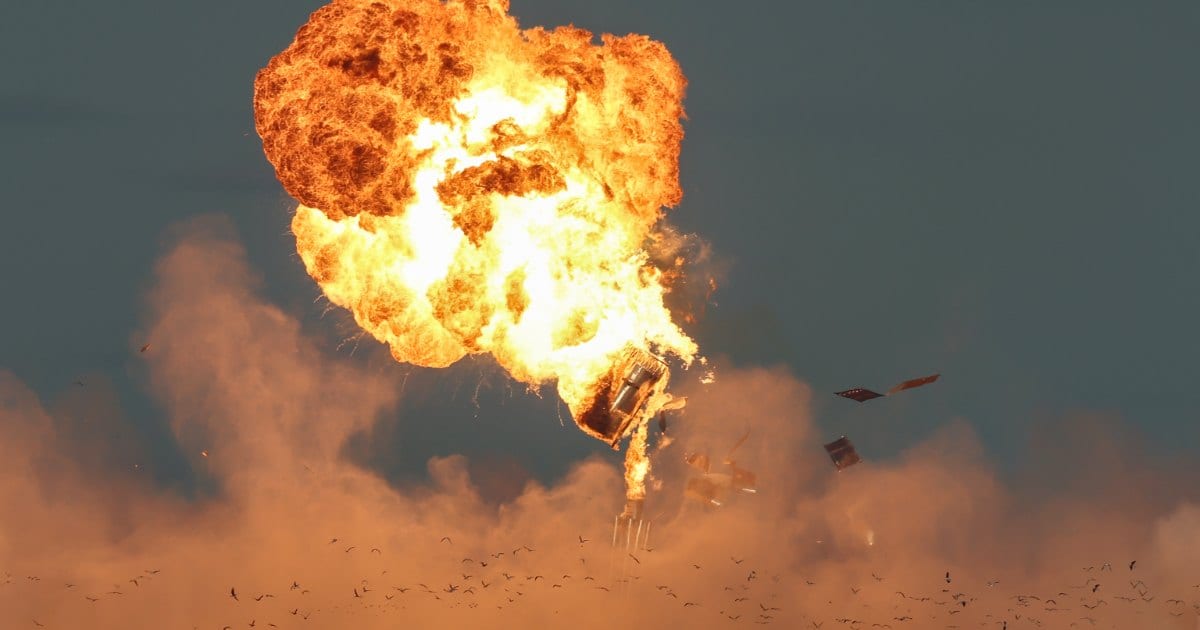
All that said, the mission failed to tick one of its other objectives, which was catching the Super Heavy booster. SpaceX has caught the first stage thrice already, but it would have marked the first catch of the latest iteration (Version 3, or V3) of the Super Heavy booster. SpaceX’s post-flight analysis says that one of the booster’s 33 Raptor engines failed to reignite for the boostback burn, which ended early due to low fuel mass. Finally, the booster’s guidance, navigation, and control (GNC) system triggered an automated abort and diverted it to an offshore landing location in the Gulf of America, where the vehicle exploded just moments before splashdown.
More on Starlust
Starship Flight 15 recap in photos: Best images of the historic mission from Starbase and beyond
Starship V4: Elon Musk says the next version of the Starship upper stage will be over 200 feet tall