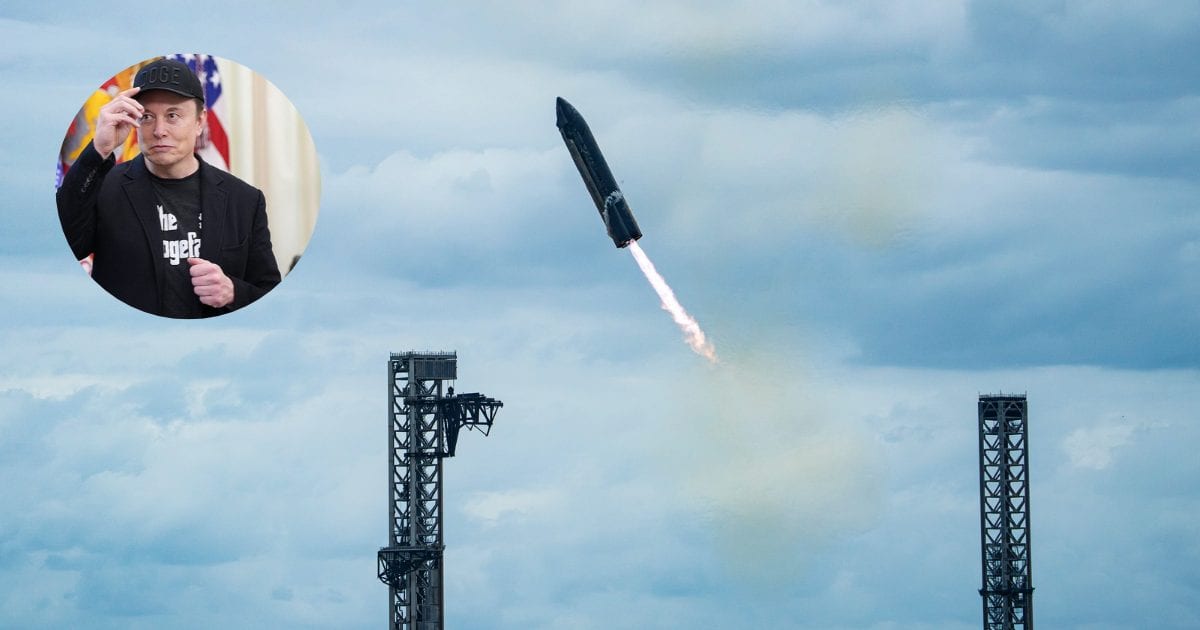
SpaceX will likely put Starship’s 'historic' Flight 15 upper stage on public display, says Elon Musk
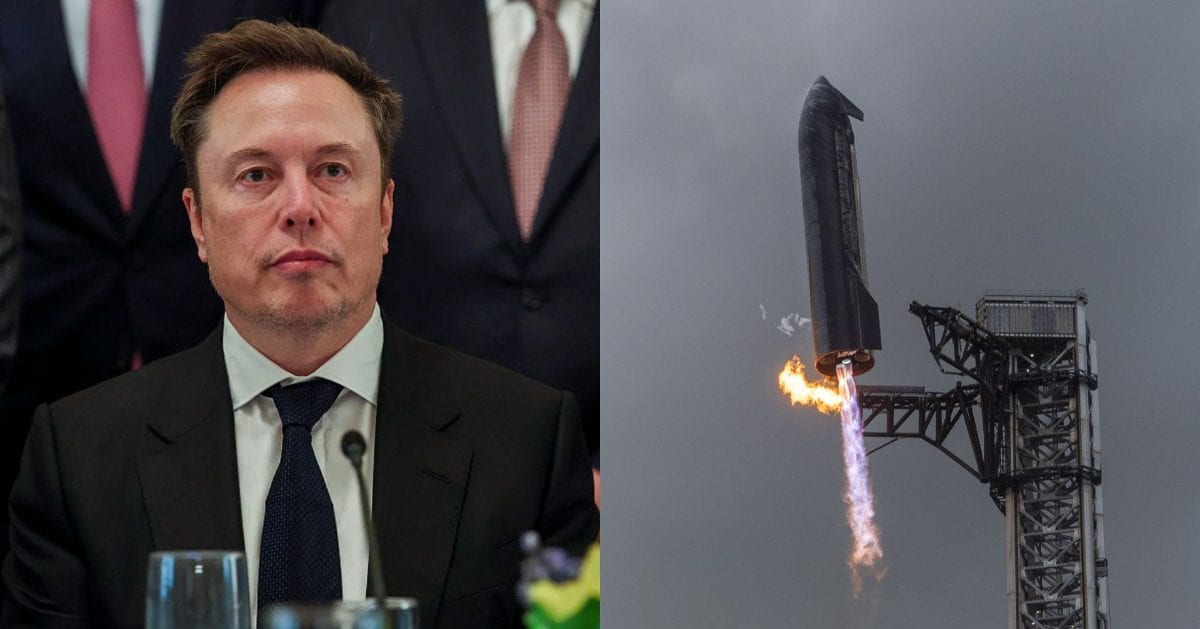
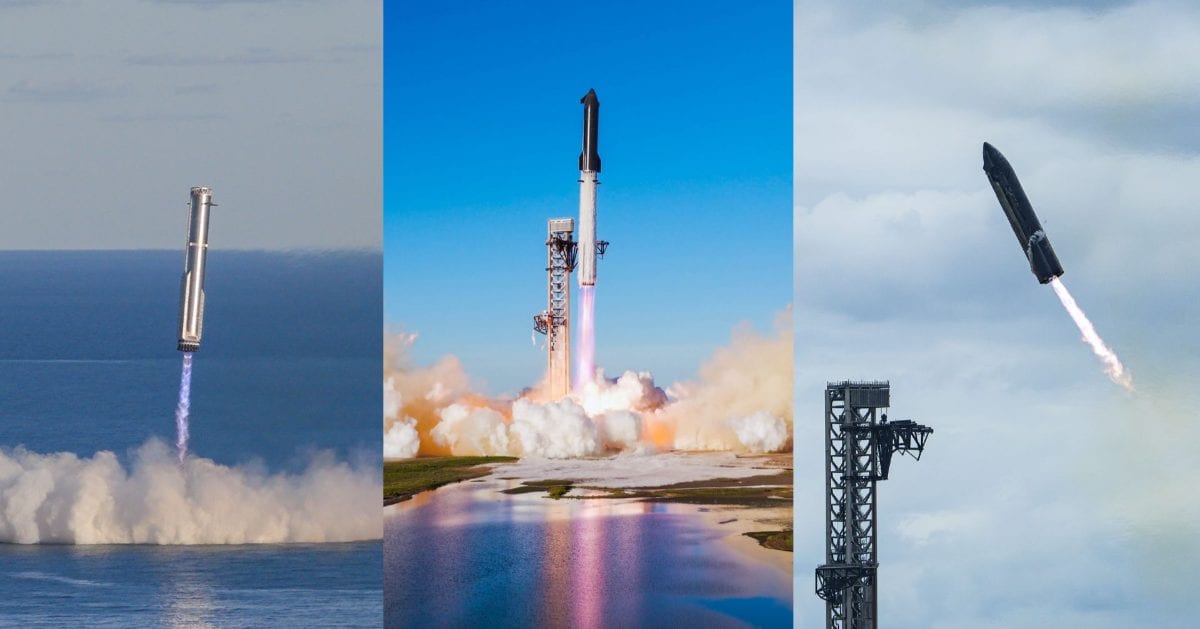
SpaceX CEO Elon Musk has said that the first Starship upper stage caught on Flight 15 will likely be put on public display instead of being reflown on a future mission. That's because Ship 42 is of great historic significance now. “We’ve had three booster catches, but this is the first Ship catch, which means we’ve now proven that all parts of Starship can be flown to space and recovered in good enough shape to be reflown,” Musk explained during his virtual appearance from China at the TomorrowX Summit in Austin on November 18.
Elon Musk on why the historic Starship catch is a much bigger milestone than most people realize “Catching the ship was the final major piece” SpaceX has now achieved: • 3 successful Super Heavy booster catches • A booster that was reflown and caught again • The FIRST EVER Starship upper-stage catch • Ship 42 returning from orbit in good enough condition to be reflown with only minor repairs For the first time, SpaceX has demonstrated that both stages of Starship can return and be recovered by the launch tower And Elon confirmed that Ship 42 will likely be preserved for public display because of its historic achievement “No one has ever taken a stage like that and created a truly reusable upper stage and certainly not brought it back to land propulsively while being caught by giant chopsticks” Now look at what full and rapid reusability is expected to unlock: • Up to 100 TIMES lower cost of accessing space • The potential to deliver MILLIONS OF TONS of payload to orbit annually • A transportation system where both stages return, refuel, and fly again That's the scale of what SpaceX is building Starship has already demonstrated the recovery of both stages. The next step is turning recovery into routine, rapid reuse And that's what will fundamentally change the economics of spaceflight
— X Freeze (@XFreeze) November 19, 2026
He added that the spacecraft will need only minor repairs before launching again. “Now in this case, because it’s kind of a historic Ship, we’re gonna, I think, not take any chances and just kind of leave it for public display because what it has done is historic.” He further stressed the importance of the milestone of successfully recovering Starship’s upper stage, saying that it will drop the cost of access to space by a factor of 100.
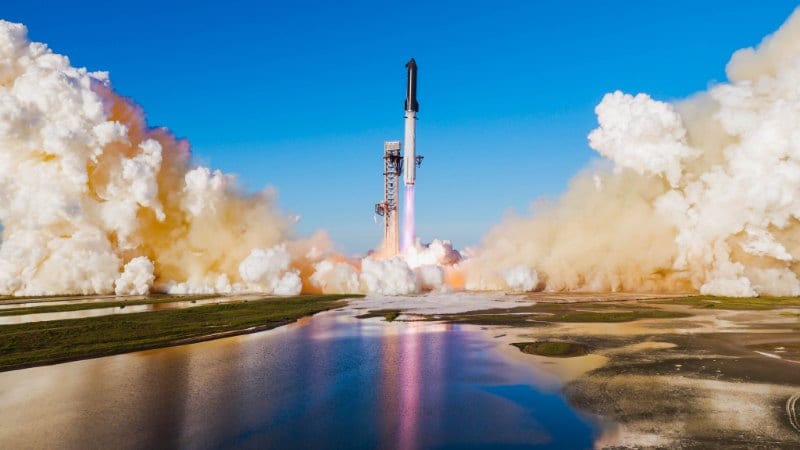
Starship launched on its 15th integrated test flight from Starbase, Texas, on November 13 in what was its longest mission to date. After separating from the Super Heavy Booster, whose catch was aborted, the upper stage spent more than 21 hours coasting in space before deorbiting and returning to the launch site. The entire mission lasted 22.5 hours from start to finish. While the Booster has been recovered three times, it was the first catch of the upper stage of Starship.
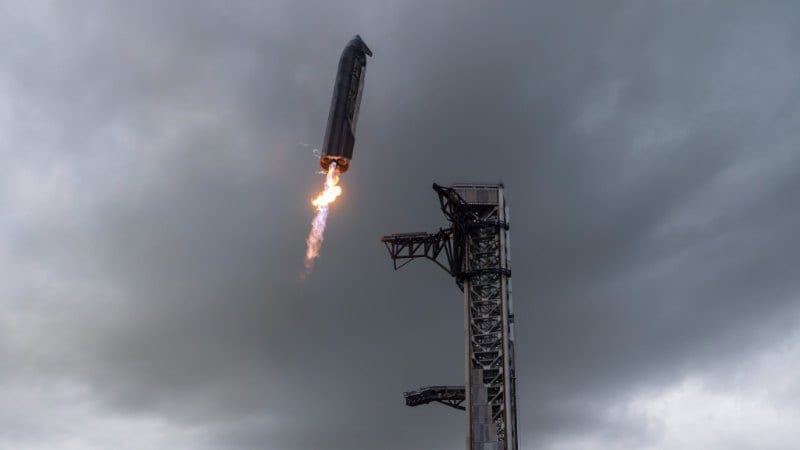
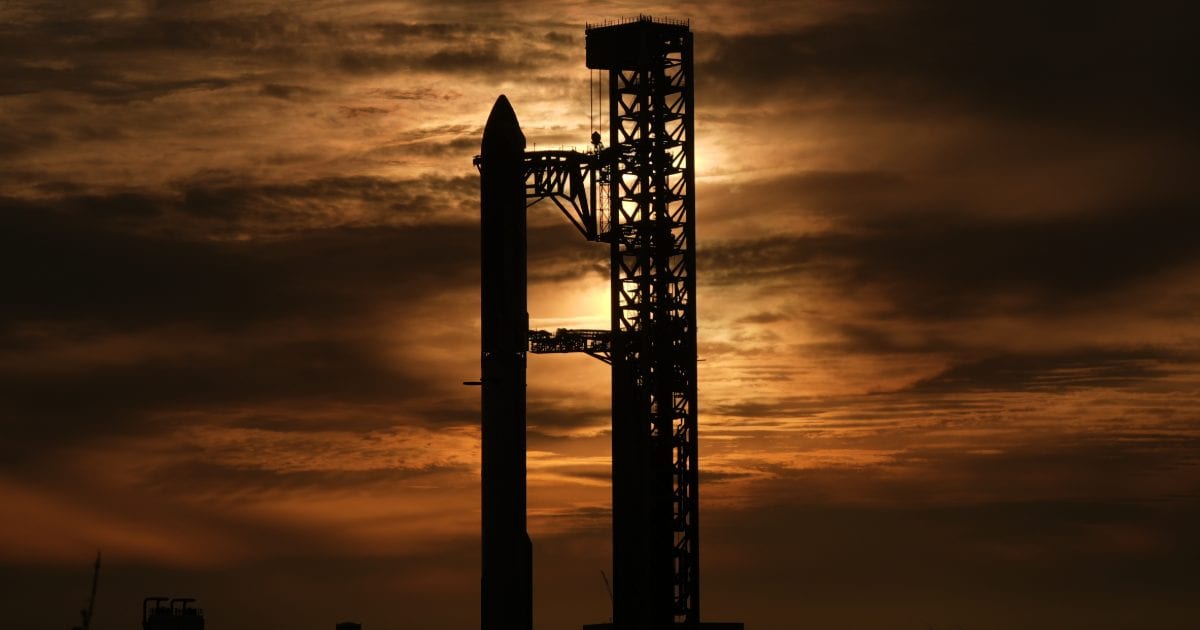
Interestingly, SpaceX will soon introduce Starship V4, which will have an upper stage about 40 percent taller than its predecessor. According to Musk, the upgraded upper stage will measure close to 230 feet (70 meters) tall as opposed to the current 171-foot (52.1 m) version that was caught by the chopstick arms. Besides, it will be able to carry 60 percent more propellant and will be powered by a total of nine Raptor engines (six vacuum and three sea-level), with each having greater thrust than previous versions.
Starship 42 coming in for catch https://t.co/aw0o56LhCg
— SpaceX (@SpaceX) November 16, 2026
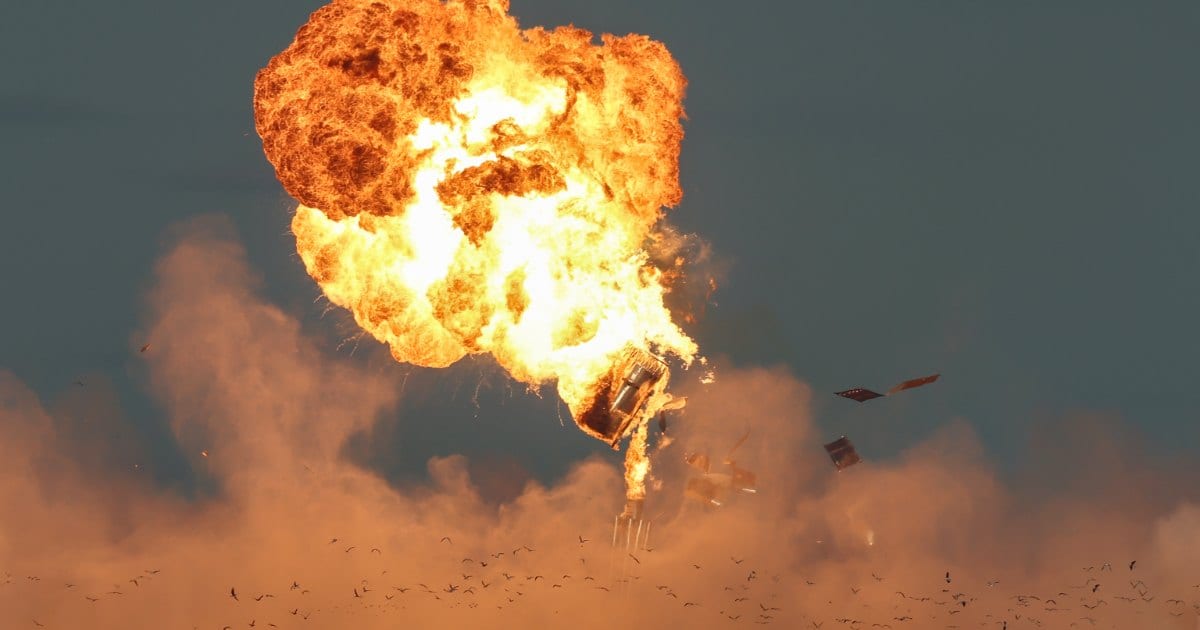
SpaceX had plans to refly an upper stage by early 2027, but it seems another Ship will have to be recovered before it launches again. Besides, the company might also launch Starship’s next mission, targeted for December, from its new launch pad at NASA’s Kennedy Space Center. But before that happens, the Starship team might need to make improvements to the booster, which underperformed on Flight 15. One of its 33 engines couldn’t restart for the boostback burn, which ended early due to low fuel. Moreover, it also faced an issue with the guidance, navigation, and control system that diverted it to an offshore landing zone in the Gulf of America. The flight termination system was triggered as the landing burn came to an end, and the booster exploded just moments before splashdown.
More on Starlust
Starship Flight 15 recap in photos: Best images of the historic mission from Starbase and beyond
'Heavily dependent on SpaceX': Meridian Space CEO talks launch crunch, satellite ownership and more