SpaceX scrubs Starship Flight 13 after failure of Super Heavy engines
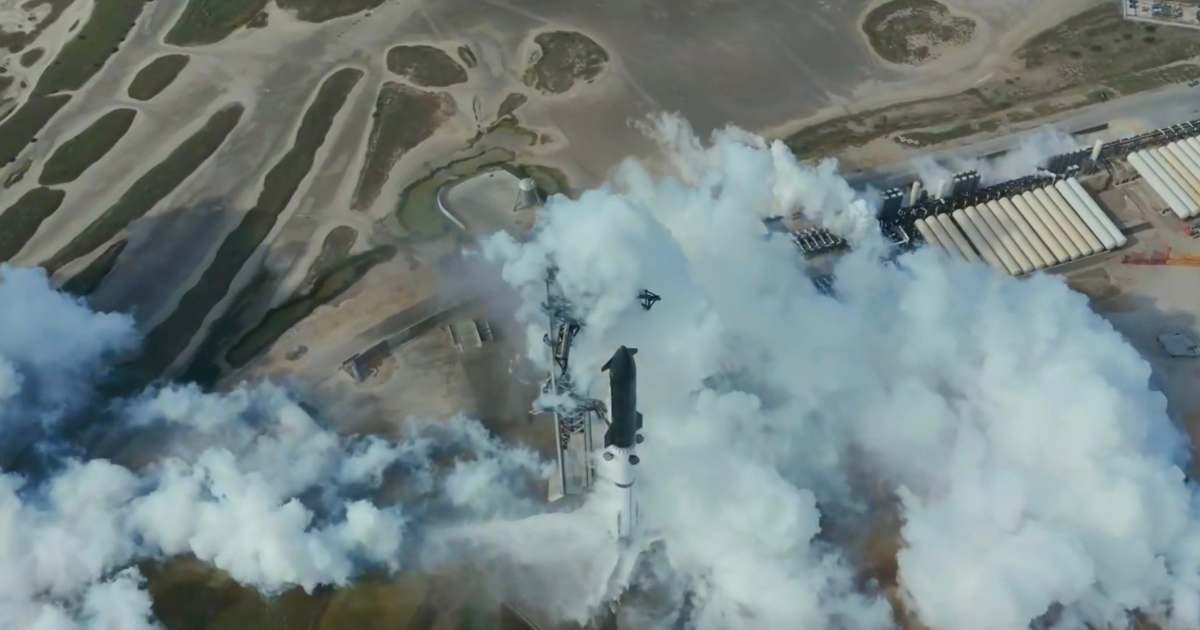
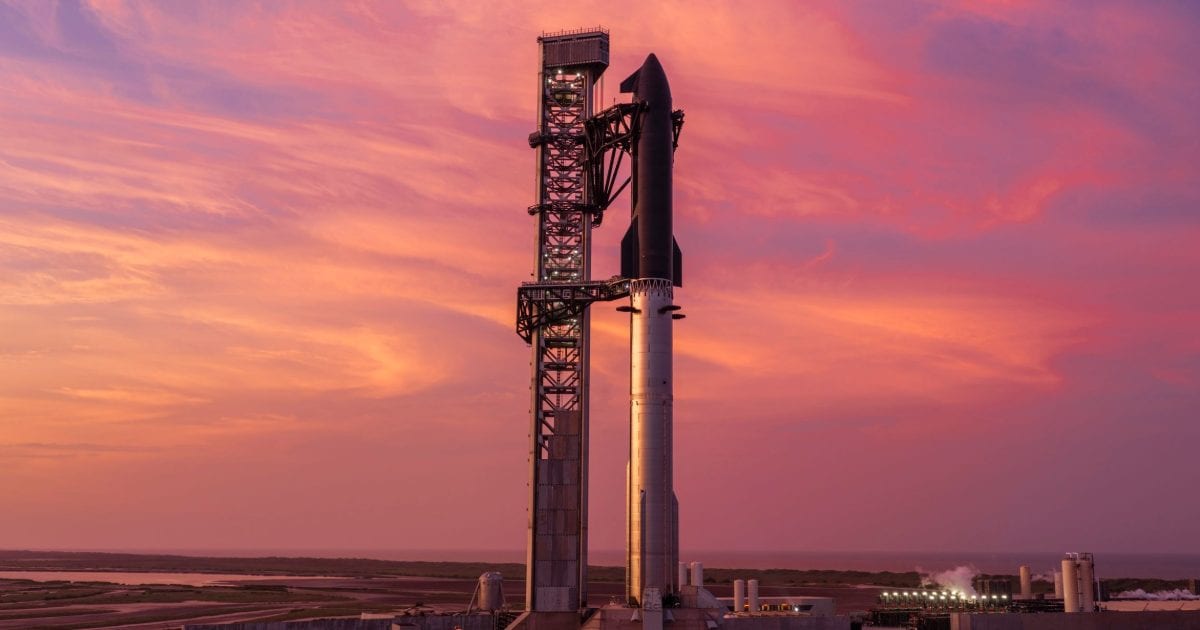
SpaceX had to call off Starship's thirteenth test flight on Thursday, July 16. It was to take off from Pad 2 at the company's facilities in Starbase, Texas, within a 90-minute launch window that began at 5:45 pm CT. Had the launch taken place, it would have been the second flight of the upgraded Version 3 (V3) of the company's flagship space vehicle. Founder and CEO Elon Musk took to X to state the reason for the scrub, adding that the next launch attempt will most likely occur early next week.
Some of the engines didn’t start, triggering an automatic launch abort.
— Elon Musk (@elonmusk) July 16, 2026
Now offloading propellant.
Next launch attempt hopefully in a few days.
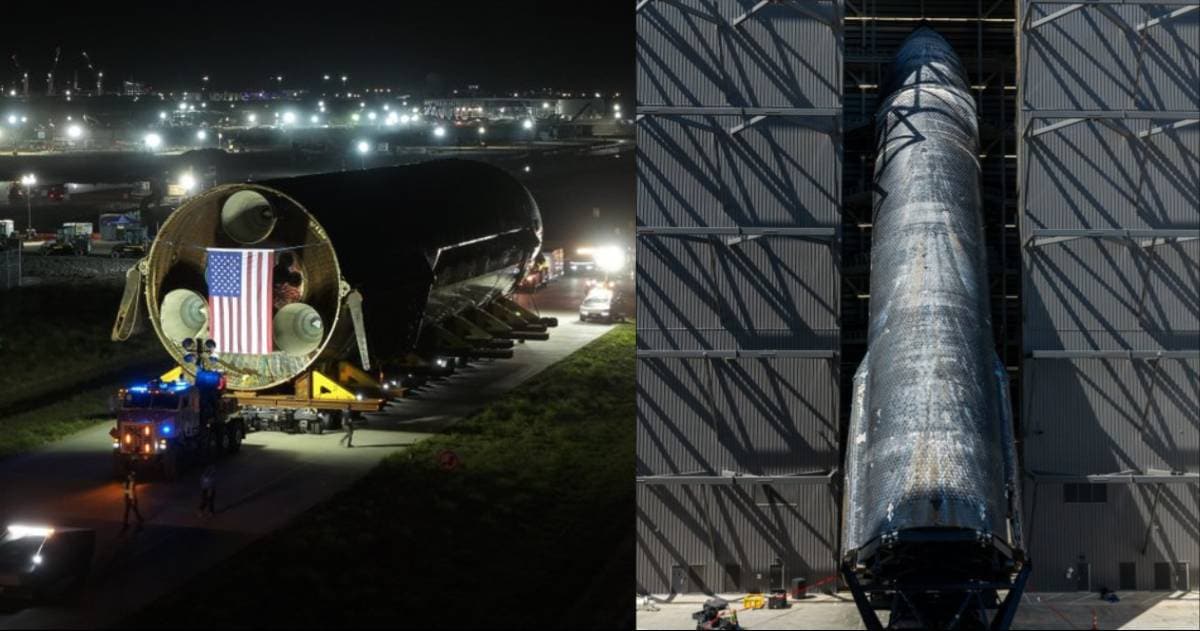
“Some of the engines didn’t start, triggering an automatic launch abort," wrote Musk, adding later that two of the 33 Raptor engines will be replaced ahead of the next launch attempt. These engines are part of the Super Heavy V3 booster, which is the lower stage of the rocket. Work to improve their reliability had gone into the preparation for Flight 13 after five engines on the Super Heavy faced issues while attempting to relight during the boostback burn of the previous flight. All 33 engines had also been put through a full-duration static fire test on July 10.
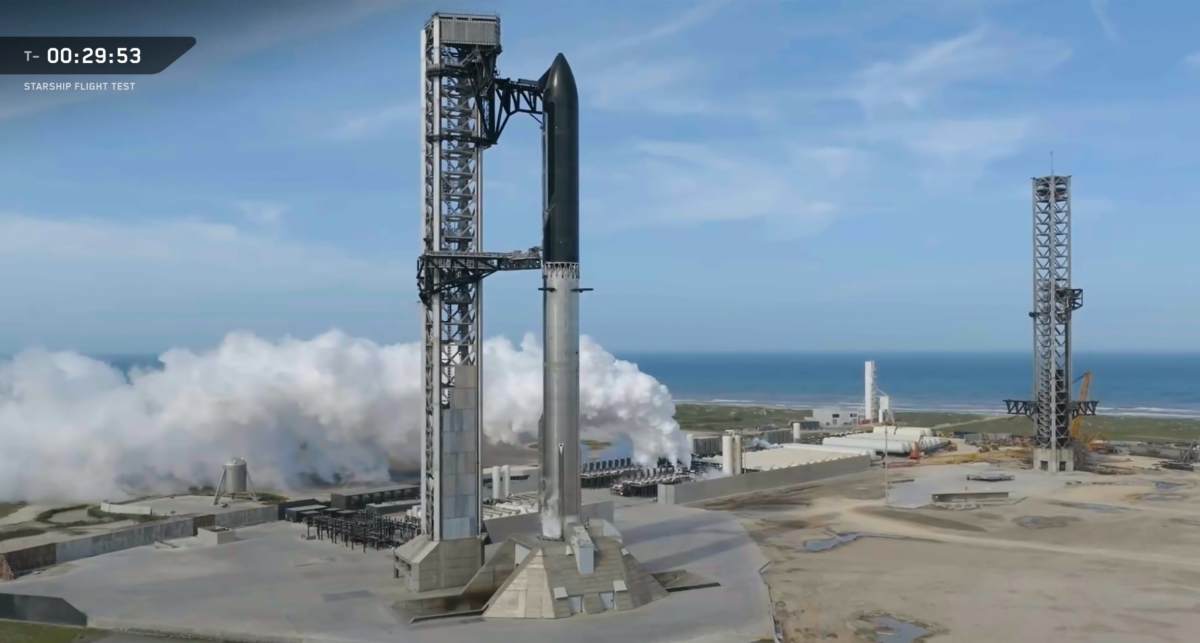
Ship 40, or Flight 13’s Starship upper stage, had also undergone a static fire test last month. While this stage did not have the opportunity to light its engines on Thursday, improvements made to them to address the engine-out issue during the previous flight were also supposed to be tested on Flight 13. Another objective of the flight was to deploy the first V3 Starlink satellites to space. These 20 next-gen satellites were meant to deploy their solar arrays and antennas to attempt to connect with the larger Starlink constellation before falling to their demise around 20 minutes after deployment.
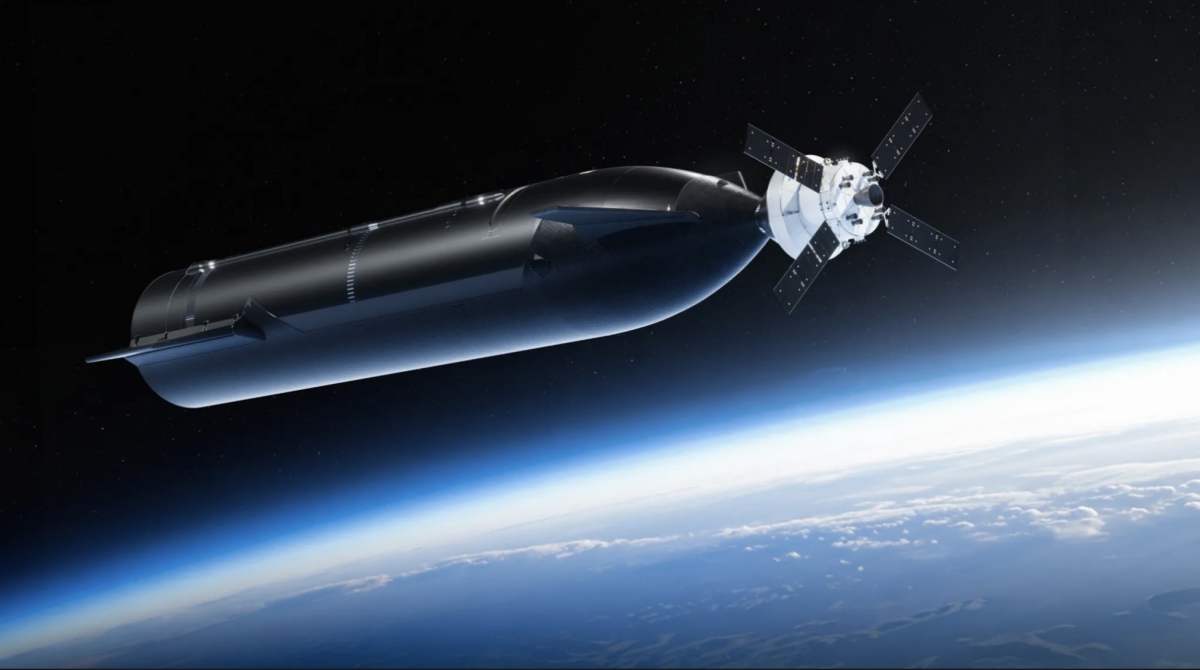
SpaceX considers Starship key to sending frequent flights to the Moon and Mars. In fact, the company must deliver a version of Starship V3 for NASA’s Artemis III mission next year, which is set to be a highly complex low-Earth orbit endeavor involving multiple launches. Starship is also supposed to expand the existing Starlink constellation and establish AI data centers in space. However, the vehicle is yet to make it to orbit.
More on Starlust
SpaceX's Starship V3: Five things we learned from the launch of the most powerful rocket ever built
How is Artemis II SLS rocket different from Apollo era's Saturn V and SpaceX's Starship?