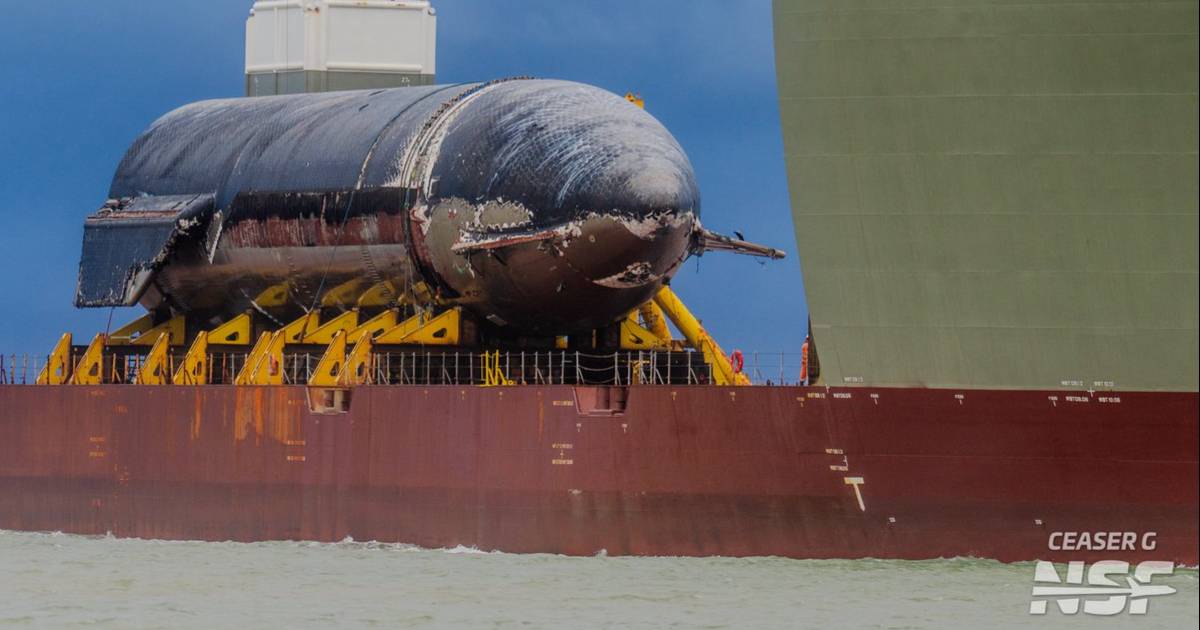
SpaceX Falcon 9 rocket impact crater on the Moon spotted by South Korean orbiter—see first pictures
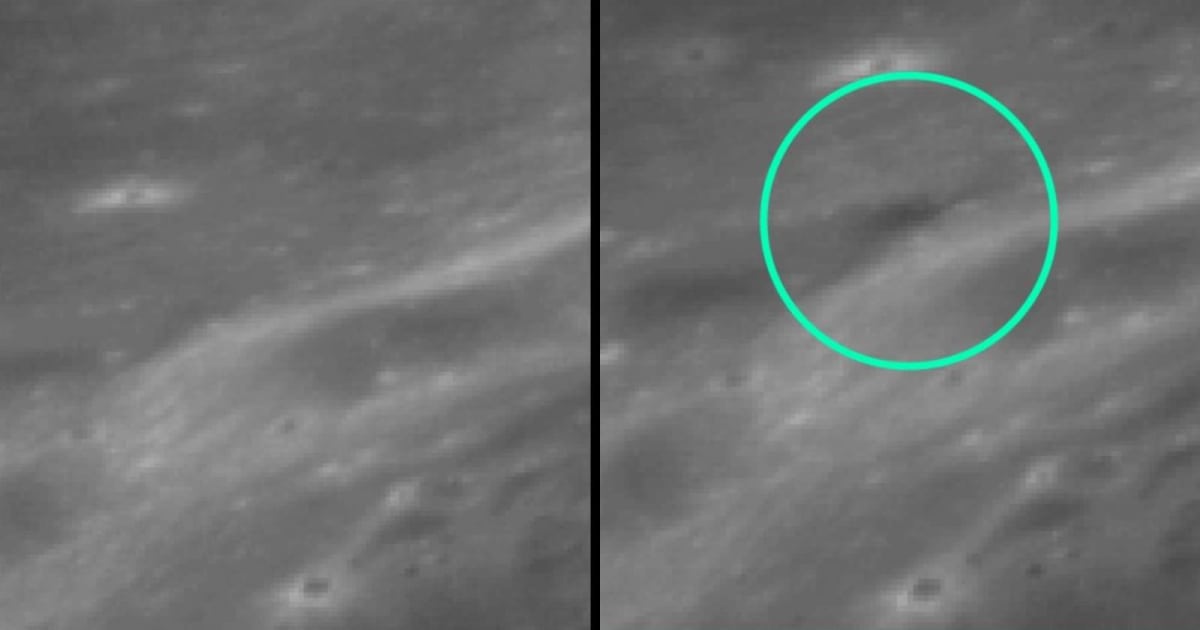
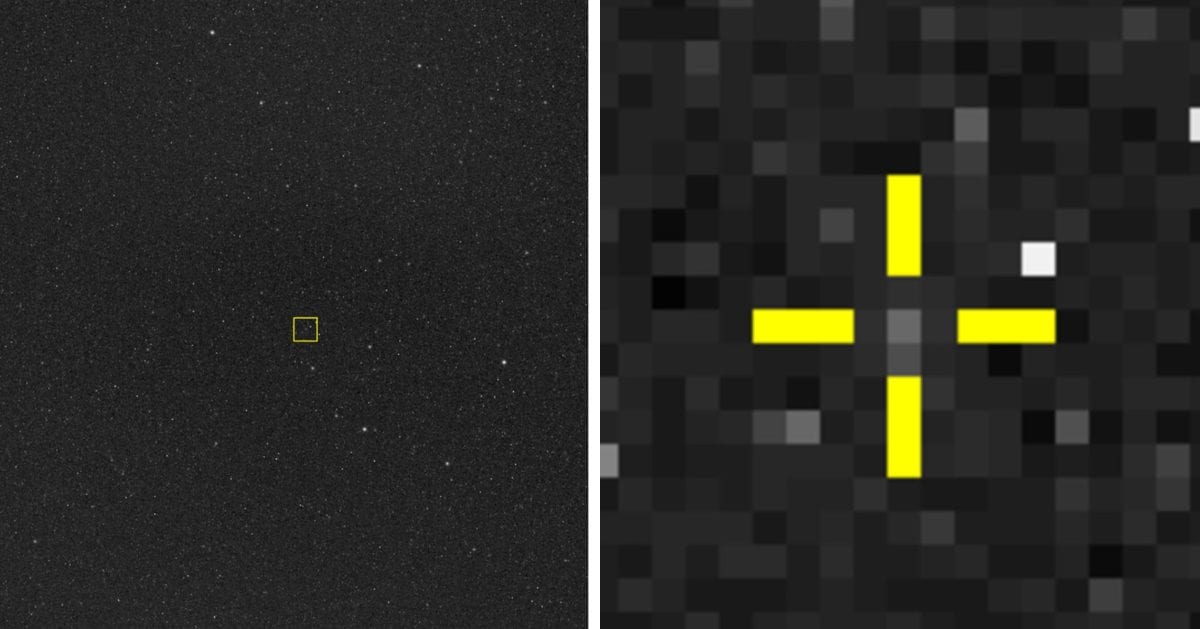
The Korea Aerospace Research Institute (KARI) has released the first pictures of the impact crater on the Moon created by a discarded SpaceX Falcon 9 upper stage on August 5. Captured by the Korea Pathfinder Lunar Orbiter (KPLO), also called Danuri, the images confirm the predicted fate of this rocket debris, which had been adrift in space since January 2025. In a post on X, KARI officials said that the impact occurred at 2:34 am EDT and Danuri began observations about 30 minutes before the collision, conducting a total of 8 imaging sessions by passing over the crash site multiple times.
[다누리, 달 궤도에서 인공물 충돌 전후 포착!]
— 한국항공우주연구원 (@kari2030) August 6, 2026
다누리가 8월 5일, 한국시간 15시 34분에 발생한
스페이스X 팰컨9 로켓 상단부의
달 표면 충돌 전후를 촬영했습니다!
다누리는 충돌 약 30분 전부터 관측을 시작해,
궤도 제어를 통해 충돌 지점 상공을 여러 차례 통과하며
총 8회에 걸쳐 촬영을… pic.twitter.com/qdJ6vXhKqQ
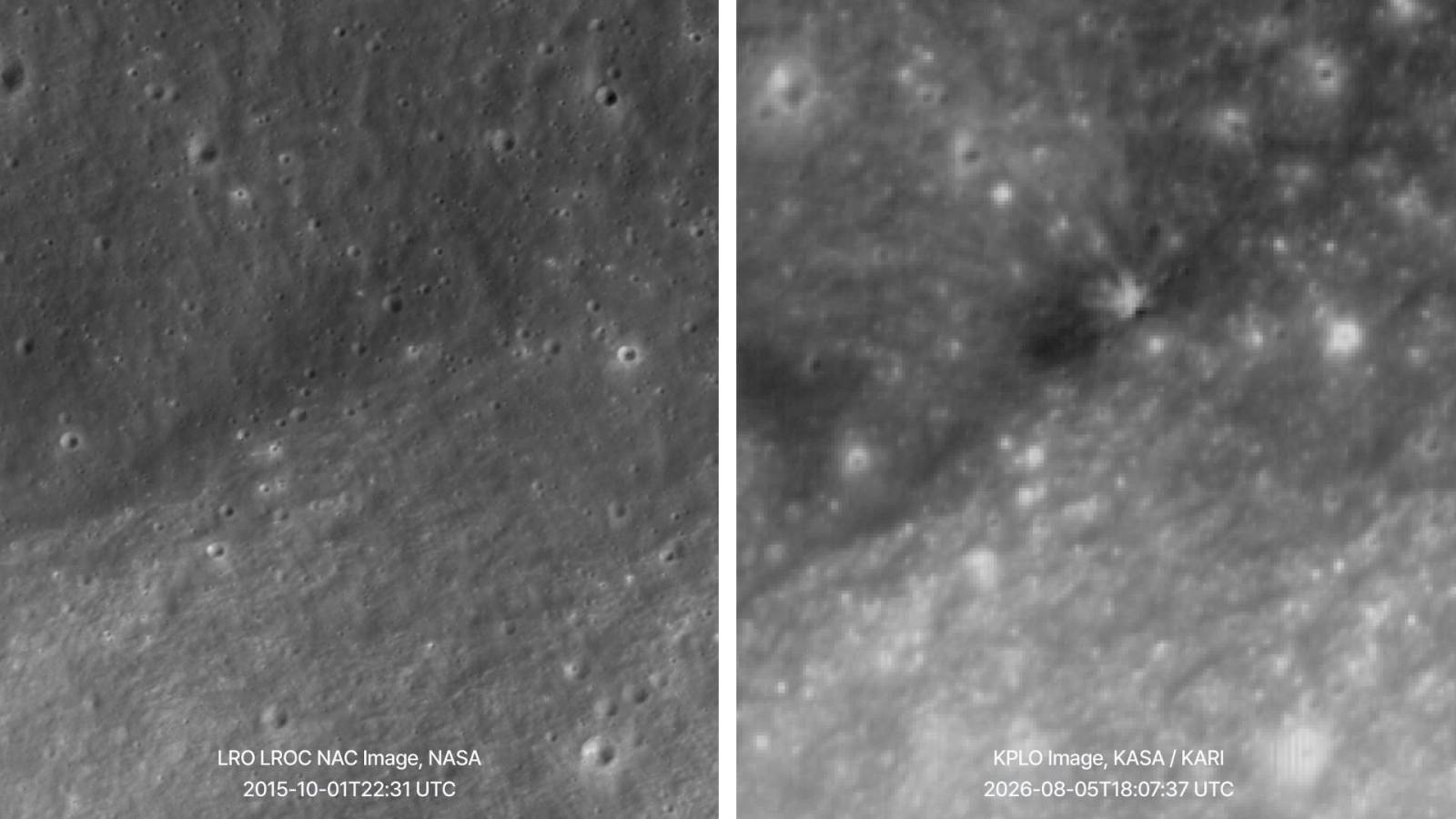
“Through this observation, changes in the terrain around the impact site and traces of ejecta spread were confirmed. Danuri secured both pre-collision and immediate post-collision footage, enabling analysis of changes caused solely by the collision and providing important research data,” the statement read.
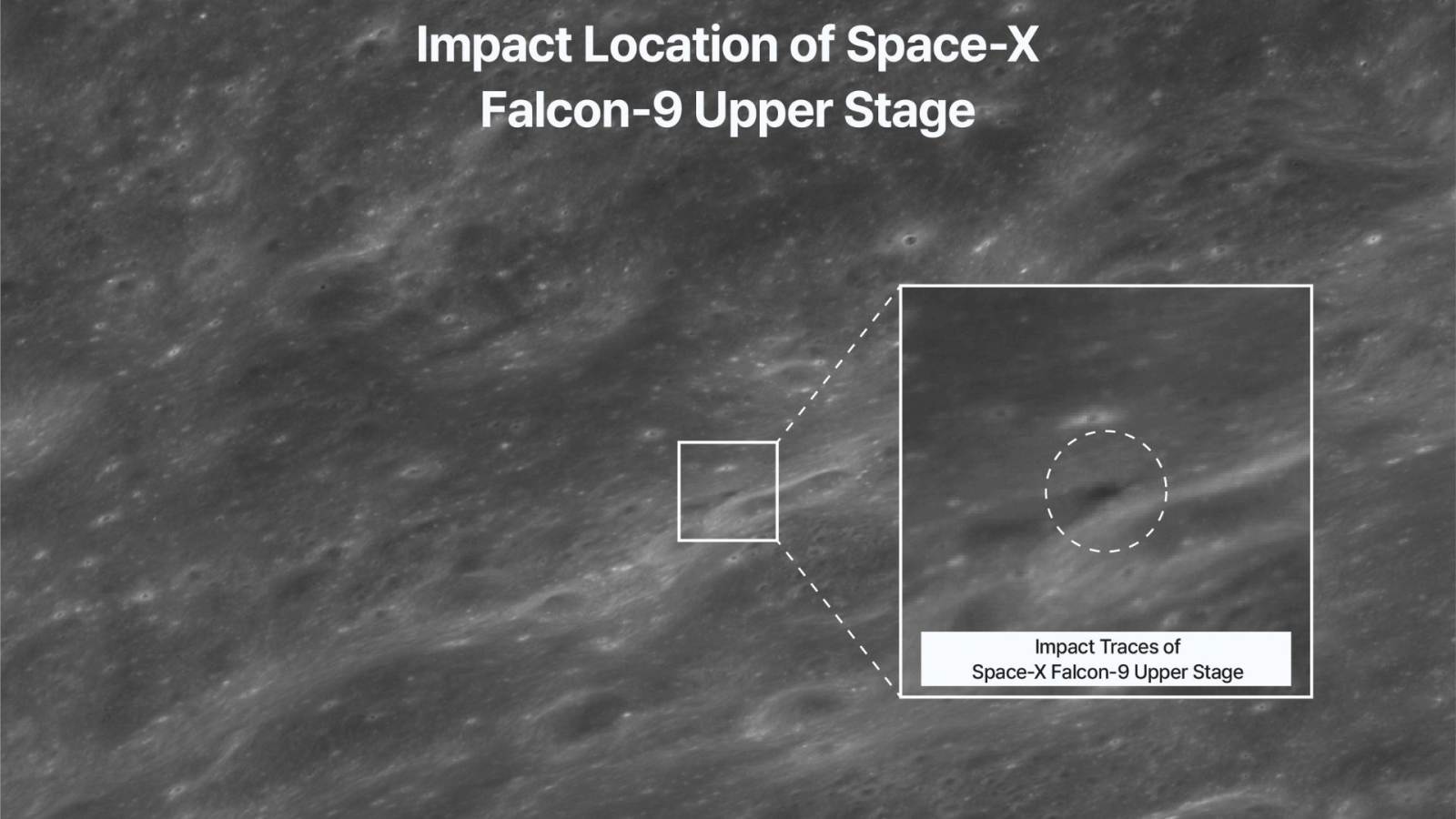
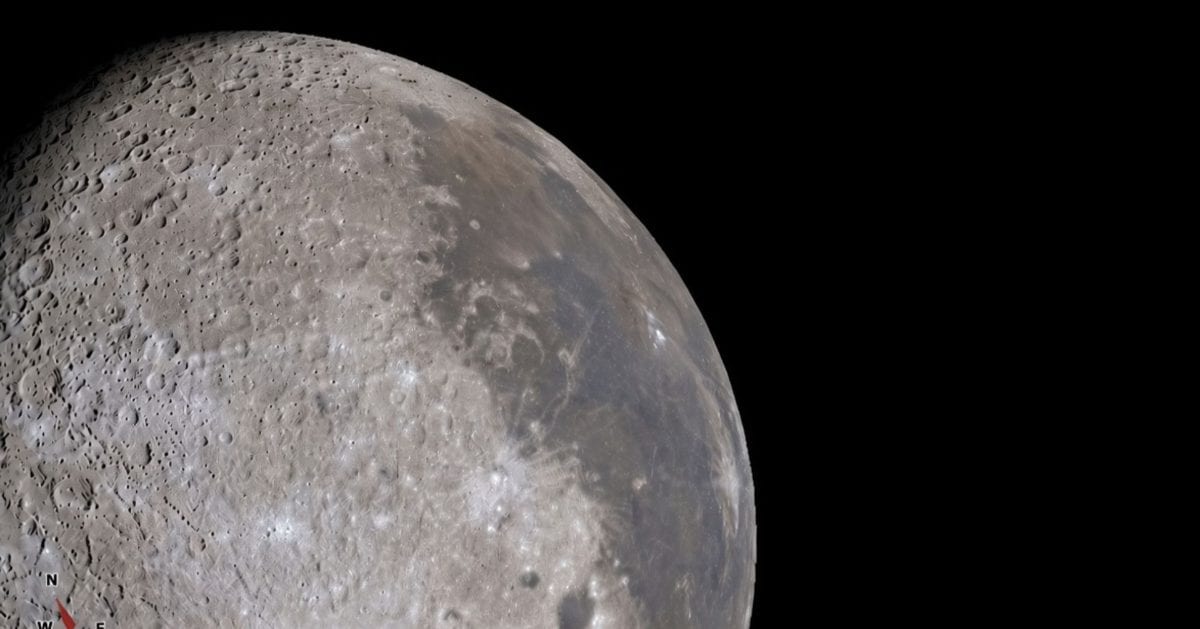
According to KARI, observations by Danuri will be complemented with those from NASA’s Lunar Reconnaissance Orbiter (LRO) to study more about the impact and the crater it formed. The 'after impact' images by Danuri clearly show dark patches on the surface when compared to the 'before impact' photos, confirming the crash which was predicted to occur near the Einstein crater on the Moon’s western limb of the Earth-facing side. The Korean scientists also used LRO images from 2015 to compare surface changes from yesterday’s impact.
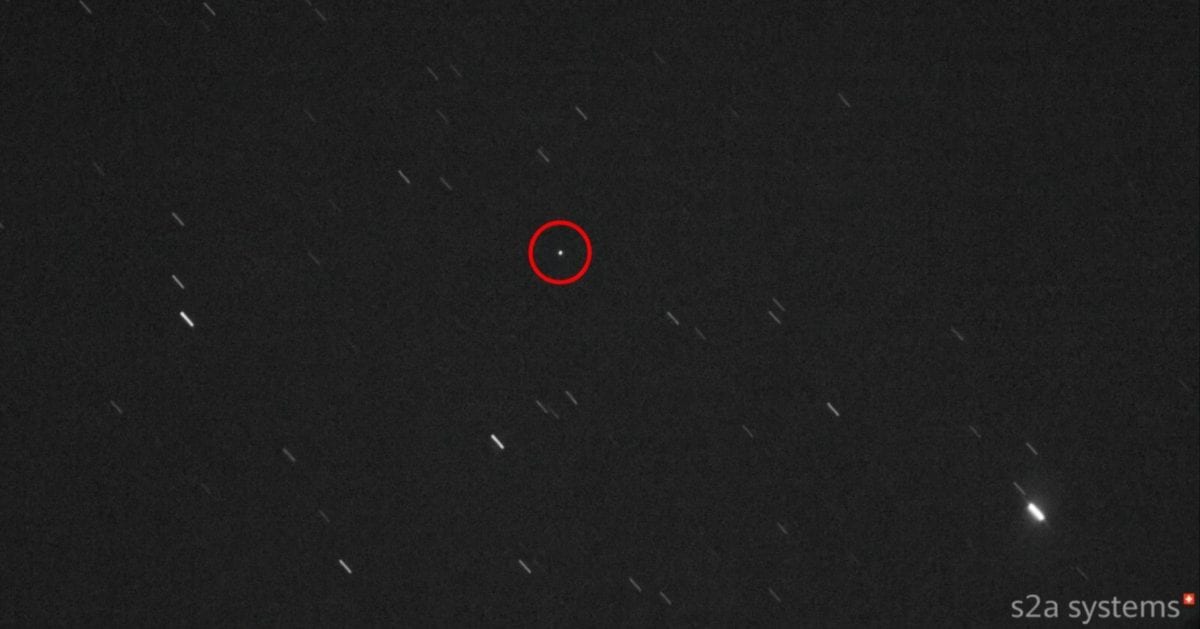
A few hours after impact, the European Southern Observatory (ESO) had also presented evidence that the rocket stage had unintentionally hit the Moon. It said that scientists using the Very Large Telescope detected sodium and lithium gas in lunar material kicked up by the 8,800-pound (4,000-kilogram) debris, which was estimated to crash at 5,400 miles per hour. According to ESO, the ejected plume lasted for 5-10 minutes after impact and the sodium in it likely originated from the lunar soil; the lithium gas could be from the rocket.
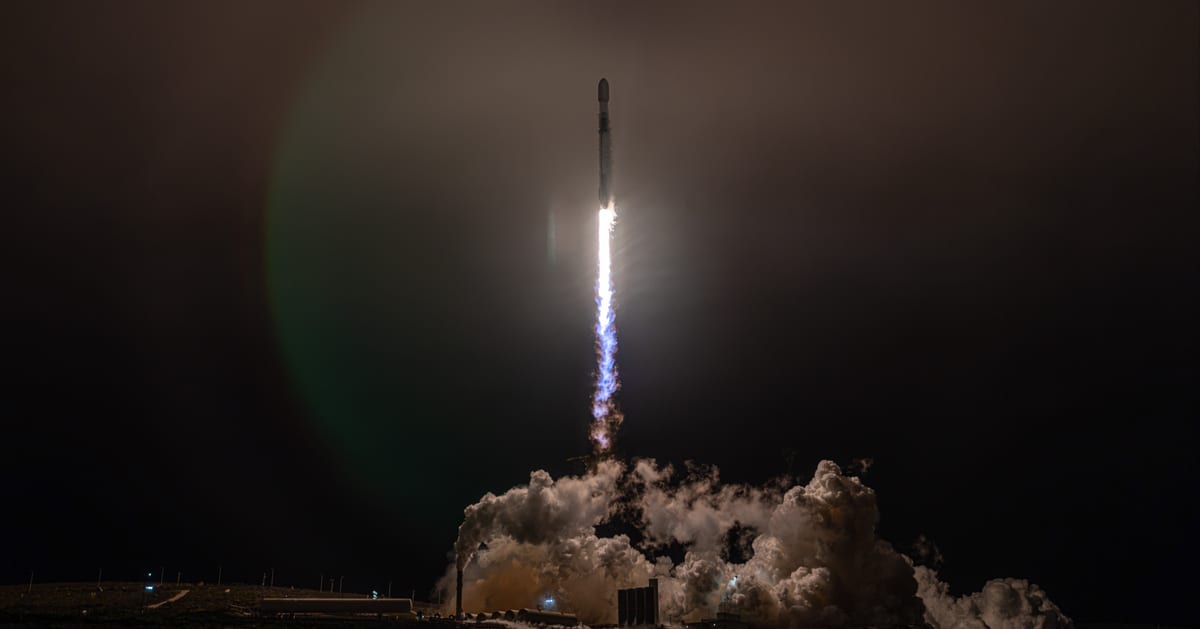
The rocket stage belonged to the Falcon 9 that launched two private Moon landers in January 2025. In a statement released yesterday, SpaceX said that solar activity and gravity pushed the stage on a collision course with the Moon after it exhausted its fuel in deploying the landers on a lunar trajectory.
On January 15, 2025, Falcon 9 successfully deployed Firefly Aerospace’s Blue Ghost Mission 1 and ispace’s RESILIENCE lunar landers on a trajectory to the Moon from pad 39A in Florida.
— SpaceX (@SpaceX) August 5, 2026
For most of our missions, we plan a controlled deorbit of the Falcon second stage so it safely… pic.twitter.com/SVkYSnEsi7
“For higher energy missions like those to a lunar transfer orbit, nearly all performance on the vehicle is devoted to successfully placing the payload in the intended orbit, and a controlled disposal maneuver is not always possible,” SpaceX said, explaining the reason for the impact. NASA, on the other hand, dismissed concerns of danger to Earth and the Moon due to this event, with Administrator Jared Isaacman saying meteoroid impacts of this scale occur on the Moon roughly every six days.
More on Starlust:
SpaceX planning to catch Starship upper stage, deploy Starlink V3 satellites into orbit this month