Starship Flight 13 slated for launch on July 16 as SpaceX looks to fix past problems
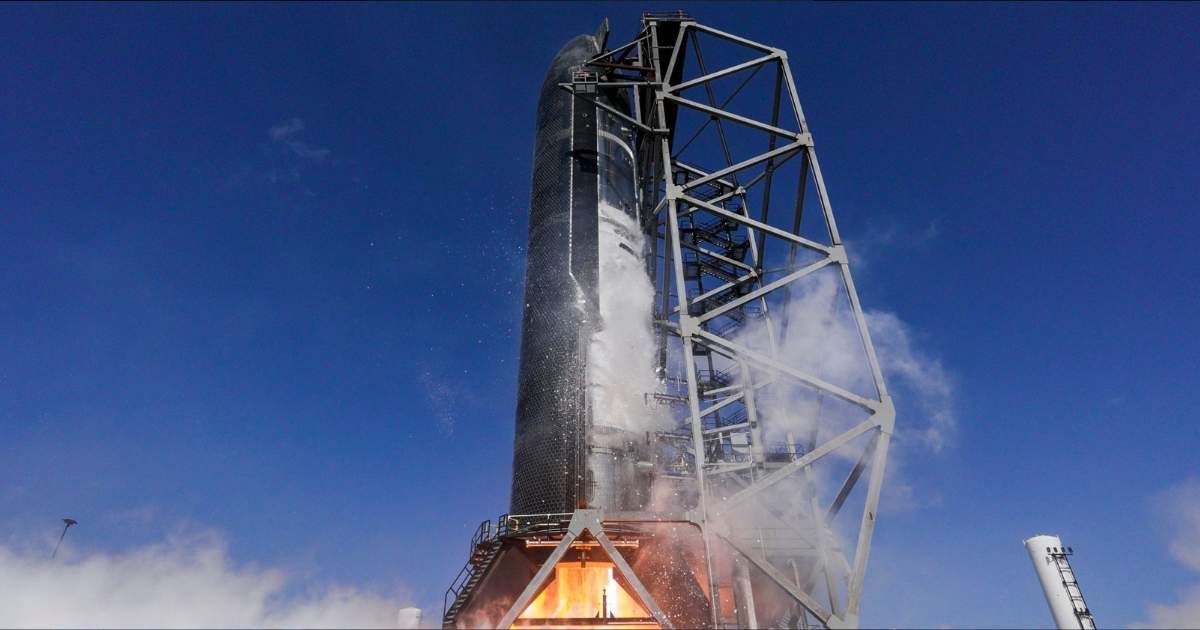
SpaceX looks all set to conduct the second flight of the upgraded third version of its Starship on July 16, 2026, which will also be the thirteenth overall flight of the company's flagship vehicle. The launch will take place during the evening hours from Starbase - the company's Boca Chica-based launch facility in Texas - with a 90-minute window opening at 5:45 pm CDT. While Starship Flight 13 will have distinct aims of its own by carrying twenty Starlink V3 satellites for the first time on board, the company's statement released over the weekend stressed that this will be a test flight, with the objective of perfecting the same maneuvers from earlier. This follows on from a static fire test of the Starship Ship 40 performed at Starbase last month, as well as that of Super Heavy.
Starship’s thirteenth flight test is preparing to launch as early as Thursday, July 16 → https://t.co/Rp7VwBzpWx pic.twitter.com/jdpFlQUEpF
— SpaceX (@SpaceX) July 11, 2026
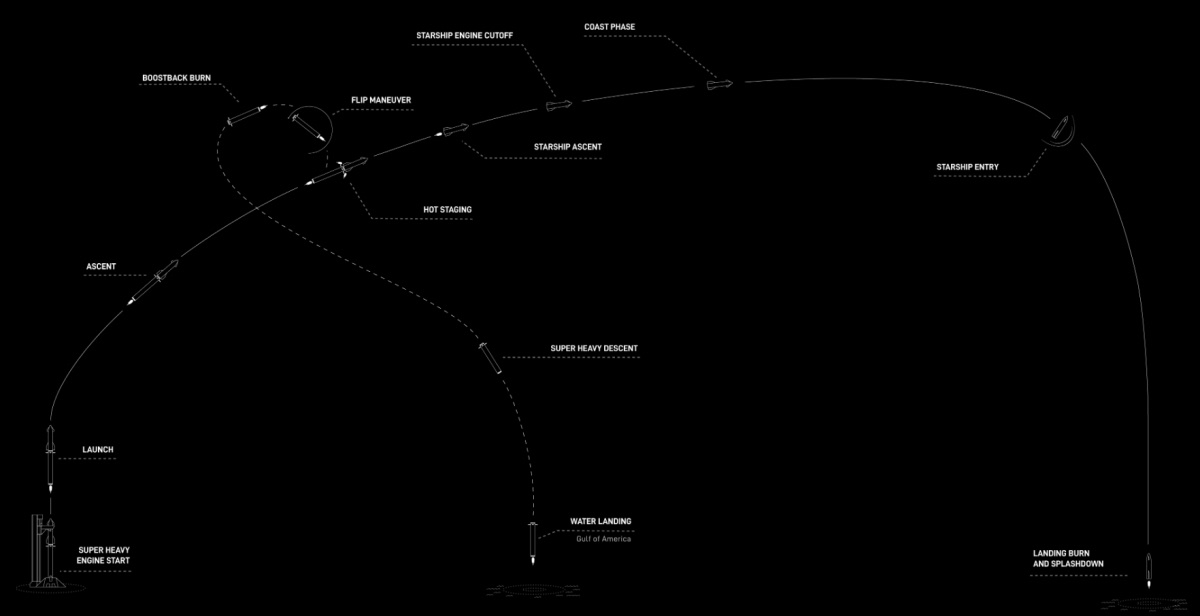
As with Flight 12, the objectives and flight trajectory of both the Super Heavy booster and Starship upper stage will be to perform their respective maneuvers during a sub-orbital flight. Overall, Flight 13 will last a little over an hour after liftoff from Pad 2, SpaceX's dedicated Starship launch facility at Starbase. Less than seven minutes after launch, the Super Heavy will splash down in the Gulf of America after a flip maneuver post hot-staging (when Starship and Super Heavy separate). Even though the booster will be expended, SpaceX intends to perform a controlled descent mimicking the upright landing in future Starship flights. The upper stage will relight its Raptor engine in space, with another controlled splashdown in the Indian Ocean to follow.
During the previous flight, one of Starship's three Raptor vacuum engines had failed about 40 seconds after hot staging. Even though this showed the vehicle's operability despite the loss of an engine, it wasn't ideal. This is why a few modifications from Ship 39 (Flight 12's upper stage) have been made, which are both hardware-related and operational. The aft skirt of Starship has also been covered with modified heatshield tiles in a variety of attachment options so as to understand the effectiveness of each attachment mechanism. This heatshield is also laced with load-sensing tiles that will give engineers data to work with—especially just under a minute into the flight when Starship experiences Max Q, which is the moment when the vehicle experiences maximum aerodynamic stress.
Since the upper stage is also destined to be expended, the heat shield's performance will be visually studied as well with the help of cameras that have been integrated into six of the Starlink V3 satellites Starship will carry. These are also meant as part of a test to see which methods of making sure the heat shield is intact work best. The cameras on board the latest iteration of Starlink satellites will be able to lock on to tiles that have been painted white—a measure for the simulation of missing tiles. The satellites will also try to connect to the existing Starlink constellation via high-capacity lasers, aided by their antennas and solar arrays. According to SpaceX, these Starlink V3s will not enter orbit and will follow Starship into the atmosphere before most likely burning up.
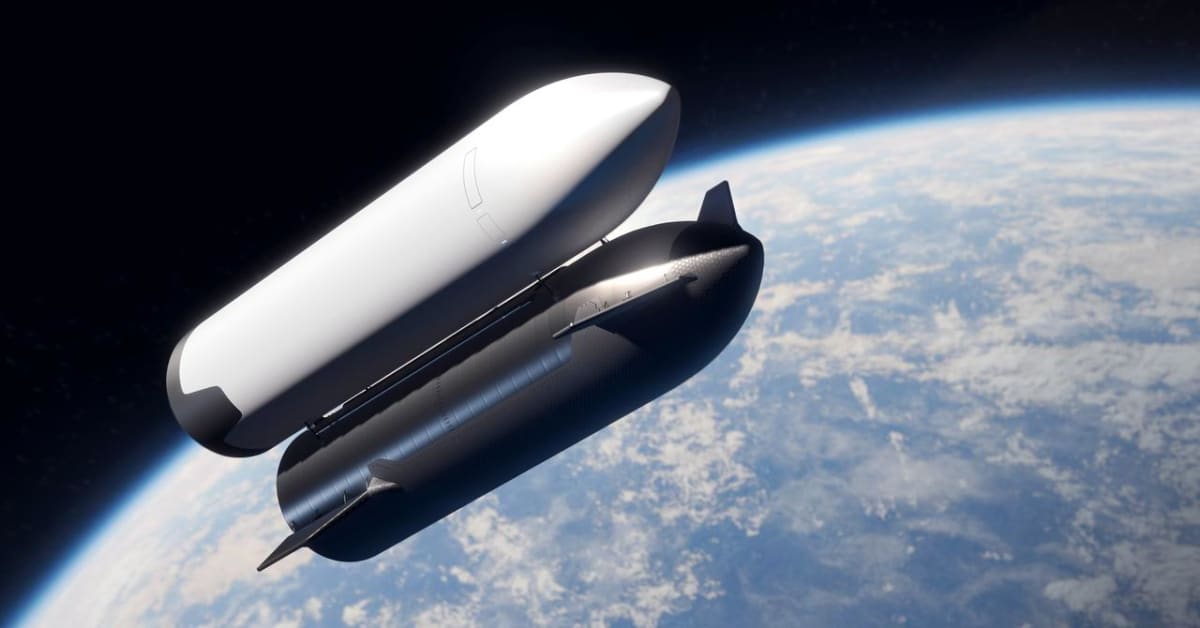
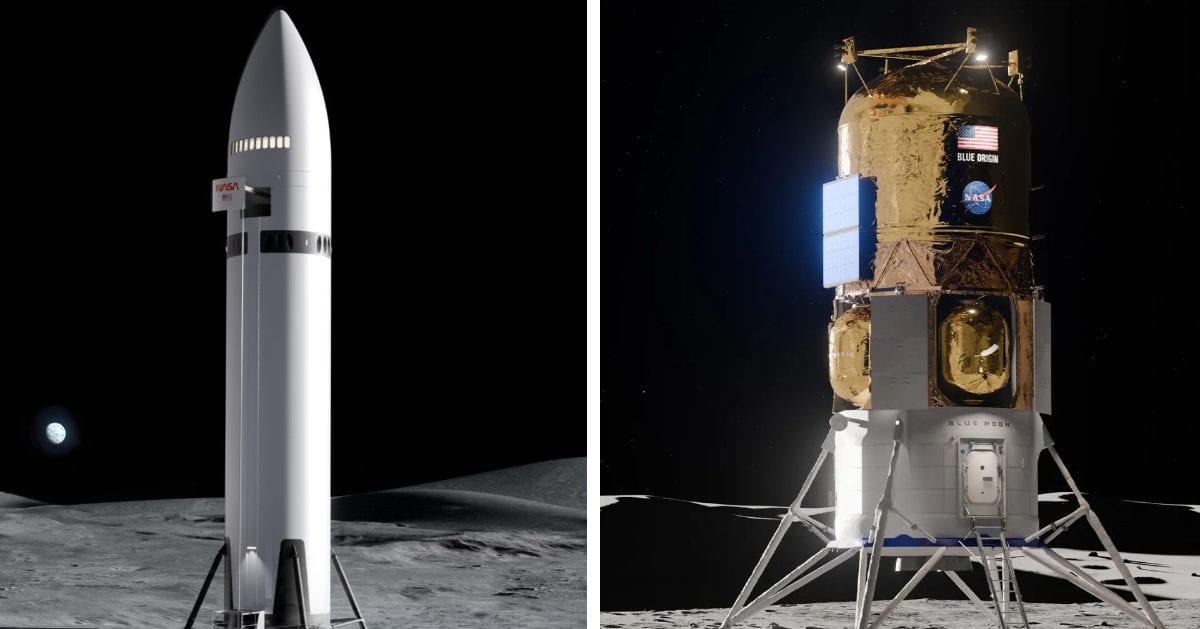
As for the Super Heavy booster, the improvements for this flight include a more reliable startup sequence of engines and updates to engine alarm and abort systems so as to allow the lower stage to perform its flip maneuver. During Flight 12's hot staging just over 2 minutes into the flight, slight differences in engine startup on the Starship upper stage caused the booster's directional flip to be off by about 90 degrees. After the flip, five of the booster's 33 Raptor engines failed to relight, ending the boostback burn early. The Super Heavy ended up splashing down uncontrollably, which was one of the reasons why the Federal Aviation Administration grounded Starship and Super Heavy. However, with the FAA's go-ahead, SpaceX will hope for a monthly cadence of Starship flight tests moving forward before establishing orbital operations before the end of the year, as stated by COO Gwynne Shotwell. SpaceX is also working in tandem with NASA to get a variant of Starship ready for the agency's Artemis III mission next year.
More on Starlust:
SpaceX's Starship V3: Five things we learned from the launch of the most powerful rocket ever built
How is Artemis II SLS rocket different from Apollo era's Saturn V and SpaceX's Starship?