How is Artemis II SLS rocket different from Apollo era's Saturn V and SpaceX's Starship?
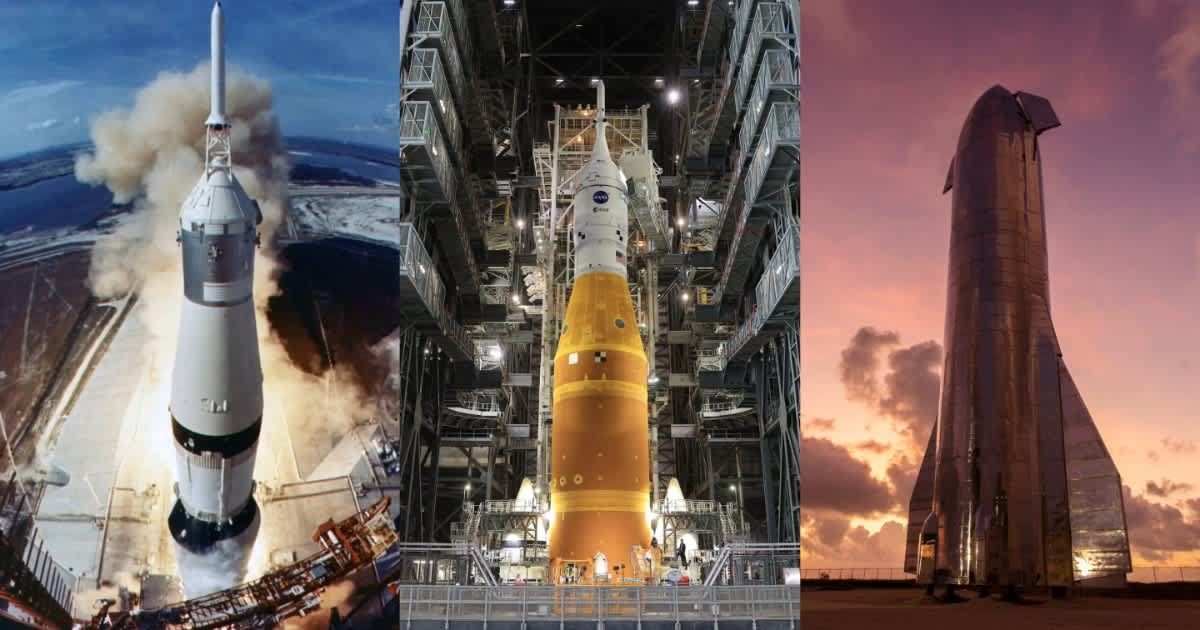
On April 1, 2026, NASA’s Space Launch System (SLS) rocket is all set to lift off with the Artemis II crew aboard the Orion spacecraft. It’s been more than 50 years since humans last flew around the Moon and a lot has changed about spaceflight and technology. So, just how different is the Artemis program’s SLS launch vehicle compared to its Apollo era counterpart, Saturn V? And how do these fare against the fully reusable Starship by SpaceX? All three super-heavy-lift rockets were built for deep space missions, but there’s a lot that separates them.

Size and scale
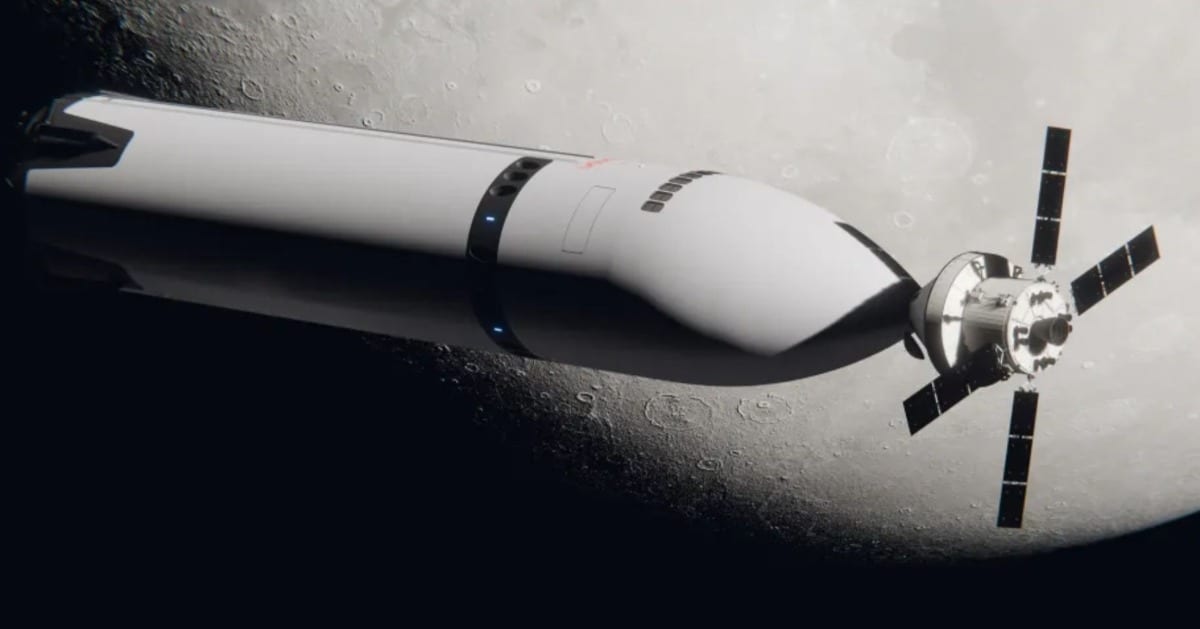
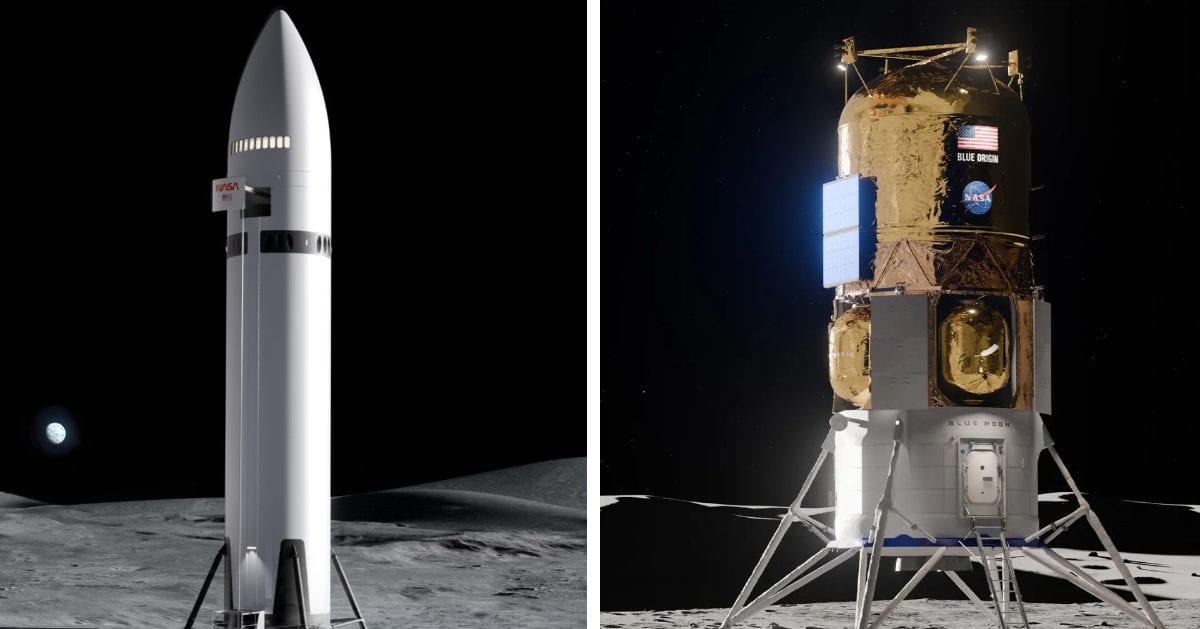
From sheer size alone, Starship is a different beast from both the SLS and Saturn V. The fact that it’s the tallest and the heaviest is a clear sign of its payload ambition. The SLS, meanwhile, is the shortest of the three. The Apollo launch vehicle featured three stages, while both the SLS and the Starship have two stages each.
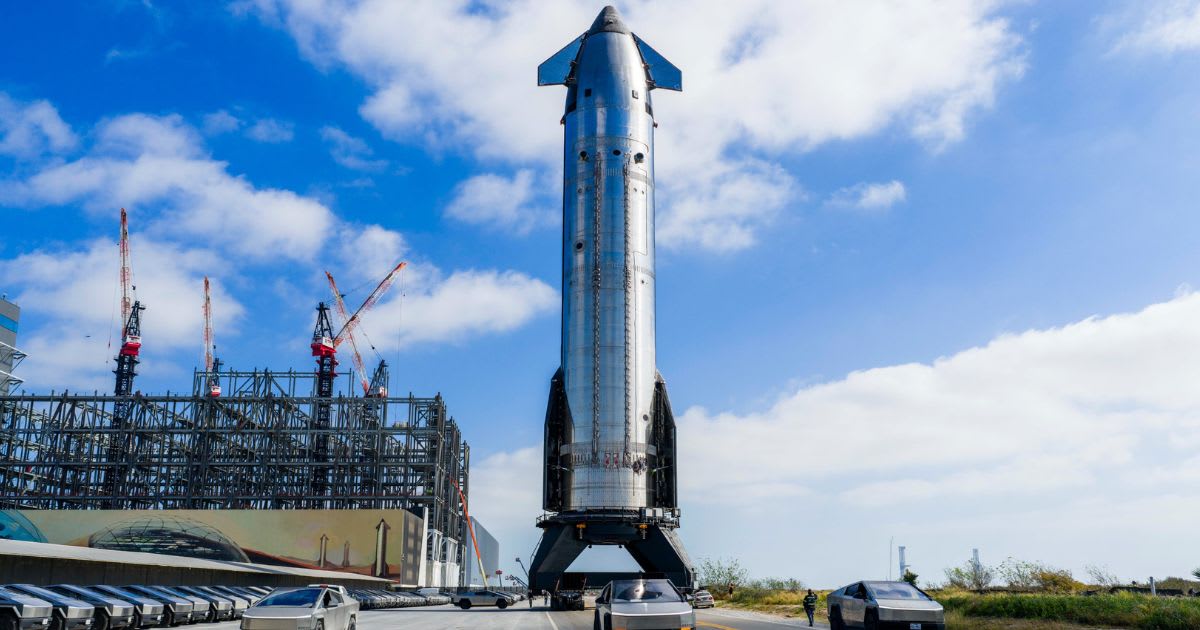
- Height: 363 ft (Saturn V) vs 322 ft (SLS) vs 403 ft (Starship V2)/408 ft (Starship V3)
- Weight (during liftoff): 6.2 million lbs (Saturn V) vs 5.75 million lbs (SLS) vs ~11 million lbs (Starship)
- Diameter: 33 ft (Saturn V) vs 27.6 ft (SLS) vs 29.5 ft (Starship)
Power and performance
In terms of power too, Starship’s specs overshadow both the SLS and Saturn V. The Starship V3 uses 33 Raptor engines as opposed to the five F-1 engines in Saturn V. On the other hand, the SLS uses four RS-25 engines and two solid rocket boosters.
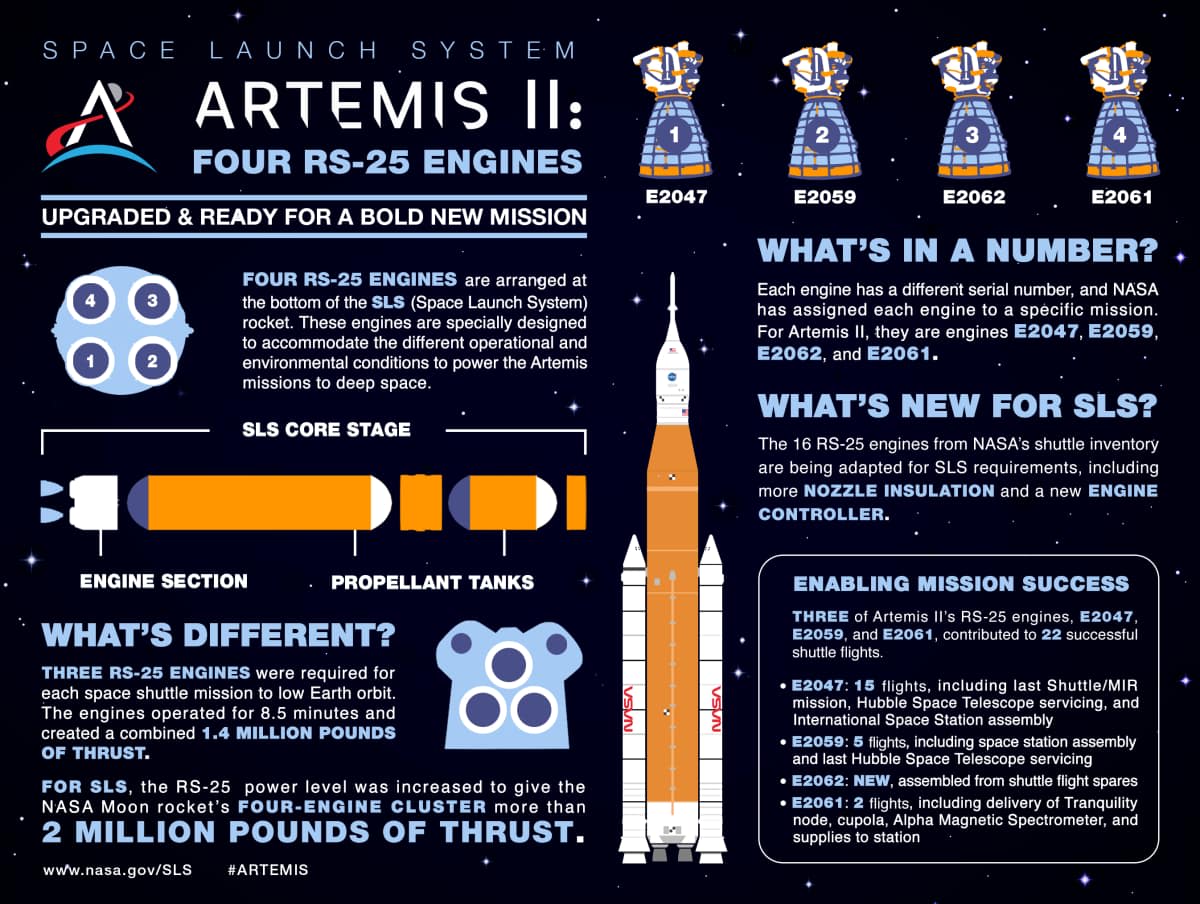
- Engines (main propulsion): 5 F-1 (Saturn V) vs 4 RS-25 + 2 solid boosters (SLS) vs 33 Raptor (Starship)
- Thrust (during liftoff): 7.6 million lbf (Saturn V) vs 8.8 million lbf (SLS) vs ~16.7 million lbf (Starship)
- Payload to trans-lunar injection: 50 tons (Saturn V) vs 27 tons (SLS Block 1) vs total payload capacity of about 250 tons (Starship)
Crew capacity and history
The crew capsules on both the Saturn V and SLS share the familiar cone shape, but the latter comes with a crew capacity of four compared to the former's three, in addition to advanced avionics, life, support, and power systems. Here too, Starship is a class apart, with SpaceX claiming that it can carry up to 100 people on long-duration missions.
To return Americans to the Moon, NASA is shifting to an iterative, execution-focused approach – just as we did during Apollo.
— NASA Administrator Jared Isaacman (@NASAAdmin) March 24, 2026
We are standardizing rocket architecture, embedding NASA expertise across industry, and increasing launch cadence to support sustained lunar operations.…
- Crew capsule: Apollo CSM (Saturn V) vs Orion (SLS) vs Starship (same name as the fully integrated system)
- Launch history: 13 (Saturn V) vs 1 (SLS) vs multiple test flights, no operational missions yet (Starship)
Correction in the article published on March 30, 2026: In the crew capacity, it was written three for SLS, whereas it is four. The correction has been made and is reflecting now.
More on Starlust
SpaceX conducts first Starship V3 static fire test in preparation for April test flight
All hands on deck: The international collaboration behind Artemis II's SLS rocket and Orion capsule