Blue Origin’s CEO reveals what went wrong during hotfire test that caused New Glenn explosion in May

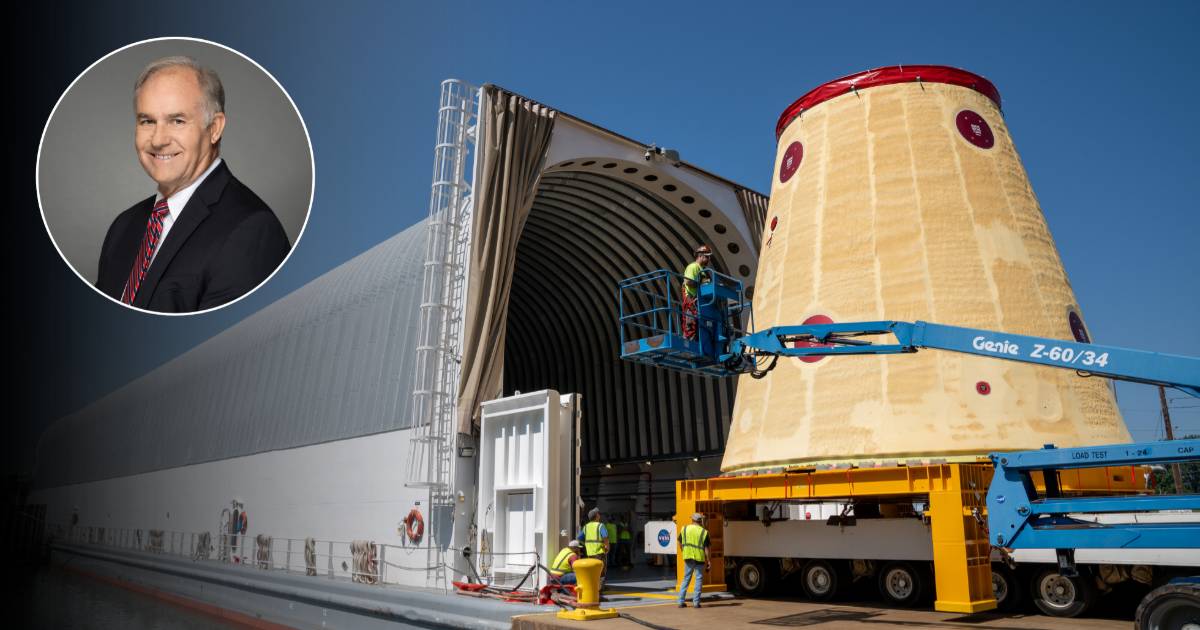
Blue Origin's CEO, Dave Limp, announced on Thursday that investigators have traced the origin of the anomaly that resulted in the New Glenn hotfire test explosion on May 28, 2026. In a post on X, he said that the anomaly originated at the main oxygen valve on one of the rocket's BE-4 engines. He also stated that the investigation is underway and that the valve is being modified for the existing engines to avoid such incidents in the future.
Wanted to give an update on the hotfire anomaly investigation. Progress continues. The anomaly originated at the main oxygen valve on one of the BE-4 engines, which was later confirmed by hardware recovery and inspections. Extensive component-level and engine hotfire tests have…
— Dave Limp (@davill) August 5, 2026
“Wanted to give an update on the hotfire anomaly investigation. Progress continues. The anomaly originated at the main oxygen valve on one of the BE-4 engines, which was later confirmed by hardware recovery and inspections,” Limp posted on X.

“Extensive component-level and engine hotfire tests have been conducted to understand the failure mode better and inform mitigations. The path forward is clear. We're making small modifications to the valve that can be quickly retrofitted to existing engines. We’re manufacturing the updated hardware, which will be ready by the end of this month. In parallel, we're working through the remaining fault tree analysis,” he further wrote. Reacting to Limp’s post, Blue Origin rival SpaceX’s founder and CEO Elon Musk sent his best wishes, saying, “Hope you get back to flying soon.”
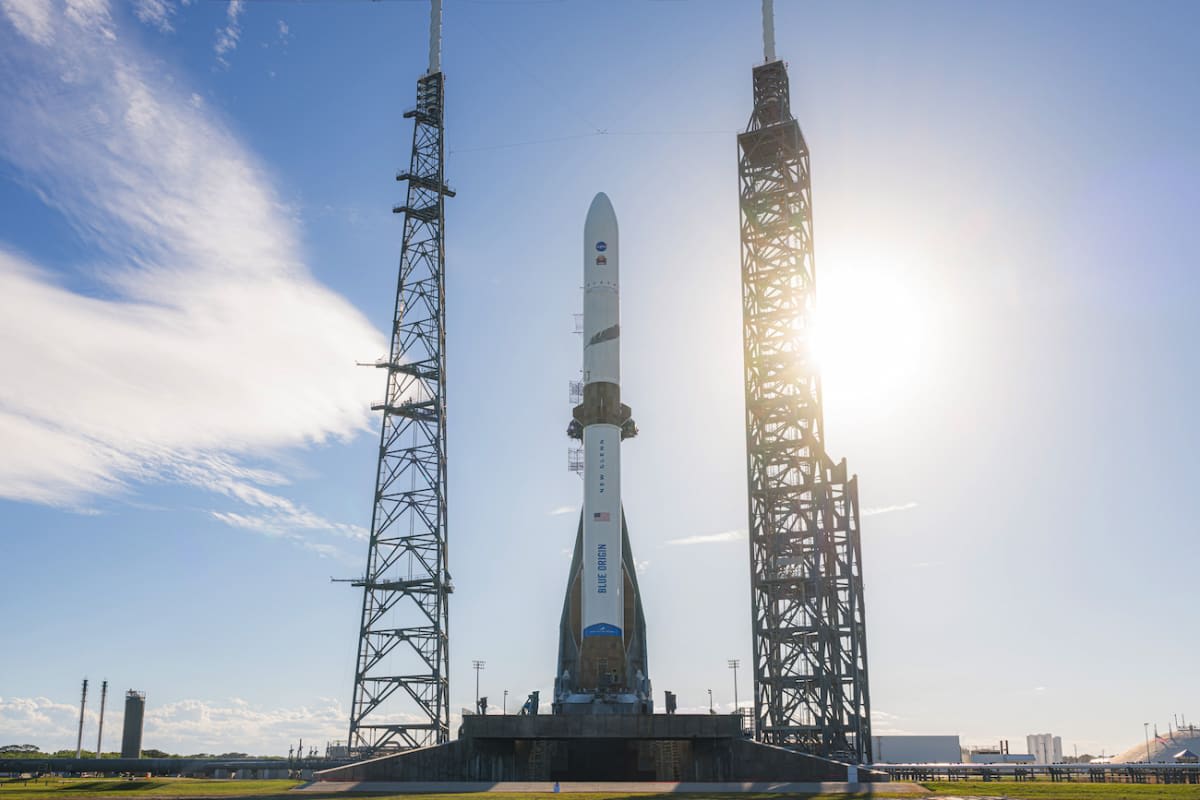
Blue Origin is planning to launch New Glenn again later this year. Fortunately for the company, the pad didn’t suffer significant damage after the explosion. In an update on June 2, Limp had said that the propellant farm, oxygen, liquid hydrogen, and LNG tanks, along with the water tower, were in good shape. “The big support tower is damaged, but it can be repaired in place rather than torn down and replaced,” he had added. He also revealed that engineers are not rebuilding the same pad but are working towards horizontal/vertical hybrid CONOPS (concept of operations). This means that the two stages will be mated horizontally, and the payload will be mounted using a crane once the integrated rocket is vertical.
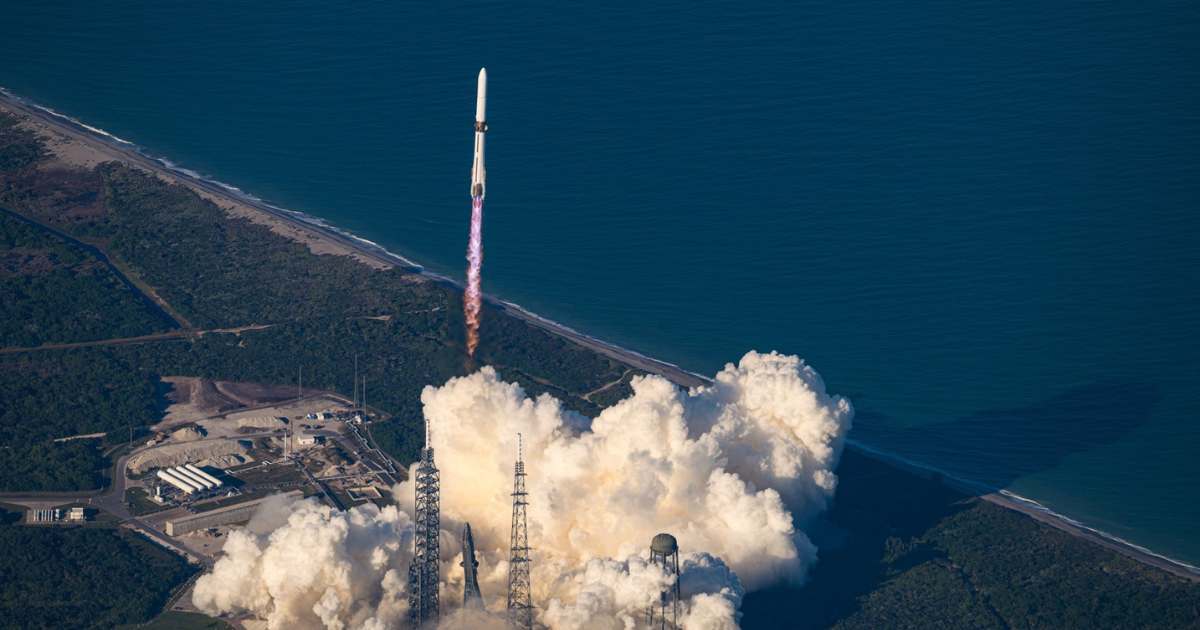
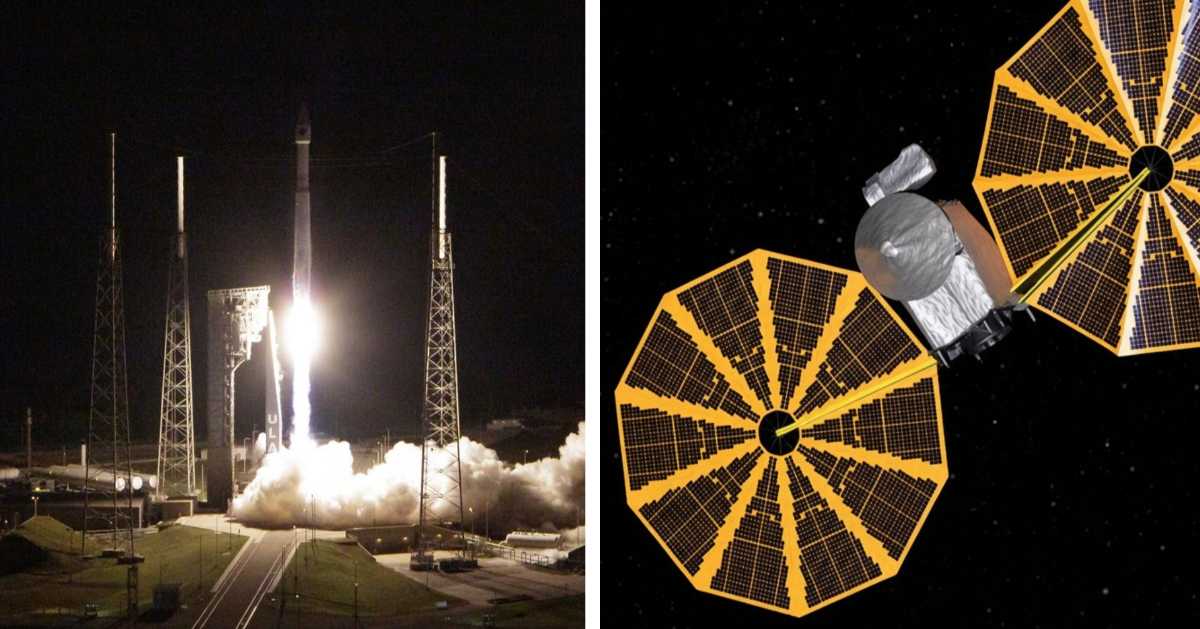
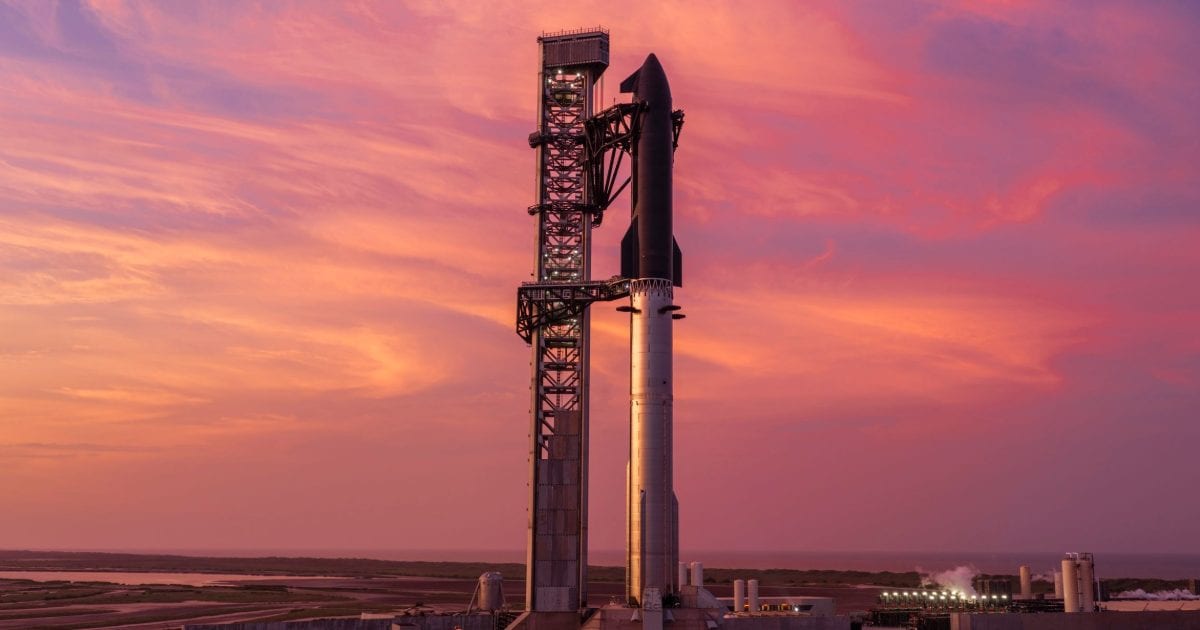
The explosion took place at Launch Complex 36 (LC-36) in Cape Canaveral Space Force Station, Florida. This was when the rocket was being prepared for its fourth flight to launch 48 Amazon Leo satellites into low-Earth orbit. Standing more than 320 feet (98 m) tall, New Glenn is a semi-reusable rocket that will play a crucial role in supporting NASA’s Artemis Program.
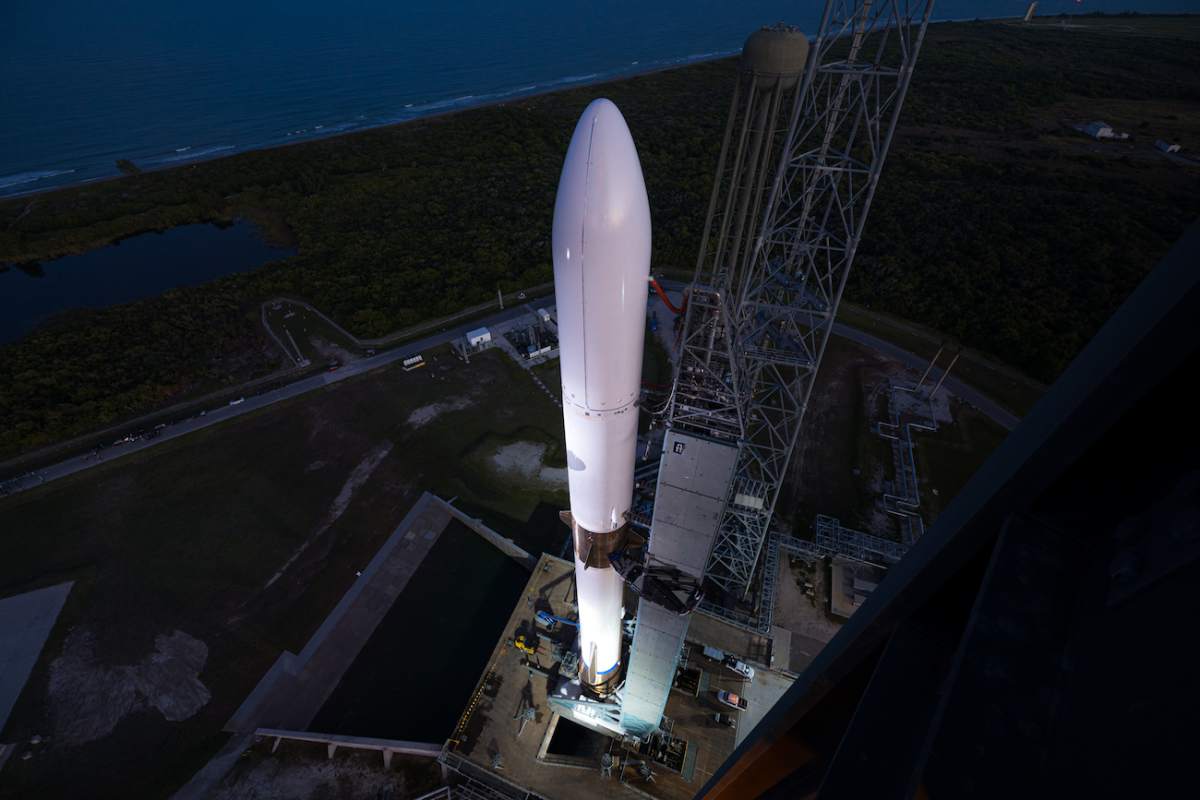
Apart from SpaceX, Blue Origin has been given the task to build landers that will take humans to the lunar surface in over five decades. Both companies will test their landers during the Artemis III mission that will validate rendezvous and docking technologies in Earth orbit. This complex mission will involve multiple rocket launches (Starship, New Glenn, and NASA's SLS), and it is currently being targeted for launch in 2027. So, it would be a big deal for more than one reason if Blue Origin actually manages to get New Glenn to fly again this year.
More on Starlust
SpaceX planning to catch Starship upper stage, deploy Starlink V3 satellites into orbit this month
Lunar South Pole not a good landing spot for Artemis IV, says Artemis II pilot Victor Glover