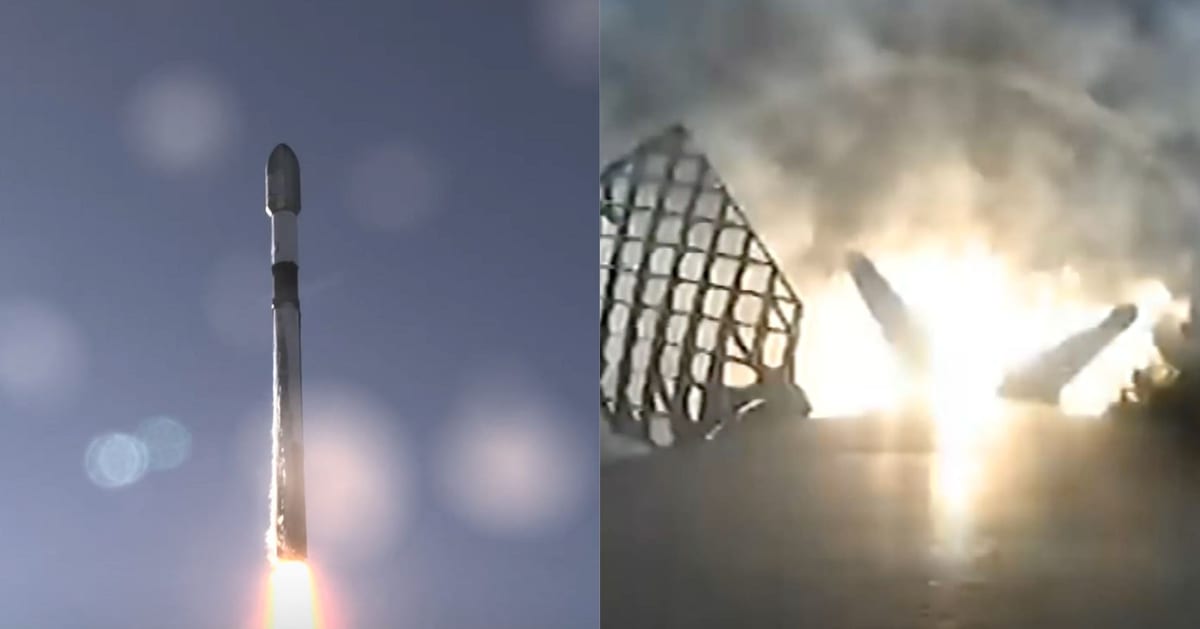
SpaceX's Starship V3: Five things we learned from the launch of the most powerful rocket ever built
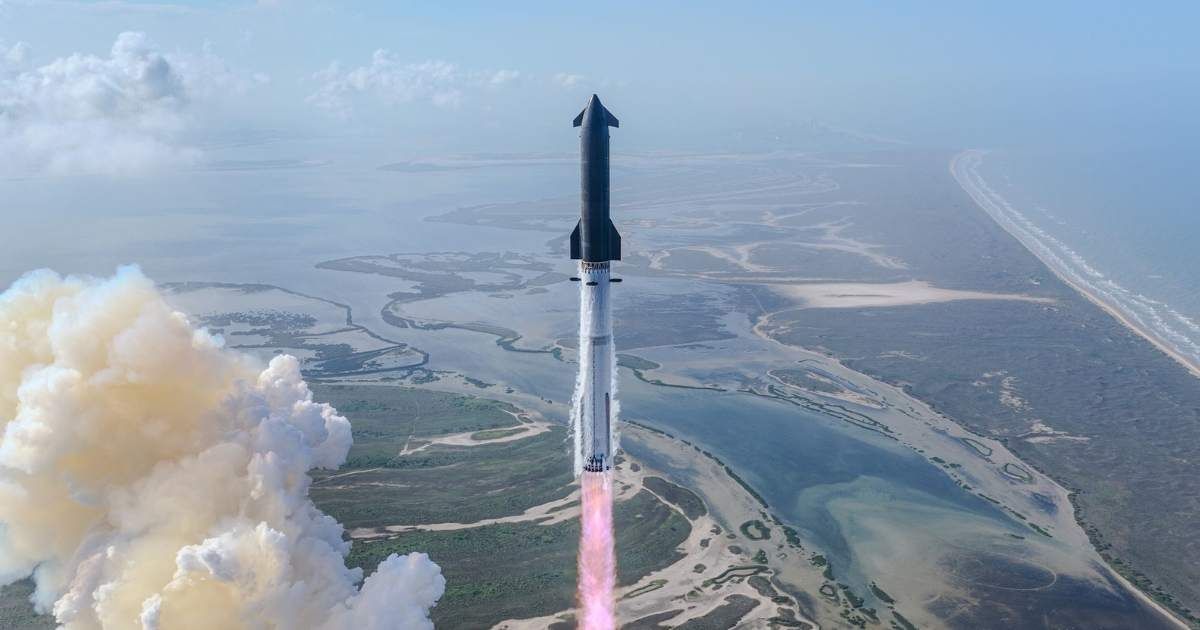
SpaceX has finally seen its Starship V3 rocket lift off successfully from Pad 2 of its Starbase launch site for a flight test to validate its all-new hardware. Comprising the Starship V3 spacecraft and the Super Heavy booster, the massive vehicle's engines ignited at 6:30 pm EDT on May 22, 2026, beginning its ascent into space thirty seconds after the flight director gave the 'go'. This flight represents not only a significant step for the Texas-based company's ambitions in space, but also for NASA as the agency looks to accommodate this spacecraft into its Artemis III plans.
1. Raptor 3 engine failures
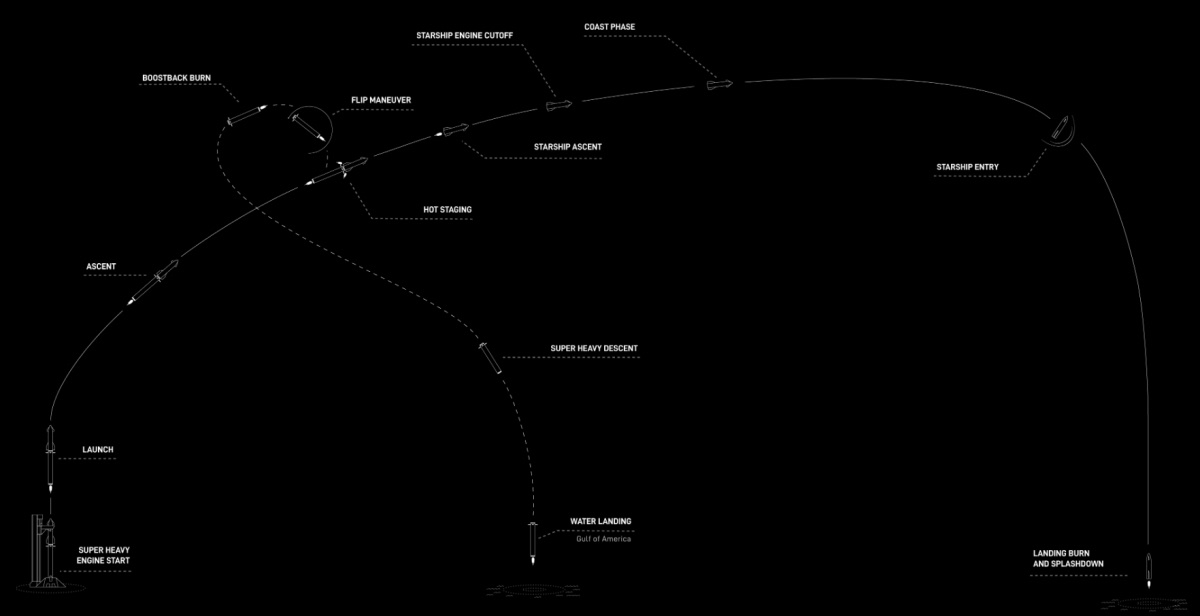
Soon after lift-off, the Super Heavy booster was reported to have had one of its 33 Raptor 3 engines cut off prematurely. Then, roughly two minutes into the mission, the two components of the rocket stack separated and the Starship spacecraft's six Raptor 3 engines were prepared to be lit in the vacuum of space to continue the rise of the vehicle post-staging. At this stage, one of those six vacuum engines failed to ignite as well, although this did not affect the intended suborbital trajectory for the spacecraft.
2. Flip Maneuver
Despite the failure of one of the Super Heavy stage's engines during ascent, a maneuver known as a boostback burn was attempted. However, because the booster failed to ignite all of its planned engines for this specific sequence, only a partial boostback burn could be performed after the flip maneuver adjusted the direction of the first stage. This put the Super Heavy on course for a hard splashdown into the Gulf of Mexico.
Onboard views from Starship and Super Heavy V3, which are equipped with upgraded cameras capable of streaming 4K video through every phase of flight via @Starlink pic.twitter.com/uX9wWFGgaK
— SpaceX (@SpaceX) May 23, 2026
3. All-new Starlink satellites
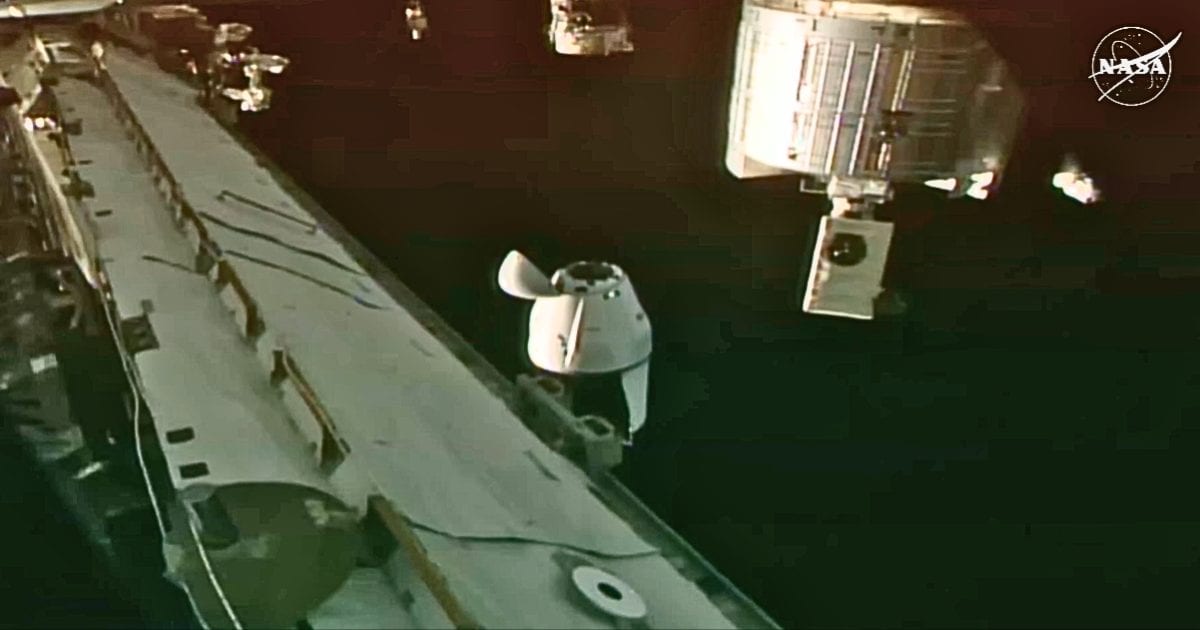
Starship V3 also featured a group of 20 Starlink simulators, alongside two imaging Starlink satellites that were modified to photograph the spacecraft while in orbit. This allowed mission controllers to combine the flight data they gathered with visual cues to analyze the structural performance of the test vehicle. The imagers were confirmed to have been on the same suborbital flight path as Starship, with both flying in close proximity.
Views of Starship in space from a @Starlink satellite pic.twitter.com/5hfw1n8v1o
— SpaceX (@SpaceX) May 22, 2026
4. Loss of both stages
To anyone watching the mission culminate, the tipping over and explosion of Starship after softly splashing into the Indian Ocean might have been alarming, given SpaceX is known for its reusable spacecraft landing in an upright fashion. However, with countless variables at play due to the debut of new hardware components and ground systems—including Pad 2 itself—SpaceX had always intended for the booster and second stage to be expended and not recovered from their respective ocean splashdown spots.
Starship is executing a banking maneuver that mimics the final approach it would take while returning to Starbase for a catch on a future mission pic.twitter.com/3YQr8LKAaj
— SpaceX (@SpaceX) May 22, 2026
5. Structural performance during and after re-entry
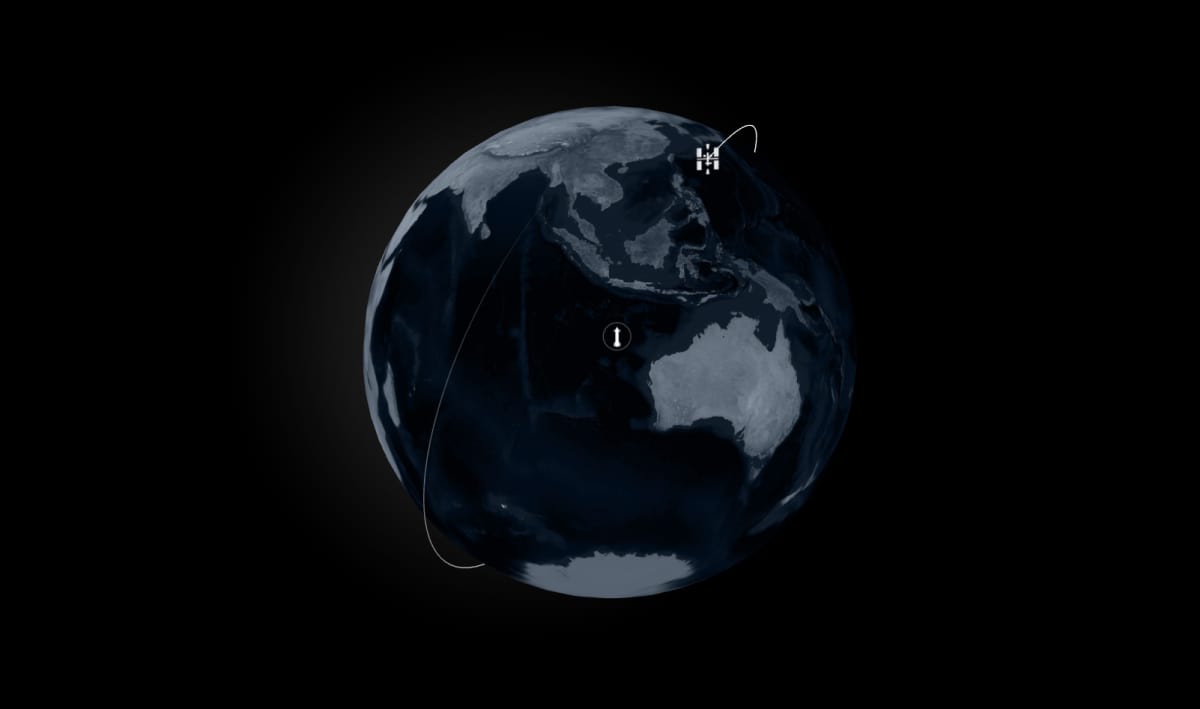
According to SpaceX, once Starship had completed its coast phase roughly 47 minutes into the mission, it hit the entry interface of the atmosphere, where critical data about the heat shield along one side of the 50-meter-tall spacecraft was collected. The heat shield was oriented to face the atmospheric friction in a 'belly-flop' attitude. Once the spacecraft had its velocity sufficiently reduced to below the speed of sound, it performed another maneuver in a deliberate attempt to overload the newly designed rear flaps with aerodynamic stress. During the last minute of the mission, a little over an hour since launch, two engines were lit to allow Starship to hover over a predesignated spot in the Indian Ocean before falling over, its remaining liquid oxygen and methane fuel igniting spectacularly.
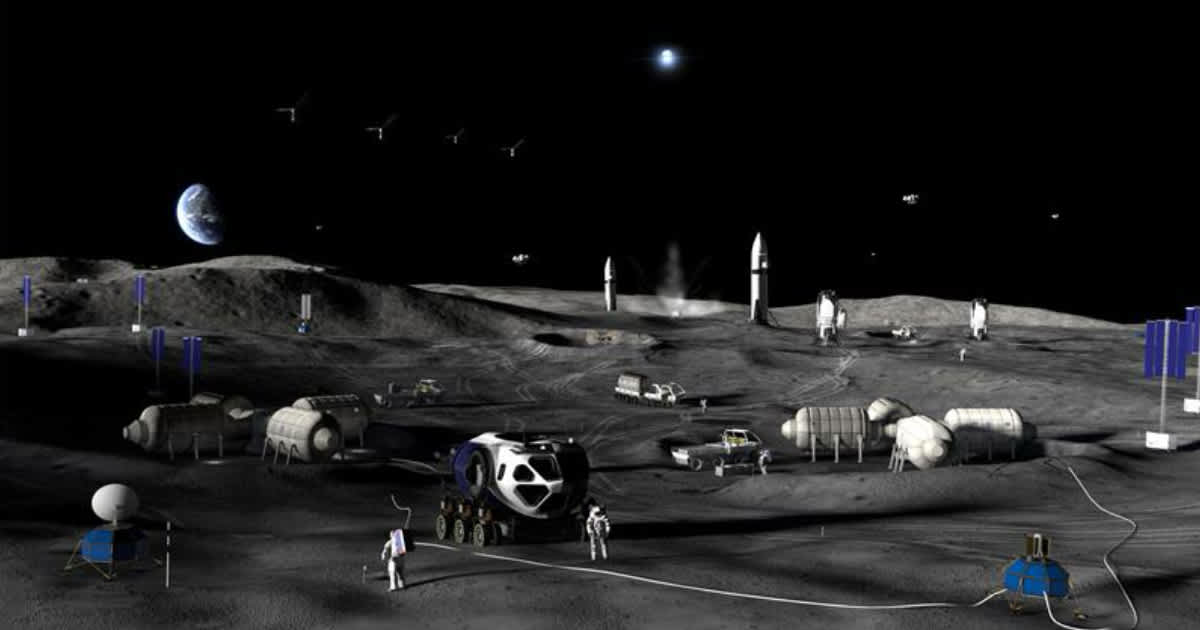
Next up, the company will look to perform additional flight tests of this third version of Starship, with future missions perhaps aiming for an upright landing of the upper stage back at Starbase. The Super Heavy booster could also be subjected to a return-to-launch-site catch landing. A dynamic banking maneuver was also tested on this flight, which will be utilized on future Starship V3 returns. For context, NASA's Artemis program and its industry partners intend to establish a human presence on the Moon, including a lunar base, by the end of the decade, with Starship serving as an integral part of the agency's initial lunar landing objectives planned for Artemis III.
More on Starlust
NASA just rolled out the biggest part of Artemis III rocket out of Michoud Assembly Facility
Is Artemis III behind schedule? Lack of updates from NASA indicates so