NASA reveals finer details of how Artemis III's design will shape future crewed lunar missions
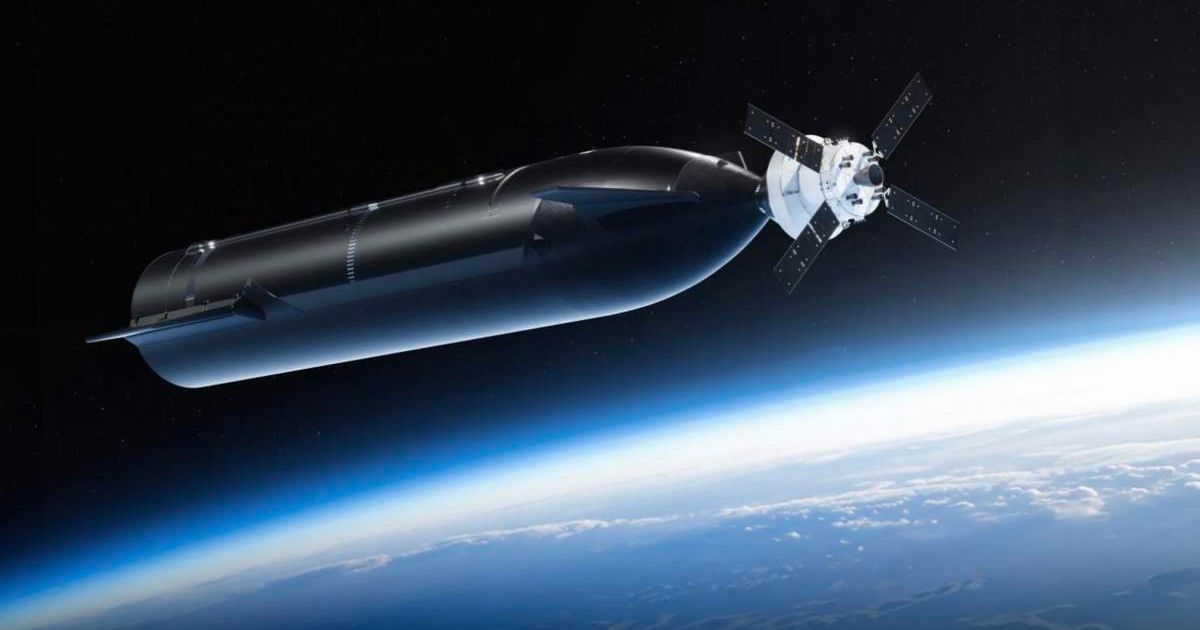
NASA has revealed a few key details of how the Artemis III mission next year will set the agency up for landing humans on the Moon safely with Artemis IV and V. In a blog post released on July 15, 2026, the agency shed light on what the mission requirements for its industry partners in SpaceX and Blue Origin would be for Artemis III while lifting the curtain on operations that will become standard across future Artemis missions.
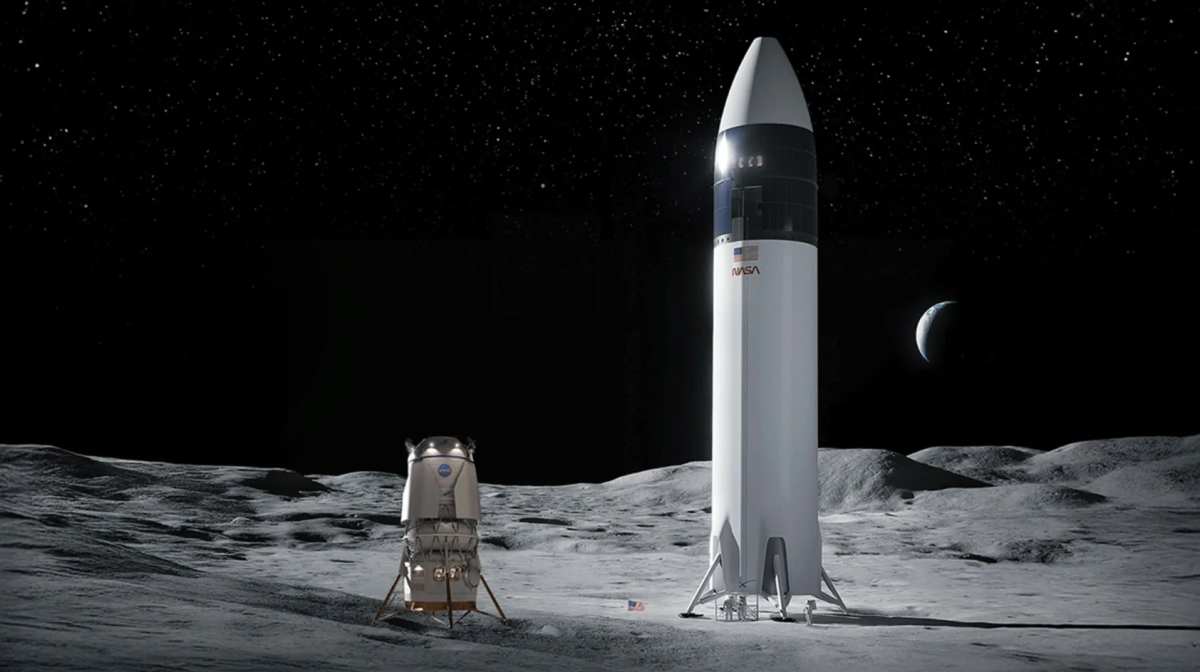
Docking with Blue Moon test article
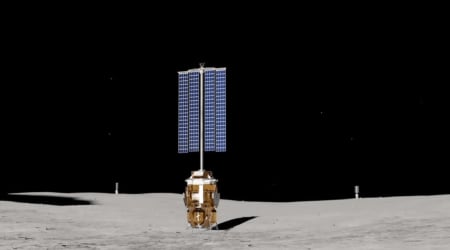
The Artemis III mission will begin with Blue Origin launching its Blue Moon lander test article, which will be able to loiter in space for 30 days, giving teams a substantial window to perform various crucial checkouts. Once these checkouts are completed, NASA will launch the crew housed inside the Orion capsule on top of a Space Launch System (SLS) rocket to a circular low Earth orbit. NASA has stated that the Blue Moon test lander will come fitted with all the major avionics and flight software and control systems so that the learnings from the mission can be applied directly to crewed trips to the Moon.
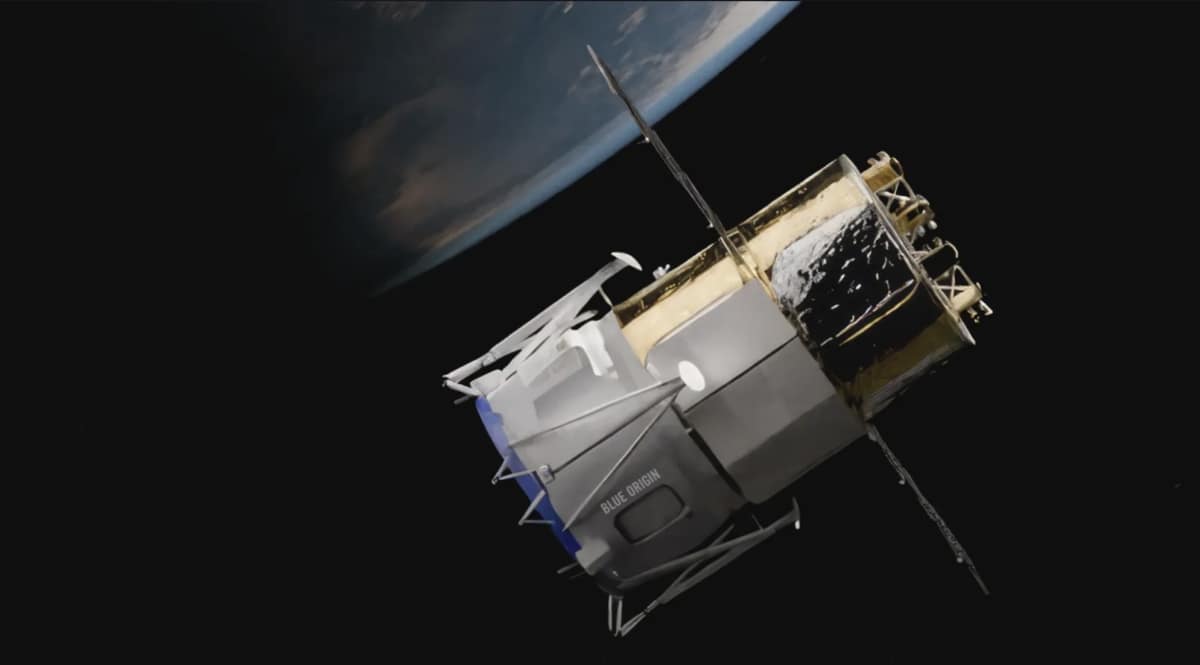
Once docking operations with Blue Moon are over, SpaceX will launch its own test article to rendezvous with Orion in orbit. This three-launch campaign will allow NASA to test launch processing and operations, helping them prepare for future crewed lunar missions, which will feature two launches. The agency clarified that, just like in the case of the Blue Moon test article, those missions will see the commercial lunar lander launch first and await the arrival of the crewed Orion spacecraft in orbit.
Crew will wear their orange spacesuits while entering Blue Moon
Once docked with the Blue Moon test article—whose architecture is based on Blue Origin’s Mark 2 crew lander—up to a couple of Artemis III crew members will enter the test article. For this reason, the spacecraft will also be required to feature a crew cabin with a requisite Environmental Control and Life Support System (ECLSS). However, with it being the first crewed test of the lander in the vacuum of space, NASA has decided to add another layer of safety by having the astronauts wear the bright-orange spacesuits, called OCSS (Orion Crew Survival System). A low-fidelity suited manikin to simulate the mass on the lunar surface with a spacesuit will also be in place inside the test article, which will let mission controllers know about the environment inside it.

Once the rendezvous with the Blue Origin test article is complete, SpaceX will launch its own test article to meet with Orion in orbit. The agency clarified that future crewed missions to the Moon will see the commercial lander launch first and await the arrival of the Orion spacecraft in orbit.
Docking with SpaceX Starship test article
The agency confirmed that the Starship V3 test article will not be entered by the Artemis III crew during the mission. The primary aim of docking with the SpaceX test article will be to understand the flight dynamics of a relatively small Orion capsule and the 171-foot Starship vehicle flying through space when linked together. The Elon Musk-led company is working alongside NASA to develop tests for the mission, which will help characterize the controllability of the integrated stack and the communications between them.
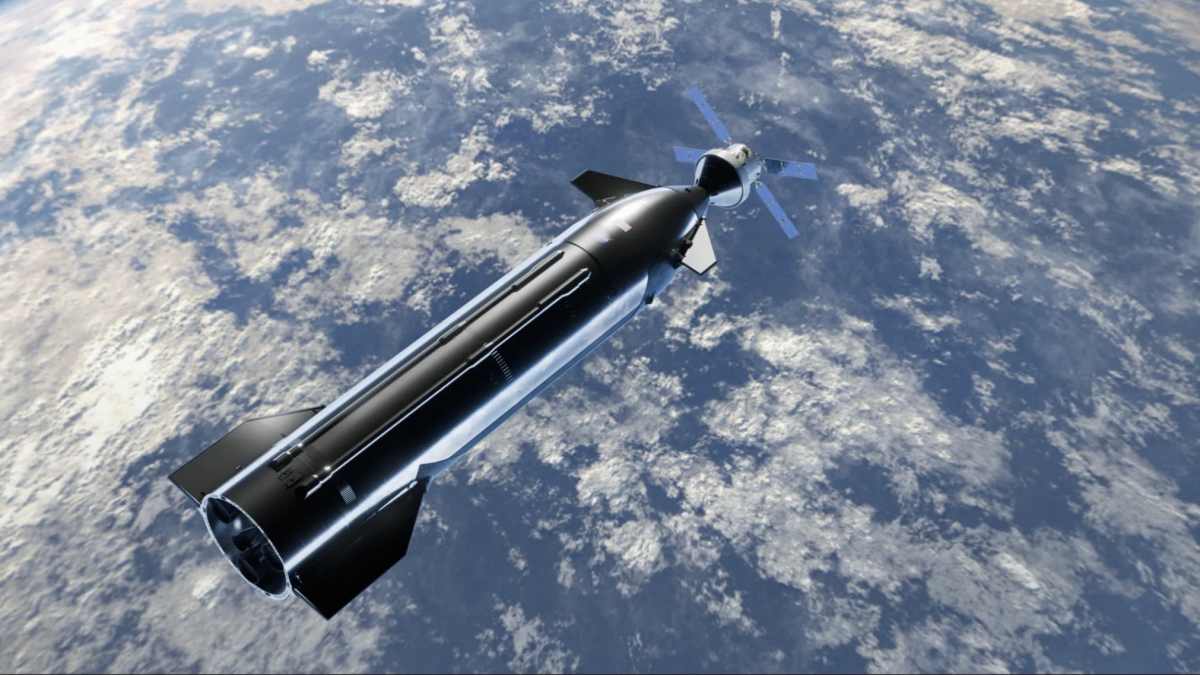
Control of the docked spacecraft stack
Orion’s docked configurations with test articles from SpaceX and Blue Origin will look and handle quite differently, NASA stated. The Starship test article will have its docking port on its nose and will control Orion's flight when it is docked. On the Blue Moon test article, the docking port will be on the side and will lead the crew directly beside the cabin. During this phase, it will be Orion that will control the flight of the integrated stack. Both of their docking systems have already been tested in 2023 and early 2026, respectively, with Blue Moon’s tested docking system being a pressurized one to allow for crew transfer between vehicles.
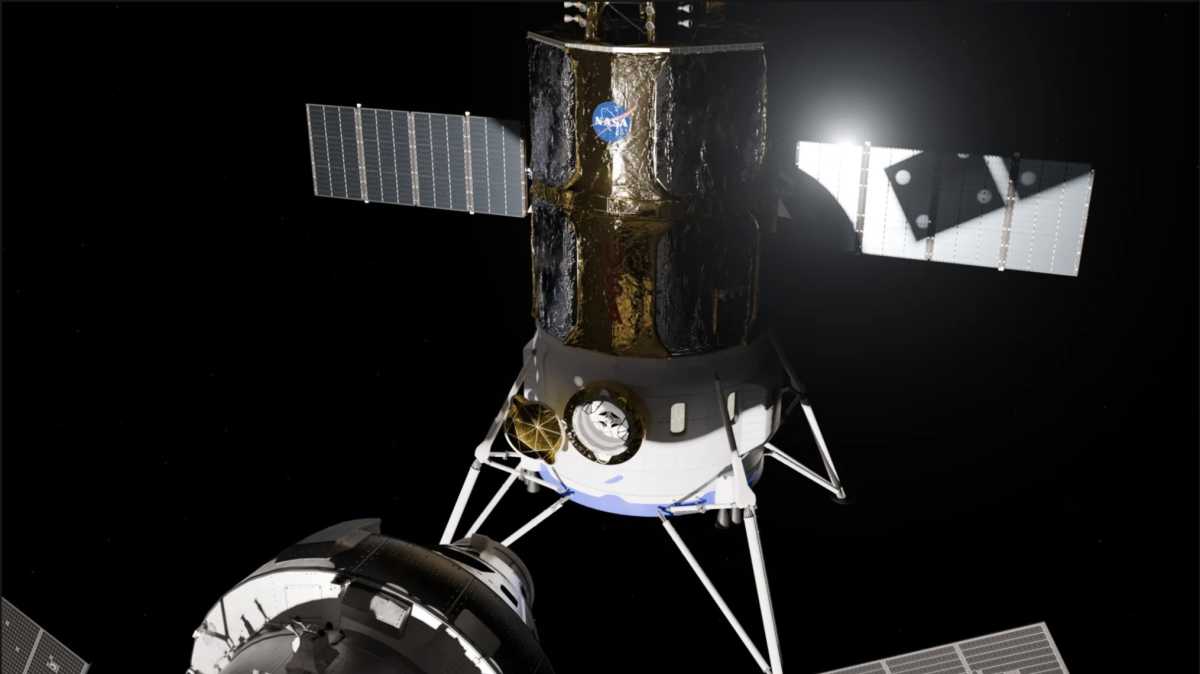
NASA stated that Orion will be the one catching up with the two test articles in Earth orbit. The same operations will be followed on crewed missions to the Moon as well, the agency clarified.
Just a regular ol' rocket engine!
— NASA Artemis (@NASAArtemis) July 15, 2026
The third of four RS-25 rocket engines have arrived to @NASAKennedy to be integrated into the Artemis III rocket. Space Launch System uses four RS-25 engines to propel the Orion spacecraft, providing over two million pounds of thrust at liftoff. pic.twitter.com/B4LhHlgpw9
On Wednesday, the agency also announced the arrival of the third RS-25 engine to Kennedy Space Center in Florida. These engines will help propel the giant rocket, whose assembly has already begun, off LC-39B at KSC. The readiness of the other heavy-lift rockets part of this complex mission is gaining momentum as well. Later today, SpaceX is set to launch its Starship V3 for its second-ever launch with Flight 13. Blue Origin is also working on returning the New Glenn rocket to fly before the end of this year with a revamped concept of operations and pad reconstruction in full swing after a major setback during a static fire test.
More on Starlust
Artemis III: Blue Origin's test lander can launch on another rocket if New Glenn isn't ready on time
'We still don't have a lander': NASA's former chief expresses concerns about Artemis architecture