Fact check: Viral video claims to show SpaceX Falcon 9 rocket stage crashing into the Moon. Here’s the truth.
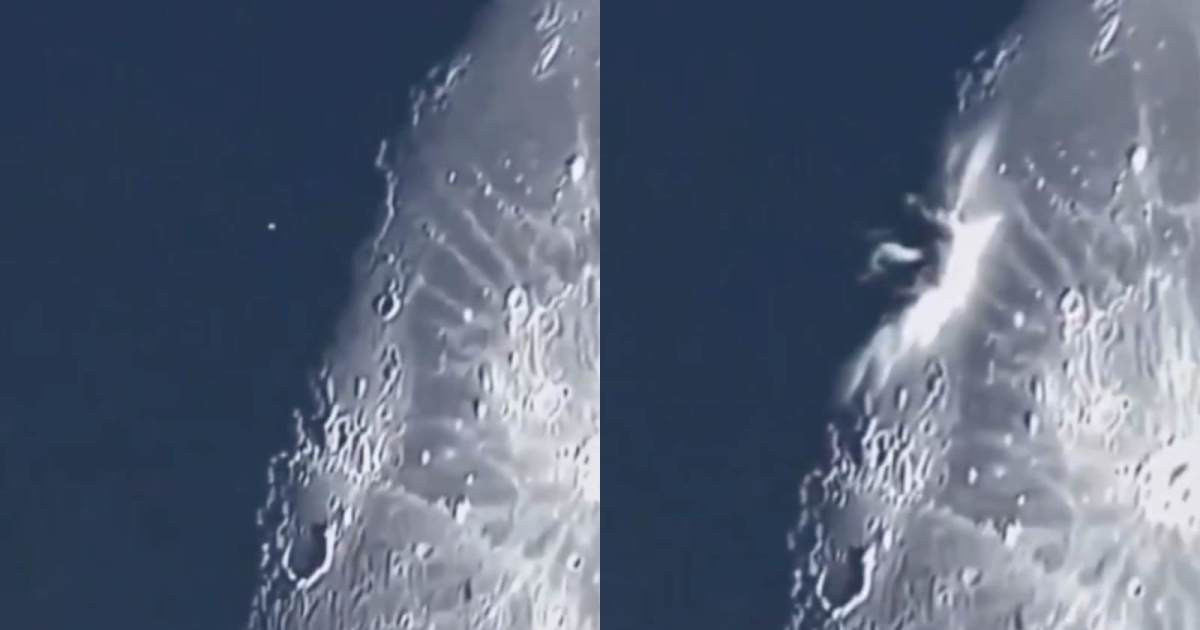
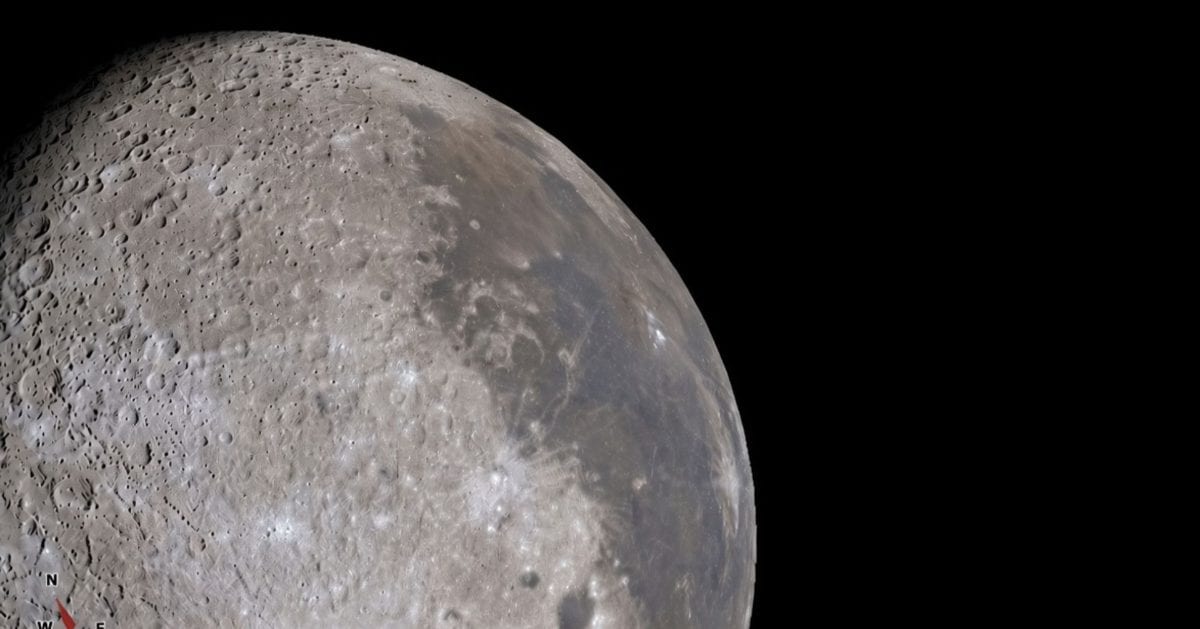
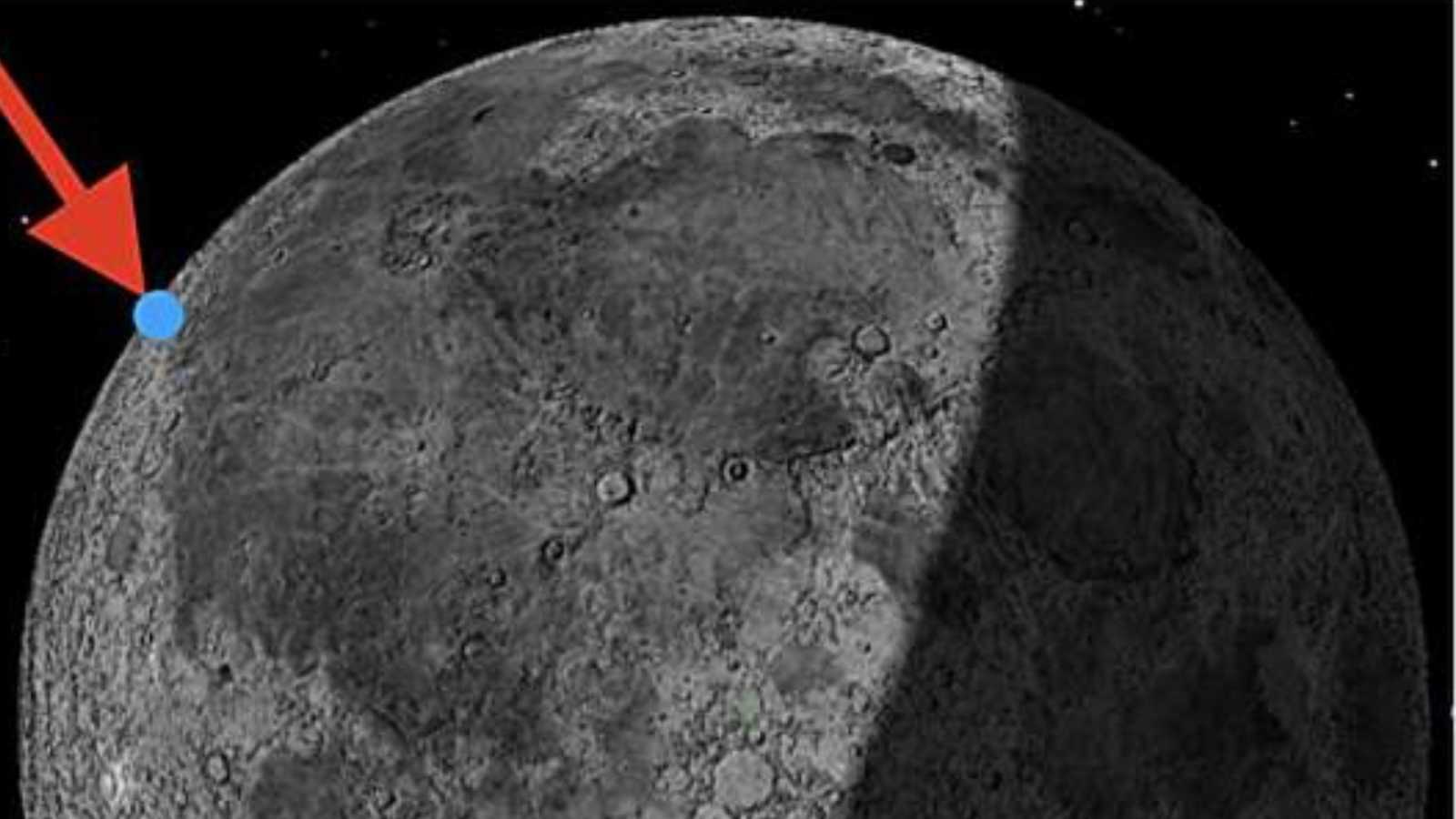
A discarded upper stage of SpaceX’s Falcon 9 rocket is said to have unintentionally slammed into the Moon. The rocket debris reportedly crashed near the Einstein crater on the edge of the Moon’s near side at around 2:35 am EDT on August 5, at nearly 5,400 miles per hour. Scientists had predicted that the impact would create a massive crater and release a huge cloud of dust.
While a visual confirmation of the impact from NASA’s Lunar Reconnaissance Orbiter and South Korea’s Danuri probe is awaited, a video showing a bright object heading towards the Moon and releasing a massive amount of lunar material upon impact has surfaced online.
Is the video real?
“SpaceX rocket crashes into Moon, carving 100‑foot crater,” says the caption of the video shared by RT. “A Falcon 9 stage slammed into the lunar surface at seven times the speed of sound, releasing energy equivalent to three tons of TNT. Still, the crater is too small to see from Earth with the naked eye.”
SpaceX rocket crashes into Moon, carving 100‑foot crater
— RT (@RT_com) August 5, 2026
A Falcon 9 stage slammed into the lunar surface at seven times the speed of sound, releasing energy equivalent to three tons of TNT
Still, the crater is too small to see from Earth with the naked eye pic.twitter.com/ZRxFO8ETIh
Notably, the clip above being shared online is AI-generated. RT itself clarified in the reply that the footage is not real and was made using artificial intelligence. The video has already been community noted with a clarification that no close-up views of the impact have been released yet.
¿Captamos el impacto? Los restos de un cohete Falcon 9 se estrellaron con la Luna este miércoles 5 de agosto. Circulan videos falsos hechos con IA, pero lo cierto es que nadie registró contundentemente el impacto en vivo.
— Astrofísicos en Acción (@AstrofisicosA) August 5, 2026
En nuestra transmisión observamos un pequeño destello. pic.twitter.com/0ZXIVIug6D
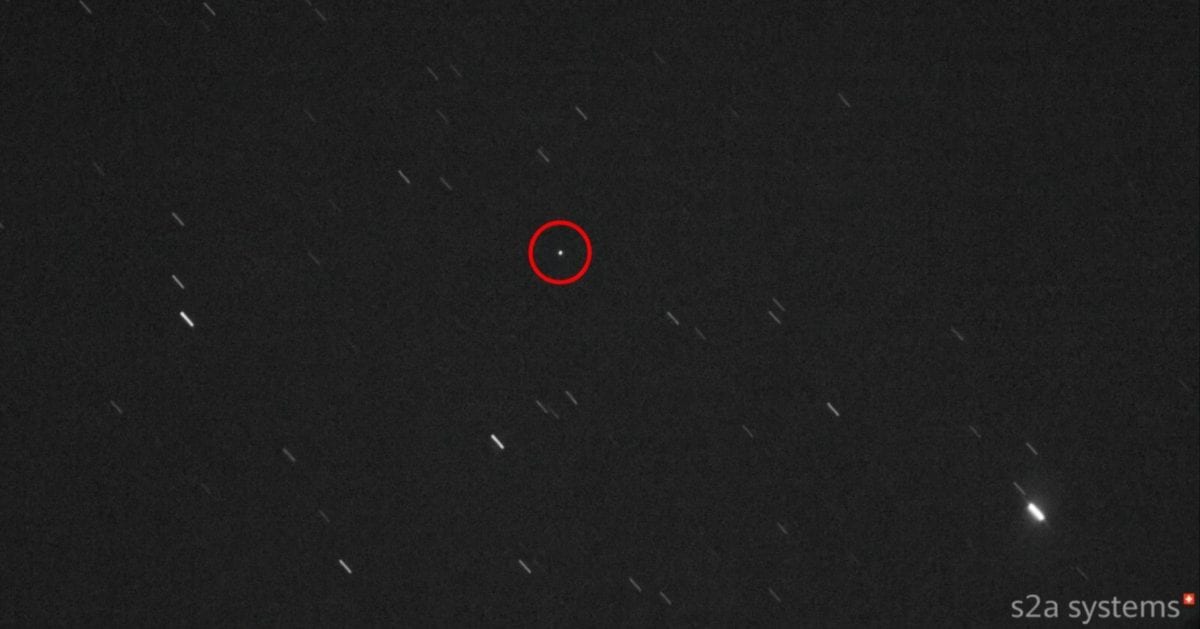
There are also other videos captured by astronomers using telescopes, with a clip from an Astrophysicists in Action broadcast showing a flash on the edge of the Moon.
How big was the rocket debris?
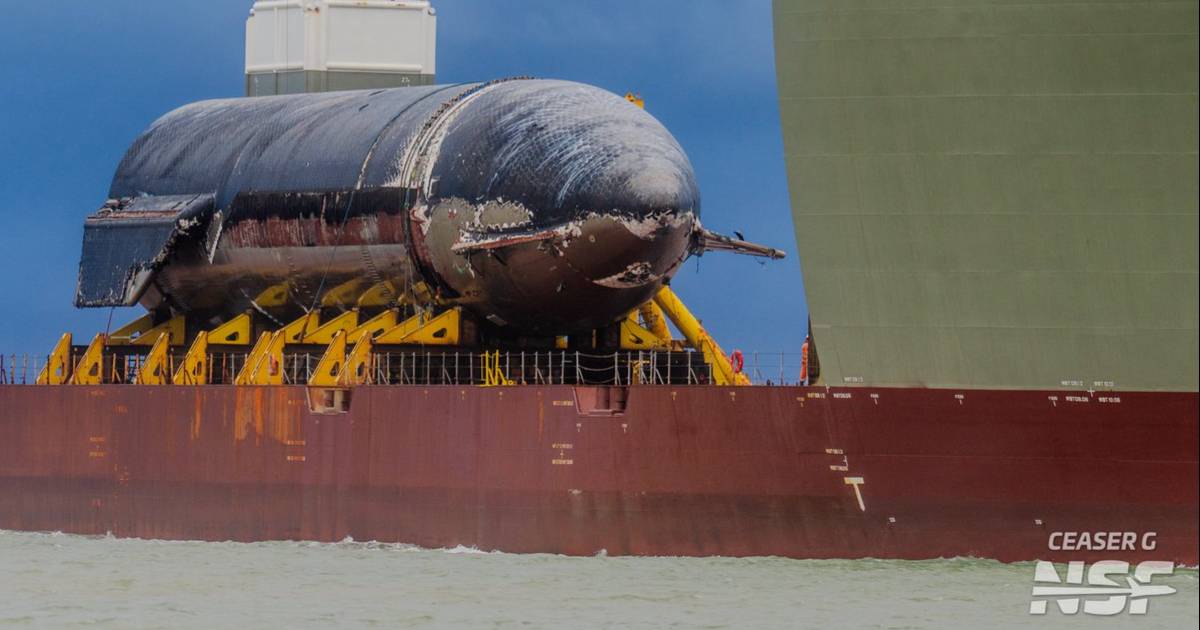
The rocket stage measured nearly 45 feet long and weighed about 4,000 pounds. Estimates in a paper prepared before the crash said that it would create a crater 20-30 meters (66-98 feet) wide, while another paper estimated the debris plume to reach an altitude of 15 to 20 kilometers. The true size of the crater and the plume will be confirmed after more observational data comes in.
How was the impact confirmation made?
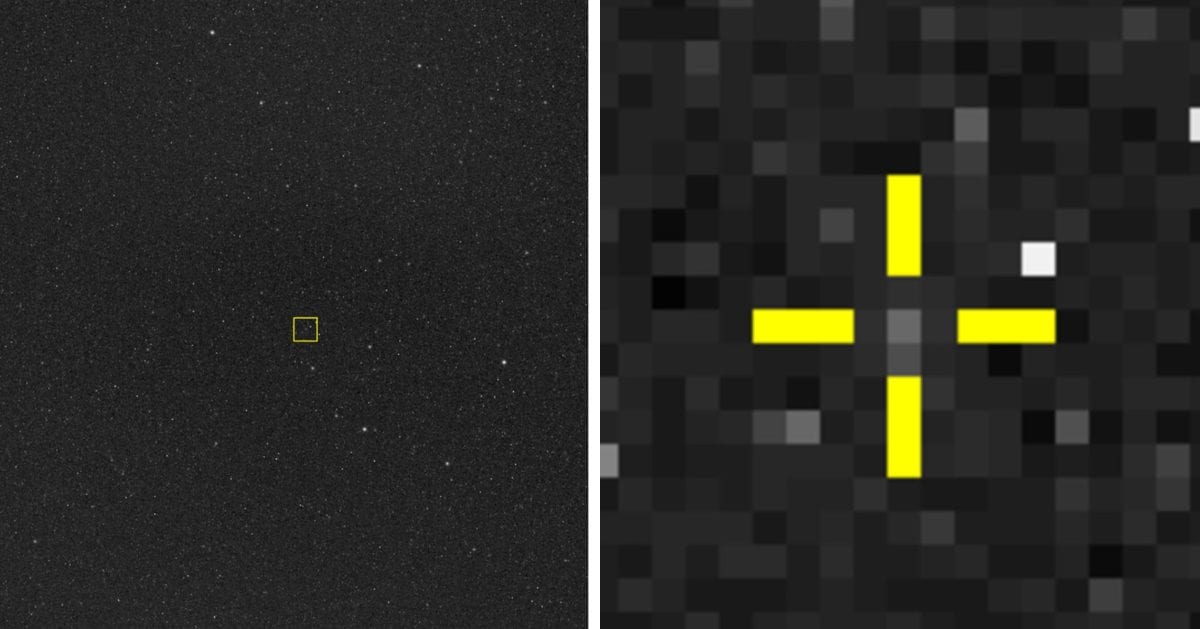
The confirmation of the crash was made by the European Southern Observatory's (ESO's) Very Large Telescope, which detected traces of certain elements in the impact plume. In an Instagram post, ESO said the telescope detected spectral lines of sodium and lithium gas in the impact plume lasting for 5 to 10 minutes after impact.
The sodium likely originated from the lunar soil, whereas the lithium could be from the rocket debris. "The team will provide more details after a full analysis has been conducted," the agency said.
Why did the crash happen?
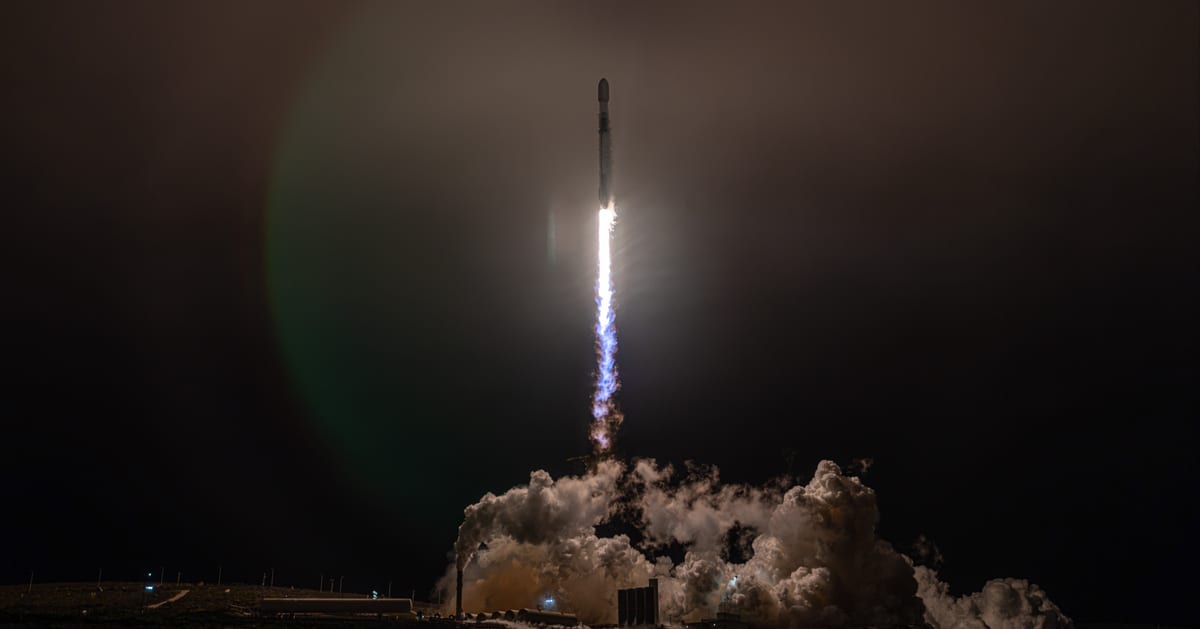
SpaceX shared in a statement released on X on Wednesday that solar activity and gravity put the second stage on a collision course with the Moon. This stage was part of the rocket that launched two private landers by Firefly Aerospace and Japan-based ispace in January 2025.
On January 15, 2025, Falcon 9 successfully deployed Firefly Aerospace’s Blue Ghost Mission 1 and ispace’s RESILIENCE lunar landers on a trajectory to the Moon from pad 39A in Florida.
— SpaceX (@SpaceX) August 5, 2026
For most of our missions, we plan a controlled deorbit of the Falcon second stage so it safely… pic.twitter.com/SVkYSnEsi7
It was stuck in space after exhausting all its fuel in deploying the landers on a Moon-bound trajectory. “For higher energy missions like those to a lunar transfer orbit, nearly all performance on the vehicle is devoted to successfully placing the payload in the intended orbit, and a controlled disposal maneuver is not always possible,” SpaceX said.
No threat to Earth or the Moon, says NASA scientist
In a Q&A video shared on Wednesday, Goddard Space Flight Center’s lunar scientist Dr. Kelsey Young answered key questions about the crash and assured that the impact poses no threat to the Earth or the Moon.
In the early hours of Wednesday, Aug. 5, a portion of a @SpaceX rocket impacted on the Moon's surface. In this video, we answer some of your questions. pic.twitter.com/BhWcGfRYMO
— NASA (@NASA) August 5, 2026
“This is not something we’re really concerned about. This is actually a technically accepted and safe method of disposing of hardware in low lunar orbit, and in some cases mission operators choose to end their mission by impacting their hardware on the lunar surface,” Young said. She also stated that scientists are eager to study the impact event, as it could help track these things in the future. Moreover, tracking an object of known size can reveal more about how craters form after such impacts.
Have rocket parts crashed on the Moon before?
Yes. There have been several instances of rocket parts crashing on the Moon, and that too intentionally. During the Apollo era, NASA deliberately slammed a number of upper stages of the Saturn-V rocket and lunar modules into the Moon for the Apollo Passive Seismic Experiment. In 2009, the agency crashed a Centaur rocket's upper stage and a spacecraft to confirm the presence of water ice in a permanently shadowed crater at the Moon's south pole. It was part of the Lunar Crater Observation and Sensing Satellite, or LCROSS twin-impact mission. More recently, in 2022, an upper stage associated with China's Chang'e-5 T1 mission crashed into the far side of the Moon, albeit unintentionally.
More on Starlust
NASA Moon Base Update: Major progress revealed on Blue Origin, Firefly, and other landers
Scientists reveal Earth-like quakes on the Moon may help detect water ice