SpaceX's Starship V3 to finally launch on May 19: Here's everything you need to know
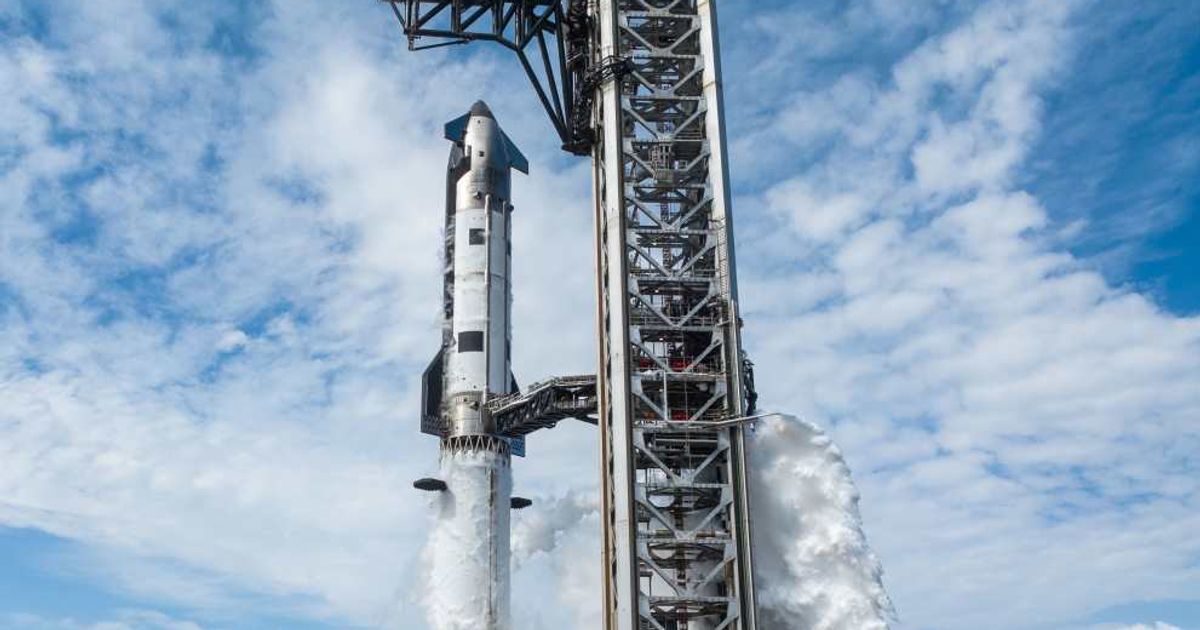
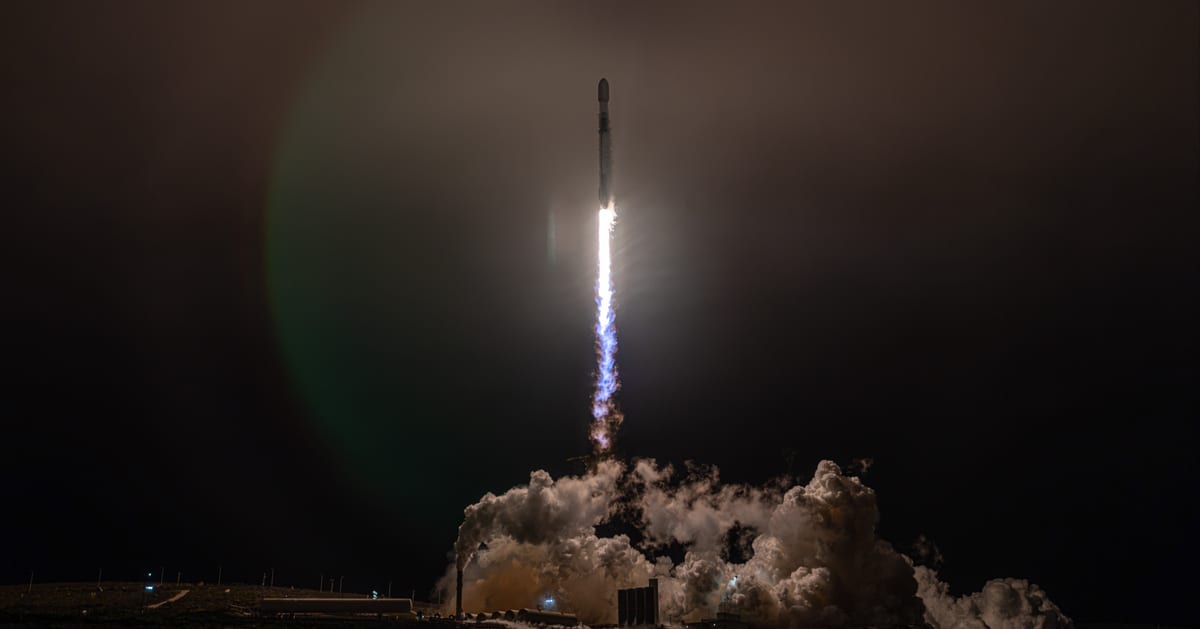
SpaceX is preparing for the inaugural flight of its next-generation Starship V3 vehicle, which is scheduled to launch from Starbase as early as May 19, 2026. The launch window of this twelfth flight test of Starship is set to open at 5:30 pm Central Time on Tuesday. This launch will mark the debut of a redesigned architecture meant to achieve rapid and full reuse of both its major elements, the Starship V3 and the Super Heavy booster, the company said. Perhaps more significantly, this should be seen as progress with respect to NASA's Artemis program, which includes plans for a Moon Base, with Starship being one of the vehicles slated to be used as a landing vehicle for crews.
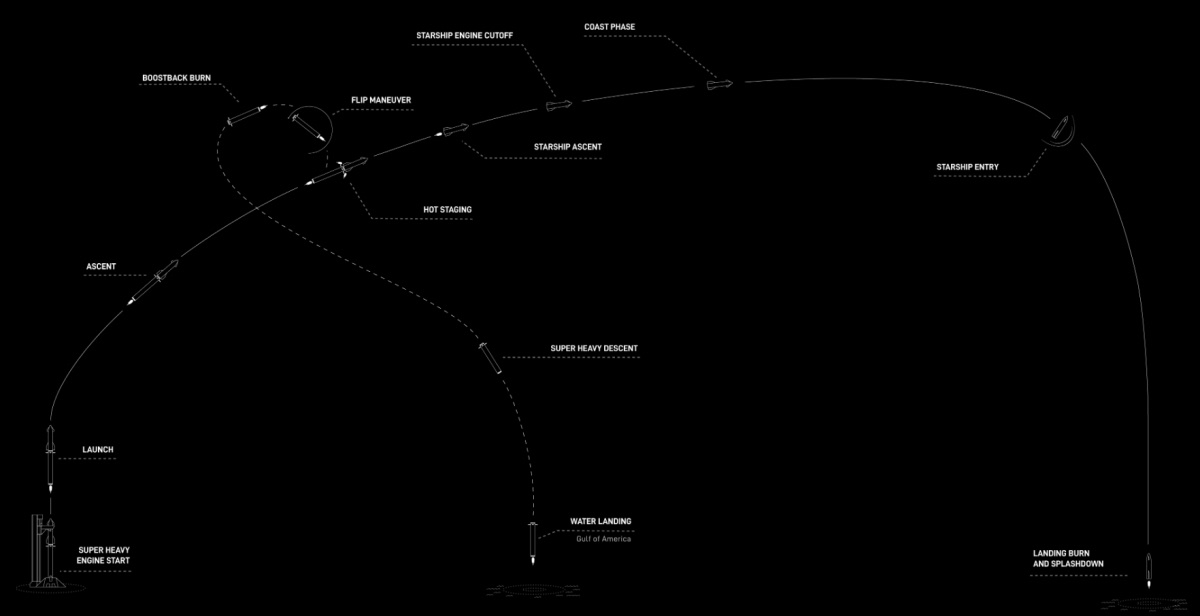
This mission will make use of the newly constructed Pad 2 at the Texas launch site. It features a redesigned launch mount and an upgraded propellant farm made for faster loading. The test aims to demonstrate the performance of the new configuration in a flight environment. Some major structural changes and engine evolutions have been incorporated into the rocket stack, which is a result of years of developmental testing. The Super Heavy V3 booster has a primary test objective of executing a successful launch, stage separation, and a boostback burn, before concluding the mission with an offshore landing in the Gulf of Mexico. Notably, this mission will not attempt a return-to-launch-site catch, as the vehicle features a redesign that hasn't been tested in a flight environment before.
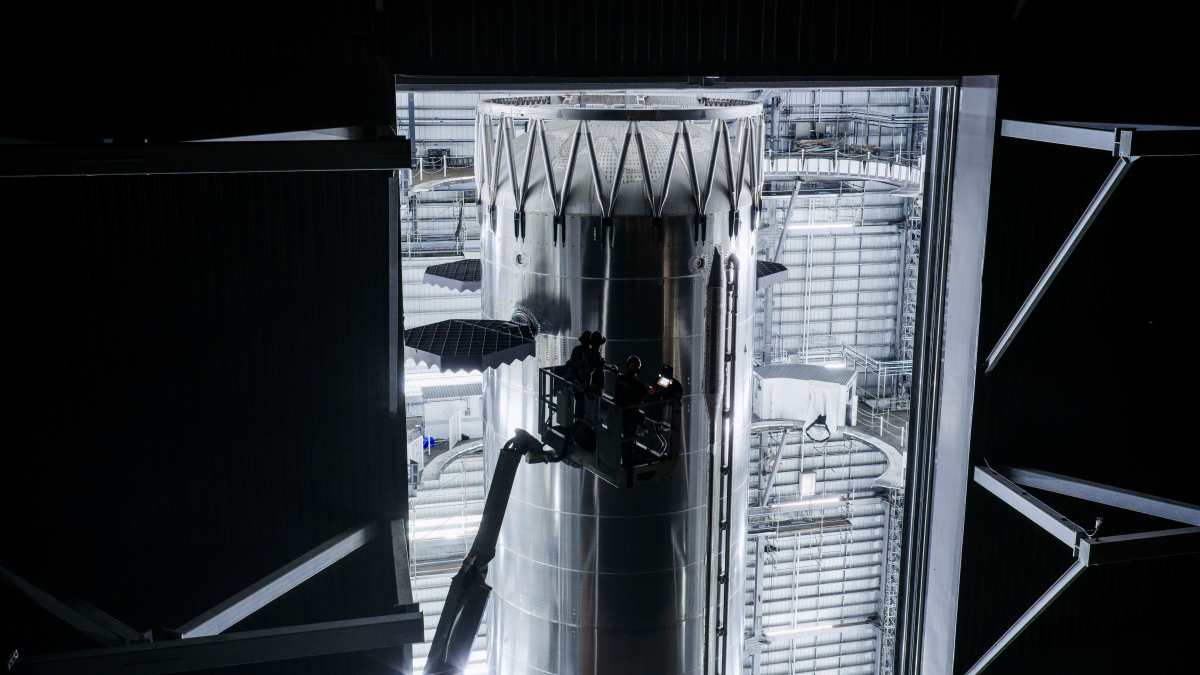
Some key hardware changes include a reduction from four to three grid fins, which are now 50 percent larger, stronger, and have been relocated to a lower part of the booster to minimize heat exposure. The booster also debuts a hot stage, where the forward fuel tank dome is directly exposed to Starship's engines during ignition. The fuel transfer tube has also been expanded to the size of a Falcon 9 rocket's first stage. This will allow all 33 of its Raptor engines to start at the same time for more reliability of flip maneuvers. These are new Raptor 3 engines, which offer a significant step-change in performance and integration, having been subjected to extensive testing over the past year.

The thrust provided by each sea-level engine has also been increased to 551,000 lbf (pound-force), which is an improvement of over 44,000 lbf from previous Raptor engines. The vacuum engine reaches 606,000 lbf of thrust, which is designed to operate in space. These engines feature internal sensors and controllers protected by built-in thermal shielding that allowed SpaceX to eliminate external engine shrouds from the design of both Starship, as well as the Super Heavy booster. Furthermore, the V3 architecture also debuts advanced avionics and long-duration flight capabilities. About 60 custom avionics units now provide 9 MW of power, which will be supported by 480 Mbps connectivity for real-time telemetry, done with the aid of the company's Starlink satellites.

The Starship upper stage for this mission will have the deployment of 22 Starlink simulators on a suborbital trajectory on its agenda. During the mission, SpaceX plans to relight a single Raptor engine in space and use the last two deployed simulators to monitor the heat shield's performance. There will also be deliberate maneuvers that will stress the vehicle's rear flaps. To further test thermal limits, a single heat shield tile has been removed to measure aerodynamic loads on its adjacent tiles. Should all of these upgrades bear fruit, SpaceX should be well on the path to delivering its Starship human landing system in time for Artemis III, planned to be launched next year by NASA.
More on Starlust
Artemis III SLS core stage arrives at Kennedy Space Center as Artemis II spacecraft undergoes study
NASA just rolled out the biggest part of Artemis III rocket out of Michoud Assembly Facility