Scientists discover how rising solar activity is making space debris fall back to Earth faster
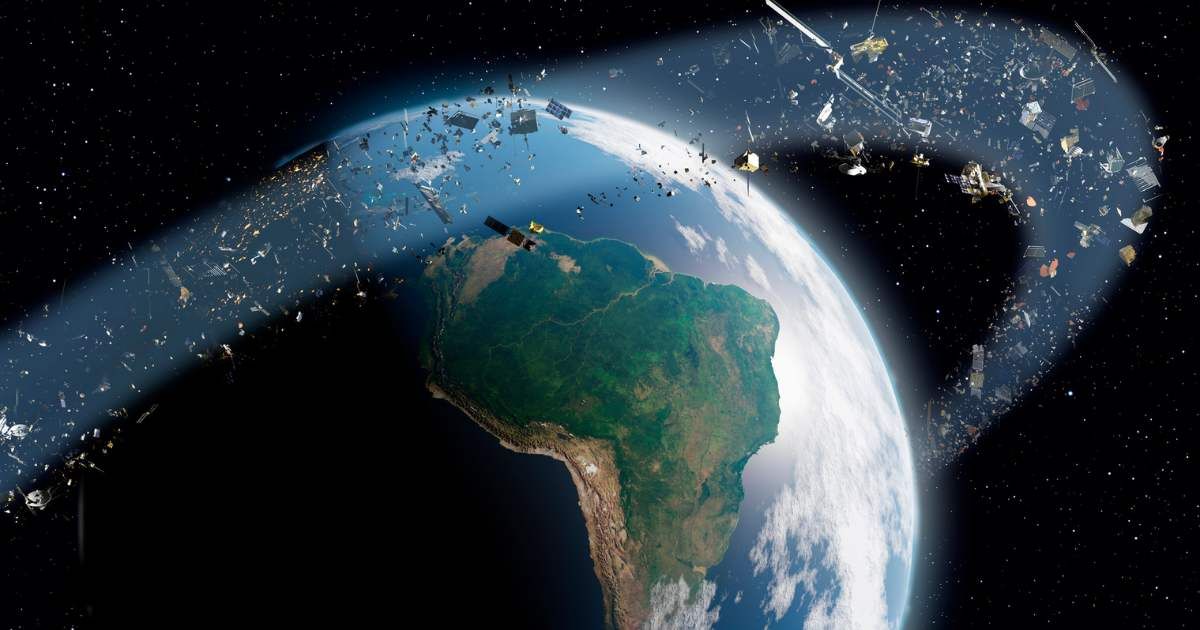
A team of researchers from ISRO's Vikram Sarabhai Space Centre, Thiruvananthapuram, India, has found that the drag on space debris orbiting Earth falls back much faster once solar activity crosses a certain threshold. The findings of the study, published in Frontiers in Astronomy and Space Sciences, are applicable to station-keeping satellites as well and are thus important for the planning of space missions.
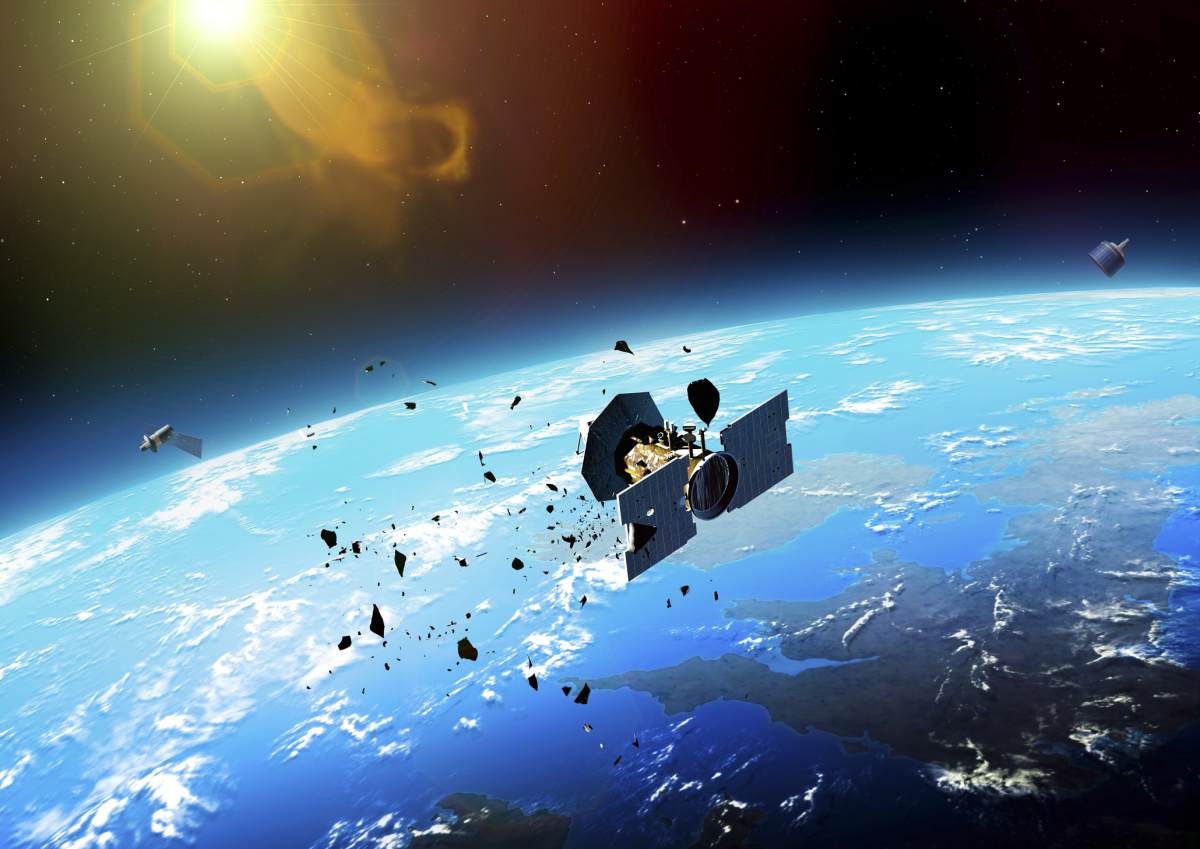
Low-Earth orbit (400-2,000 km of altitude) is ideal for imaging and surveillance satellites. In fact, the Starlink internet mega-constellation, which has over 10,000 satellites and continues to grow, is also deployed in LEO. So is the International Space Station. On top of that, a considerable amount of space junk from old satellites and rocket stages also populates this space. This situation is far from harmless.
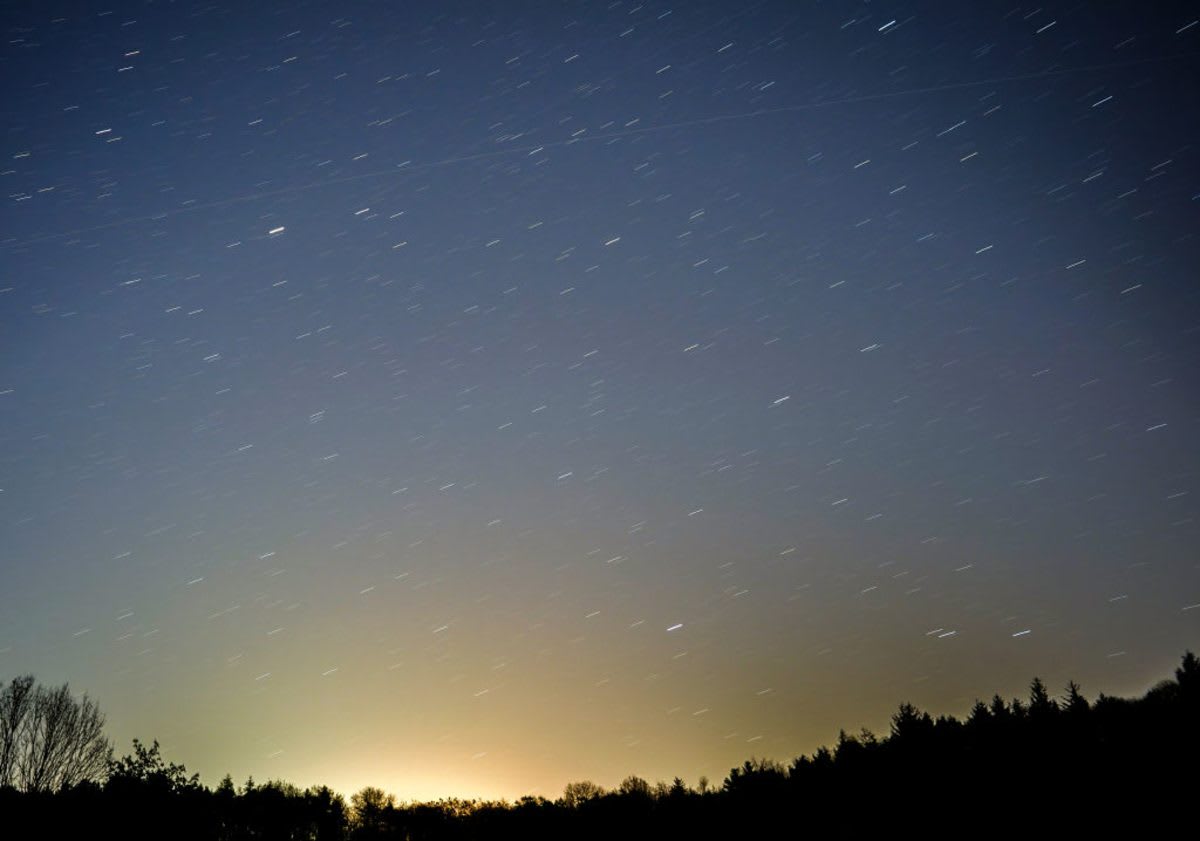
A collision in such a populated area will create debris, which, in turn, will lead to more such collisions in a phenomenon dubbed the 'Kessler Effect.' Of course, some initiatives have been launched to address the space debris problem. The European Space Agency, in fact, has the Clearspace-1 mission in the pipeline, which will remove the PROBA-1 satellite from LEO. But these programs are still in their initial stages. Clearspace-1, despite its limited scope, won't launch before 2029.
🚀‼️Commissioned by ESA, #Clearspace1 is the world's first mission to remove an existing piece of #SpaceDebris from orbit.
— ESA Operations (@esaoperations) May 9, 2023
It will demonstrate the technologies needed for debris removal, and is a first step to establishing a new and sustainable commercial sector in space.🛰️🗑️💙 https://t.co/Nkk2NS798z pic.twitter.com/bORWleuUws
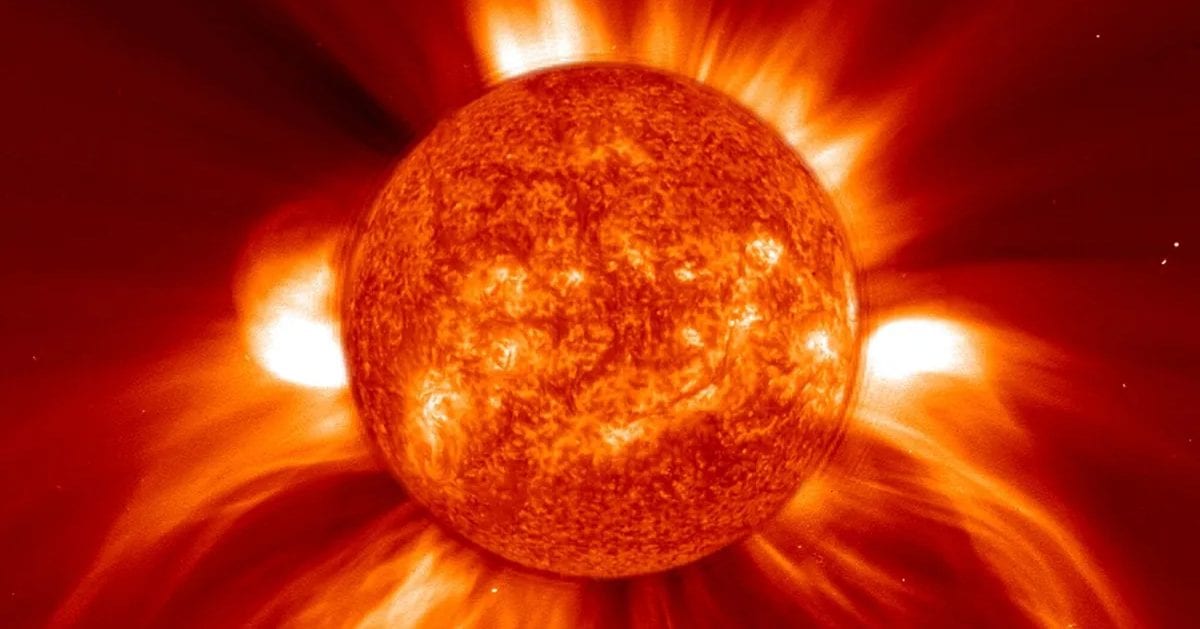
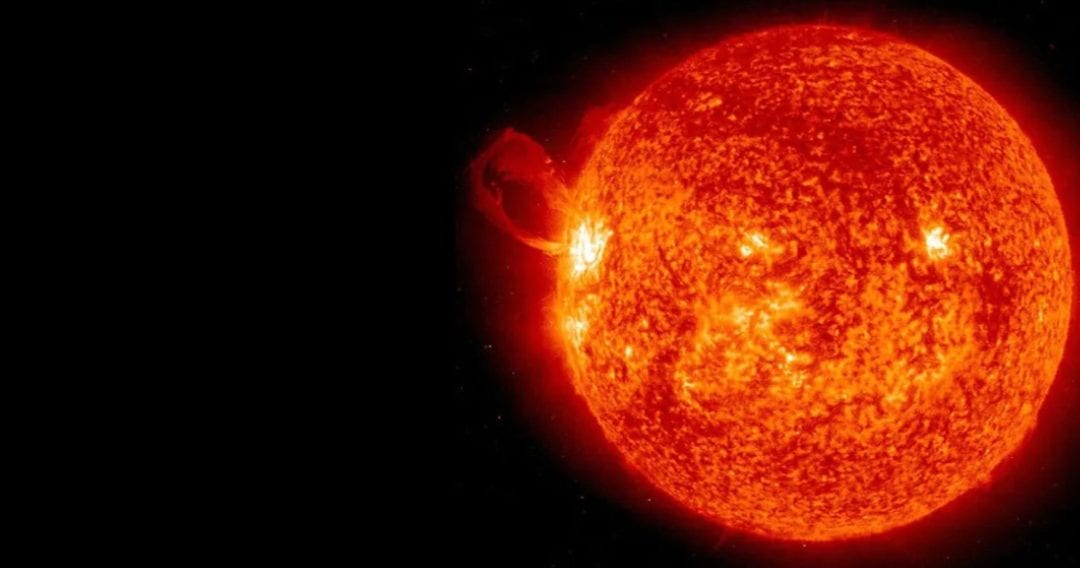
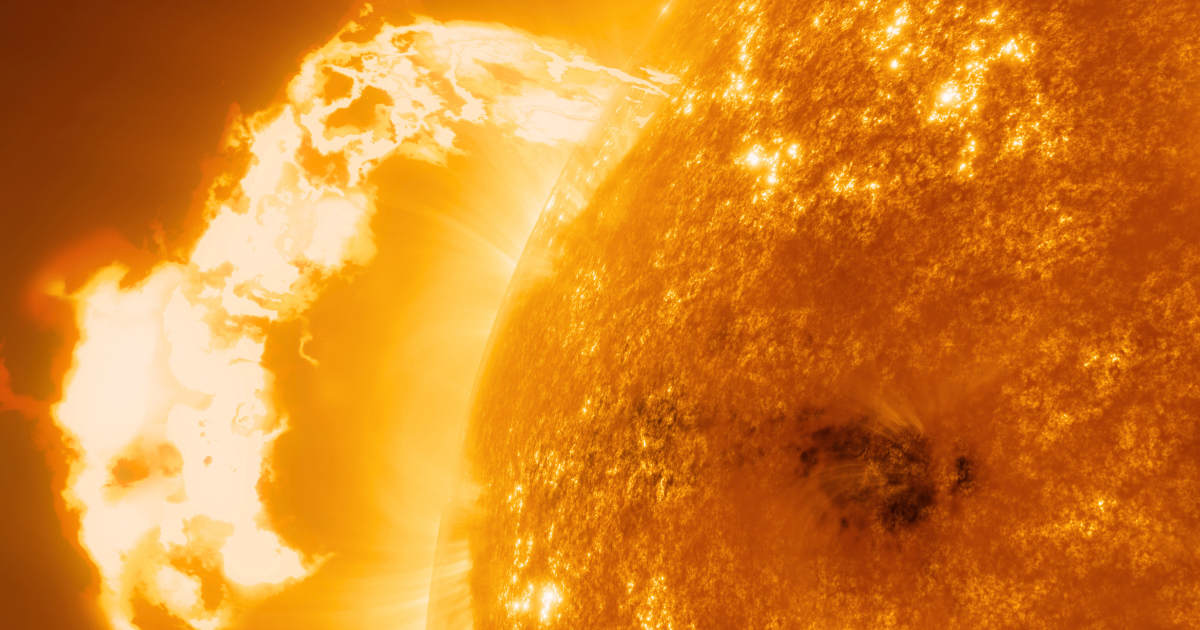
Now, the Sun has an 11-year cycle of active and dormant phases, which are directly responsible for the number of active sunspots. The intensity of the emission of charged particles or UV radiation depends on this number. And when this outward stream reaches its peak, like in late 2024, Earth's thermosphere (100-1,000 km) gets heated and expands upwards, raising the atmospheric density around satellites. This increases the resistance or 'drag' on the satellites, slowing them down and making them fall faster.
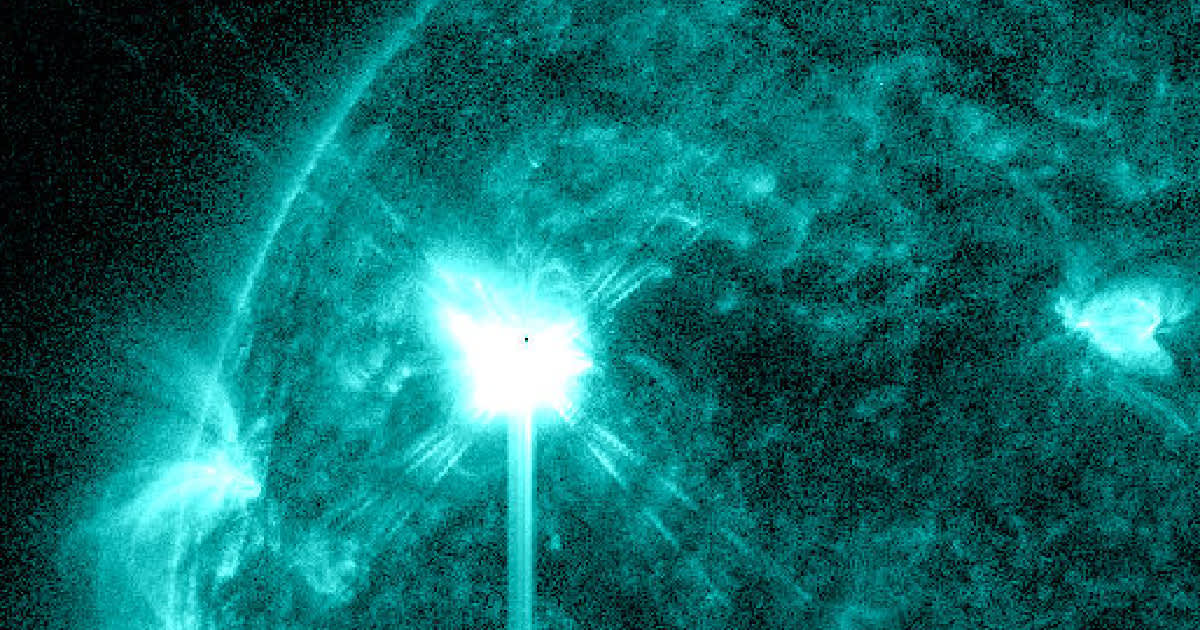
"Here we show that space debris around Earth loses altitude much faster when the Sun is more active,” said Ayisha M Ashruf, a scientist and researcher at the Space Physics Laboratory in the Vikram Sarabhai Space Centre and the corresponding author of the study, in a statement. "For the first time, we find that once solar activity passes a certain level, this loss of altitude happens noticeably more quickly. This observation is expected to be key for planning sustainable space operations in the future."

Ashruf and her team found that the "certain level" or threshold beyond which debris begins to fall faster is reached when the number of sunspots becomes higher than two-thirds of its maximum, or when the solar cycle is at around 67% of its peak. "This threshold doesn’t seem to be tied to a fixed value of solar radiation, but rather to how close the Sun is to its peak activity," Ashruf explained. "Around this point, the Sun produces more intense EUV radiation, which may be driven by changes in solar processes that become stronger near the peak."
The team came to the conclusion by noting the trajectories of 17 LEO space junk objects over a 36-year period since the 1960s, which included the 22nd and 24th solar cycles. These trajectories were then linked to data available at the German Research Centre for Geosciences in Potsdam, which keeps tabs on sunspot numbers and daily fluctuations in our host star's radio and Extreme Ultraviolet (EUV) emissions.
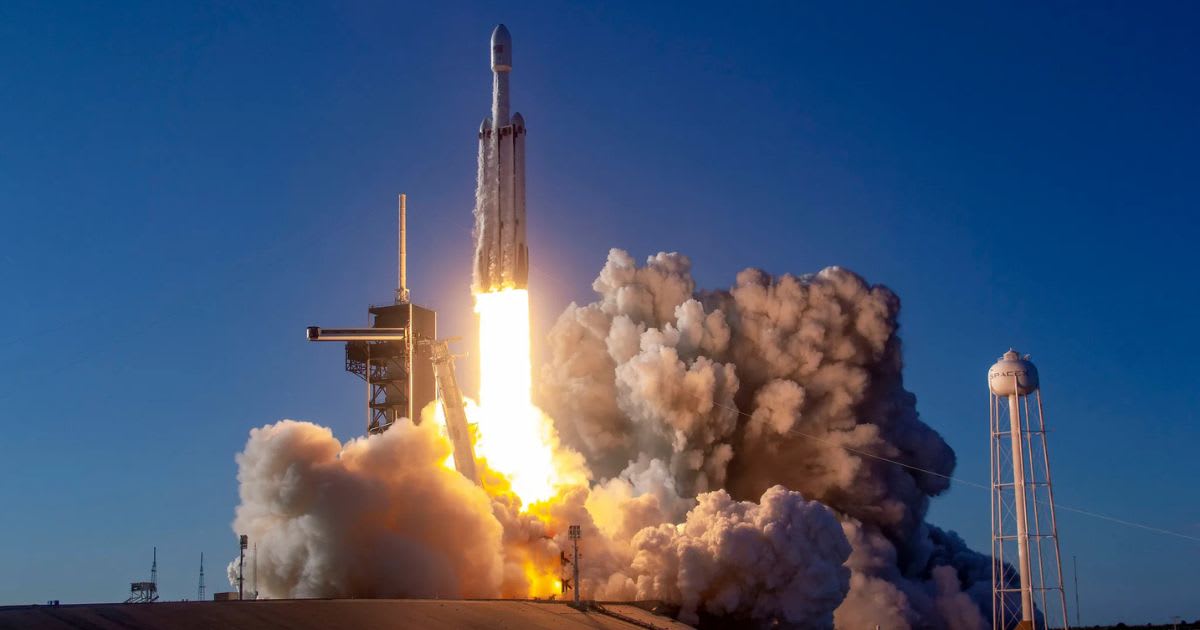
The scientists believe that their research is going to play a big role in helping space organizations plan the trajectory of their satellites better with respect to space debris. "Our results imply that when solar activity passes certain levels, satellites—just like space junk—lose altitude faster so that more orbit corrections are required. This directly affects how long satellites stay in orbit and how much fuel they need, especially for missions launched near a solar maximum," Ashruf said.
More on Starlust
NASA's Parker Solar Probe makes surprising revelation about mechanism behind solar storms
Scientists aim to curb space junk risks by using AI to locate debris in the Earth–Moon region