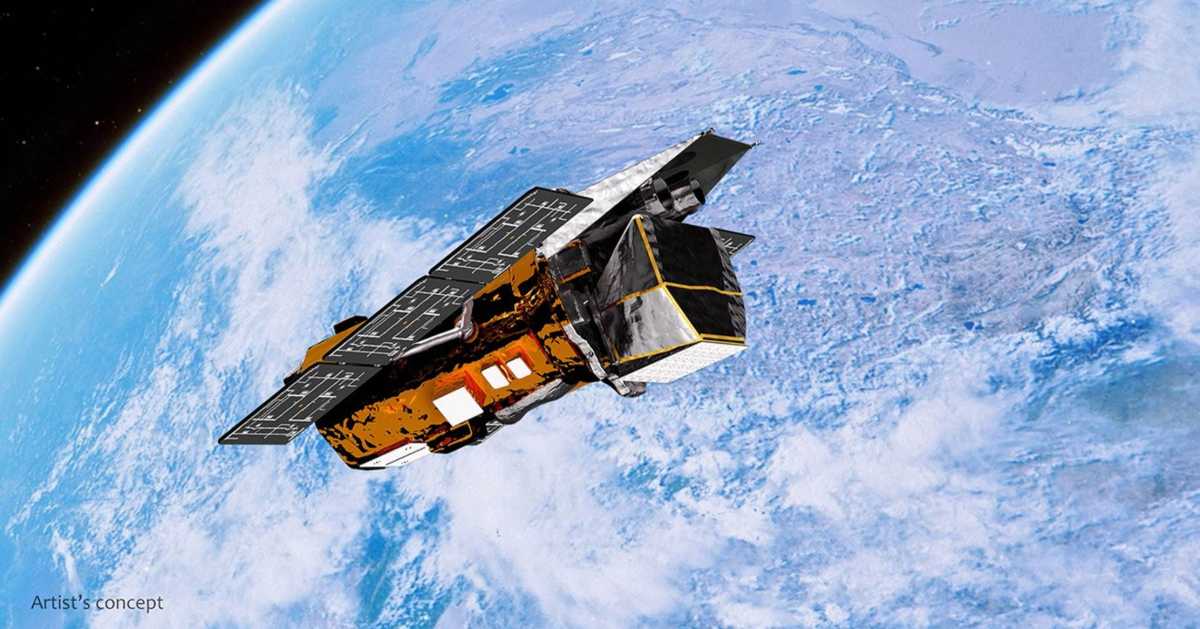
Meet UVEX—NASA’s proposed new space telescope set to launch in January 2031
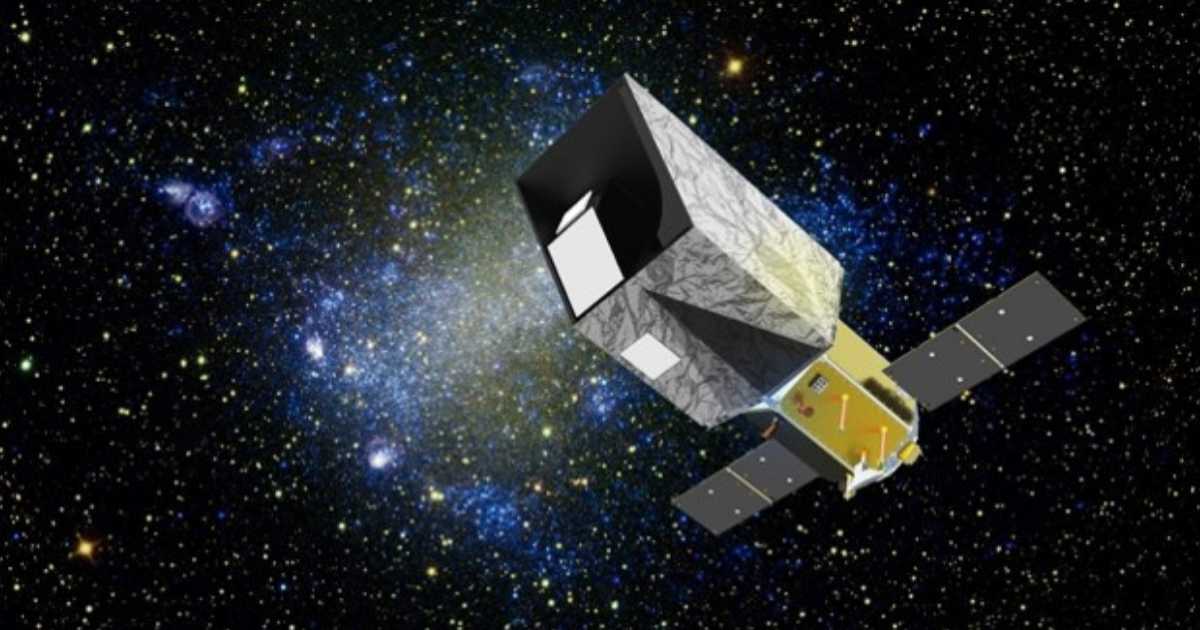
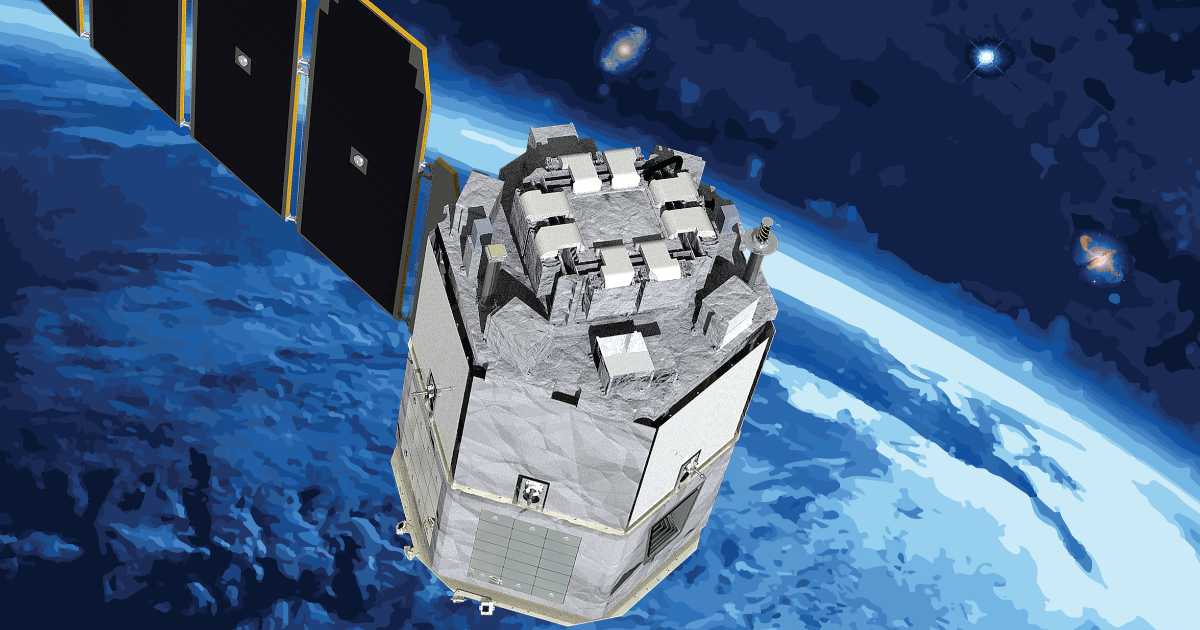
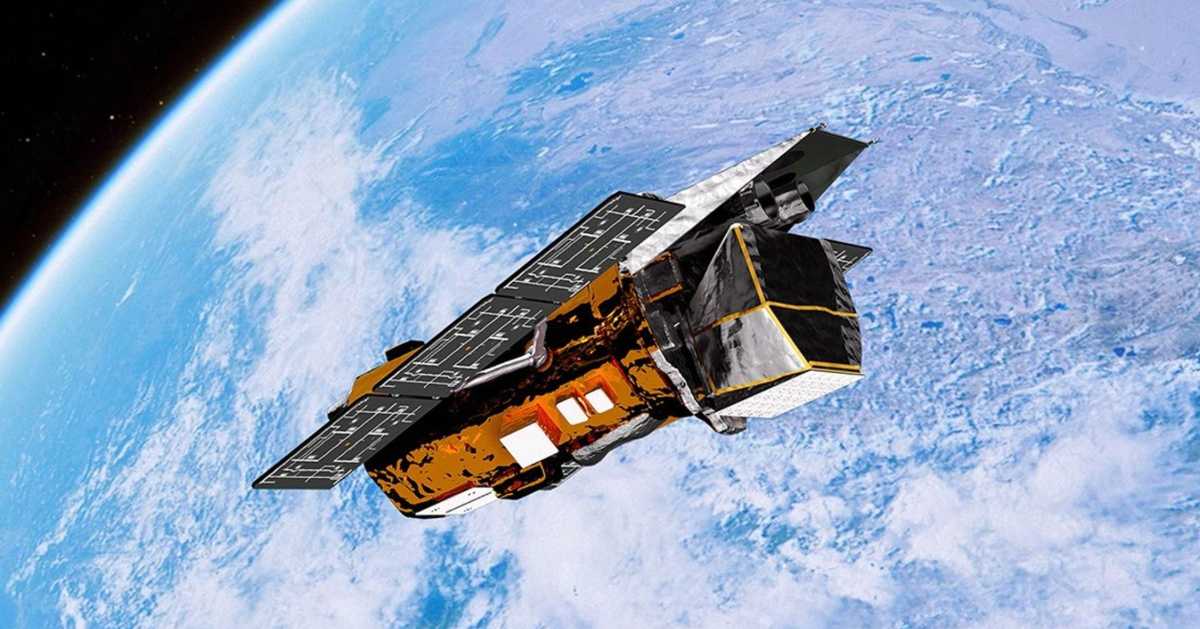
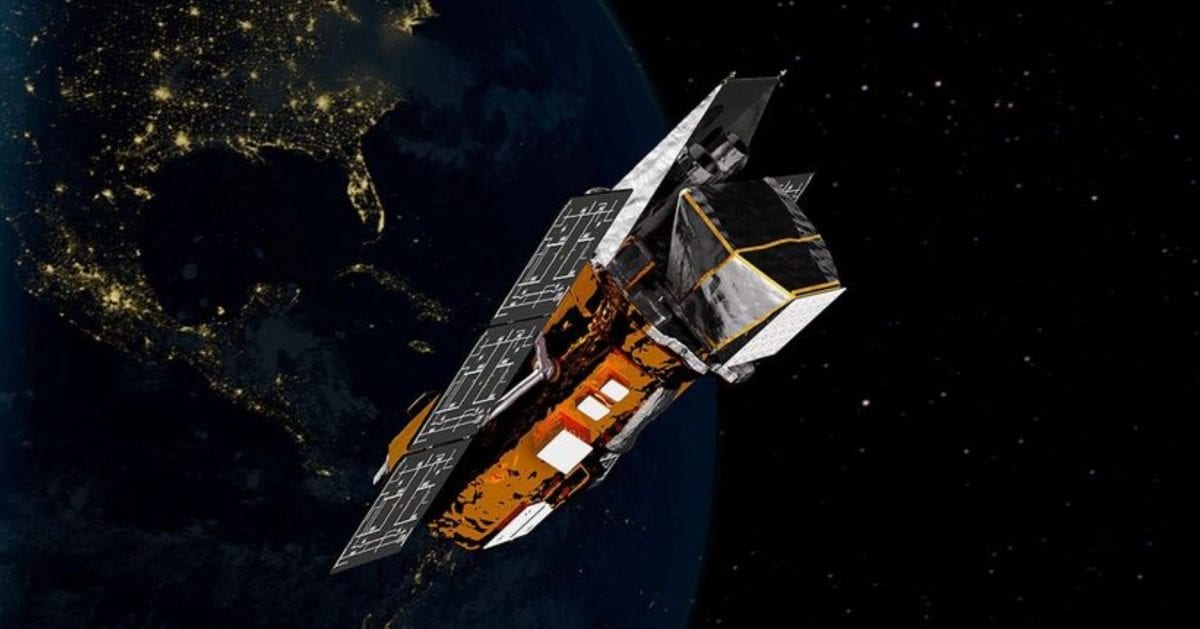
The conception of a new space telescope has reached a key milestone, NASA announced in a recent statement. Called UVEX (Ultraviolet Explorer), the future observatory has cleared a technical and programmatic review known as Key Decision Point C (KDP-C). As its name suggests, UVEX is being designed to perform a survey of the entire sky in ultraviolet light to give astronomers new information about how the galaxies and stars in our universe continue to evolve. The mission is slated to launch in January 2031.
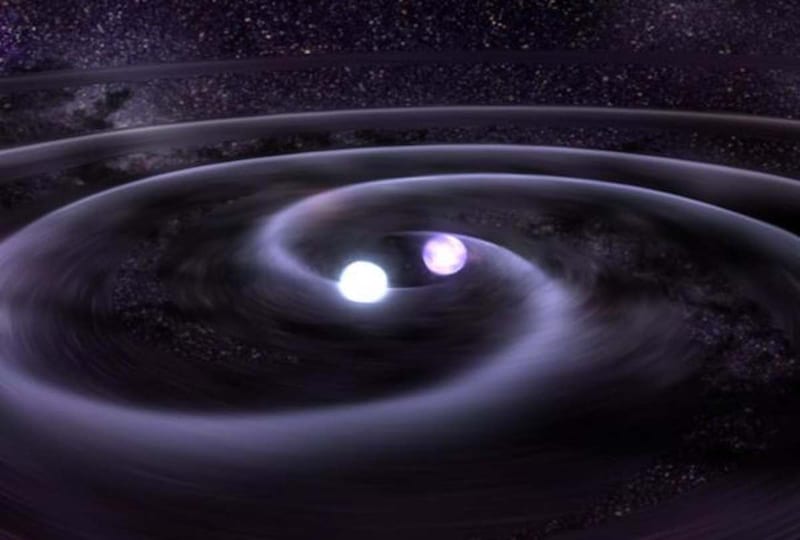
One of the key traits of UVEX that could make it a promising prospect for scientists is the fact that it will be able to pivot quickly in space. This way, it will be able to target sources in the cosmos that emit ultraviolet light and capture the explosive events that happen in the aftermath of bursts of gravitational waves detected by Earth-based observatories. Gravitational waves are best described as ripples in the fabric of space-time triggered by the likes of merging neutron star pairs. NASA recently announced that on October 20, 2026, it lost this ability to respond quickly to transient events like gamma-ray bursts (which are the most powerful explosions in the universe) when its Neil Gehrels Swift Observatory ceased operations after an incredible 22-year run.
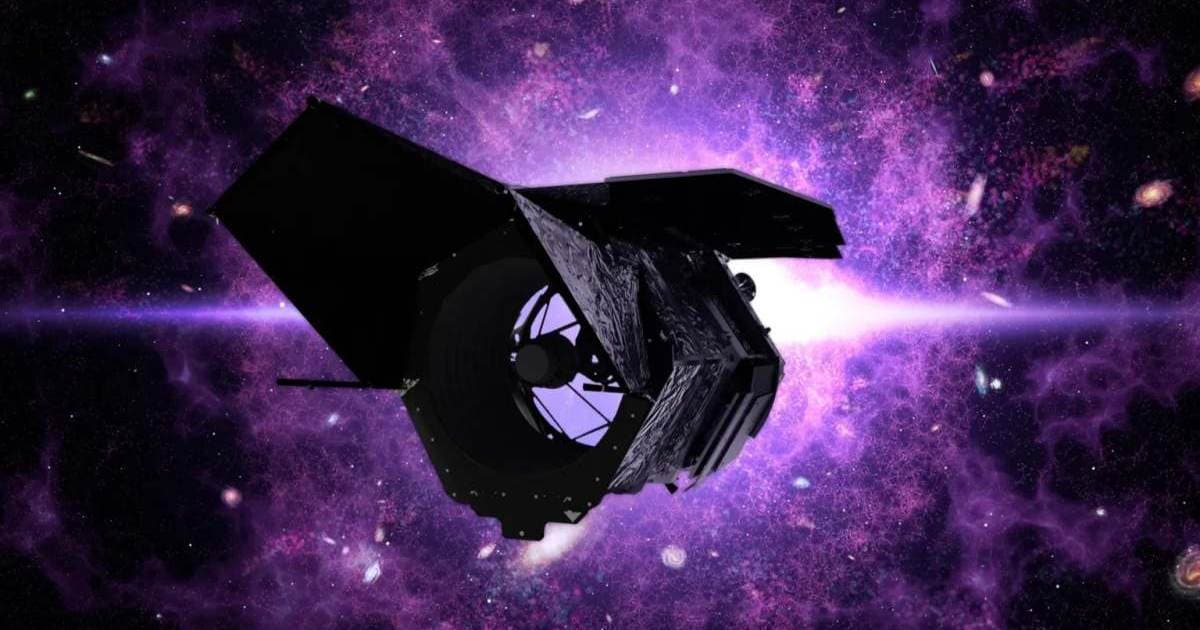
While many of the technical details about UVEX, such as its position in space, remain under wraps, NASA stated that it will work alongside the likes of the Nancy Grace Roman Space Telescope to create a map of the universe that is in keeping with modern technology. The Roman Space Telescope launched in August this year and is currently progressing through its commissioning phase. It is set to arrive at its destination orbiting the second Sun-Earth Lagrange point roughly a million miles away from us in early December and image large swaths of the sky with its 300-megapixel sensor. The advanced observatory has a 5-year primary mission followed by another 5 years for a secondary mission. With NASA estimating it will be able to stretch Roman's operational lifespan to 22 years, UVEX will have plenty of time to scan the skies in conjunction with Roman.
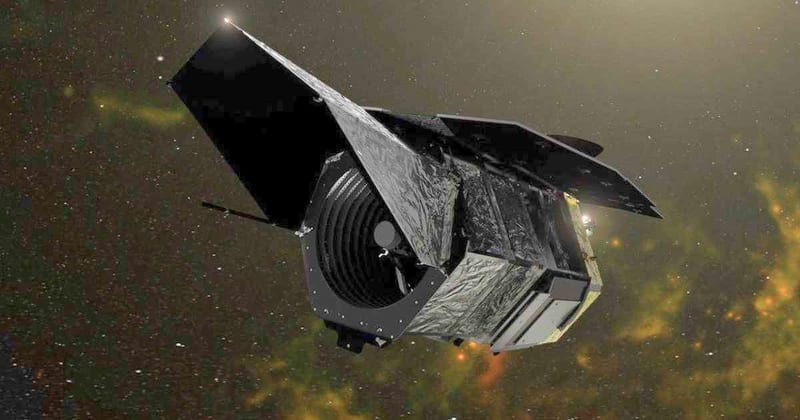
Celestial objects like exoplanets, stars, galaxies, and other deep-sky objects emit light across a wide spectrum of visible and invisible forms, with each hinting at different characteristics of their sources. Because of this, a single observatory is unable to paint a complete picture of what transpires in distant targets. The UVEX mission will serve to complement other telescopes by offering visibility in ultraviolet wavelengths of light. Since Roman is meant to see the universe in visible and near-infrared light, UVEX's ultraviolet vision will add to the treasure trove of data from the universe to enable research into hitherto unseen objects and cosmic events. Another mission, known as PRIMA—planned for launch in 2033—will also add further range in visibility by offering views in far-infrared light.

The principal investigator for UVEX is Fiona Harrison at the California Institute of Technology in Pasadena. The University of California, Berkeley, and NASA's Jet Propulsion Laboratory are some of the other institutions involved in the mission. Other entities like Northrop Grumman and the Space Dynamics Laboratory (a non-profit research corporation owned by Utah State University) are also taking part. The mission was selected for development back in 2024 as a Medium-Class Explorer (MIDEX) mission, and the aforementioned KDP-C review by NASA has now established the cost and schedule commitments that are needed to complete it. At the moment, the agency has set the total life cycle cost of the UVEX mission at $590 million. Going forward, the mission is expected to enter its implementation phase.
More on Starlust
NASA’s Nancy Grace Roman Telescope named one of the best inventions of 2026 by TIME