Rocket Lab launches 101st Electron mission, deploys Earth observation satellite for Japanese company

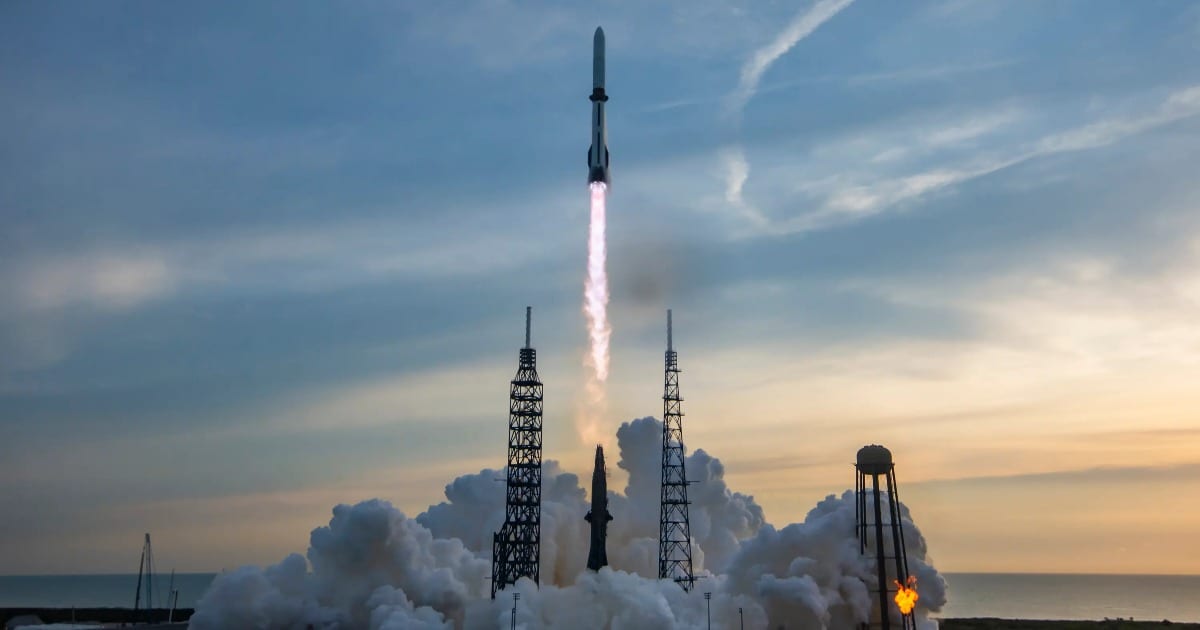
Rocket Lab has completed its 101st Electron flight, launching a new synthetic aperture radar (SAR) Earth observation satellite for Tokyo-based company Synspective's Strix constellation. Dubbed the "Night Owls Never Sleep," the mission achieved liftoff from Rocket Lab Launch Complex 1 in New Zealand at 7:15 p.m. EST on November 26 (1:15 p.m. NZDT on November 27). Taking place within less than two weeks of Electron's 100th launch, the Thanksgiving Day liftoff marked Rocket Lab's 22nd of the year, extending Electron's lead as the most frequently launched small-lift orbital rocket.
We set the pace, and then we break our own records. "Night Owls Never Sleep" was our 22nd launch of the year - a new annual launch record for Electron. https://t.co/pzckdctiOE
— Rocket Lab (@RocketLab) November 27, 2026
Rocket Lab has launched all 14 of Synspective's StriX satellites and has maintained a 100% success record so far. Rocket Lab's CEO, Sir Peter Beck, was, of course, thrilled with the accomplishment and drew attention to it in his post on X.
100% mission success! https://t.co/LiJKOHtkHQ
— Peter Beck (@Peter_J_Beck) November 27, 2026
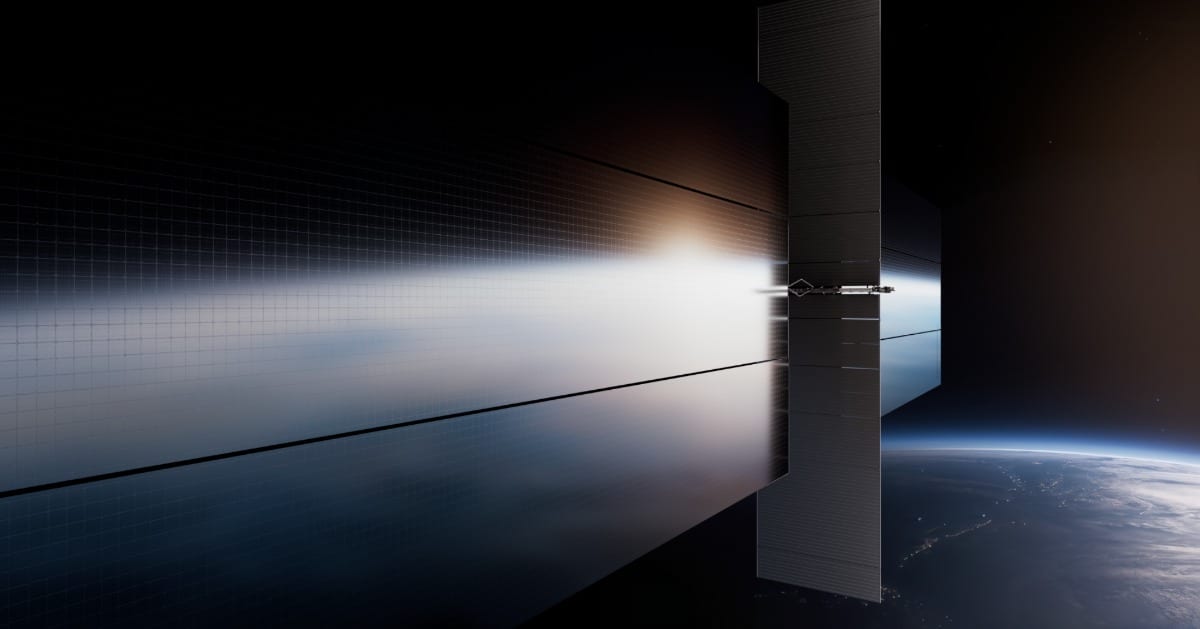
Built to aid disaster response and utilization of natural resources, the StriX constellation gathers high-resolution images of Earth's surface irrespective of the weather conditions or time of day. The latest Electron launch put the 14th satellite into a 569-km (353-mile) low Earth orbit.

Synspective, in fact, is Rocket Lab's biggest customer, having booked a total of 47 launches with the company. This includes this September's 20-launch deal, which is the largest commercial launch contract for the Electron rocket. The missions will take place from 2028 through 2031 and take off from the same launch site as the latest one. "Signing twenty launches in a single deal is a massive vote of confidence not just in Electron, but in the launch cadence, mission reliability, and orbital precision that only Rocket Lab can deliver," Sir Peter said in a statement.
How's the view?! Successful stage separation. https://t.co/7jiS6L2XA7
— Rocket Lab (@RocketLab) November 27, 2026
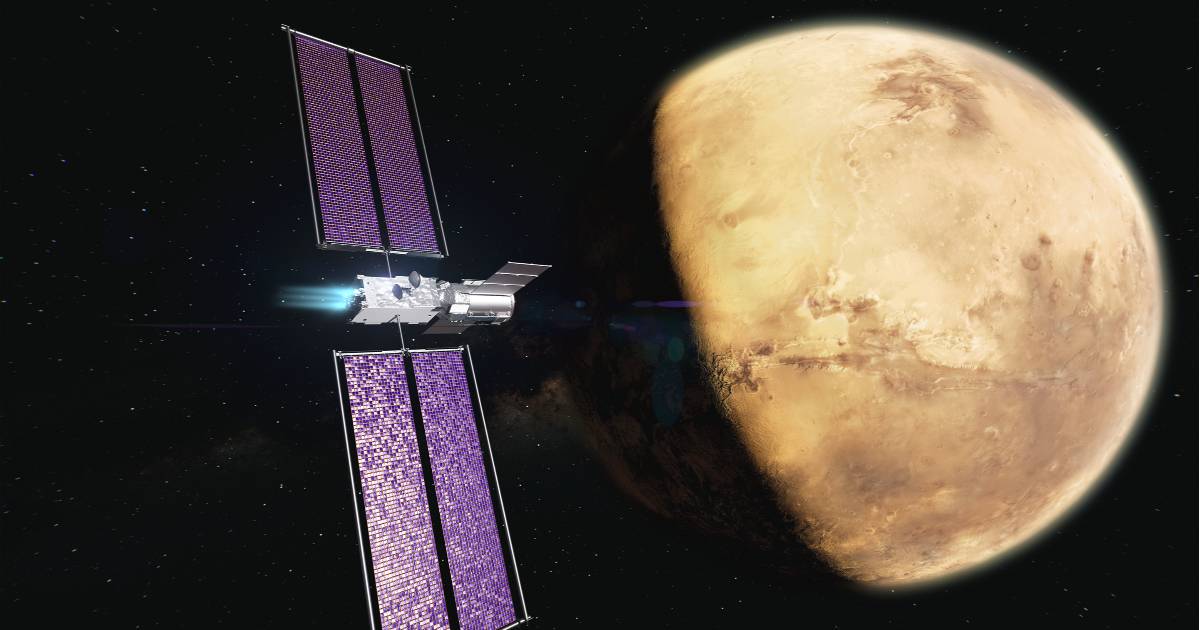
Rocket Lab's mission cadence is indeed impressive. After all, the company's Electron reached a hundred launches faster than any other commercial rocket. Yes, even SpaceX's workhorse Falcon 9, which is known for its cadence. The 100th flight deployed an Earth observation satellite built by another Japan-based company called iQPS. The mission happened to be the 11th iQPS launch and was dubbed "The Mountain God Rises." On the occasion of the historic milestone, Sir Peter Beck revealed on X that more than 55 spacecraft are in the development and production phase at the company, with missions booked on the Electron, HASTE, and Neutron rockets worth more than $1 billion. It should be noted that HASTE is a suborbital launch vehicle designed by the company, which aims to test hypersonic technologies. “We're delivering spacecraft and components to the Moon, Mars, and intend to operate our own constellation and space services for millions of people on Earth. It's the grand master plan playing out,” he said.
More on Starlust
Rocket Lab protests NASA’s $700 million contract awarded to Blue Origin to build a Mars orbiter
Rocket Lab delays next-gen Neutron rocket’s debut to 2027: Here’s what went wrong