Blue Origin's New Glenn 2027 return flight delayed by couple of weeks, according to CADENA
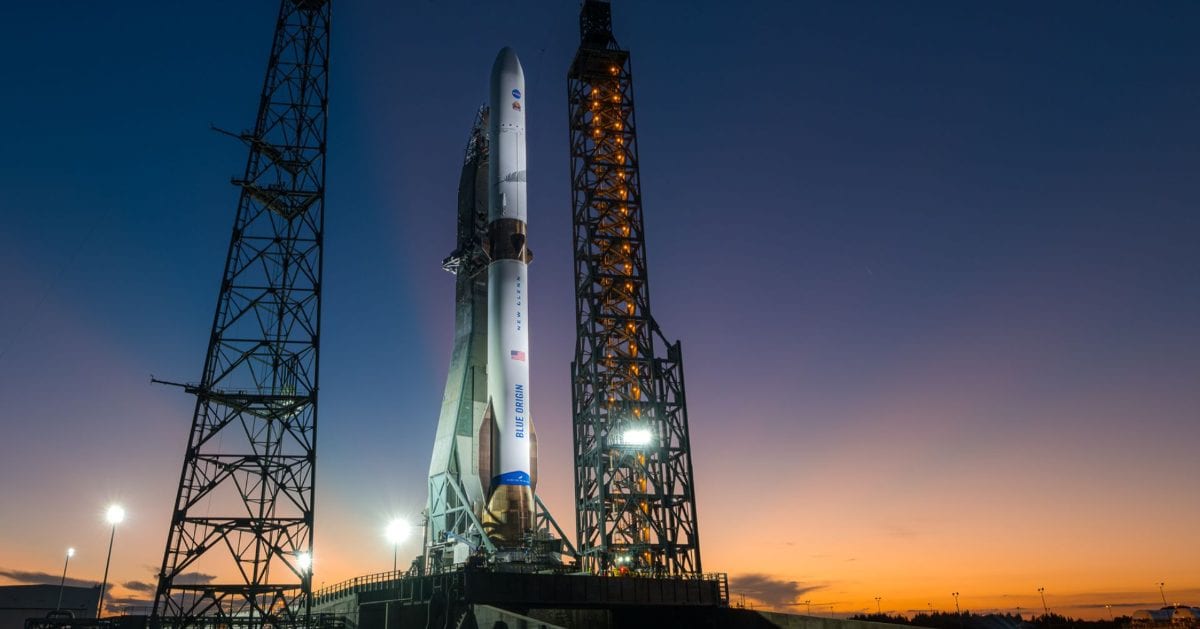
Blue Origin’s New Glenn rocket is on track for a January 2027 return, but the launch seems to have been delayed by a couple of weeks. According to a new CADENA space operations presentation, New Glenn’s launch will take place no earlier than January 22. The previous targeted date was January 8. The presentation also includes a second New Glenn mission scheduled for February 20.
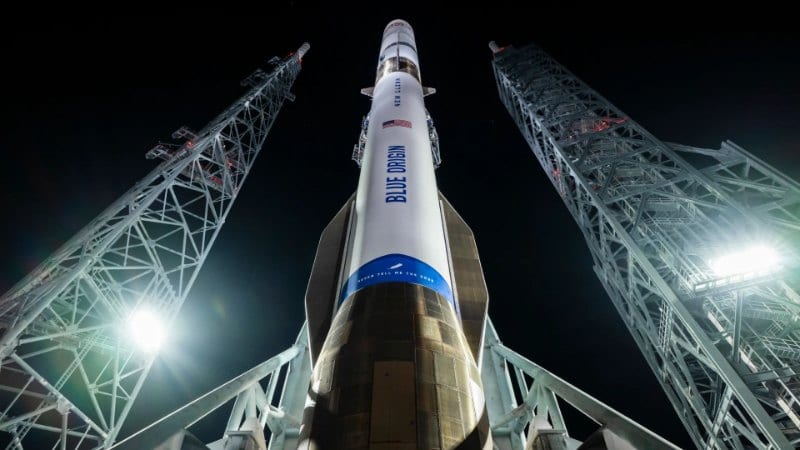
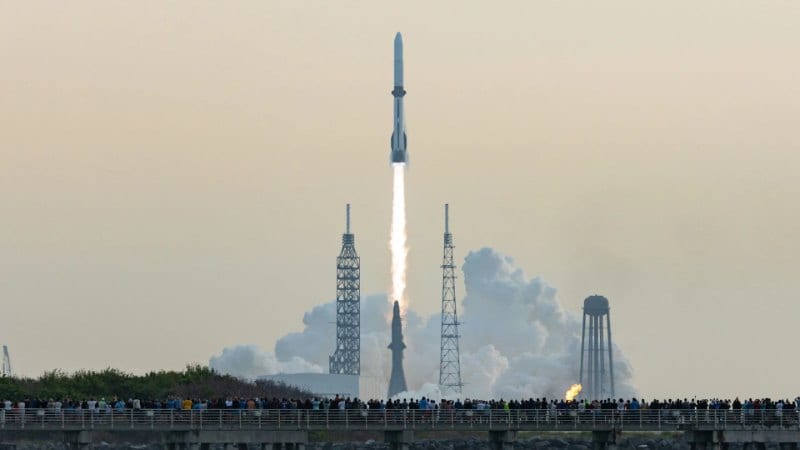
Blue Origin halted all New Glenn operations after its explosion at the launch pad in Cape Canaveral in May. The rocket was out on the pad for a static fire test when an anomaly in one of the BE-4 engines on the first stage booster caused it to explode. The accident caused extensive damage to the pad and the surrounding infrastructure and the engineers spent the last few months reconstructing it. Earlier this month, Blue Origin CEO Dave Limp made the announcement about New Glenn’s return in January; however, the previous plan was to launch it in late 2026.
Blue Origin's New Glenn just blew up at LC-36 while attempting to Static Fire ahead of NG-4. https://t.co/tANS0dWyIH https://t.co/PztxFoBqIw
— NSF - NASASpaceflight.com (@NASASpaceflight) May 29, 2026
In his message to his employees, Limp applauded their efforts to restore the pad at an impressive pace while acknowledging that there’s still some work to do. “In just six months, Team Blue has accomplished what many thought would take years,” he said in the internal update. “We recovered the wreckage in 12 days, repaired and restacked the Vehicle Access Tower, found and fixed the issue that caused the anomaly, and, most recently, restored the launch bridge.”
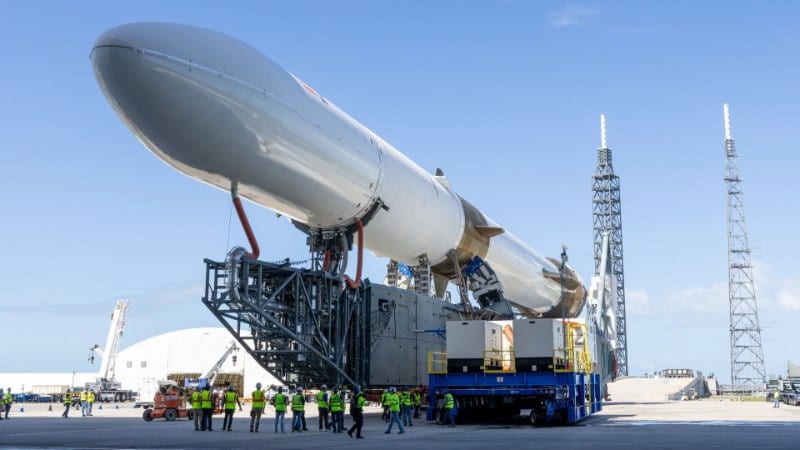
When New Glenn returns to flight, Team Blue will be resorting to a new method of preparing the rocket for orbital missions. It is adopting a hybrid horizontal-vertical integration method wherein the integrated rocket will be rolled out horizontally and erected at the launch pad. The payload will then be added vertically to the upper stage after the rocket is upright. A transporter-erector that was used to transport an already upright rocket to the launch pad was destroyed in the explosion.
The two-stage New Glenn has two versions—the one with seven engines in the first stage and two in the second stage (the 7X2 configuration) and a bigger and more powerful 9X4 configuration. The former stands 322 feet (98 meters) tall with a payload capacity of 14.3 tons to geostationary transfer orbit (GTO) and 50 tons to low-Earth orbit (LEO). All three New Glenn missions so far have been launched on the 7X2 version. There’s also the soon-to-debut 9X4 version that will measure 400 feet (122 m) tall, with a payload capacity of 15.4 tons to Geostationary Orbit Direct and 77 tons to LEO. Interestingly, Blue Origin has announced that it has developed a third stage (GS3) that will enhance New Glenn’s capabilities on long-duration missions to challenging orbital destinations. In a November 5 update, it said that GS3 is already under contract by a government customer for a cislunar mission that is targeted for launch in 2028.
More on Starlust
$2 billion boost to speed up Artemis: White House seeks additional funding for NASA from Congress
Russia may launch nuclear-armed satellite into orbit as soon as December, reports warn
Blue Origin's New Glenn rocket booked for two satellite missions by EnduroSat