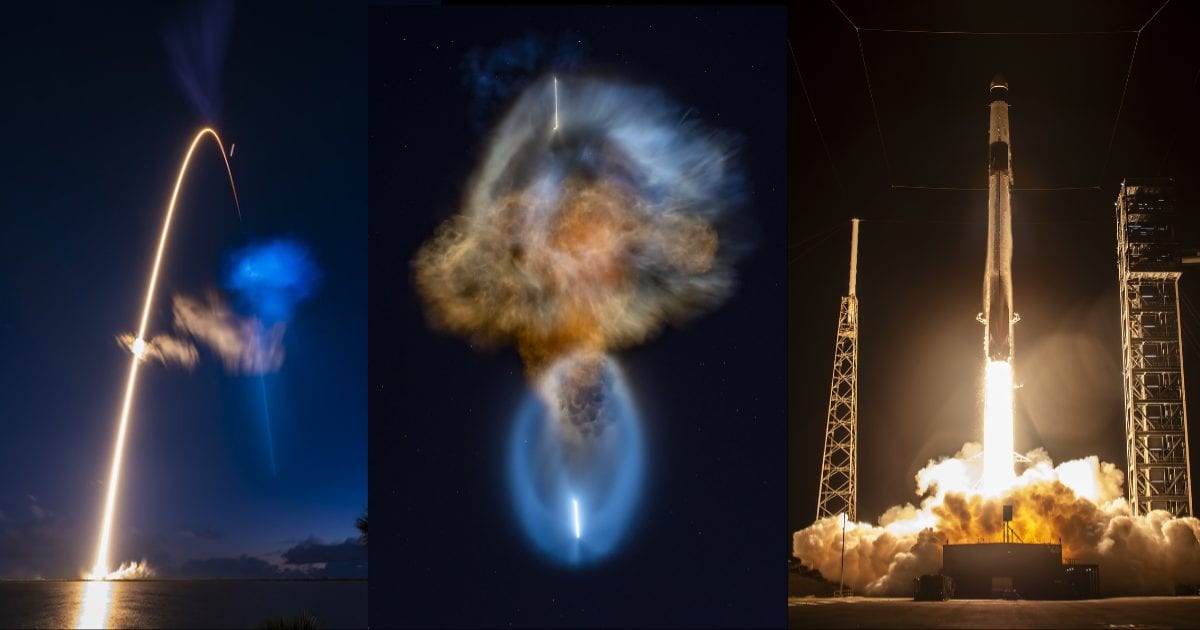
NASA’s Nancy Grace Roman Telescope launched atop SpaceX Falcon Heavy to unravel mysteries of the dark universe
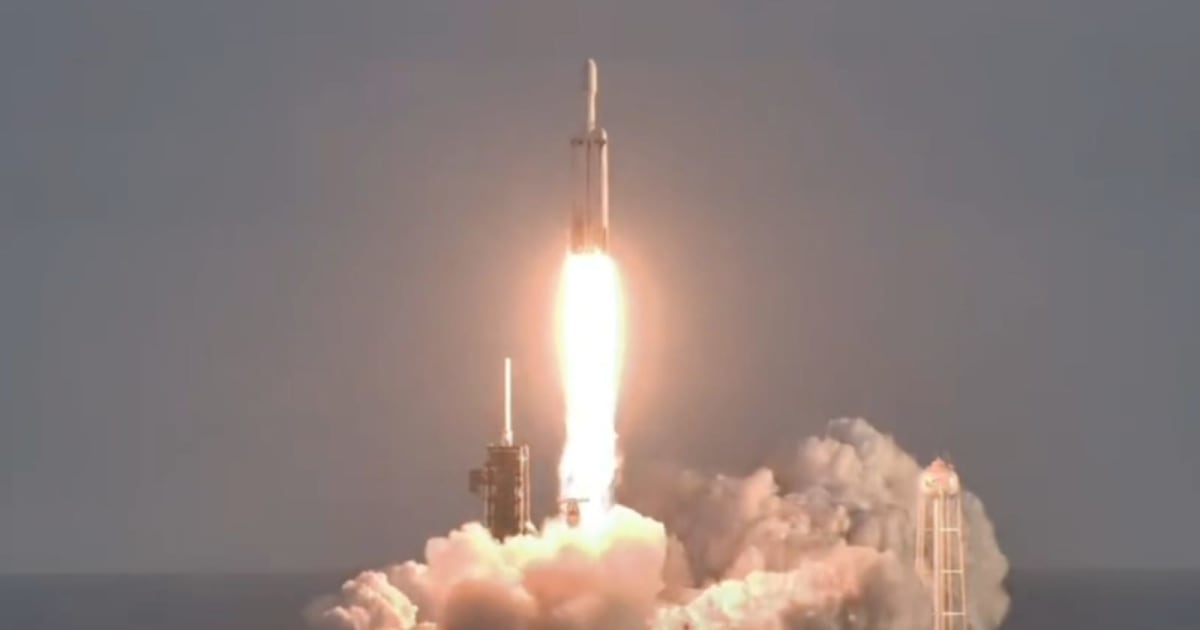
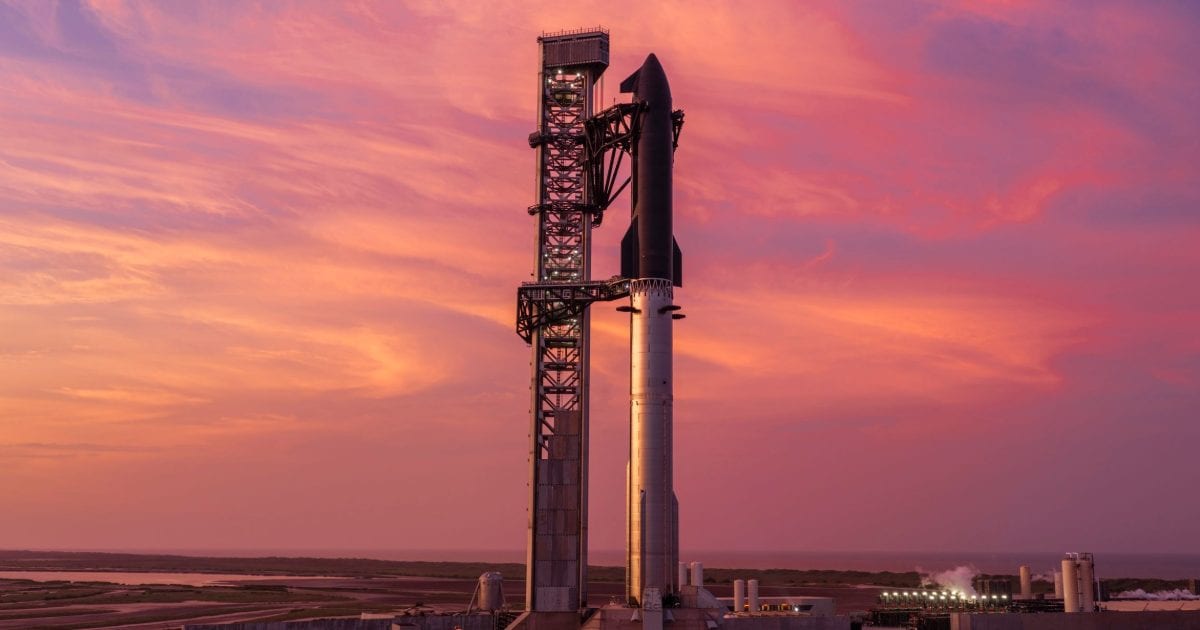
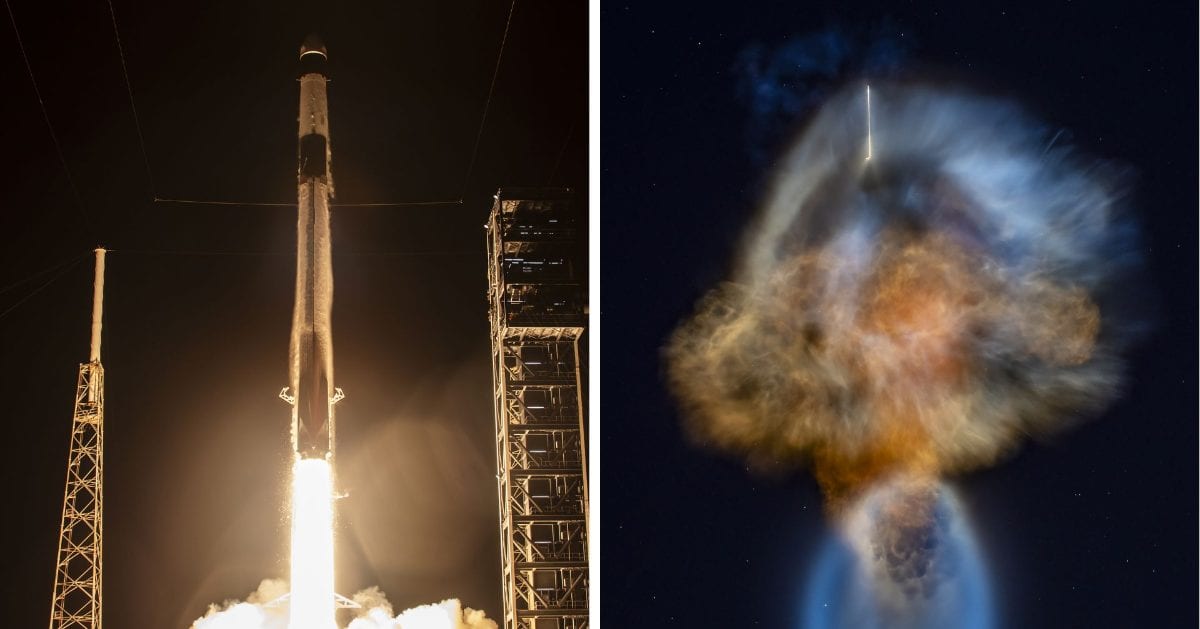
NASA’s Nancy Grace Roman Telescope is finally enroute to deep space. The brand-new observatory lifted off at 7:26 am ET on August 30 from NASA’s Kennedy Space Center in Florida atop the Falcon Heavy rocket, SpaceX’s most powerful operational rocket. This mission marked Falcon Heavy's second mission this year and the first and third flights of the two first-stage side boosters—the latter has previously supported GOES-U and Viasat-3 F3 missions.
Falcon Heavy lifts off from pad 39A in Florida for the 13th time! pic.twitter.com/qh63XvOVtV
— SpaceX (@SpaceX) August 30, 2026
About nine minutes post-liftoff, the two boosters of Falcon Heavy touched down flawlessly on Landing Zones 2 and 40 (LZ-2 and LZ-40) at Cape Canaveral Space Force Station in Florida. And nearly 32 minutes after the launch, the telescope was successfully separated from Falcon Heavy’s second stage, flying free to its destination.
The Roman telescope is headed toward the second Earth-Sun Lagrange Point or L2, which is nearly a million miles from Earth. This location will provide an efficient 'parking spot' for the telescope that will reduce fuel usage and offer an unobstructed view of the universe. The observatory has launched nine months ahead of schedule and has a primary lifespan of five years. NASA says it is also designed to support five additional years if the mission is extended. Apart from Roman, the L2 also hosts the James Webb Space Telescope and the Euclid telescope.
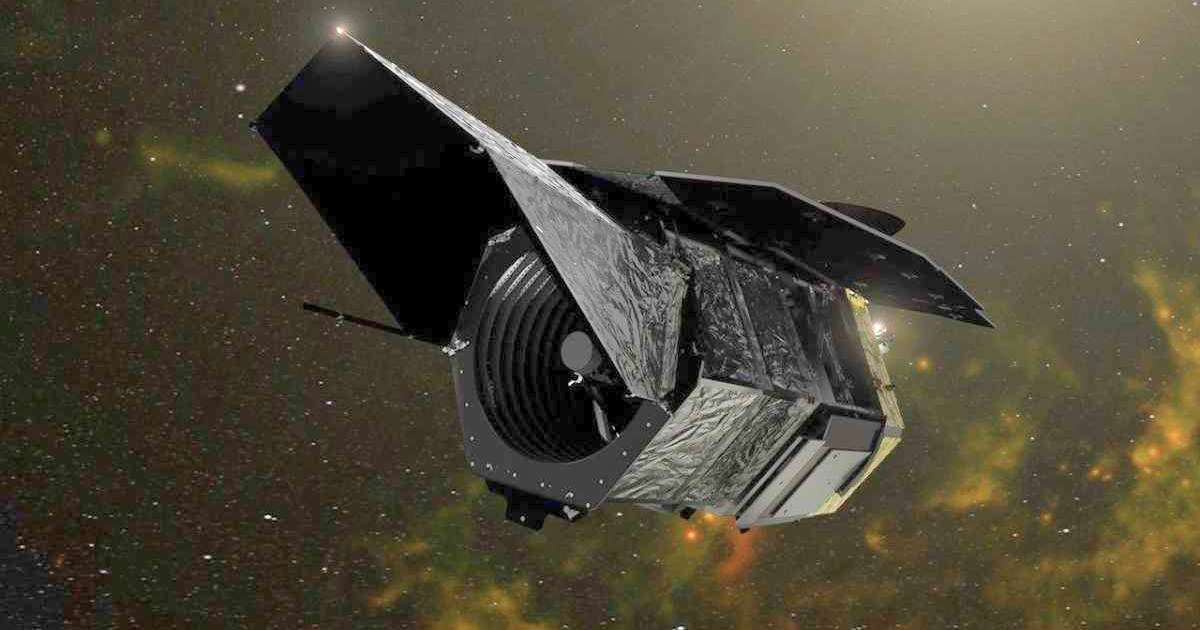
Named after Nancy Grace Roman—an astronomer and NASA’s first female executive—the telescope’s objectives are to unravel mysteries of the dark universe and boost efforts to study exoplanets. It was reportedly built at a cost of over $4 billion and measures over 42 feet (12.7 meters) long and more than 14 feet (4.4 meters) wide with a 7.9-foot (2.4 meters) primary mirror. The mirror is the same size as the one on the Hubble telescope, but Roman’s field of view will be at least a 100 times greater than Hubble’s. With its enhanced capabilities, Roman will image 50 times as much sky (from visible light to infrared) as Hubble has been able to capture in 30 years, that too a thousand times faster, says NASA.
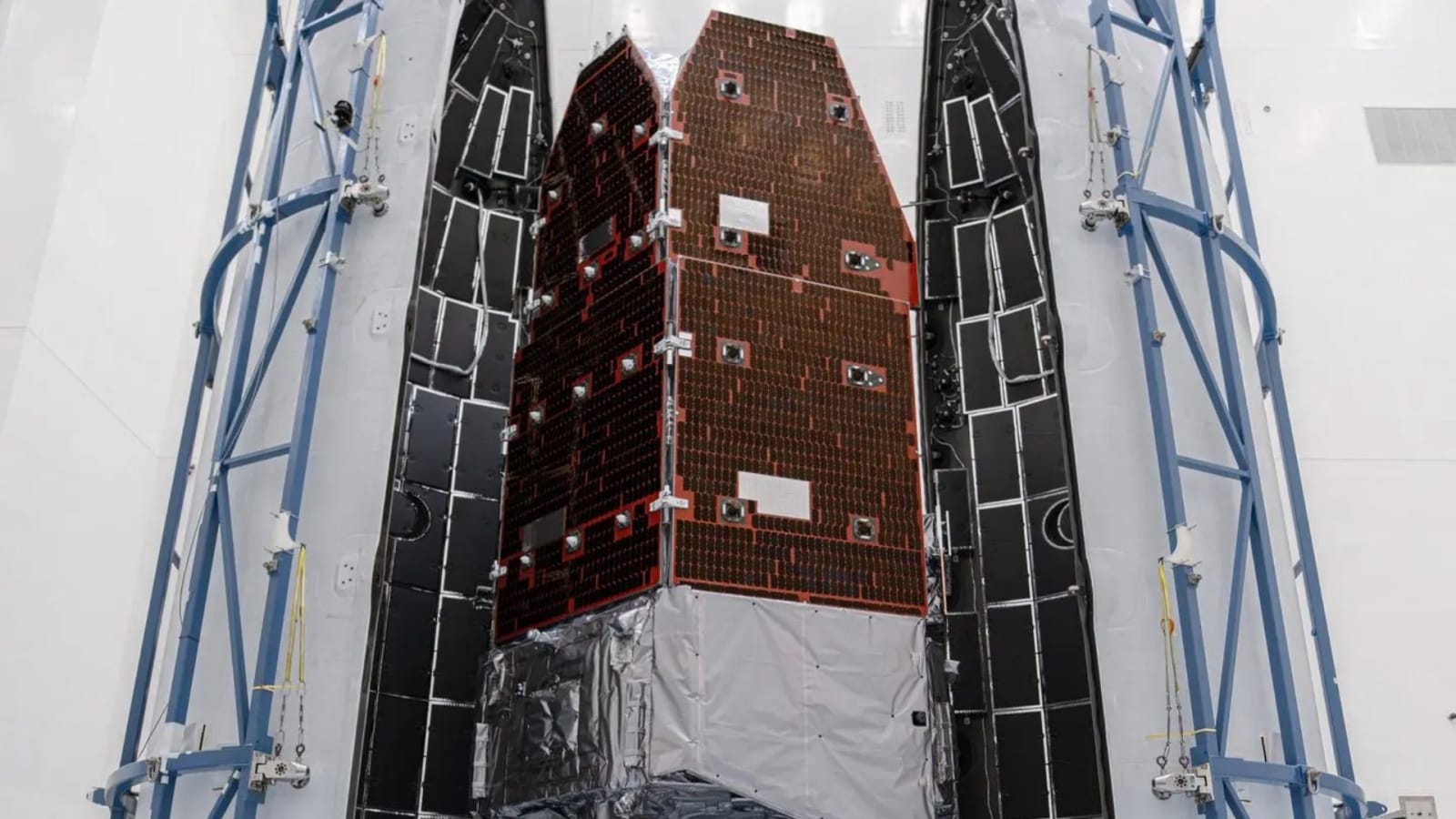
Roman is equipped with a Wide Field Instrument which features a 300-megapixel, near-infrared camera that will allow it to study dark energy, dark matter, find exoplanets and map the infrared sky. It also has a coronagraph to directly image Neptune-sized planets around other stars by blocking the glare from those stars.
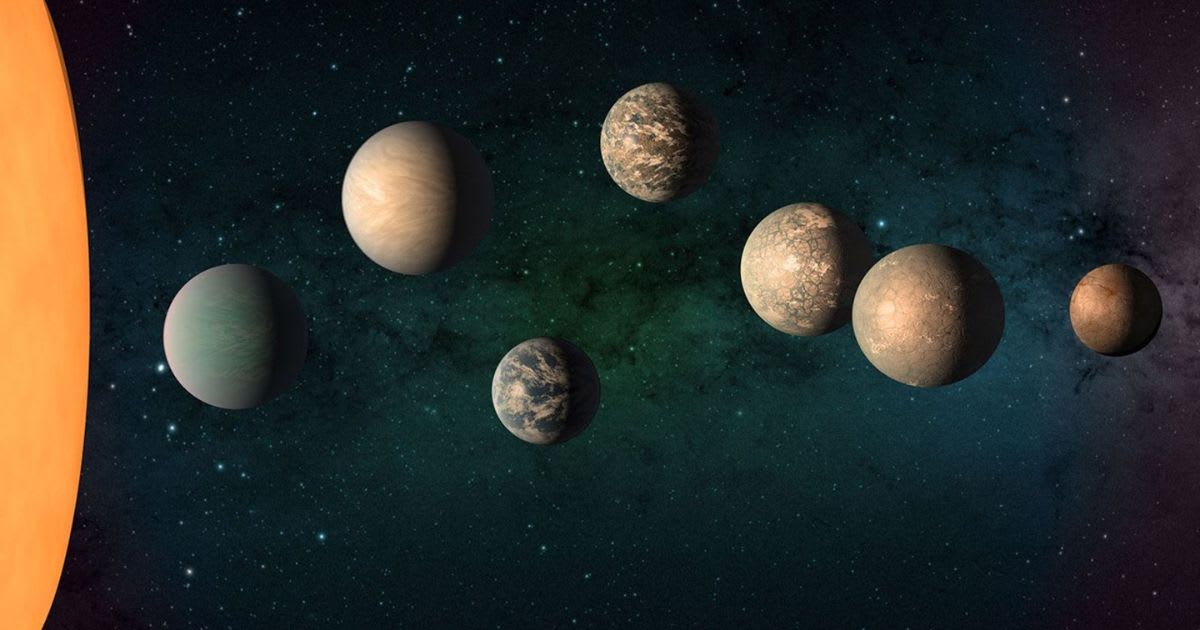
During its lifetime, Roman will also image billions of galaxies as well as black holes and thousands of exploding stars called supernovae to investigate the effects of dark energy on the expansion of the universe. Its unprecedented view of the cosmos will also reveal how common solar systems like our own are and how many planets are potentially habitable.
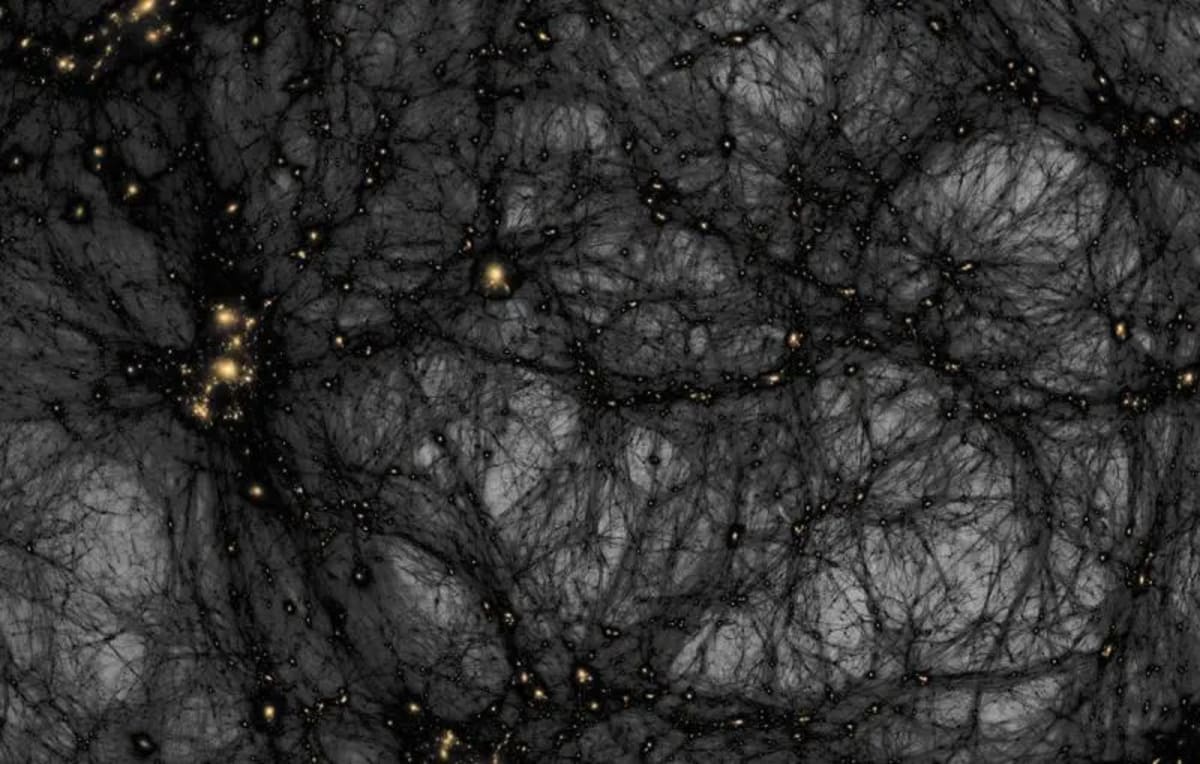
“From objects in our outer solar system and exploding stars to growing black holes and galaxies by the billions, very little will be beyond Roman’s reach,” a NASA statement read. Over the next three months, the mission team will carry out a series of deployments, calibrations, and tests before Roman is ready for observations. Operations will begin once the commissioning phase is over and the first images by Roman are expected to arrive in early 2027.
More on Starlust
NASA’s Roman Space Telescope may finally reveal how the universe's first black holes formed
How NASA's Roman Telescope will find hidden 'rogue' planets despite challenges in observing them