SpaceX plans on 'winding down Falcon' once Starship becomes operational
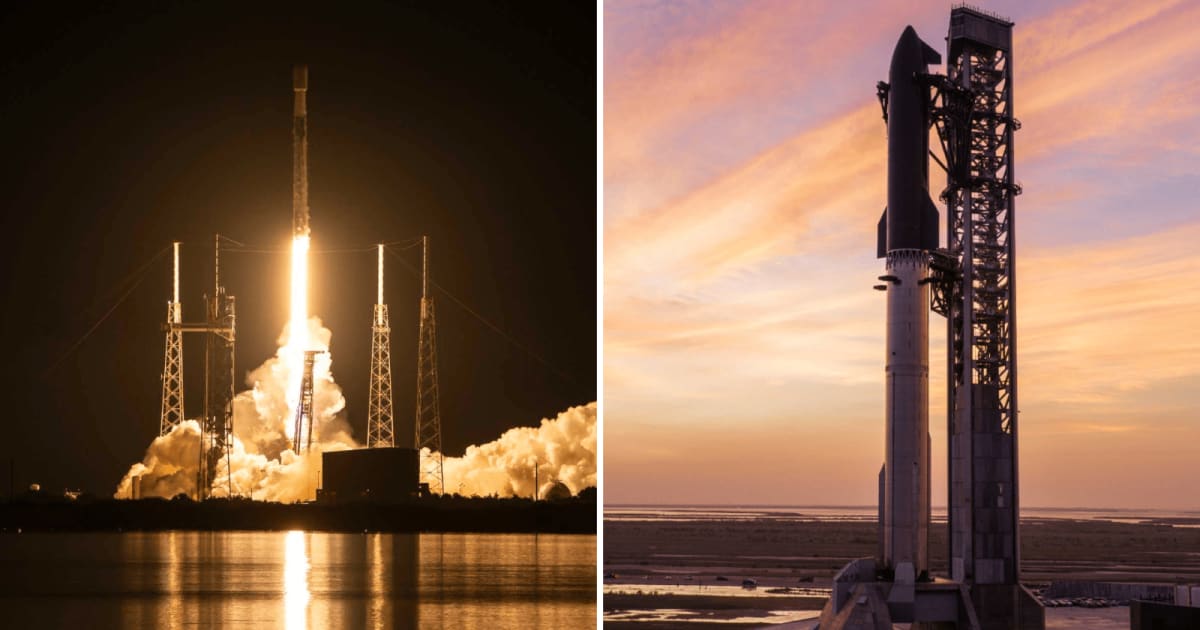
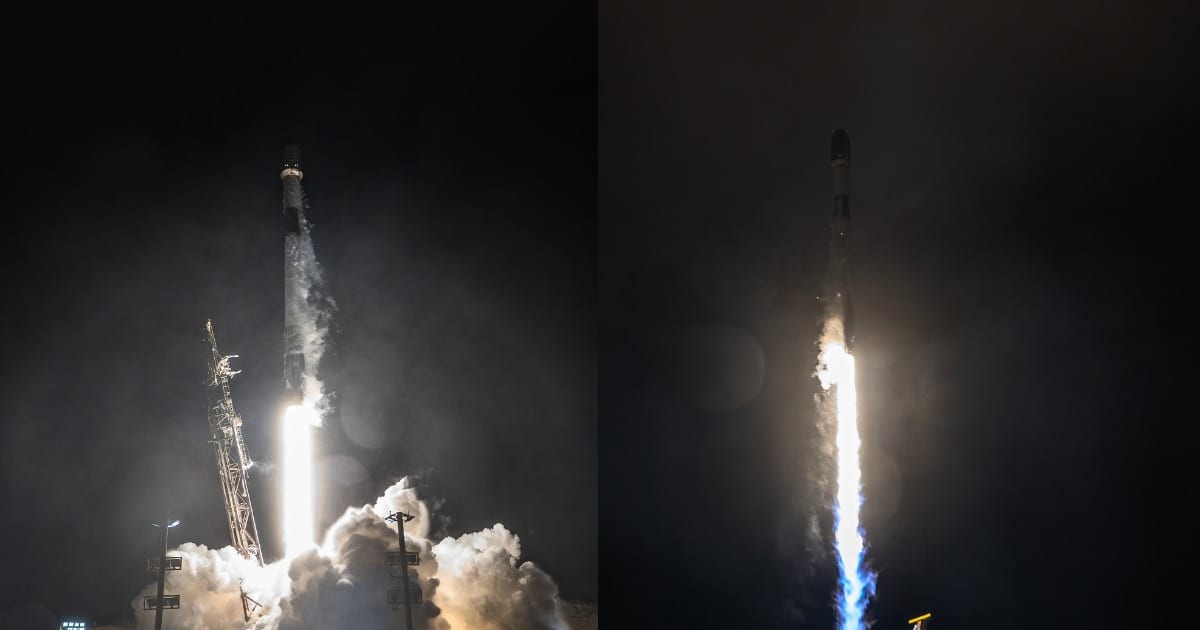
SpaceX's Falcon 9, which has more than 650 launches under its belt, is slowly nearing the end of its service. "Once Starship is flying reliably several times per week, it makes sense to shift super scarce SpaceX engineering and production resources to Starship to get launch rate to several times per day, which means winding down Falcon," the company's founder, Elon Musk, wrote in a post on X dated August 22.
Once Starship is flying reliably several times per week, it makes sense to shift super scarce SpaceX engineering and production resources to Starship to get launch rate to several times per day, which means winding down Falcon
— Elon Musk (@elonmusk) August 22, 2026
The company's president and COO Gwynne Shotwell had already said that the Falcon 9's operational lifetime may end in either 2030 or 2032, and reports suggest that the "winding down" process may have already begun.
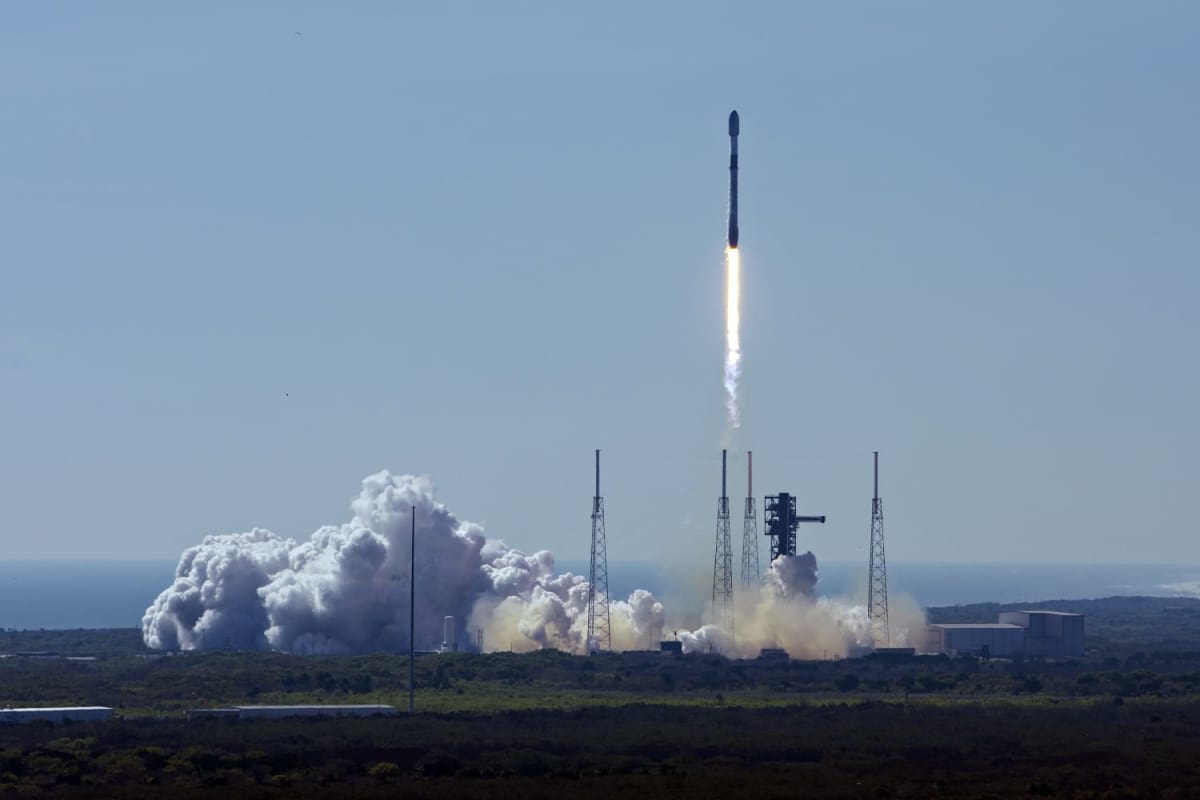
The Falcon 9 flew 165 times in 2025, and an Ars Technica report estimates that the number will drop by about 20 this year. The report also claims that SpaceX has informed the U.S. government that it intends to halt all commercial launches after 2028 and will only fly the Falcon 9 rocket for a select few federally contracted missions after that.

This may be a reflection of SpaceX's business numbers. Of the $7.81 billion revenue that the company recorded in the second quarter of 2026, $4.29 billion came from Starlink, its internet satellite constellation. Space services, meanwhile, accounted for just $962 million.

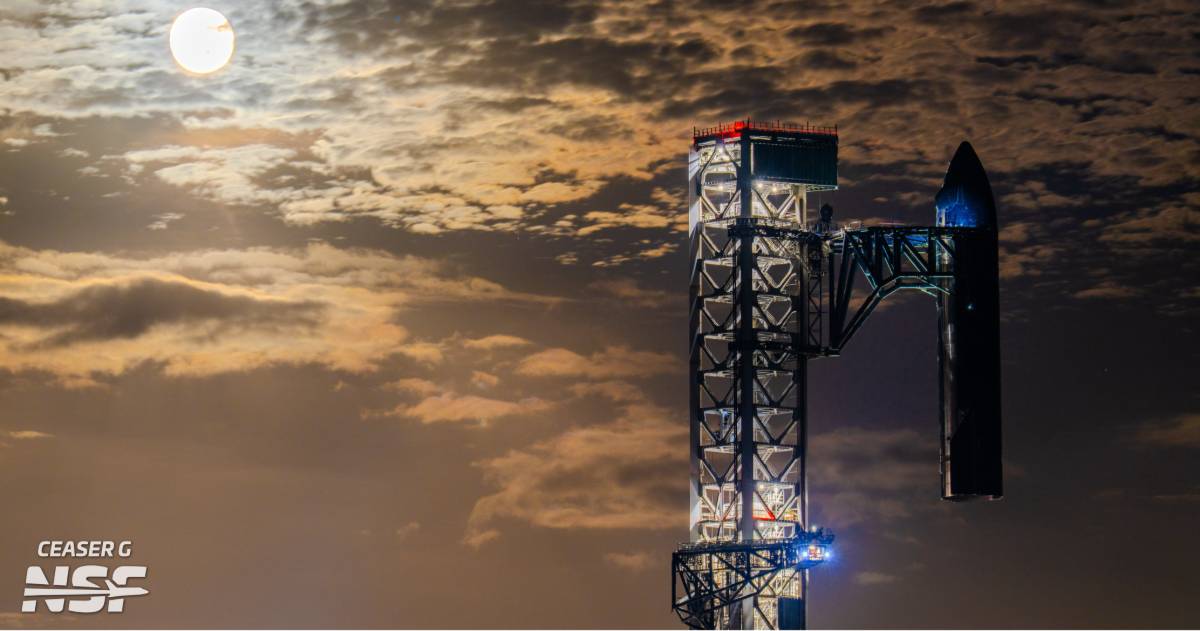
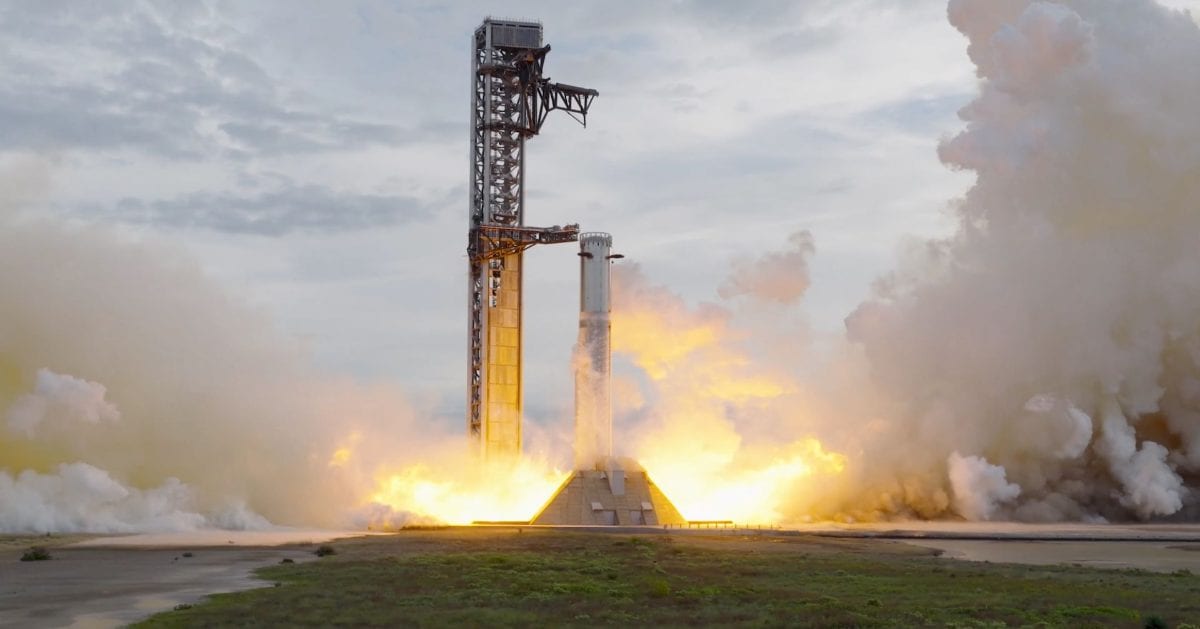
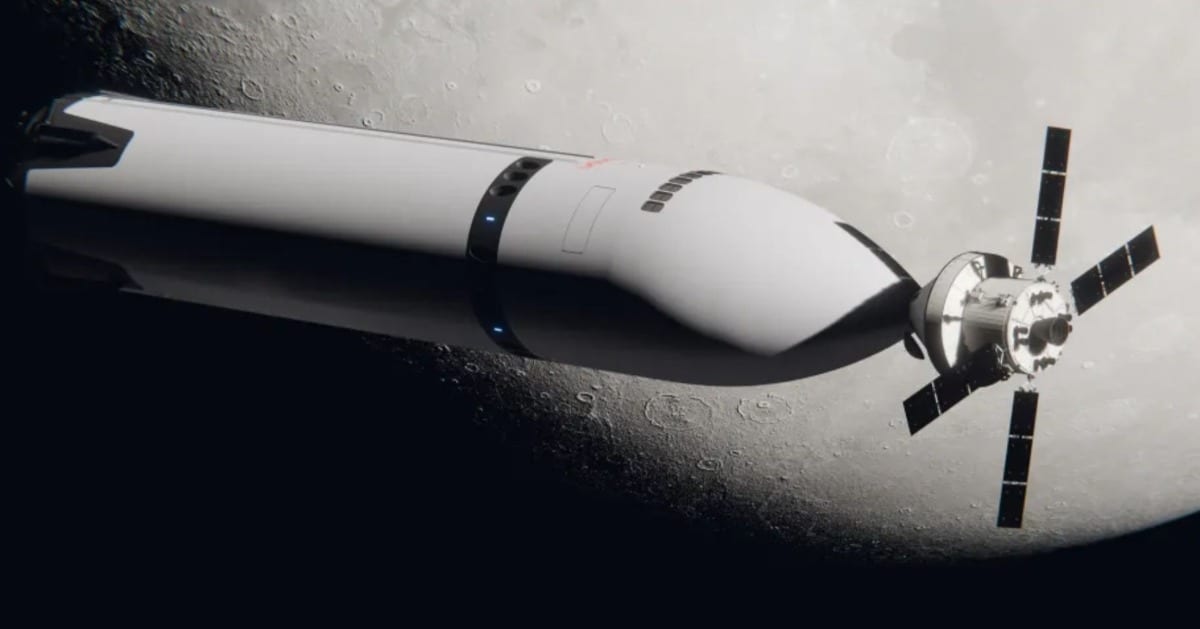
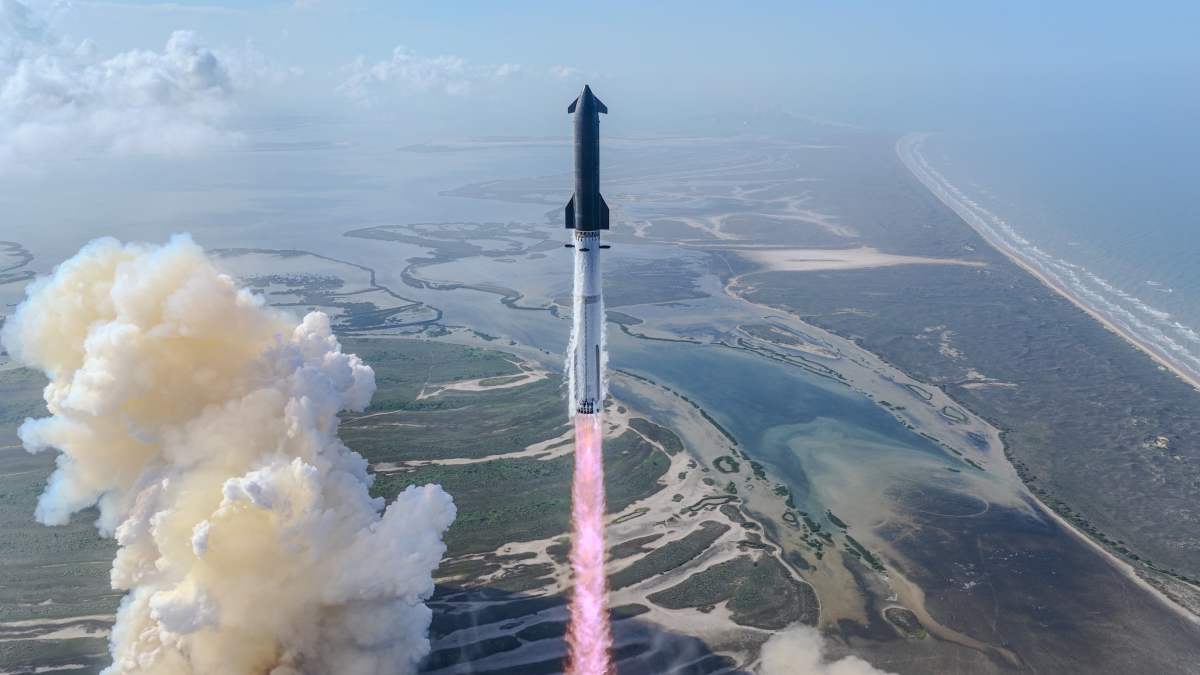
Priorities are likely going to be the same even with the 408-foot Starship V3 rocket, with SpaceX planning to build a constellation of the latest Starlink V3 satellites and launch its own orbital data centers. Unlike the Falcon 9 and the Falcon Heavy, whose upper stages are expendable, Starship is built to be fully reusable and can carry more than 100 metric tonnes of payload in that configuration.
While commercial launches will certainly not come to a standstill after the Falcon 9 rocket is retired, the future does look a little bleak. The Ariane 6 rocket, which debuted in 2024, has a good track record but has a very low production target at just ten vehicles a year. The Vulcan, meanwhile, has experienced repeated issues with its solid rocket boosters, so much so that it forced the U.S. Space Force to reassign some of its missions to Falcon 9. Blue Origin's New Glenn rocket would have filled the vacuum nicely, considering it is also designed to be reusable. But the rocket blew up during a static fire test in May, ahead of what would have been just its fourth launch. The rocket is now out of commission at least until the end of this year.

Of course, there is no reason to get too far ahead of ourselves. Starship still has to tread a long and tricky road ahead before it can launch several times a day. After all, the rocket is yet to reach orbit. Moreover, SpaceX hasn't been able to catch the rocket's upper stage yet. Musk was planning to do it during the vehicle's fourteenth test flight, but has decided against it.
More on Starlust:
SpaceX finally hauls Starship's Ship 40 to Christmas Island after 24 days lost at sea
NASA’s Roman Telescope takes one step closer to launch, gets enclosed in SpaceX Falcon Heavy fairing