ISS to receive tons of cargo this week through Northrop Grumman's CRS-25 mission—launch time, livestream, other details
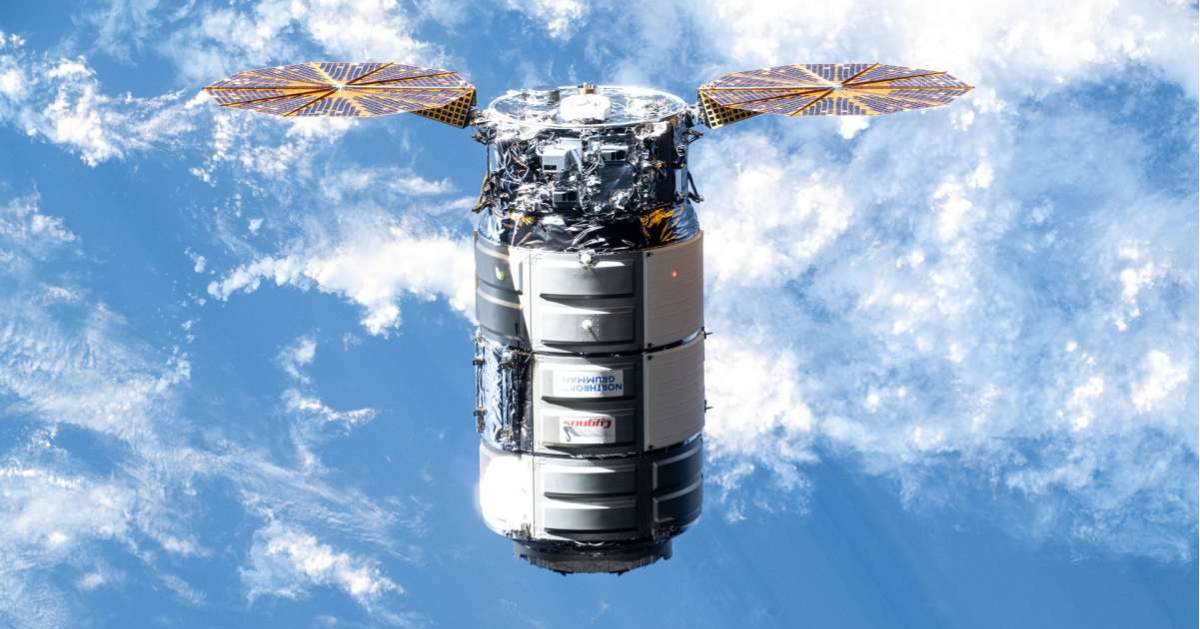
The International Space Station (ISS) is set to receive thousands of pounds of cargo soon, with aerospace major Northrop Grumman all set to carry out its 25th Commercial Resupply Services (CRS) mission at the end of this week. Here's everything you need to know about the mission, which is being carried out in collaboration with NASA and Elon Musk-led SpaceX.
When will Northrop Grumman CRS-25 launch?
As per NASA, the Northrop Grumman CRS-25 mission is targeted for no earlier than 10:47 a.m. EST on Sunday, November 29. The mission will involve a Northrop Grumman Cygnus XL spacecraft, which will be launched atop a SpaceX Falcon 9 rocket from the Cape Canaveral Space Force Station in Florida. The rocket's booster, named B1096.9, will perform a return to Cape Canaveral, landing at Landing Zone 40, as per SpaceX's Director of Flight Reliability Jared Metter.
Details of the Northrop Grumman CRS-25 mission
The Cygnus XL spacecraft that is being sent to the ISS will carry roughly 11,000 pounds of cargo, including essential supplies, science experiments, and other equipment for the astronauts living aboard the space station. This particular Cygnus spacecraft—the S.S. James ‘Jim’ A. Lovell—has been named after NASA astronaut James Lovell, who flew four missions, including Apollo 8 and Apollo 13, and Gemini VII and XII.
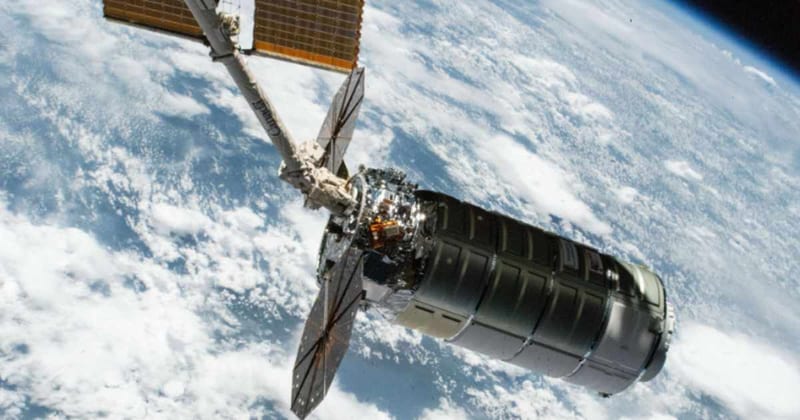
Once the Cygnus XL spacecraft reaches the orbital laboratory, NASA astronauts Jessica Watkins and Luke Delaney will remotely capture it using the space station's Canadarm2 robotic arm. This rendezvous is expected to take place on December 1, and following Cygnus's capture, ground controllers will berth it to the ISS Unity module's Earth-facing port to allow for the cargo to be unloaded.
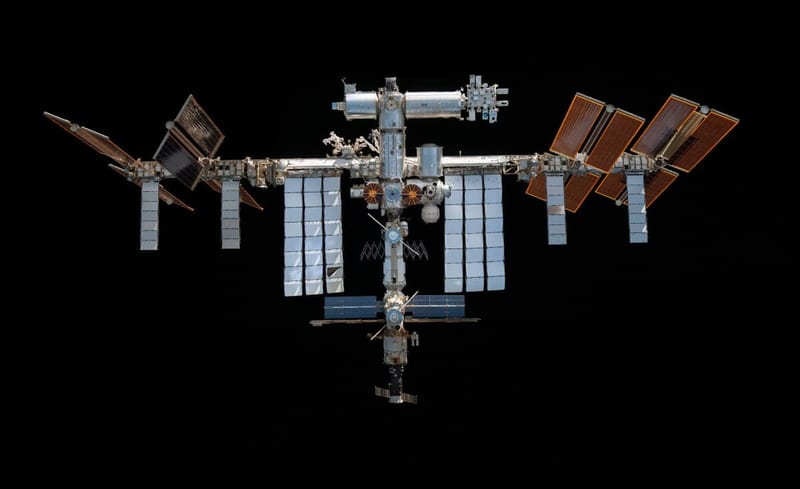
The Cygnus XL spacecraft, however, will not immediately return to Earth after the supply run, but will remain attached to Unity for several months. As per the current mission plan, Cygnus will remain attached to the ISS until May 2027, when it will depart with thousands of pounds of unneeded cargo and items meant for disposal, burning up in Earth's atmosphere on reentry.
What experiments will Northrop Grumman CRS-25 deliver to the ISS?
The Cygnus XL spacecraft being sent to the ISS this week will have a bevy of science experiments, mostly focused on medical research. According to NASA, these will involve drug delivery mechanisms for cancer and osteoarthritis, experiments to predict the spread of cancer, as well as testing treatments for muscle loss. In addition, Cygnus will also deliver experiments focusing on improving radiation sensing and advancing food production, the latter being a prerequisite for future, long-duration space missions.
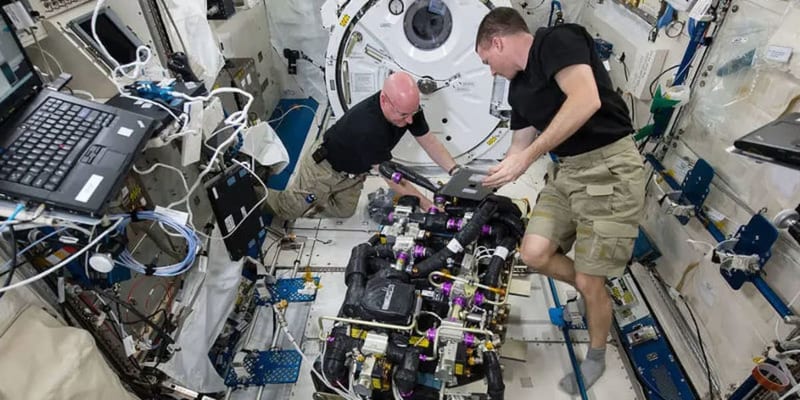
To date, Northrop Grumman's Cygnus spacecraft has delivered more than 169,000 pounds of supplies and science experiments to the ISS, having had its first operational mission to the orbital laboratory more than 12 years back in 2014.
Northrop Grumman CRS-25 livestream details
NASA will stream the launch of Northrop Grumman CRS-25 on its website, with on-demand video of the mission and photos becoming available on NASA+ after liftoff. The launch can also be streamed on NASA's X handle and YouTube channel, Amazon Prime, and Discovery+. Further, those interested can also tune in as a virtual guest for the launch of the mission, which will offer select mission resources, up-to-date mission information, and a commemorative stamp.
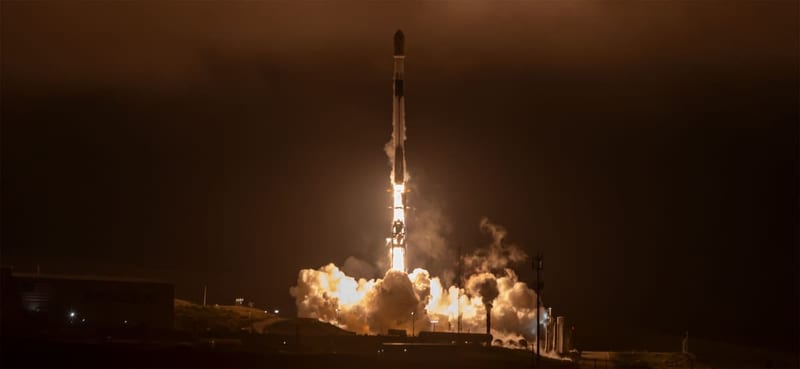
NASA's coverage of Northrop Grumman CRS-25's launch aboard a Falcon 9 will begin at 10:25 a.m. EST on November 29, while the coverage for the arrival of the Cygnus XL spacecraft at the ISS will begin at 1:10 a.m. EST on December 1, with the time of expected capture being 2:35 a.m. EST.
More on Starlust
Arianespace reschedules Amazon Leo satellite launch to November 24 after 'technical' issue—details
2 rockets in 32 hours: SpaceX smashes fastest turnaround time record with two launches from one pad