Arianespace reschedules Amazon Leo satellite launch to November 24 after 'technical' issue—details
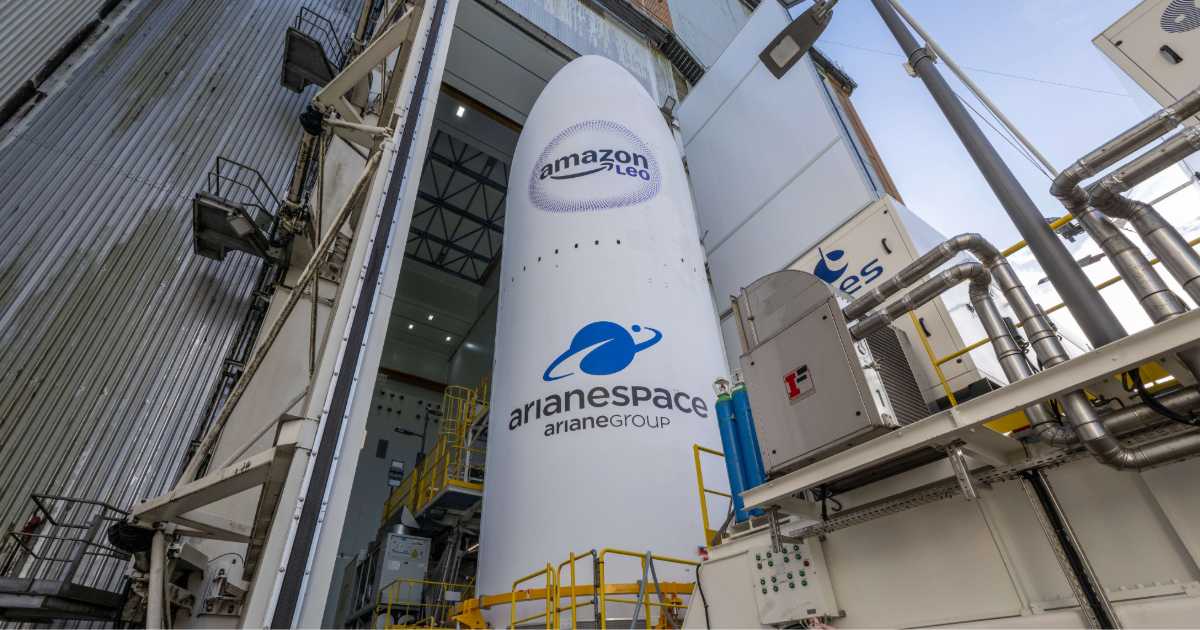
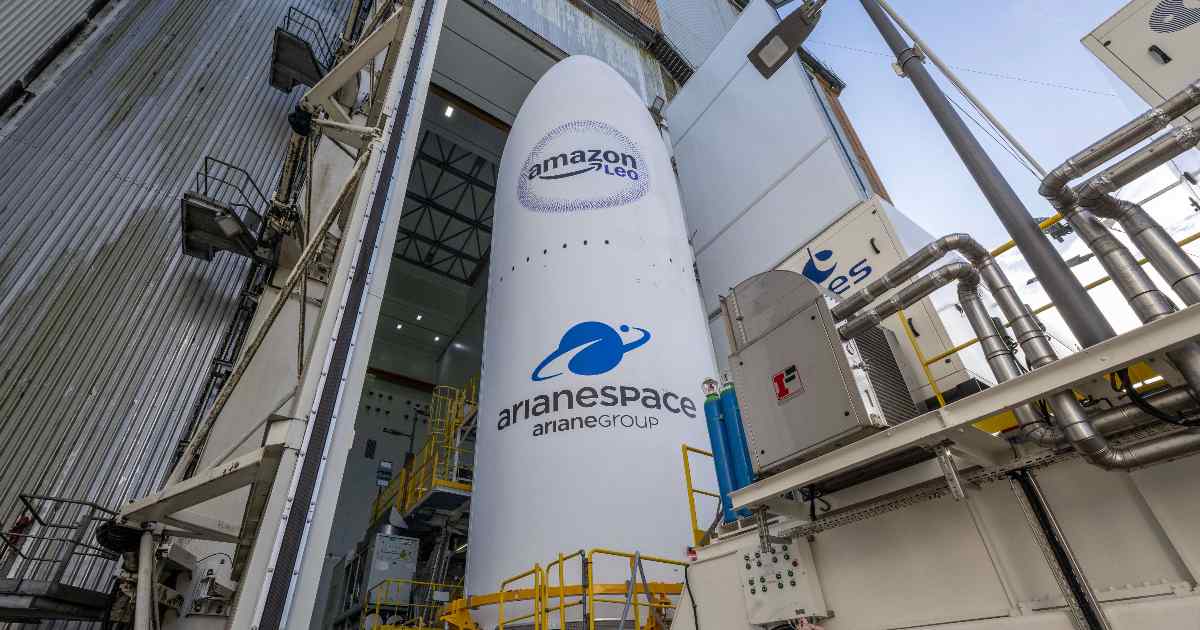
Amazon's scheduled launch of a batch of Leo satellites—the company's first attempt since the November 15 loss of 40 spacecraft—has been postponed and rescheduled due to a technical issue. While the earlier loss occurred due to the failure of the United Launch Alliance (ULA) Vulcan Centaur rocket, Monday's launch was slated to be carried out by Arianespace's Ariane 6 rocket.
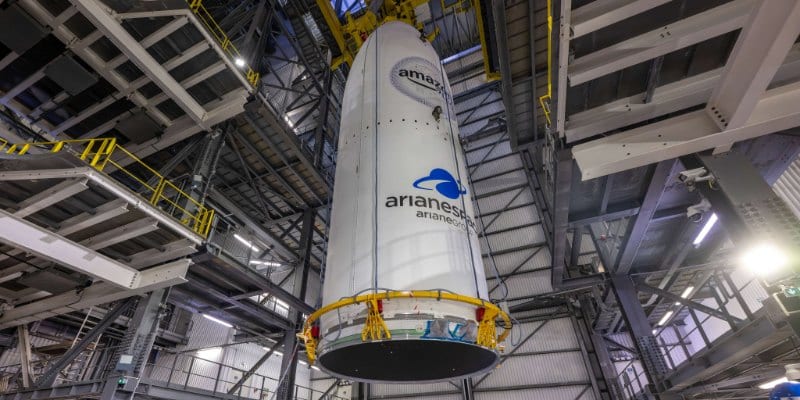
The flight was set to launch from Europe's Spaceport in French Guiana, but the launch countdown was stopped before the launcher system operations began. Arianespace said in a statement that the issue was a "technical event" pertaining to the launcher's ground support systems, adding that the rocket and its payload of 36 Amazon Leo satellites remained safe.
Mission VA271/LE-04: Launch Update Arianespace announces that the launch chronology for Ariane 6, scheduled to place 36 Amazon Leo satellites into orbit on November 23, 2026, was interrupted following a technical event affecting the launcher's ground support systems. The countdown was stopped before the mobile gantry removal and the start of launcher system operations. Ariane 6 and its passengers, the 36 Amazon Leo satellites, remain in stable and safe conditions. Technical teams are assessing the event and preparing for launch operations to resume, with the next launch opportunity no earlier than November 24. Arianespace will provide further updates as soon as they become available. #LaunchingAmbitions #Ariane6 @AmazonLeo @ArianeGroup @CNES @esa @EuropeSpacePort
— Arianespace (@Arianespace) November 23, 2026
When is the next launch window?
Following the postponement of the November 23 launch, Arianespace said that it was assessing the event and making preparations to resume launch operations. Later, in an update, the firm announced that a second launch attempt will take place on Tuesday, November 24, during a window from 10:45 to 11:14 a.m. UTC. "...teams have carried out the necessary analyses and checks to prepare for the restart of launch operations," Arianespace said in an update, adding that the final separation of the 36 Amazon Leo satellites was expected to occur roughly 2 hours and 4 minutes after the Ariane 6 liftoff. You can check livestream details here.
Following the technical event that occurred on November 23 affecting the launcher's ground support systems, teams have carried out the necessary analyses and checks to prepare for the restart of launch operations. Arianespace announces that the Ariane 6 launch, set to place 36 Amazon Leo satellites into orbit, is now scheduled for November 24, 2026, in the following launch window: 05:45 – 06:14 (Washington, D.C.) 07:45 – 08:14 (Kourou) 10:45 – 11:14 (UTC) 11:45 – 12:14 (Paris/Berlin) The final satellite separation is expected to occur approximately 2 hours and 4 minutes after liftoff. Ariane 6 and its passengers, the Amazon Leo satellites, remain in stable and safe conditions. #LaunchingAmbitions #Ariane6 @AmazonLeo @ArianeGroup @esa @CNES @EuropeSpacePort
— Arianespace (@Arianespace) November 23, 2026
Amazon's growing Leo constellation
A successful launch by Arianespace will add to the growing number of spacecraft in Amazon's Leo constellation of internet-providing satellites. Named because of the constellation's operation in low Earth orbit, Leo has been envisioned as a competitor to Elon Musk-led SpaceX's Starlink constellation. That said, while Starlink currently has more than 11,000 spacecraft in orbit, Amazon envisions a constellation of over 3,200 first-generation satellites, at least to start with. Of these, only around 400 have reached orbit, and Amazon has lined up launches to add to the tally.
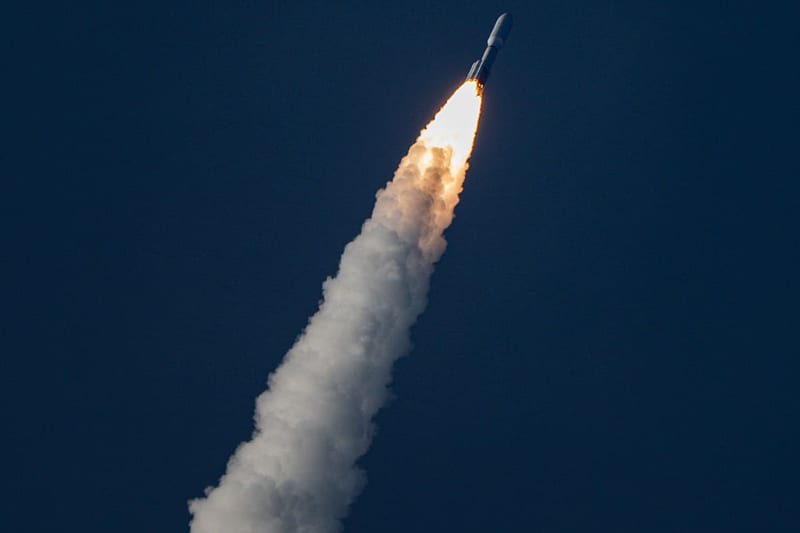
To that end, the Jeff Bezos-founded firm has contracts with several aerospace firms, with ULA's Vulcan Centaur slated to serve as the primary workhorse to put nearly half of Amazon's planned first-generation satellites into orbit. In addition, Amazon has contracts with Arianespace for Ariane 6 flights, SpaceX for Falcon 9 flights, and Blue Origin for New Glenn flights. Of these launch options, New Glenn remains grounded following an explosion during a static fire test in May, and Vulcan is bound to remain grounded for a while, at least, after the November 15 failure, which ULA attributed to fuel supply issues.
Upcoming Amazon Leo launches
While Amazon was initially slated to have a few more launches before the end of 2026, New Glenn's grounding and Vulcan's recent failure have impacted the company's schedule. According to Next Spaceflight, only Tuesday's launch by Arianespace has a confirmed launch date, with two more Vulcan launches listed as no earlier than 2026. All other Leo launches are listed for 2027 and beyond.
More on Starlust
2 rockets in 32 hours: SpaceX smashes fastest turnaround time record with two launches from one pad