Scientists grow 'safe to eat' potatoes on simulated lunar soil in big step towards agriculture on the Moon
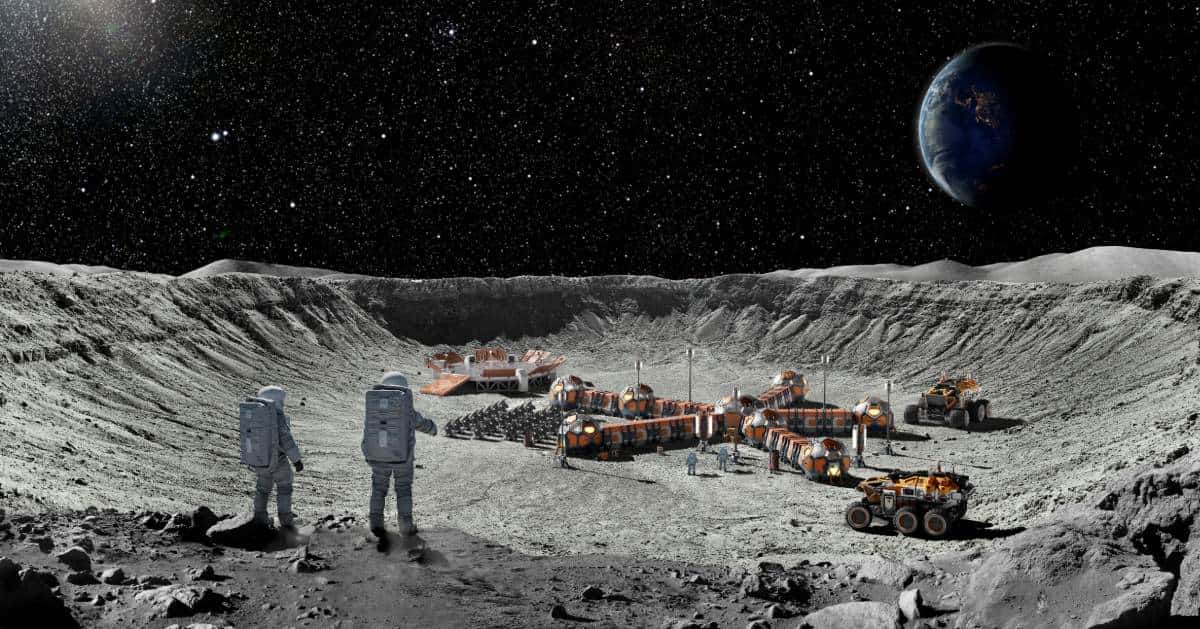
If humans are to establish a long-term presence on the Moon through NASA's Artemis program, food production will eventually have to be localized, with costly and frequent resupply missions from Earth likely to be unsustainable. To that end, scientists have taken an important step, experimentally demonstrating that food grown in simulated lunar soil enriched with organic matter is "safe to eat" and can yield as much produce as plants on Earth.
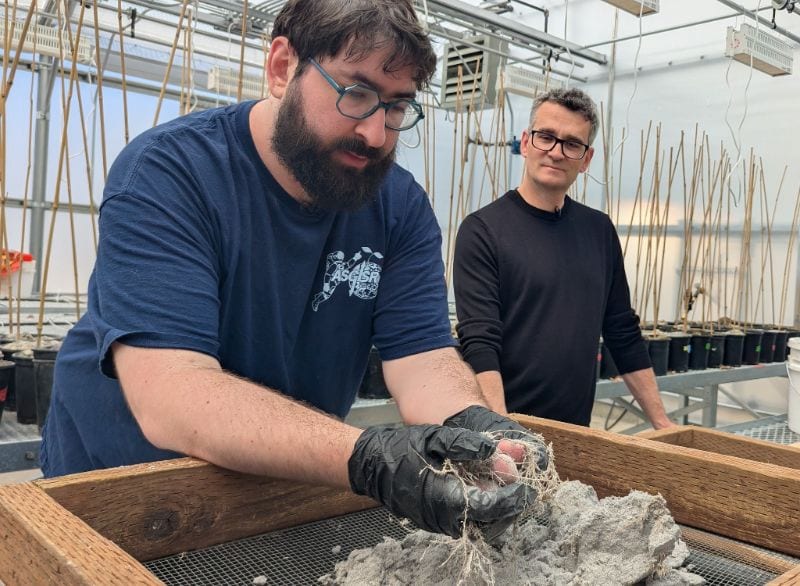
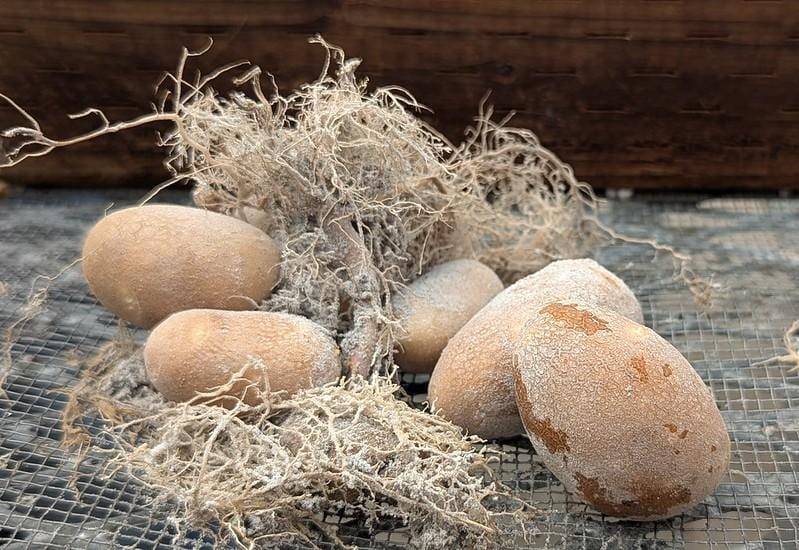
In a new study published in npj Microgravity, scientists from Oregon State University's Department of Botany and Plant Pathology grew potatoes on simulated lunar soil enriched with organic matter, finding that the right mixture helped the potato plants achieve the same growth and development as plants on Earth. "We found that potatoes can complete their entire life cycle in simulated lunar soil when supplemented with organic matter. That’s an important step toward developing reliable food production systems that could support long-term human exploration of the Moon," said Aymeric Goyer, one of the authors of the study.
How to grow potatoes on the Moon?
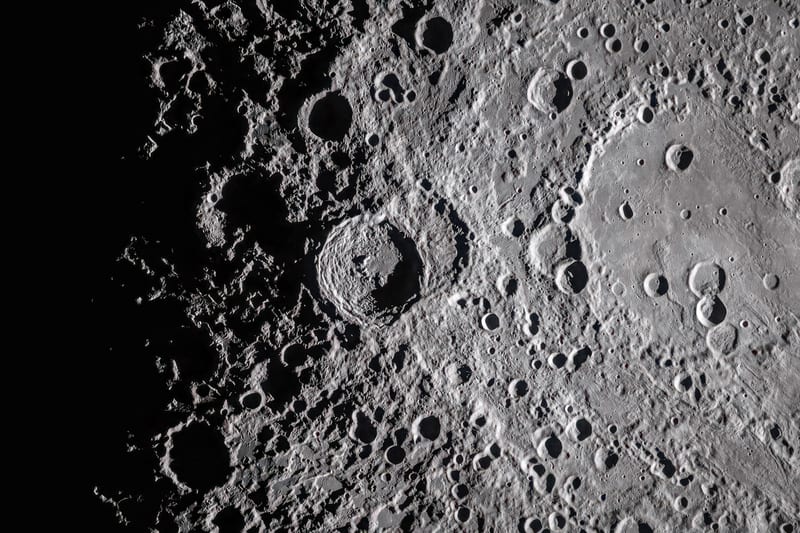
One of the biggest questions surrounding food production on the Moon is whether crops can be grown on lunar regolith, the layer of dust and loose rock that covers most of the lunar surface. This layer, however, is extremely deficient in organic matter and contains elevated levels of heavy metals, making lunar agriculture a difficult endeavor.
To answer this question, the scientists used five lunar regolith simulants to represent different regions of the Moon's surface, and enriched these simulants with different levels of vermicompost, a nutrient-rich soil conditioner that is made by earthworms breaking down organic waste. Their findings were fascinating.
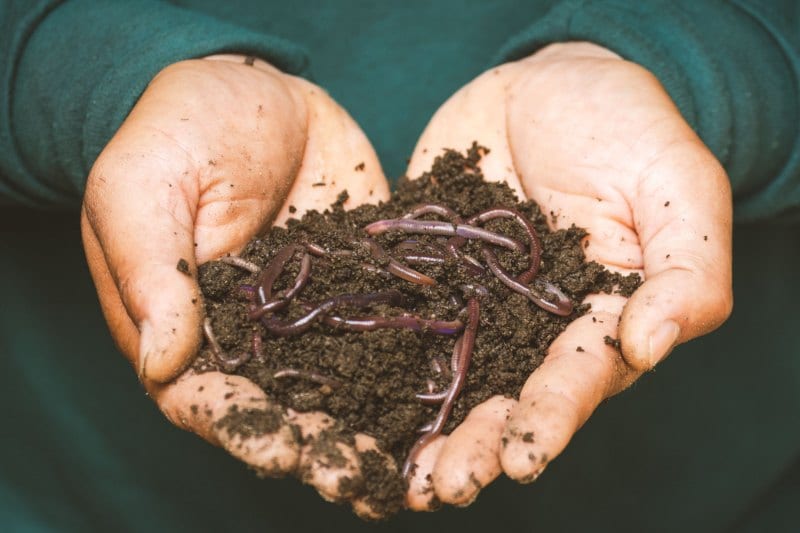
Potato plants, it was found, thrived in lunar regolith simulants containing 30% vermicompost, matching the growth and development of potato plants cultivated in soil on our planet. Organic matter, however, was key to this growth as the scientists also found stunted growth and underdeveloped roots in lunar regolith simulants without any organic enrichment. Lower levels of vermicompost, between 5% and 15%, did produce growth, but only moderate. Further, the potatoes maintained comparable levels of nutrition to their Earth counterparts, though cadmium and iron exceeded safety thresholds in a couple of specific mixtures, signaling that heavy metal levels still require careful screening.
“We believe the compost helps buffer some of the toxicity we see in lunar regolith by reducing plant exposure to harmful compounds,” said David Handy, a co-author and postdoctoral researcher.
What's next?
While this study marks an important first step, much work remains before agriculture on the Moon can be considered feasible. To that end, the scientists are working on a forthcoming paper that will evaluate 10 potato varieties grown in lunar regolith simulants to compare yields and nutritional qualities and determine the best fit for future lunar agriculture. Although the present research focuses on potatoes—picked due to their high caloric yield per unit of land and practicality—future research could explore the suitability of other crops for lunar agriculture, once baseline conditions for stable plant growth on the Moon have been established.
More on Starlust
Earth captures a mini-moon that will stick around until 2027—here’s all you need to know
New evidence suggests Mars is not geologically 'dead' after all, just sleeping