Scientists unveil the clearest image of the dark universe yet: 'The dream has come true'
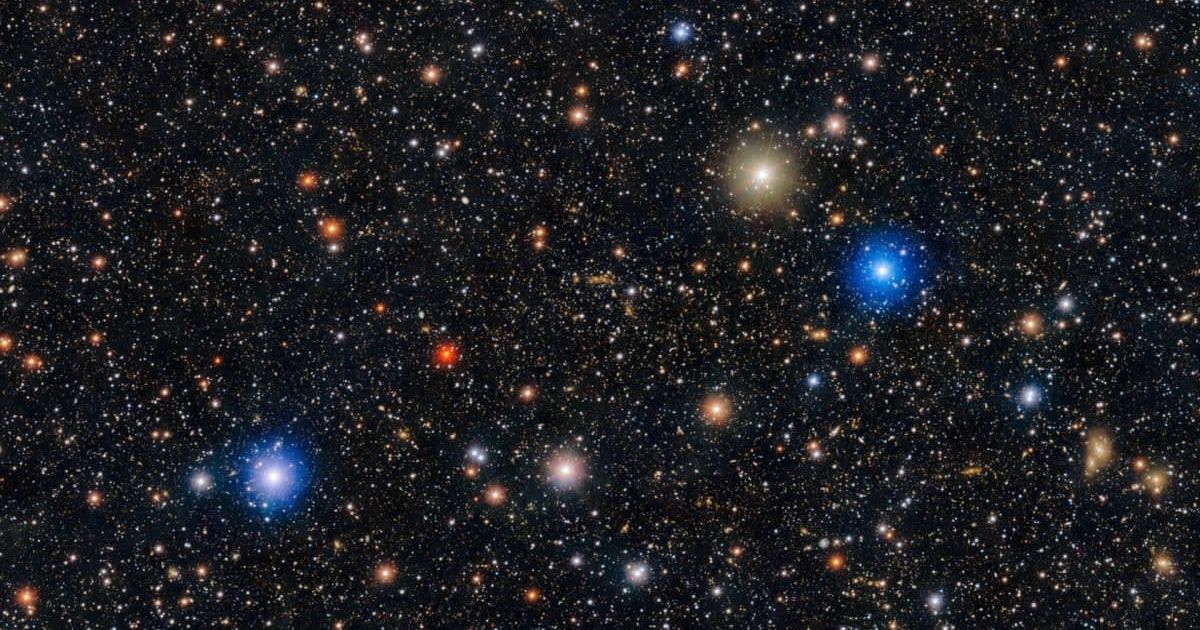
Dark energy is the mysterious force that drives the expansion of the universe, and scientists have acquired something interesting. They have captured the clearest picture of the expansion of the universe and dark energy yet, as published in the arXiv preprint study. The image of the Bullet Cluster, shared by NOIRLab, is the result of six years of analysis from data collected by the Dark Energy Camera (DECam) mounted on the U.S. National Science Foundation Víctor M. Blanco 4-meter Telescope at Cerro Tololo Inter-American Observatory (CTIO) in Chile. It is a program of NSF NOIRLab. The breakthrough image is a result of the Dark Energy Survey (DES), an international collaboration.
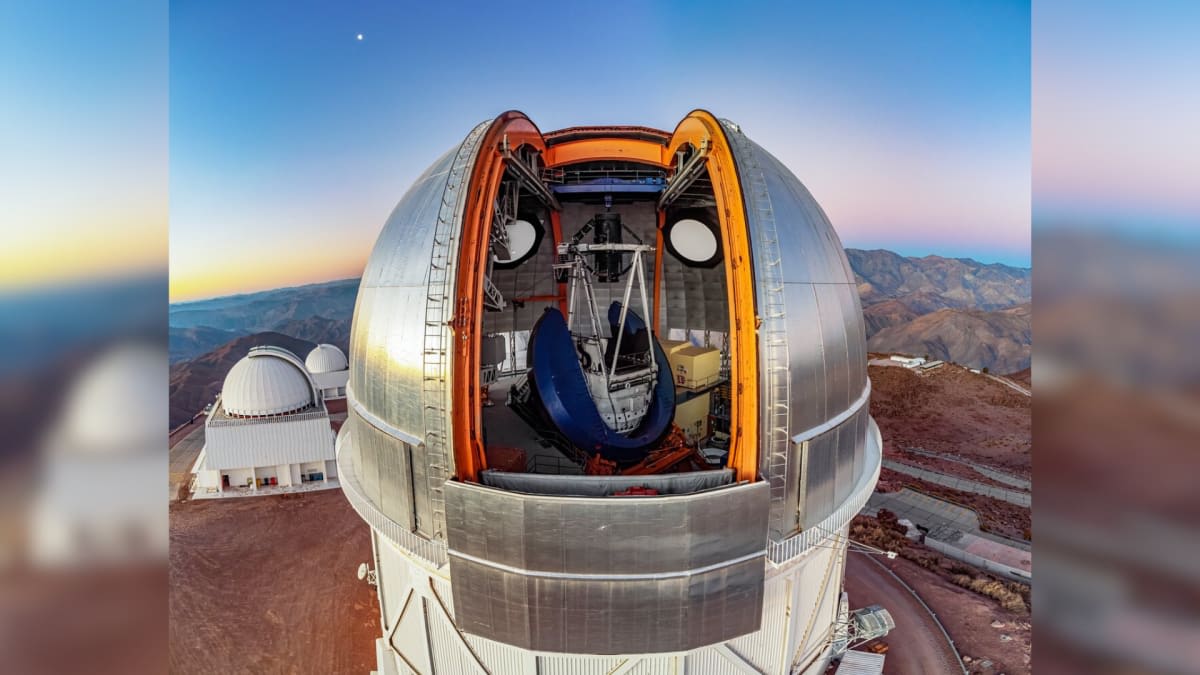
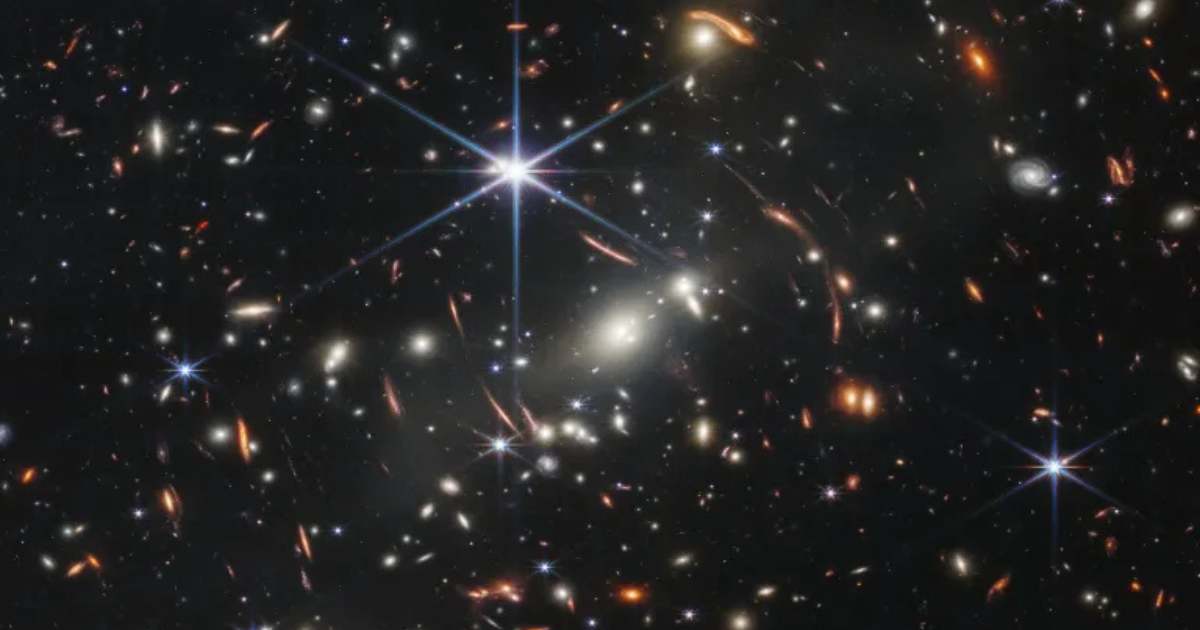
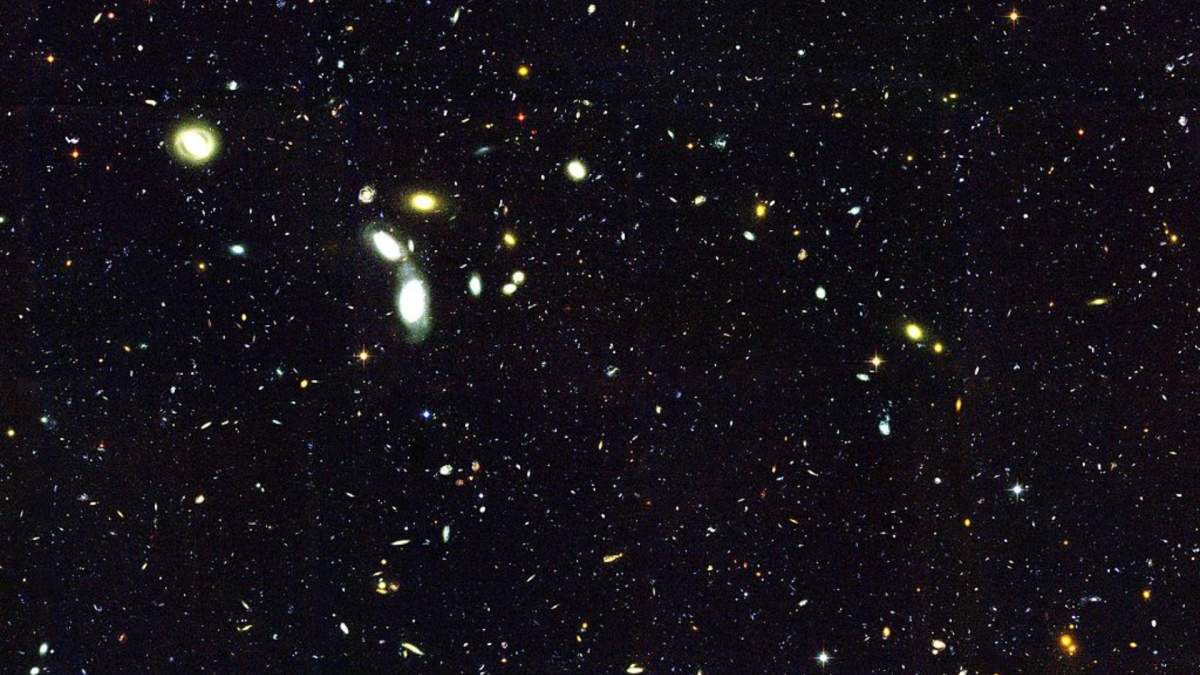
The DES Collaboration maps millions of galaxies, finds thousands of supernovae, and patterns of cosmic structure that reveal the nature of dark energy. The image combines the two methods to measure the past of the universe’s expansion: data from weak lensing and galaxy clustering probes. According to NOIRLab, the DES conducted a deep, wide-area survey of the sky with the 570-megapixel DOE-fabricated DECam. It recorded data for 758 nights over six years from 669 million galaxies lying billions of light-years away from Earth and covered an eighth of the sky.
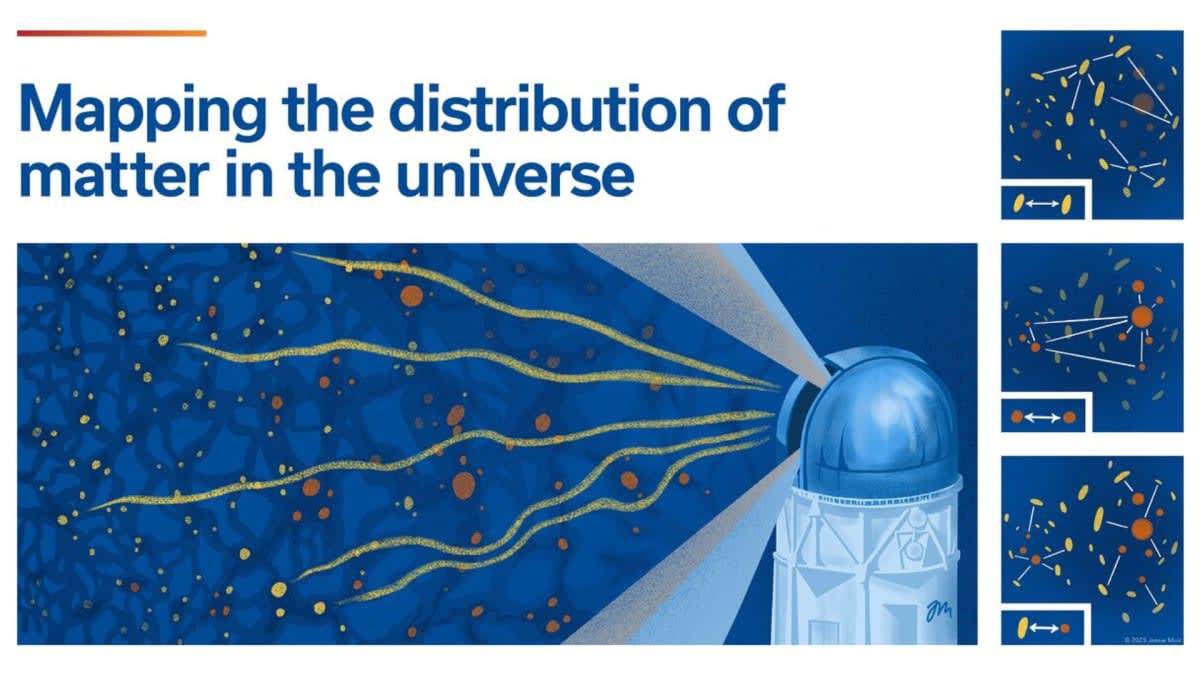
Along with the clearest image, DES also reveals the first results of combining baryon acoustic oscillations (BAO), Type-Ia supernovae, galaxy clusters, and weak gravitational lensing. These are four methods also used to measure the expansion history of the universe, as suggested by the DES during its inception 25 years ago. The analysis helps narrow down the potential models for how the universe behaves, and these constraints are twice as strong as previous DES results.
"These results from DES shine new light on our understanding of the universe and its expansion," said Associate Director Regina Rameika for the Office of High Energy Physics in the Department of Energy’s Office of Science. "They demonstrate how long-term investment in research and combining multiple types of analysis can provide insight into some of the universe’s biggest mysteries," they added. “This was something I would have only dared to dream about when DES started collecting data, and now the dream has come true,” said Yuanyuan Zhang, an assistant astronomer at NSF NOIRLab and member of the DES Collaboration.
Type-Ia supernovas, the first component that were used to discover dark energy initially, were used with three other probes of cosmic structure and expansion, according to Space.com. The second component, weak gravitational lensing, happens when light from a background source is curved by a heavy object passing by. The third component, baryon acoustic oscillations, is density fluctuations caused by pressure waves frozen into space around 380,000 years after the Big Bang. The fourth component is the clustering of galaxies. The data helped reconstruct matter distribution over the past 6 billion years of cosmic history.
There are two prevailing models of the universe, known as the Lambda Cold Dark Matter (LCDM) model, against which they were compared. In this model, dark energy is stable over time, while in the extended model, wCDM, dark energy is allowed to evolve over time. The DES results fit well with both models, but it was slightly off when compared to how matter in the modern universe clusters based on early universe measurements. For a clearer picture of the universe, the DECam data will be combined with other observations of galaxies.
More on Starlust
Black holes could be a source of the universe’s mysterious dark energy, new study suggests