NASA's Kennedy Space Center faces launchpad crisis that could threaten future Moon and Mars missions
With NASA planning to take unprecedented steps beyond the confines of our planet, an audit of the current state of its launch infrastructure has shed light on issues that could sabotage the agency's endeavors. In a report released on June 22, 2026, NASA's Office of Inspector General (OIG) observed that the agency's Kennedy Space Center in Florida not only lacks the capacity to meet the growing number of space missions to Earth orbit, the Moon, and Mars but also has infrastructure that is crumbling in literal terms.
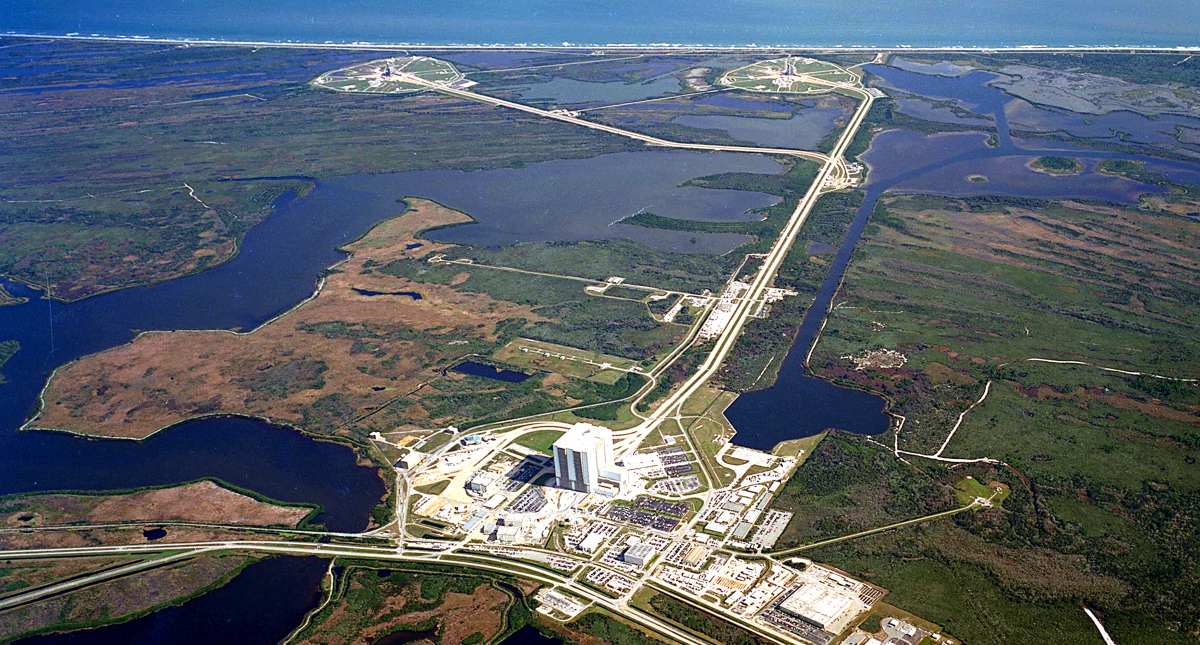
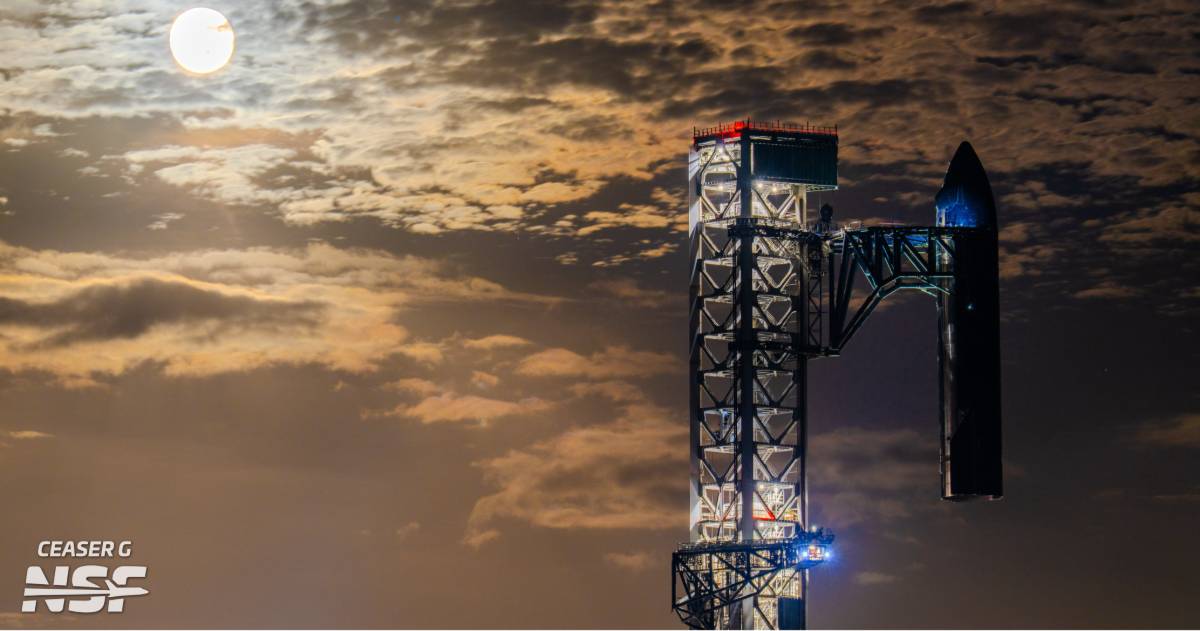
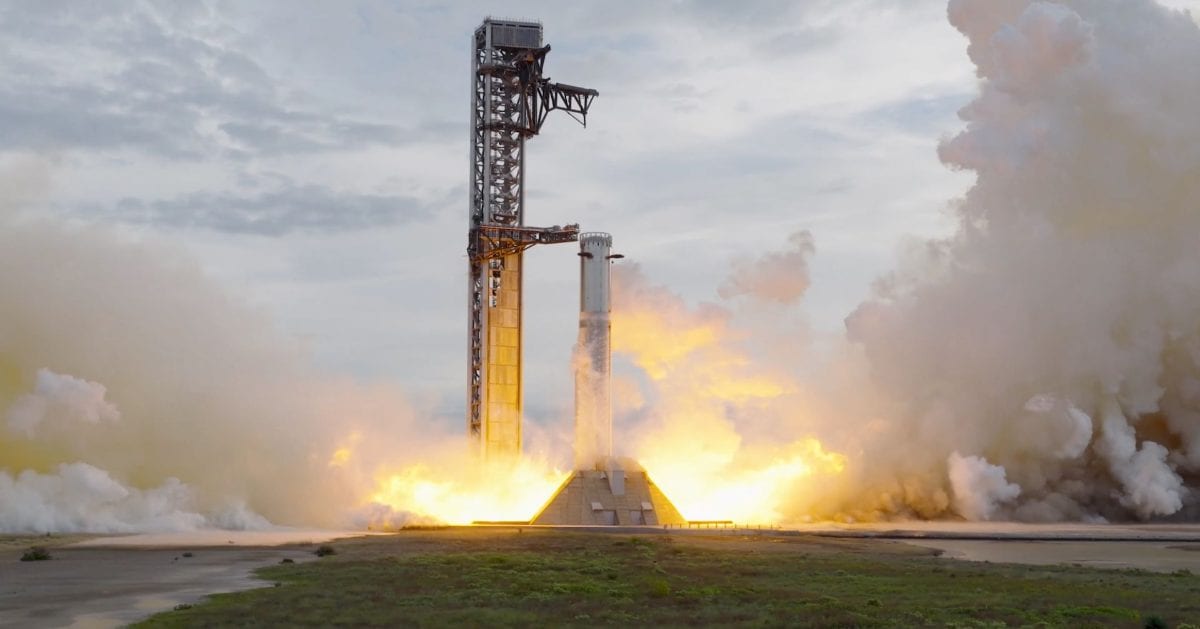
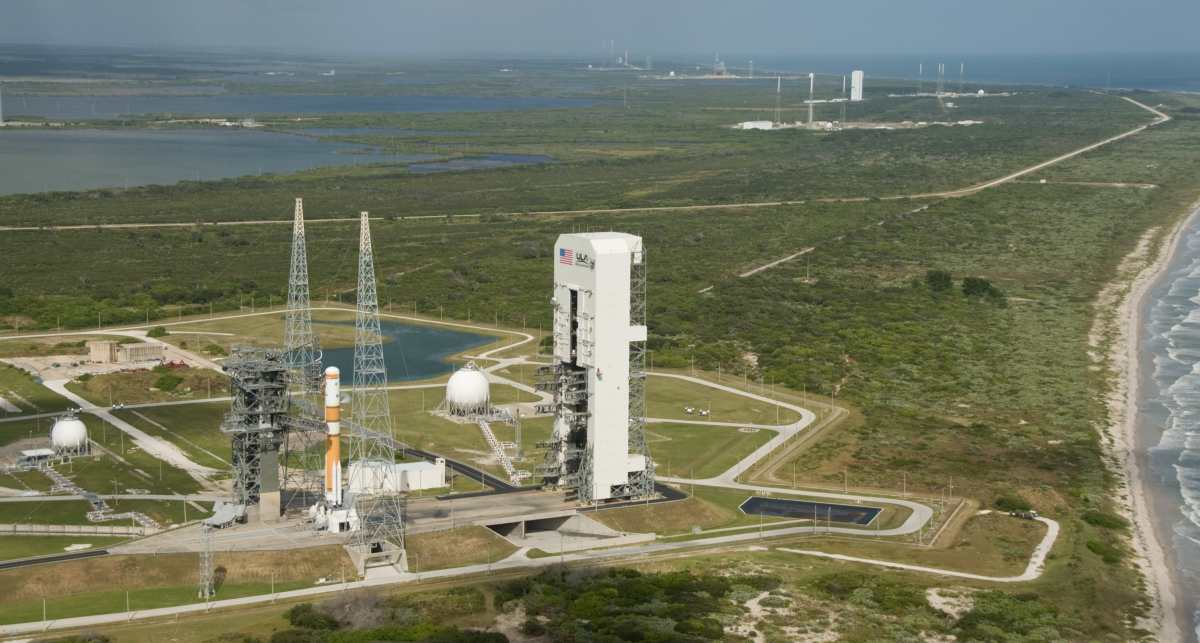
Having been largely unchanged in its layout since being built in the 1960s, KSC has had a front seat to humanity aiming for its most ambitious voyages to space, the likes of which include the Apollo missions, over a hundred Space Shuttle launches, and the recent Artemis II mission. The spaceport doesn't just serve its historic launch pads LC 39A and LC 39B but also provides its facilities to the launchpads of the nearby Cape Canaveral Space Force Station (CCSFS). These facilities, needed for electrical power and gas supply distribution as well as providing road access to each launch pad, are known as "common use launch infrastructure."
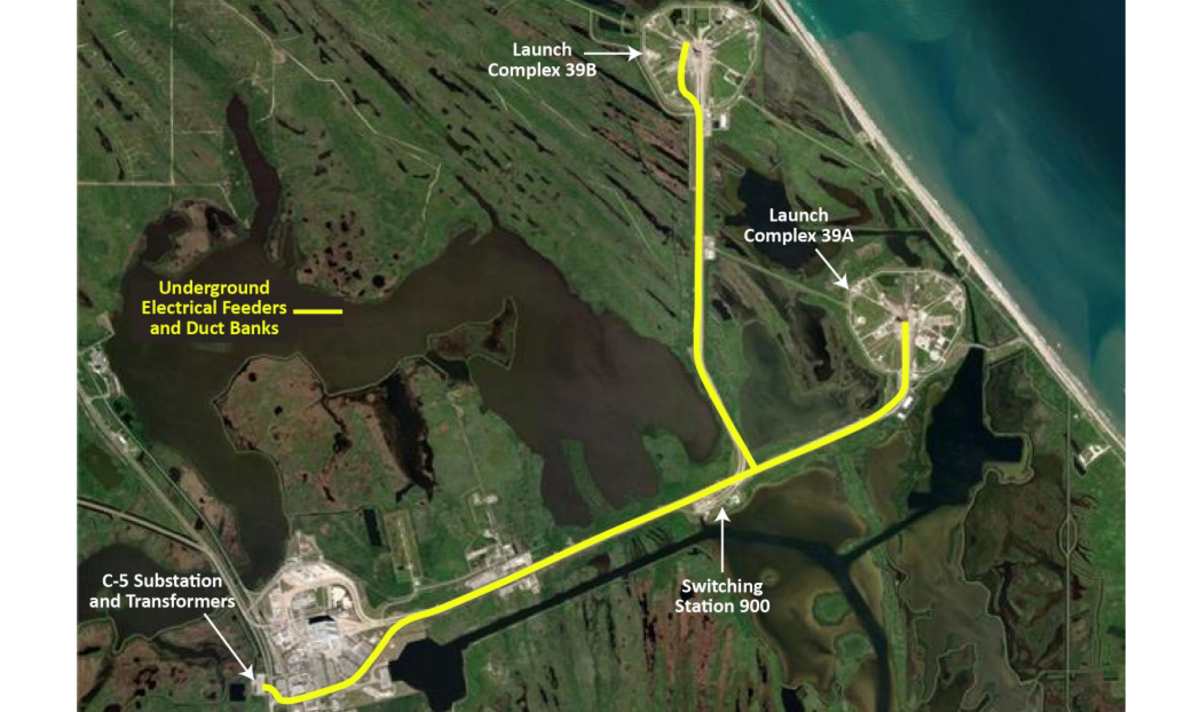
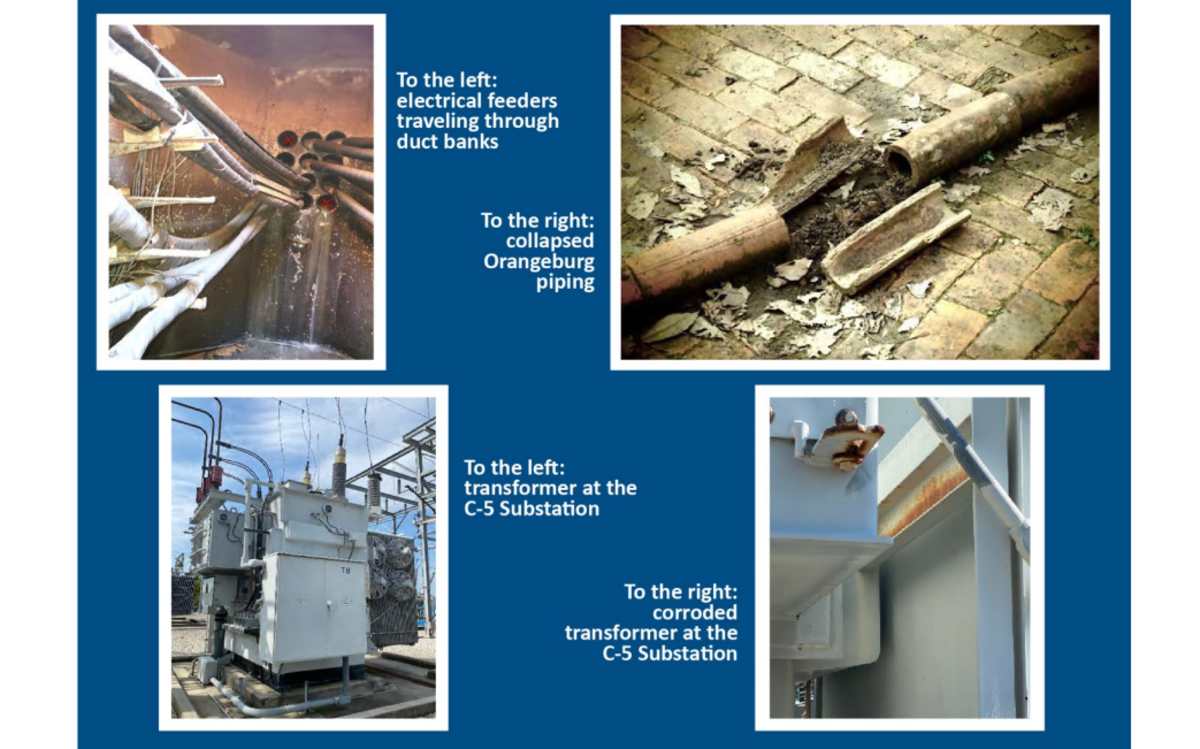
One of the most critical elements of this common use infrastructure is the electrical power distribution system. The audit has revealed that this critical system—which can dictate the success of a launch and, thus, an entire mission—is being operated beyond its intended life span. Orangeburg pipe—a material made of ground-up wood fibers and coal tar with a life of around 50 years—was used in the construction of ducts that connect KSC's source of power at C-5 Substation transformers to LC 39A and LC 39B. These ducts, carrying feeders (electric cables), have collapsed in some places. "According to Kennedy officials, a feeder failure along the path with collapsed duct banks would leave NASA or SpaceX without redundant power, which is an operationally unacceptable condition," says the report. Kennedy is planning to replace the LC 39 duct banks and C-5 Substation transformers, which are also in poor condition, for a combined cost of $136 million. However, these projects will take years to complete, and the current infrastructure will have to support both Artemis and commercial missions in the meantime.
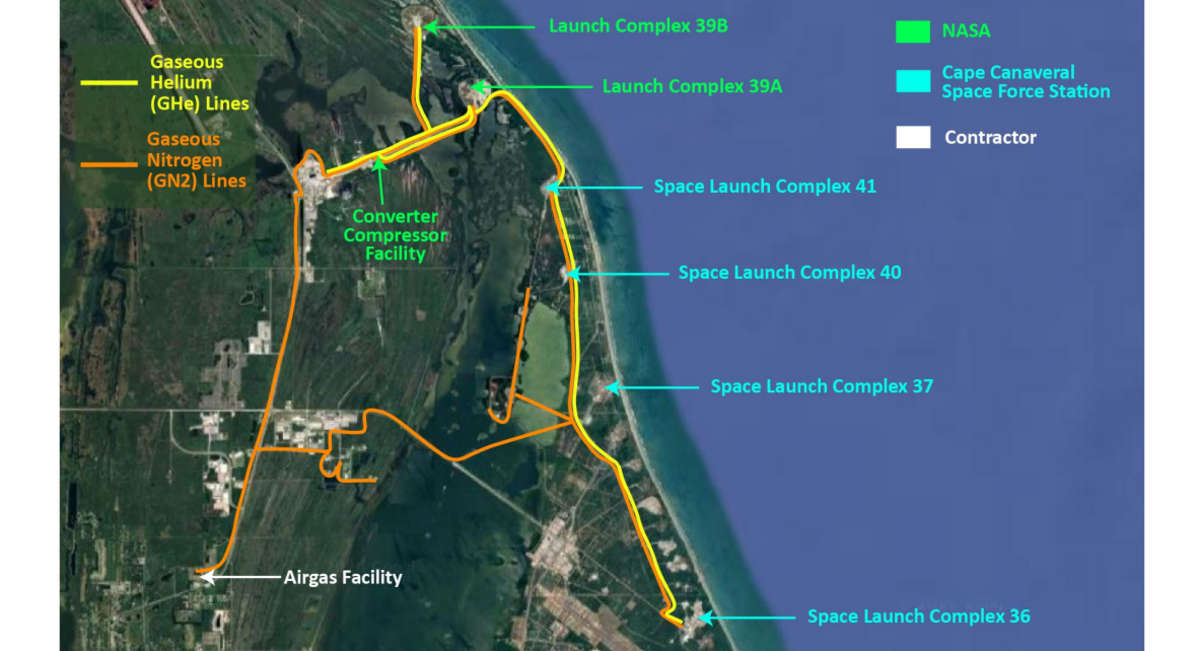
Gas supply is also a key part of the activities surrounding launch because large quantities of nitrogen and helium are required to purge launch hardware of any residual fuel to prevent catastrophic explosions. The audit appears to suggest that KSC will not be able to fulfill needs for a mission like Artemis III, which is going to be a multi-launch campaign. For example, based on current capacity, gaseous nitrogen (GN2) can't be supplied to the SLS launch site at LC 39B and Blue Origin's New Glenn launch site at LC 36 at the same time. The report reiterates concerns raised by Blue Origin officials who said that this issue had resulted in a major scheduling challenge for the New Glenn-1 mission that took off in January 2025. They are also worried that the future SLS launches could result in 1-to 2-month-long blackouts from the pipeline. Kennedy wants to build a new GN2 system to support the existing infrastructure, but the project, which may cost up to $25 million, has not received any funding as of now.
The independent audit report has also expressed concern over the dilapidated transport infrastructure at KSC. The reason was cited to be the rise in the number of missions in recent years that the roads and bridges at the spaceport weren't originally meant to handle. Over-the-road deliveries supporting launches and construction at LC 39A and CCSFS increased by 347% between 2019 (1,956 trips) and 2025 (8,752 trips). The solution isn't as simple as building new launchpads in the vacant land to the north of LC 39 either, as it is a protected wetland and would need federal and local approval before construction can begin.
What is perhaps the most alarming thing the report states is that the rising number of launches is not the sole reason for the deterioration of the infrastructure. A consistent decline in the construction and maintenance budget is also responsible. The Agency's Construction of Facilities (CoF) budget declined from $470 million in 2021 to just $248 million in 2025 when adjusted for inflation. Moreover, "statutory funding barriers" don't allow NASA to receive money directly from commercial partners for the use of Agency facilities, even though they have increasingly driven wear on the infrastructure in recent years.
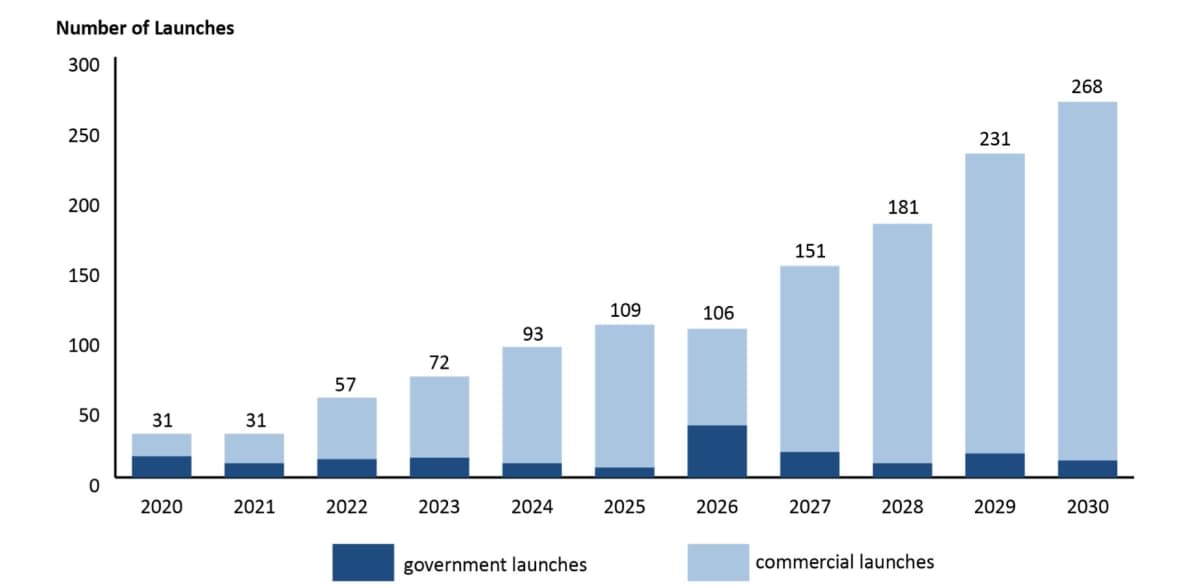
Besides launch days, the aforementioned elements of the common use launch infrastructure of KSC are needed to support what are called launch equivalent days (LEDs) as well. These include wet dress rehearsals, launch scrubs, and static fire tests. With LEDs approaching the number of available days in a year, the NASA OIG has recommended a three-pronged approach to rectifying this situation. It has called for a study of the effects of heavy vehicle traffic to be conducted, along with a couple of reforms in how funding is generated for the maintenance of common use launch infrastructure. It remains to be seen if NASA Administrator Jared Isaacman comments on this report. If not implemented soon, the audit predicts that the late 2028 to early 2029 time frame could see KSC stretched thin. What's worse, NASA's space race with China to the Moon could be dealt a severe blow, making any Mars plans seem like a pipe dream.
More on Starlust
Artemis III update: NASA ships final solid rocket booster segments for SLS to Kennedy Space Center