Eta Eridanids meteor shower to peak before dawn today: Check out visibility details and viewing tips
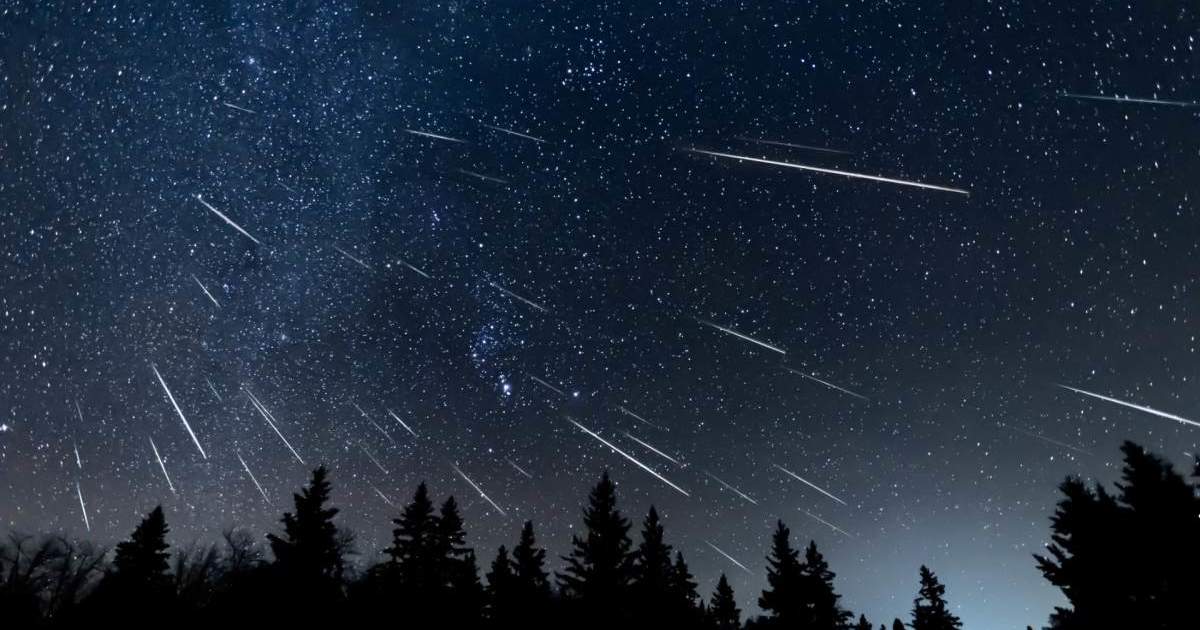
Skywatchers may get to catch a glimpse of the Eta Eridanids meteor shower peaking in the final dark hour before the dawn of August 5, 2026, in the United States. The medium meteor shower, which began on July 10, will remain in view until September 10, 2026, as predicted by the American Meteor Society. However, observing Eta Eridanids will be ideal closer to its peak, especially given that its hourly meteor rates are expected to hover between one and two.
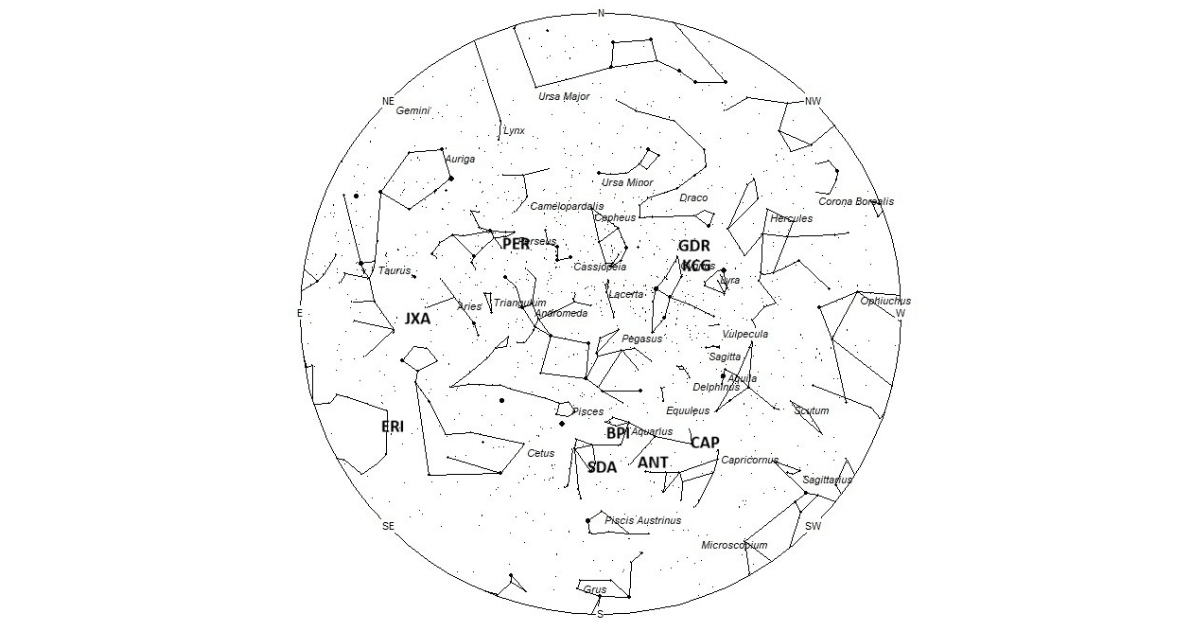
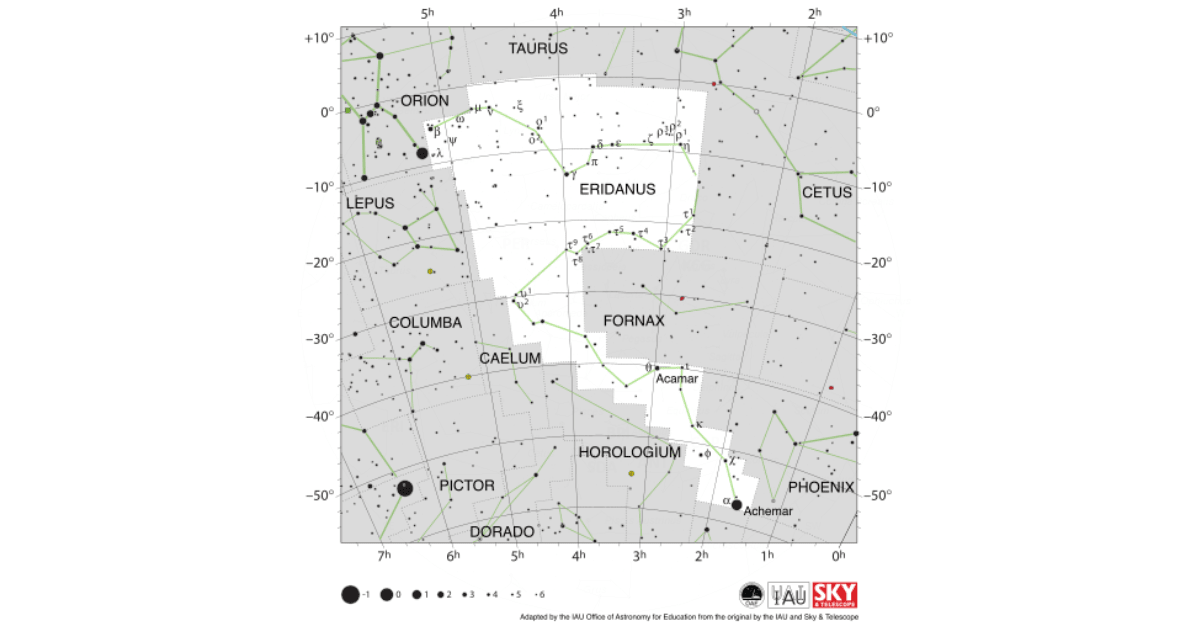
To locate any meteor shower, you need to find its radiant first. In the case of the Eta Eridanids, its radiant lies near the star Eta Eridani in the constellation Eridanus, which neighbors the constellations Cetus, Fornax, Lepus, and Taurus in the southern sky. What is important to note here is that although a shower appears to originate from its radiant, meteors can streak across any part of the sky, so skywatchers should look a little away from the star. The average meteor from this shower will also be traveling quite fast at speeds hovering around 39.77 miles per second.
Practically, observing the Eta Eridanids meteor shower could be challenged by the positioning and phase of the Moon at the moment. It is currently in its waning gibbous phase with nearly 60% of its disc illuminated. This could severely affect the possibility of viewing many of the meteor shower's less brilliant streaks. For photography, it would be best to use a lens hood to obscure the lunar disk. The same tip could be applied for observation by shading one's eyes or a telescope lens from the moonlight, which is expected to make the skies awash with light. Local weather conditions and urban light pollution levels could also have a big say in the meteor shower's visibility.
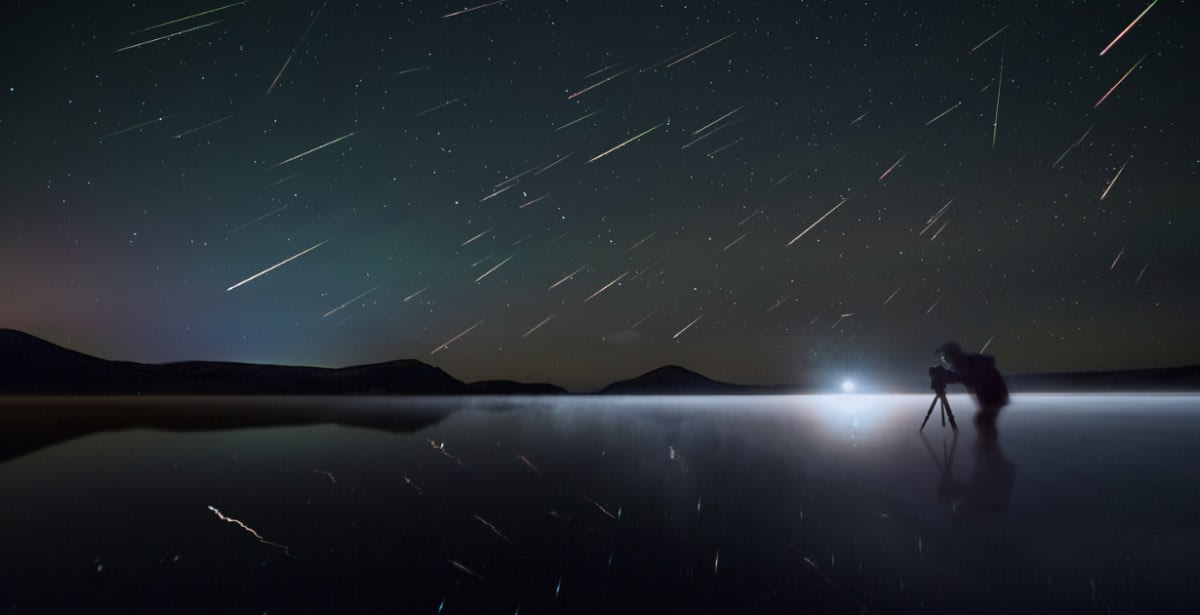
Should one miss the peak of Eta Eridanids, the nights ahead of subsequent sunrises can also present opportunities to catalog this annual meteor shower this year. Moreover, a few other meteor showers are also expected to make much more prominent appearances in the night sky. These include the Southern Delta Aquariids and the Perseids, both of which are Class I meteor showers, meaning they are the strongest meteor showers with hourly rates upwards of 10. While the former already peaked at the end of last month, the Perseids will peak around August 12-13.
More on Starlust
NASA's top skywatching events for 2026: Total lunar eclipse, Perseid meteor shower and more
Perseid meteor shower and total solar eclipse to coincide on August 12—here’s what you need to know