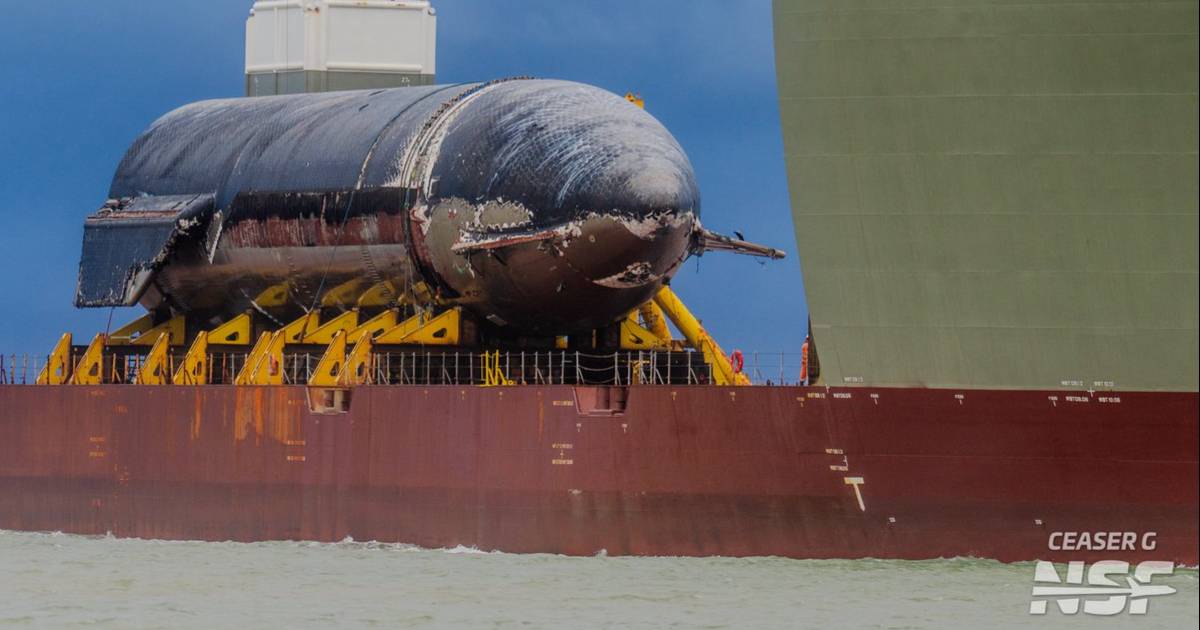
Artemis III SLS core stage arrives at Kennedy Space Center as Artemis II spacecraft undergoes study
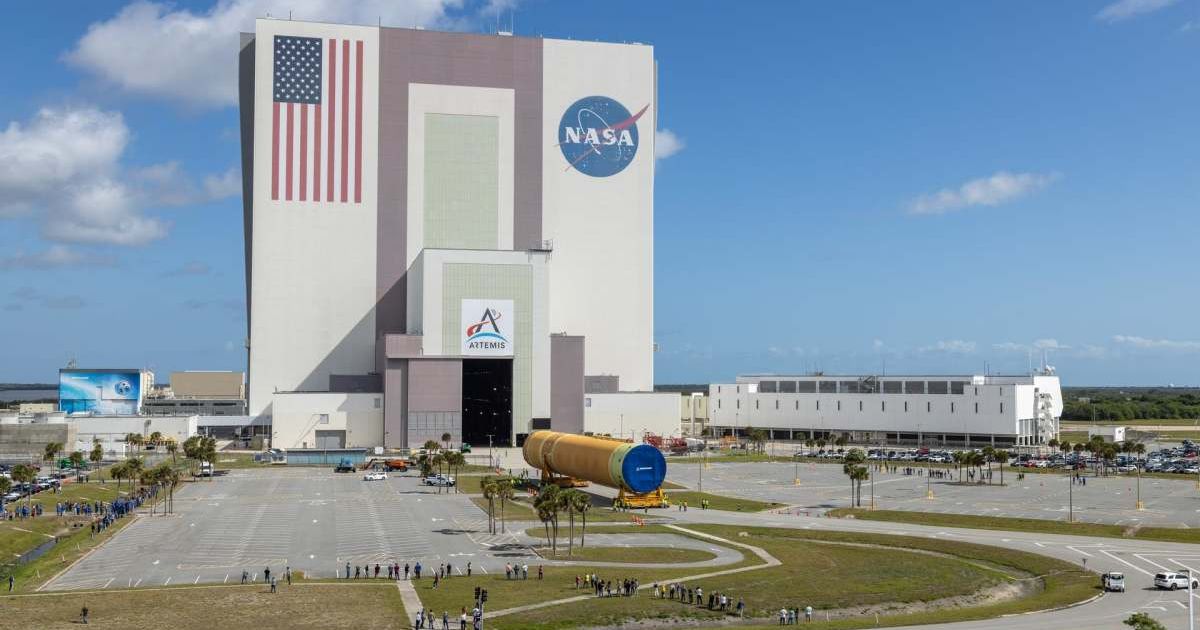
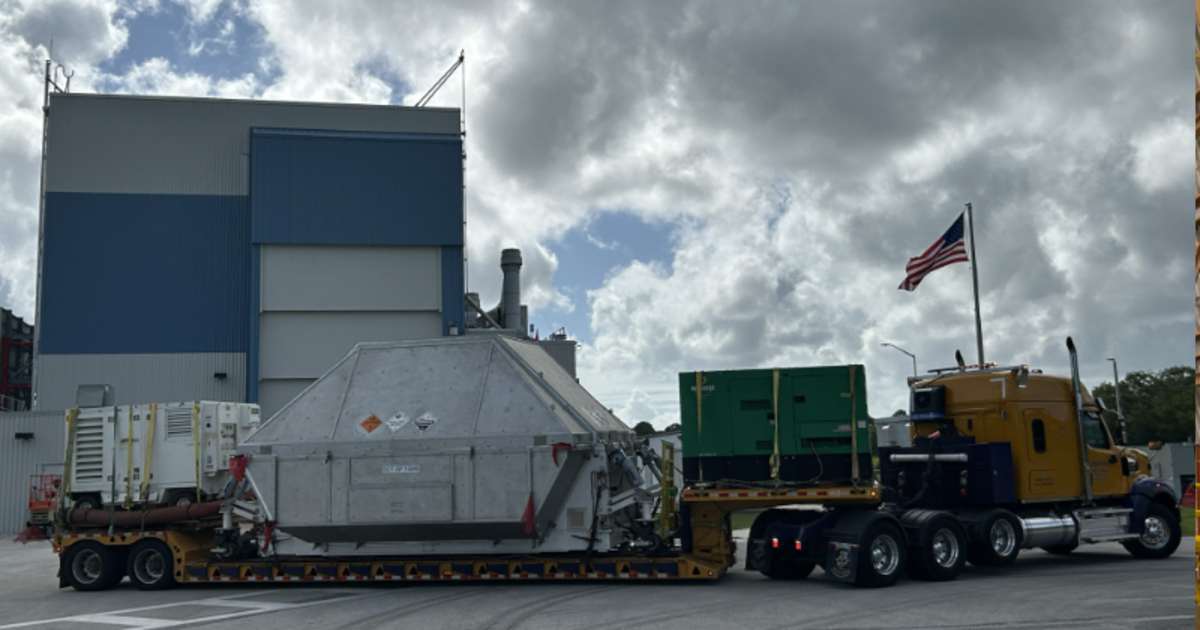
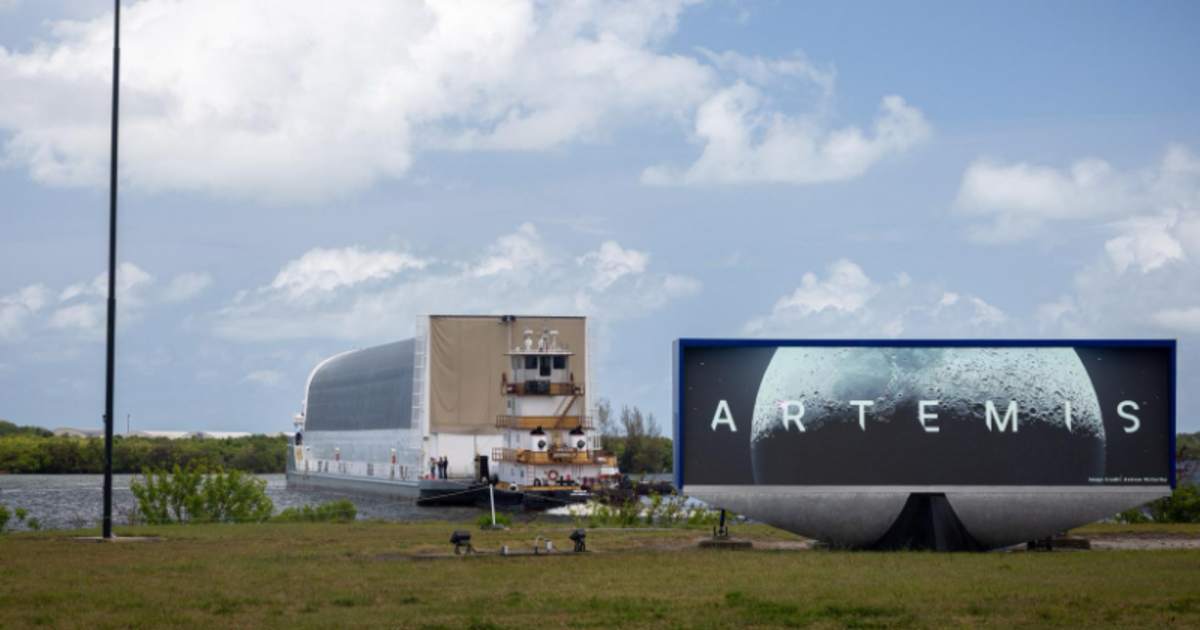
NASA teams at the Kennedy Space Center in Florida have begun major assembly work for Artemis III—the next mission of the space agency's crewed lunar program. On April 28, 2026, technicians moved the massive core stage of the Space Launch System rocket off the Pegasus barge into the Vehicle Assembly Building to begin preparations for the integration of the giant Moon rocket. This update marks a historic milestone as this is the first time the specific core stage assembly operations are being performed at the Florida spaceport. The core stage, which stands 212 feet tall when fully put together, also serves as the structural backbone of the rocket. It contains two giant tanks that can hold over 733,000 gallons of super-chilled liquid fuel for the four RS-25 engines and houses the flight computers that act as the “brains” of the vehicle, controlling its path during launch.
The massive 212-feet tall structure that houses the LH2 and LOX tanks, intertank, and forward skirt, arrived at #NASA #KennedySpaceCenter. The core stage arrived on April 28, 2026, having traveled over 900 miles from the Michoud Assembly Facility in New Orleans. #ArtemisIII pic.twitter.com/7OXXqnZWKv
— Starlust (@starlustorg) April 29, 2026
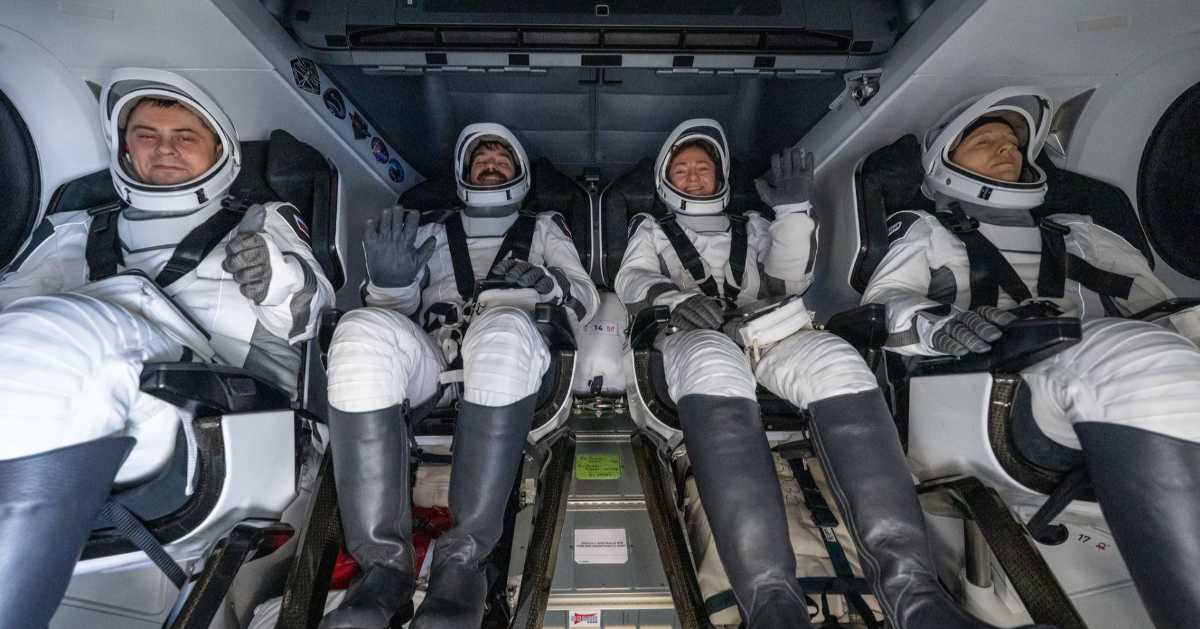
Inside the VAB, the core stage is being handled with extreme precision. It will first be placed horizontally in the transfer aisle before being lifted into a vertical position in High Bay 2. Once there, technicians will connect it to the engine section and the boat tail structure, which were integrated in August 2025. While this assembly moves forward, other teams are busy analyzing the Artemis II crew module, which recently returned to Kennedy after carrying astronauts Reid Wiseman, Victor Glover, Christina Koch, and Jeremy Hansen safely around the Moon and back.
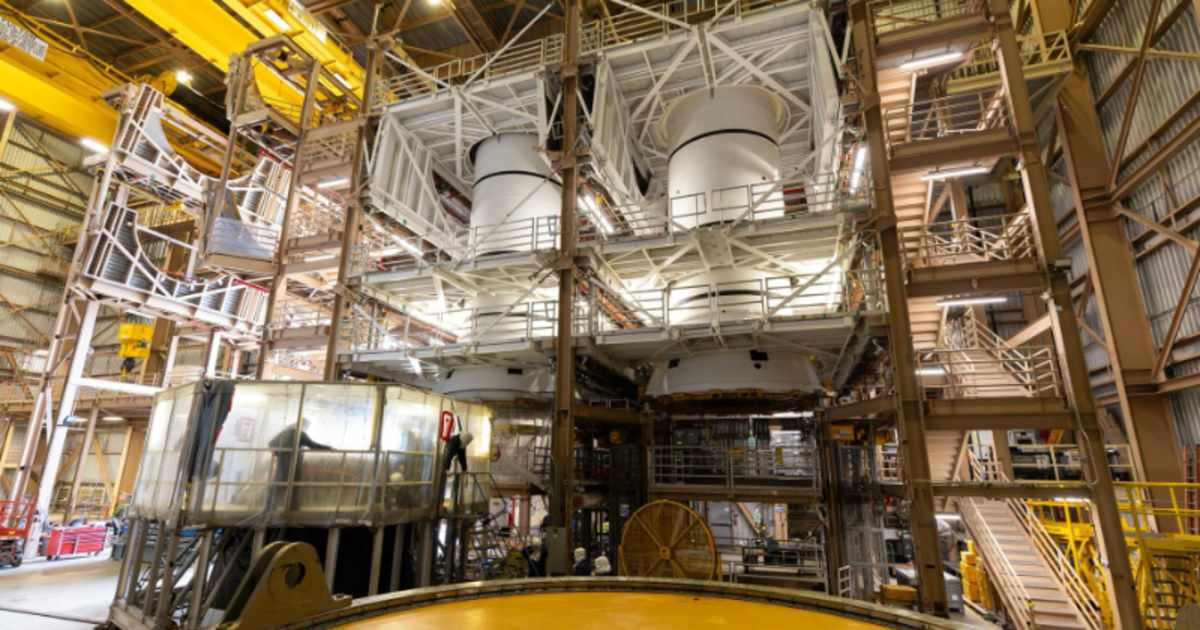
The arrival of the core stage since leaving the Michoud Assembly Facility in New Orleans is part of a larger influx of rocket hardware currently reaching Florida. Earlier in the month, on April 13, the first shipment of solid rocket booster segments arrived at Kennedy. The segments, which were built by Northrop Grumman in Utah and traveled by rail across eight states, are essential for liftoff because the twin boosters they form provide more than 75% of the rocket’s total power in the initial stages of ascent. For now, teams are processing these segments inside the Rotation, Processing and Surge Facility. A second shipment of these booster components is expected to arrive later this summer.
Even as the SLS rocket takes shape, the Orion spacecraft for the Artemis III mission is undergoing its own rigorous checks. Engineers are finishing functional tests on the Artemis III crew module, with all 186 Avcoat blocks on its upgraded heat shield having already been installed, cured, and inspected. The service module, meanwhile, which provides power to the capsule, has already passed deployment tests for its four solar array wings. Installation of the adapter cone that joins Orion to SLS and thermal cycle testing have also been conducted. On the other side of Kennedy, the returned Artemis II capsule is being 'de-serviced.' This means that technicians are currently in the process of removing its flight computers for future use and offloading leftover fuel while studying the heat shield to see how it handled the intense heat of re-entry.
Looking ahead, the mission schedule for Artemis III will become increasingly intense as the year progresses. NASA has plans to join the Orion crew and service modules with the Launch Abort System before the end of 2026. This mission is designed to launch astronauts into Earth orbit to test how the Orion spacecraft docks with commercial human landing systems by Blue Origin or SpaceX or both in space. As Artemis I was to its successor, these tests are a stepping stone for the agency’s long-term goals, since lessons learned during the Artemis II flight will be used to prepare for Artemis III and, in turn, Artemis IV. The latter mission, currently planned for 2028, aims to finally return astronauts back on the surface of the Moon using the chosen HLS.
More on Starlust
NASA advances Artemis IV preparations with key water system activation at Stennis Space Center