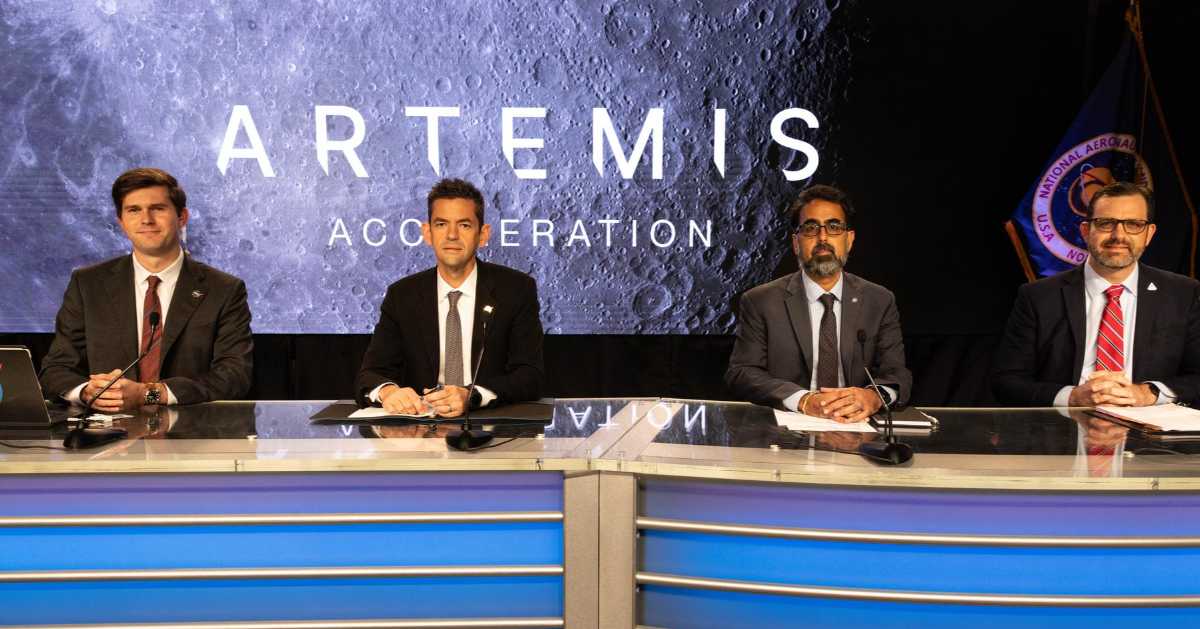
NASA’s Roman Space Telescope reaches its final stop before August 30 launch from Kennedy Space Center
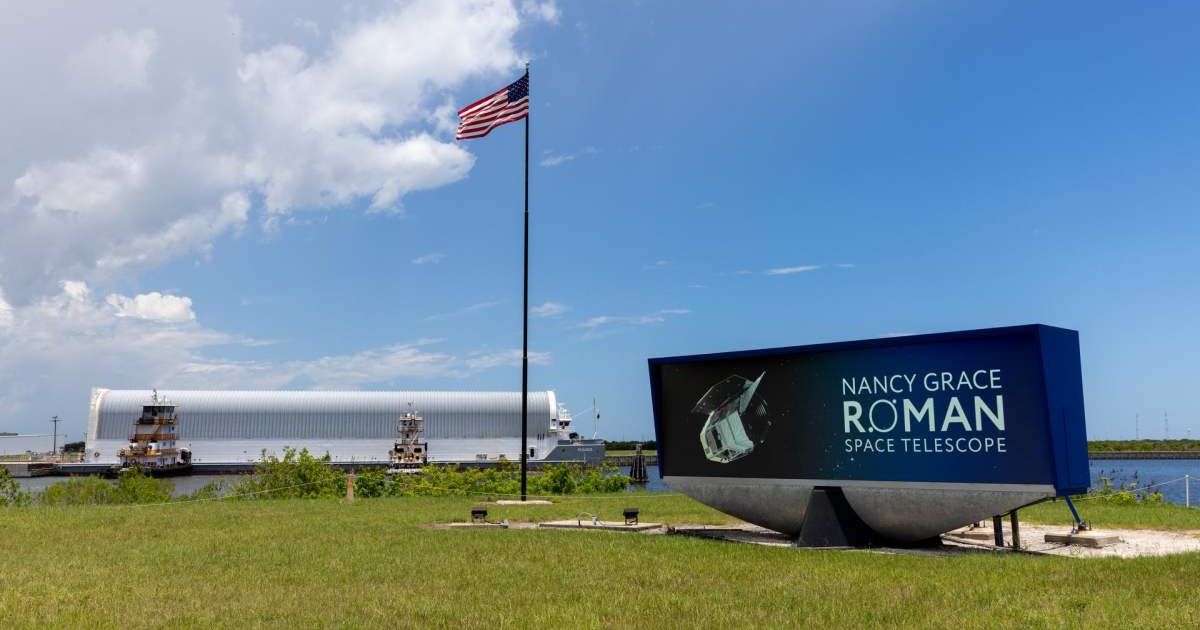
NASA’s Nancy Grace Roman Space Telescope has reached its launch site at the Kennedy Space Center in Florida after travelling south all the way from Baltimore, the agency confirmed on June 21, 2026. As is usual for the agency's large space-faring hardware, it was the Pegasus barge that made the waterways journey while carrying the 18,000-pound space telescope. Also travelling on the barge was a piece of hardware meant for the agency's Artemis III mission. Roman, which is set for a launch on August 30, 2026 at the earliest, has capabilities unrivaled by other telescopes of its type and is expected to lead to thousands of discoveries and new insights into our universe.
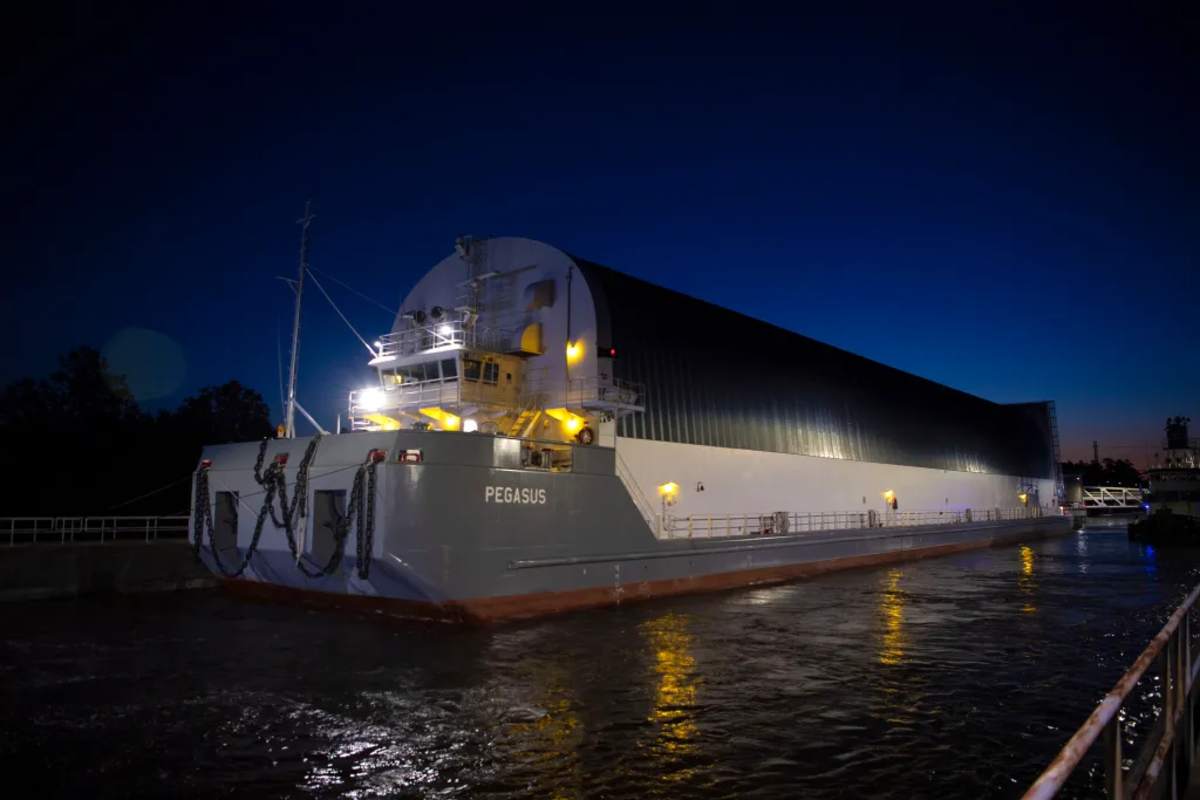
Having been fully integrated and tested at the Goddard Space Flight Center in Greenbelt, Maryland, this incredibly advanced space telescope was carefully placed inside a protective container, which was first driven down to the port of Baltimore. According to NASA, this container was also environmentally controlled. Once at its destination at Kennedy’s turn basin wharf, technicians unloaded the trailer carrying the observatory (with its container) off the Pegasus barge, and connected it to the back of a truck. Thereafter, it was driven to the recently-upgraded Payload Hazardous Servicing Facility.
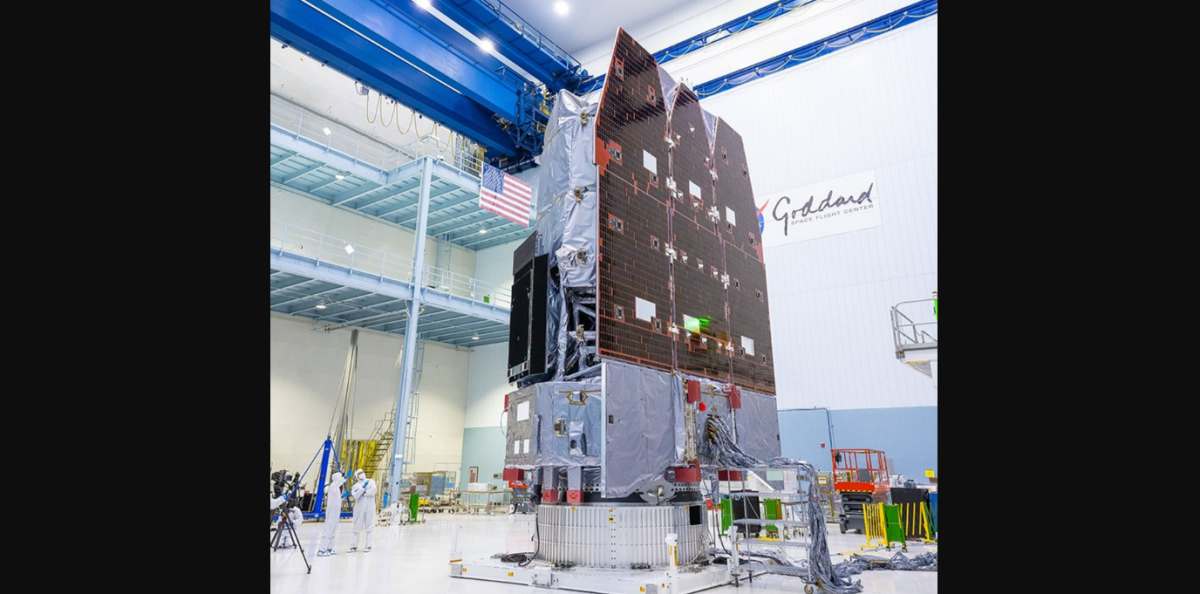
The recent upgrades at this KSC servicing facility were implemented specifically for the needs of Roman. Before its entry into the building, a preliminary cleaning will have been performed on the container carrying the telescope to ensure no contaminants—possibly picked up on the way—also end up making their way into the facility's airlock. Once inside the airlock, another round of thorough cleaning will follow to remove the rest of the contaminants. The Payload Hazardous Servicing Facility also features air filters which will ensure the environment inside the airlock is scrubbed clean. Teams will then remove Roman from its container, re-orient it into a vertical position, and move it from the airlock into the clean room of the servicing facility.
Just last week, NASA chief #JaredIsaacman announced that Roman, currently ahead of schedule and under budget, would launch in September.
— Starlust (@starlustorg) April 29, 2026
Now, while testifying before the U.S. Senate Appropriations Committee, he hinted at an even earlier window.#NancyGraceRomanSpaceTelescope pic.twitter.com/q6besdYFoJ
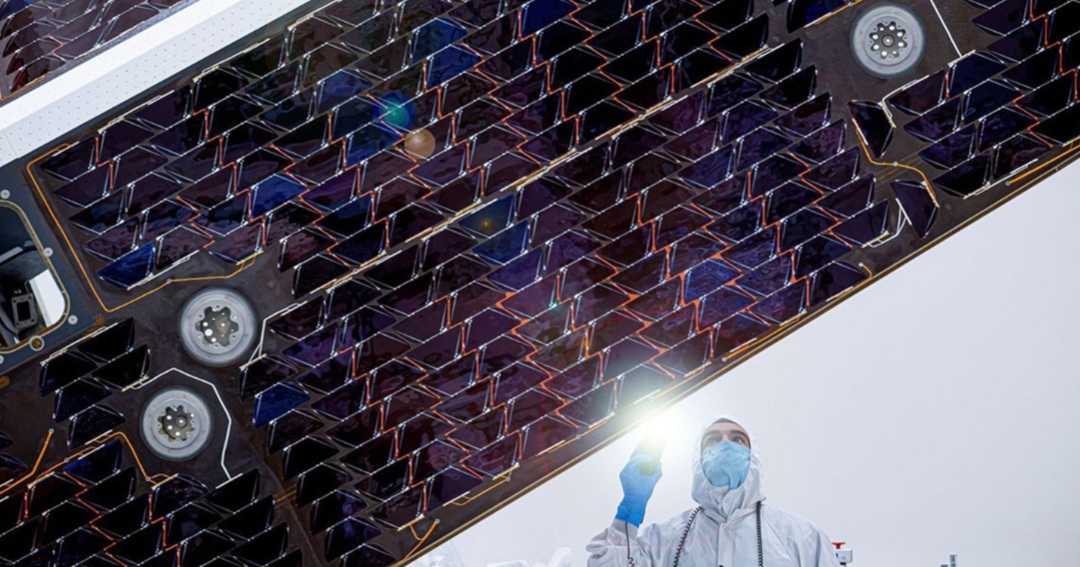
Today (June 22, 2026), teams are expected to move Roman into the high bay after removing the cover from the transport container. Large cranes will be employed to hoist the telescope onto the Pantheon—the work platform for Roman. Here, the technicians will test the spacecraft's six solar panels as well as its insulation and thermal blankets. A dedicated, trained team will also fill up Roman's fuel tanks with 290 gallons of hydrazine fuel, which forms part of the telescope's own propulsion system.
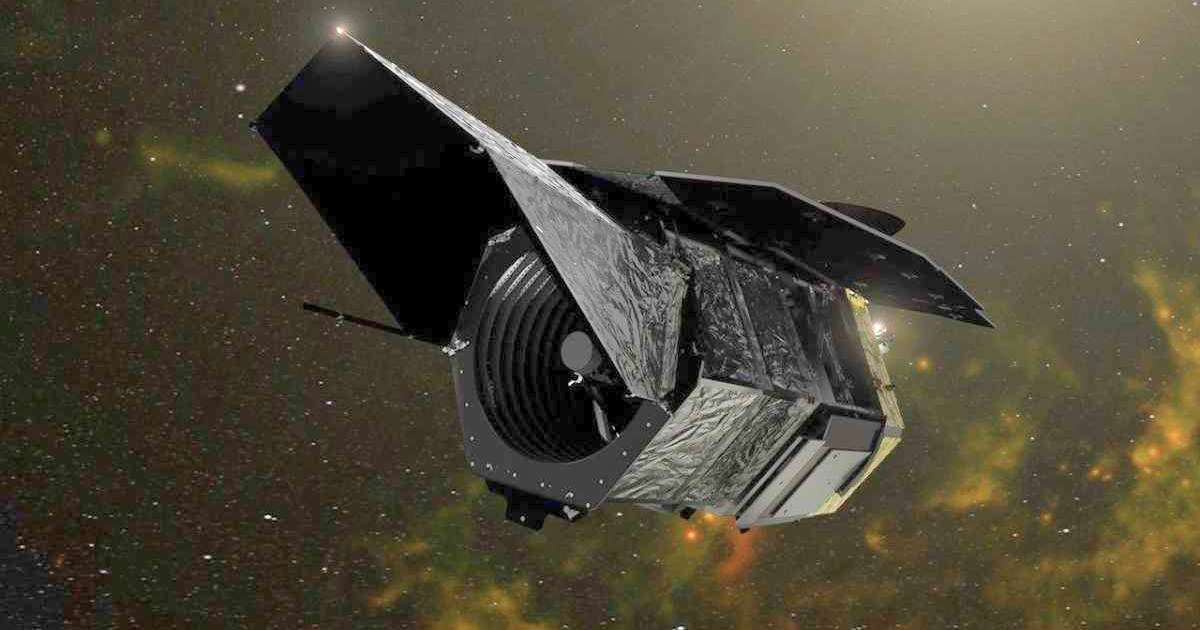
The entire mission is currently ahead of schedule by eight months and, as confirmed by NASA Administrator Jared Isaacman, was also built well within its expected budget. Upon being launched into space, it will be positioned at the second Sun-Earth Lagrange point (L2). From this vantage point, its 300-megapixel infrared camera will get to work gathering insights into mysteries such as dark energy, dark matter, and exoplanets. It is also expected to find many previously unseen celestial bodies.
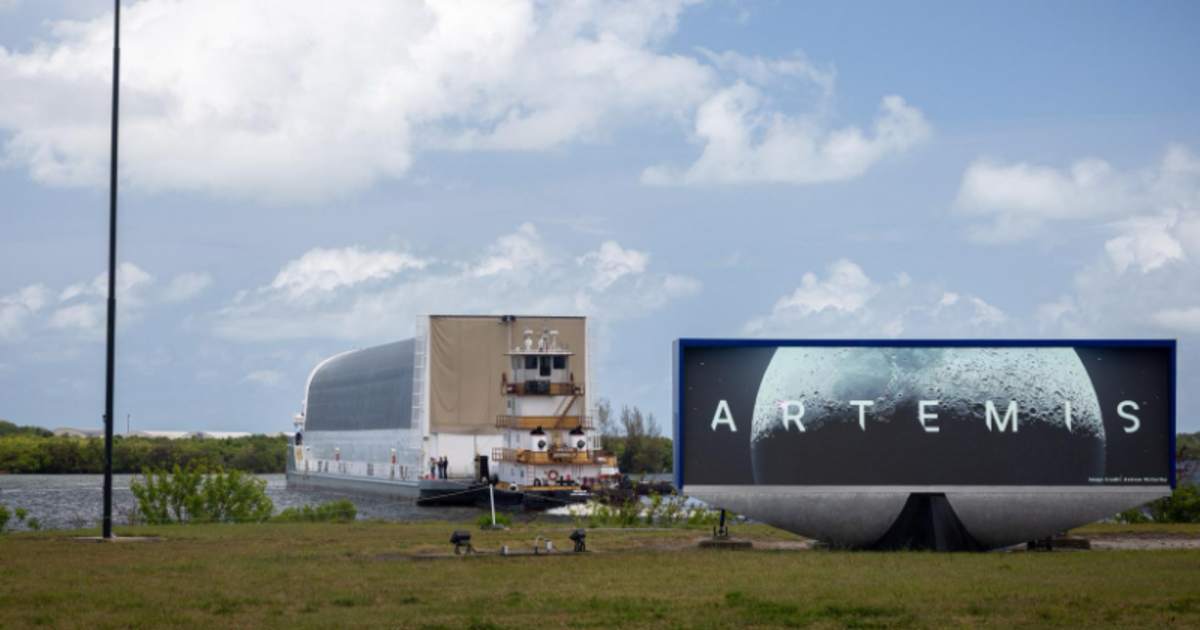
The lift-off of the Nancy Grace Roman Space Telescope is slated to occur from Launch Complex 39A of KSC on top of a SpaceX Falcon Heavy rocket. NASA, besides this launch, is also preparing for next year's Artemis III launch from the neighboring Launch Complex 39B. For the launch of this flagship crewed mission to Earth orbit, the Space Launch System rocket's core stage weather cover was also transported on-board Pegasus, with NASA citing an alignment of schedules that enabled this. The cover will protect the core stage's thermal systems while it awaits lift-off from its launchpad next year. This mission is supposed to be a test of the hardware that will safely land humans on the surface of the Moon by 2028's Artemis IV.
More on Starlust
Your name can travel aboard NASA's Roman Telescope on its journey—get your boarding pass now
NASA's Nancy Grace Roman Space Telescope to launch in September; will work 1,000x faster than Hubble