Who are the astronauts for Artemis III? NASA is going to reveal the names on this date

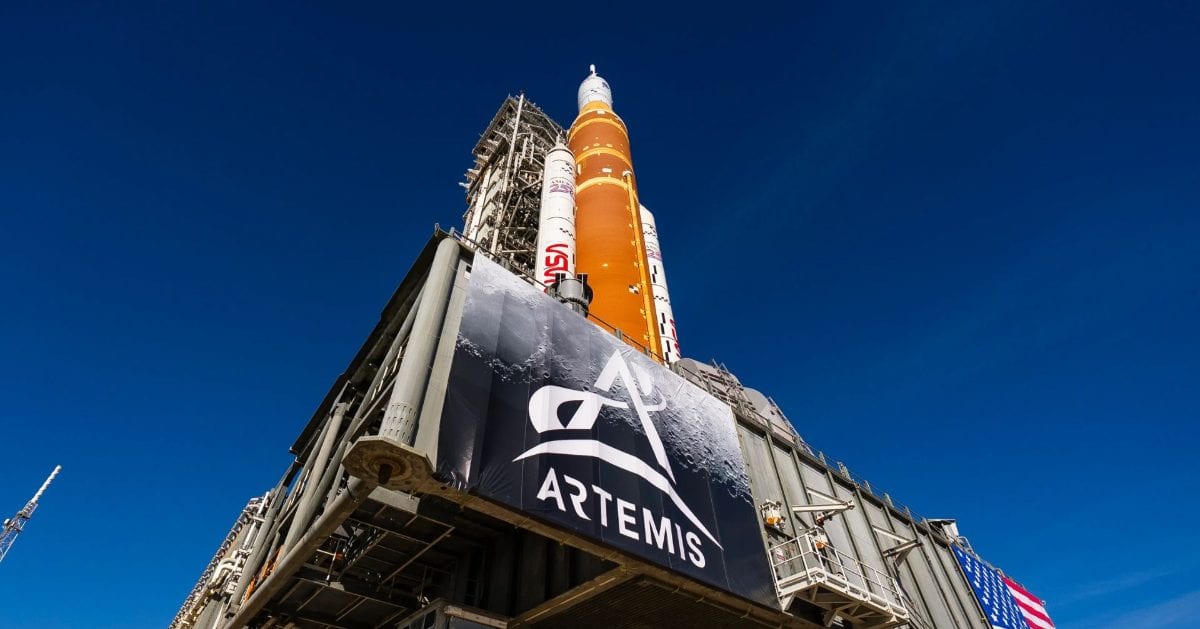
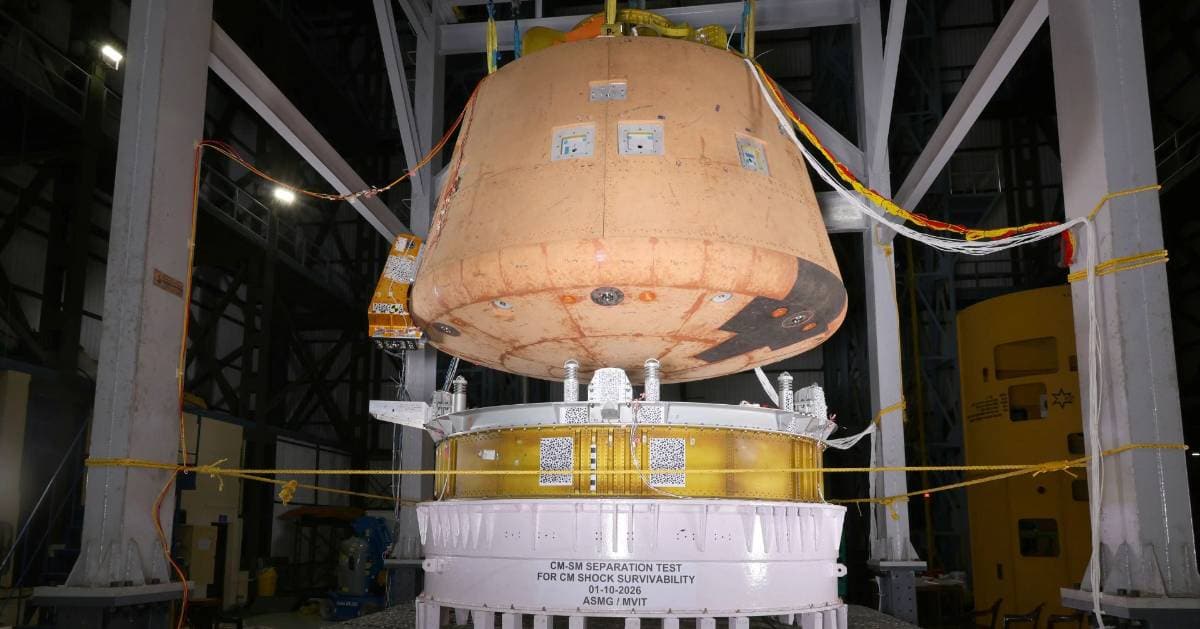
NASA has decided on a date for revealing the names of the astronauts who will launch aboard the Artemis III mission as part of the agency's preparations to put the first humans on the Moon in more than 50 years. On June 9, 2026, Johnson Space Center in Houston will be the venue for a live event set to start at 11 am EDT, where the crew of four astronauts will be announced for performing the final crewed test flight for the hardware used in the Artemis program, which includes the SLS rocket, Orion spacecraft, and the human landing system (HLS).
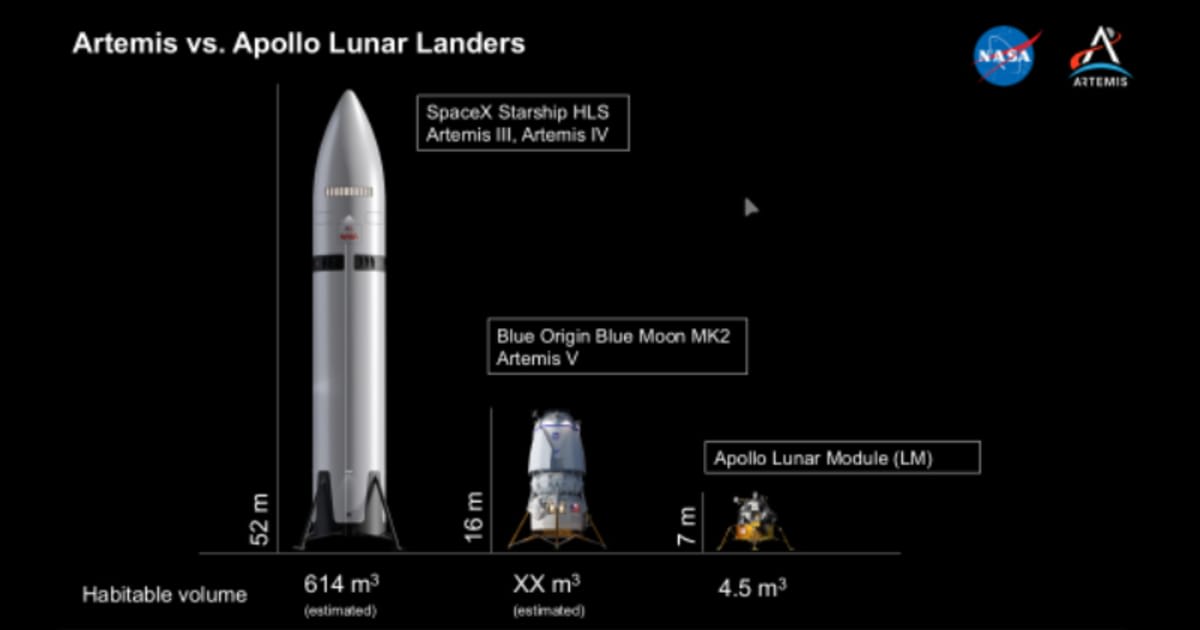
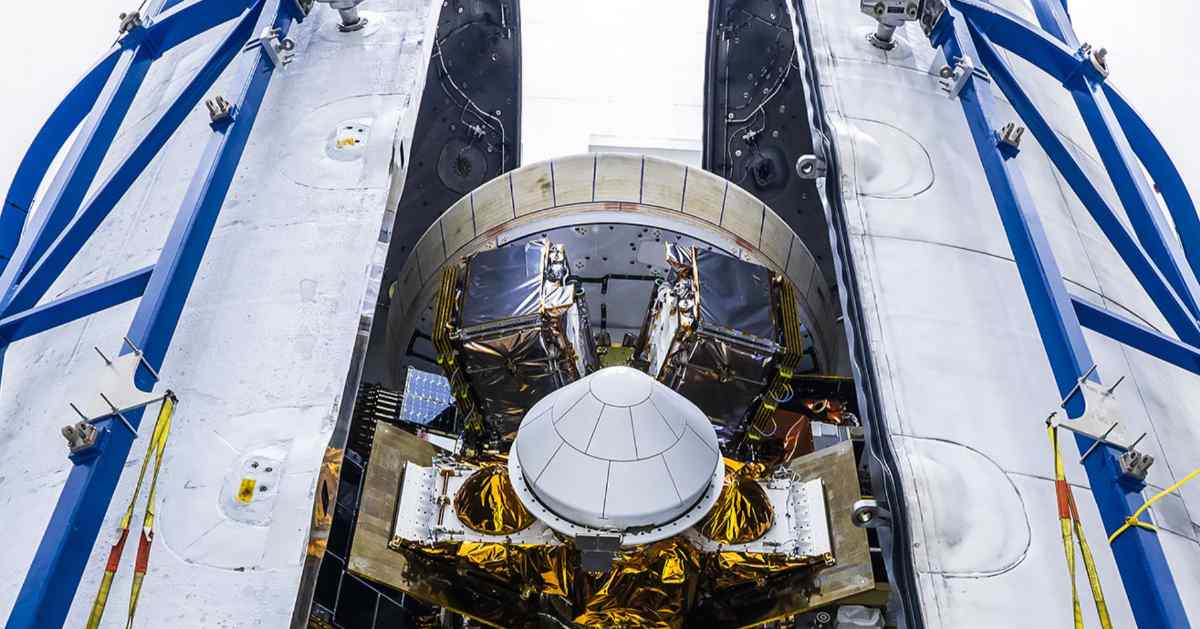
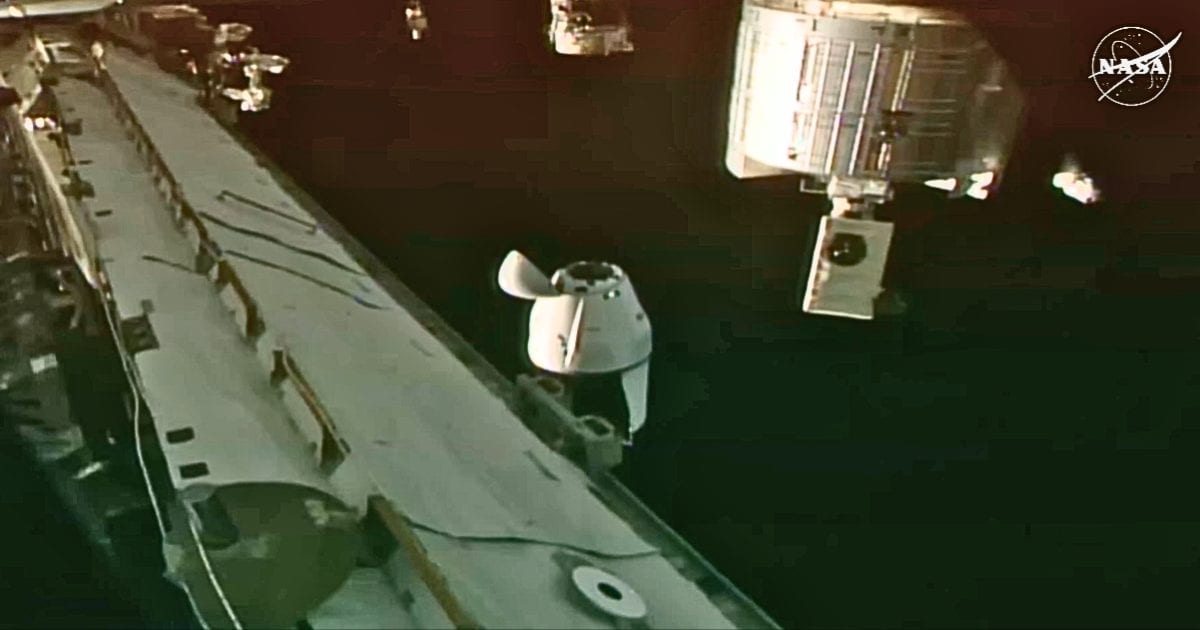
The mission's remit would be to test out integrated operations between the Moon landers, currently being built by both SpaceX and Blue Origin, and the Orion spacecraft in low-Earth orbit. The mission will be reminiscent of Apollo 9, which launched back in March 1969 and featured the first flight of the Apollo lunar module. That being said, a major difference between Apollo 9 and Artemis III lies in the fact that the latter could feature two lunar landers.
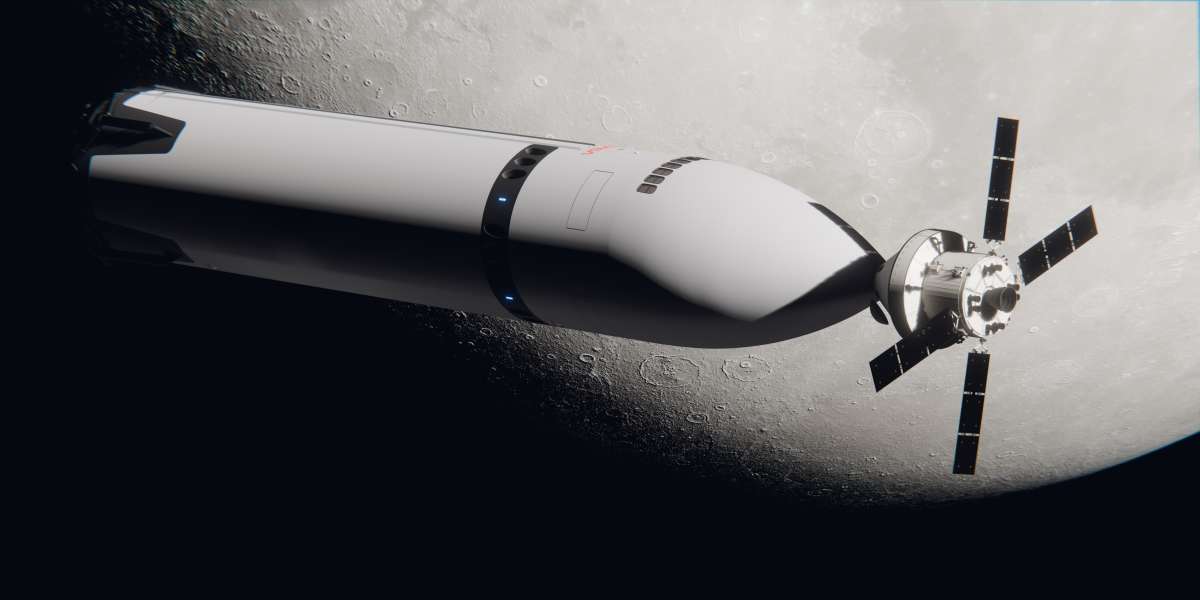
As a result, the astronauts selected for the mission will most likely have to be prepared for theN systems of either spacecraft, named Blue Moon and Starship, by Blue Origin and SpaceX, respectively. The specifics of the human landing systems are yet to be divulged, with both companies currently in a race against time to deliver their respective vehicles.
On Tuesday, June 9, we’ll announce the four astronauts who will orbit Earth aboard the @NASAArtemis III mission!
— NASA (@NASA) May 26, 2026
Watch our live event at 11 a.m. EDT (1500 UTC) to find out who will test the docking capabilities necessary for crewed Moon landings: https://t.co/TyU7StKGxH pic.twitter.com/WBhIPAWtcS
The selections of the astronauts for this mission are to be made from the existing pool of NASA astronauts, often referred to as the astronaut corps. Currently, there are 38 astronauts who are part of the group, with 10 soon to be added based on last September's 24th astronaut class announcement. Since these new astronauts require at least 2 years of training prior to becoming eligible to fly, and with some of the corps currently in space or having just returned, some names are more likely to be chosen for this mission than others. Astronauts of the upcoming SpaceX Crew-13 and the recently concluded Artemis II mission will also likely not be in the running along with astronaut Mike Fincke, who recently returned with Crew-11 due to health concerns. Like the Canadian Space Agency's Artemis II mission specialist Jeremy Hansen, an astronaut from a partner space agency may also be part of the crew.

While the four astronauts' names are slated to be confirmed at next month's event in Florida, another two may also be announced as backup to the primary crew in the following weeks or months. For Artemis II, Andre Douglas and CSA's Jenni Gibbons had been assigned these roles. For Artemis III, it remains to be seen if all six astronauts involved will be revealed at the event to be held in two weeks' time, and those interested can catch it on NASA's YouTube channel, NASA+, as well as on the agency's social media handles.
More on Starlust
NASA unveils updated Moon Base plans featuring landers, rover and drones—here's all you need to know