New Glenn’s massive explosion in Florida could impact NASA’s Moon Base ambitions—here's why

The news of Blue Origin's New Glenn rocket exploding has raised many questions about how NASA will proceed with its lunar exploration plans. The timing could not have been worse, as the space agency recently came out with updates detailing how it will go about establishing the first elements of its Moon Base. NASA announced that it was trusting Blue Origin with even more deliverables than before to contend with, giving an impression that confidence in the company founded by Jeff Bezos was high. However, May 28's fireball event could push decision-makers to consider changes, especially for Moon missions that involved the New Glenn launch vehicle.
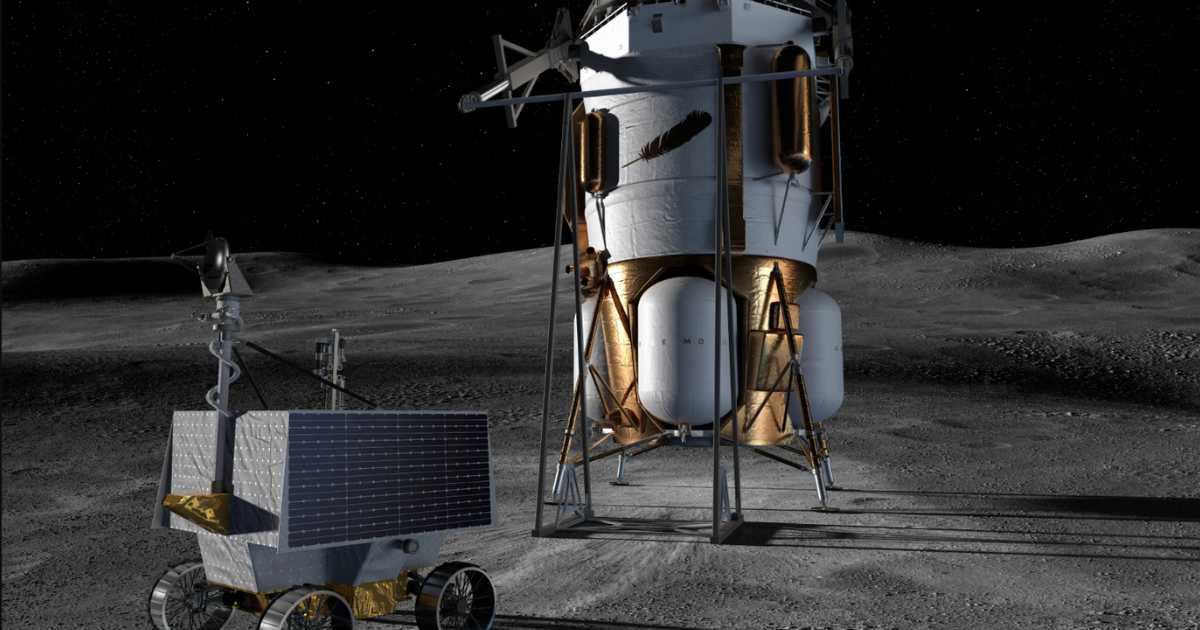
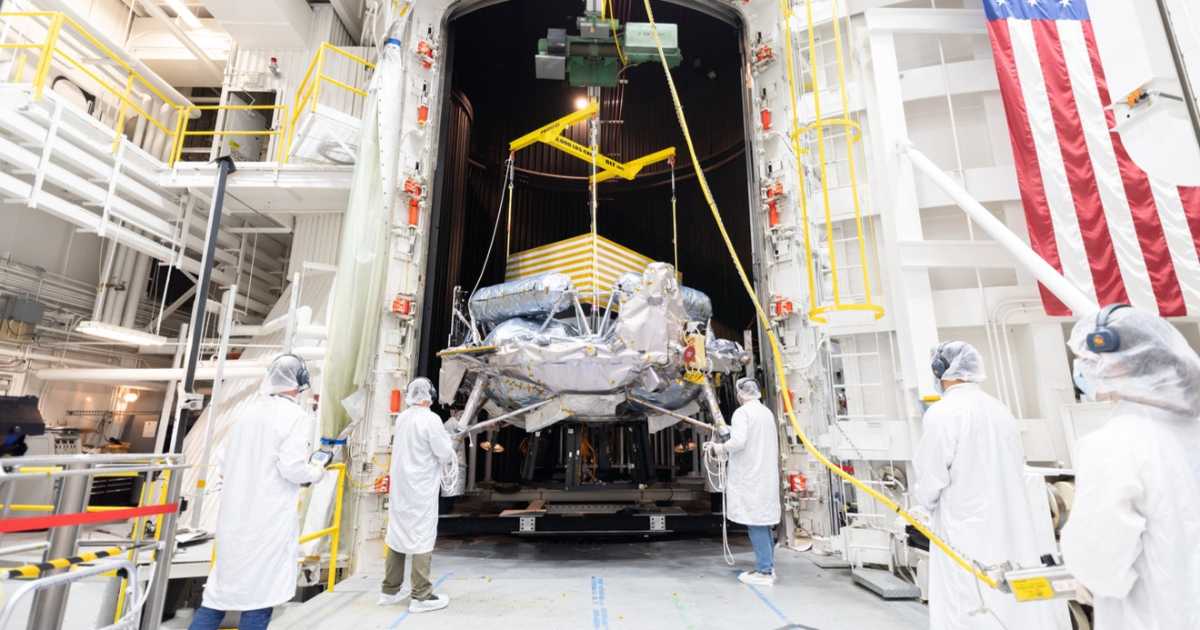
The deliverables assigned to Blue Origin included the newly conceived Moon Base I mission, which is scheduled for the fall this year and would be the first privately funded landing mission on the Moon. It was supposed to use the Blue Origin Mark 1 Endurance lander to deliver multiple payloads to the Shackleton Connecting Ridge. What's even more significant is that this mission would have lifted off using the New Glenn launch vehicle, which is almost certain to be grounded for a considerable period of time by the Federal Aviation Administration (FAA) until the company is able to adequately address the issues that led to the mishap.
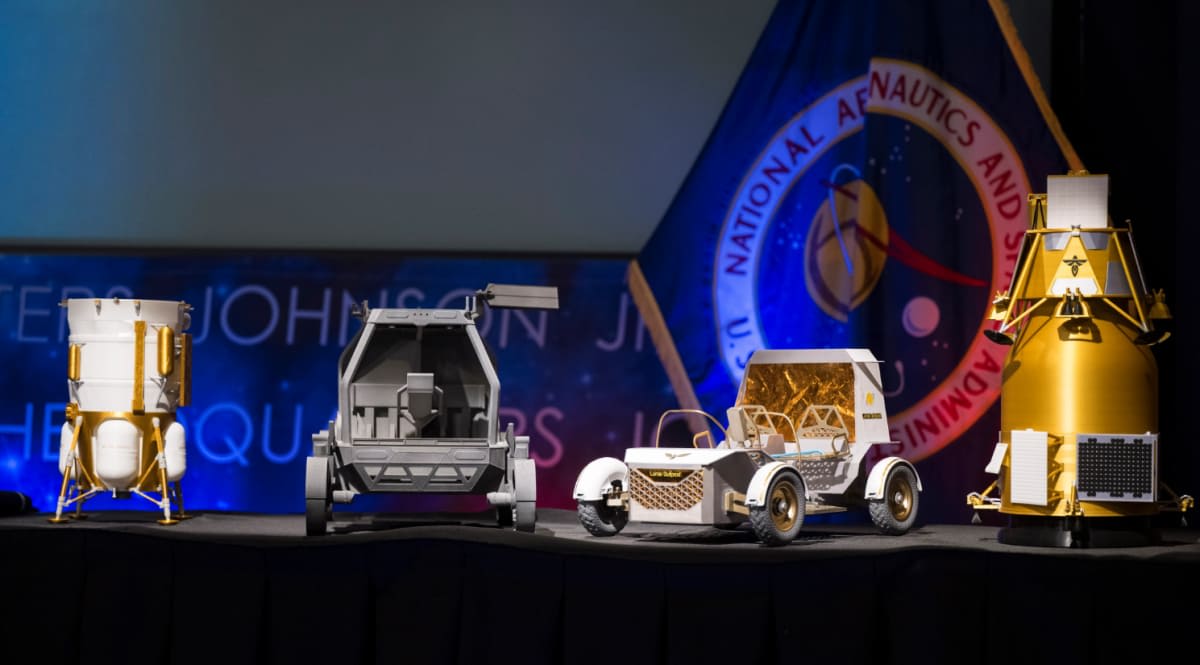
Blue Origin was also assigned the delivery of two Lunar Terrain Vehicles (LTVs) to the lunar surface. These would be Astrolab’s Crewed Lunar Vehicle (CLV‑1) and Lunar Outpost’s Pegasus. The contract award for the company is valued at $188 million, and there is an option period worth $280.4 million for two task orders. Both of these landers would have most likely employed the New Glenn rocket for launch, with it being the flagship rocket for the Kent, Washington-based company, advertised to have the capability to fly humans. Besides the aforementioned rovers, Blue Origin is also supposed to deliver the VIPER (Volatiles Investigating Polar Exploration Rover) to the lunar surface in the fall of 2027.
NASA is aware of the anomaly that occurred tonight at Launch Complex 36 involving Blue Origin’s New Glenn rocket at Cape Canaveral Space Force Station. ⁰⁰Spaceflight is unforgiving, and developing new heavy-lift launch capability is extraordinarily difficult. We will work with…
— NASA Administrator Jared Isaacman (@NASAAdmin) May 29, 2026
NASA leadership has already taken notice of this catastrophic loss of Blue Moon's rocket. Administrator Jared Isaacman stated, "We will provide information on any impacts to the Artemis and Moon Base programs as it becomes available," referring to the results of the investigations that have been launched into the incident and the measures the agency will deem appropriate in this scenario. Besides the aforementioned missions, Blue Origin is also engaged in the development of one of the human landing systems to be tested in Earth orbit with Artemis III, qualifying the same (the Blue Moon Mark 2) for taking humans to the lunar surface. NASA would also have expected the company to utilize the New Glenn rocket for an uncrewed test of the HLS, which is another mission that could end up in jeopardy. What's more, the launch of over 40 Amazon Leo satellites, for which the static fire test was being conducted, is now also stuck in limbo.
More on Starlust
Four major lunar missions set to launch in 2026 to support NASA's goal to 'stay' on the Moon
Social interactions in deep space: How the human factor could affect success of NASA's Moon Base