NASA's Artemis III: New date, goal, and everything else you need to know
NASA recently announced an upheaval of its existing plans for returning humans to the Moon through its Artemis program. As a part of the change, objectives for one mission in particular appear to have been refreshed more than others. Where Artemis III would have landed the first humans on the Moon in over half a century, NASA’s shift in approach sees it become another stepping stone in the grand scheme of things. A lunar touchdown is now on the agenda for Artemis IV, while Artemis III serves as a platform for systems to be duly tested in low-Earth orbit. In light of these developments, let us acquaint ourselves with what Artemis III entails and why NASA felt the need to insert another mission before attempting lunar landings.
When is Artemis III?
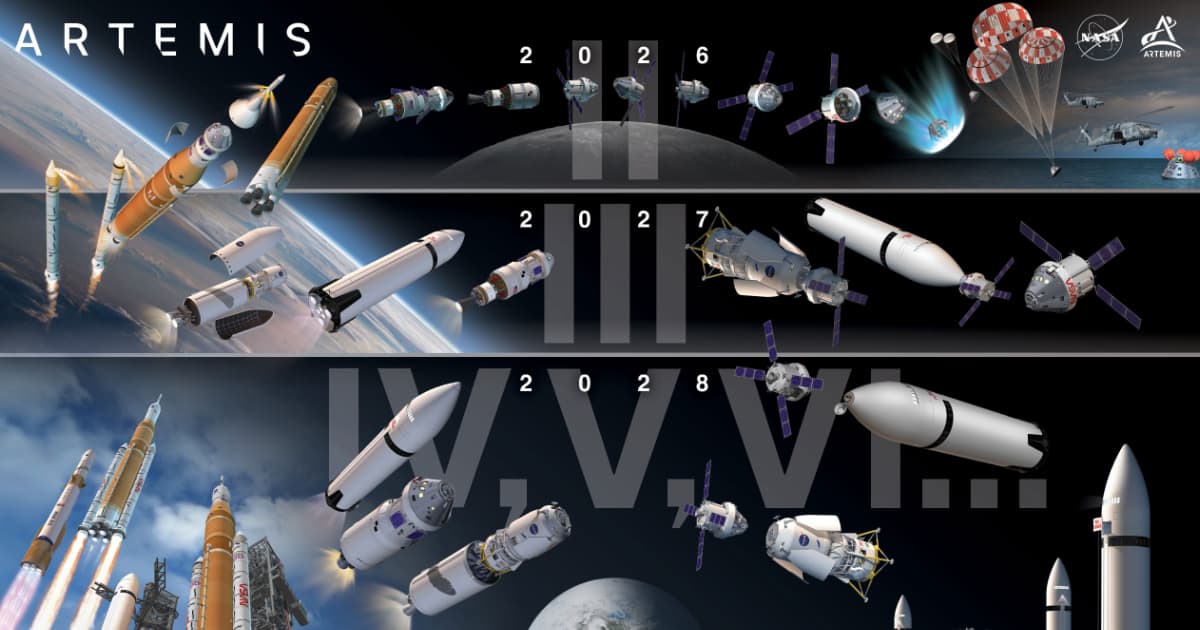
Speaking to the media during the news conference held on February 27, 2026, NASA Administrator Jared Isaacman stated, "Artemis III will launch ideally by mid-2027." As mentioned before, lunar landing is still in the pipeline in 2028, with the agency looking to make as many as two launches happen that year with Artemis IV and V. The introduction of this mission also does not interfere with the plans for Artemis II, which Isaacman stated could take place in a matter of weeks. This mission’s success would determine much of what NASA decides to do next.

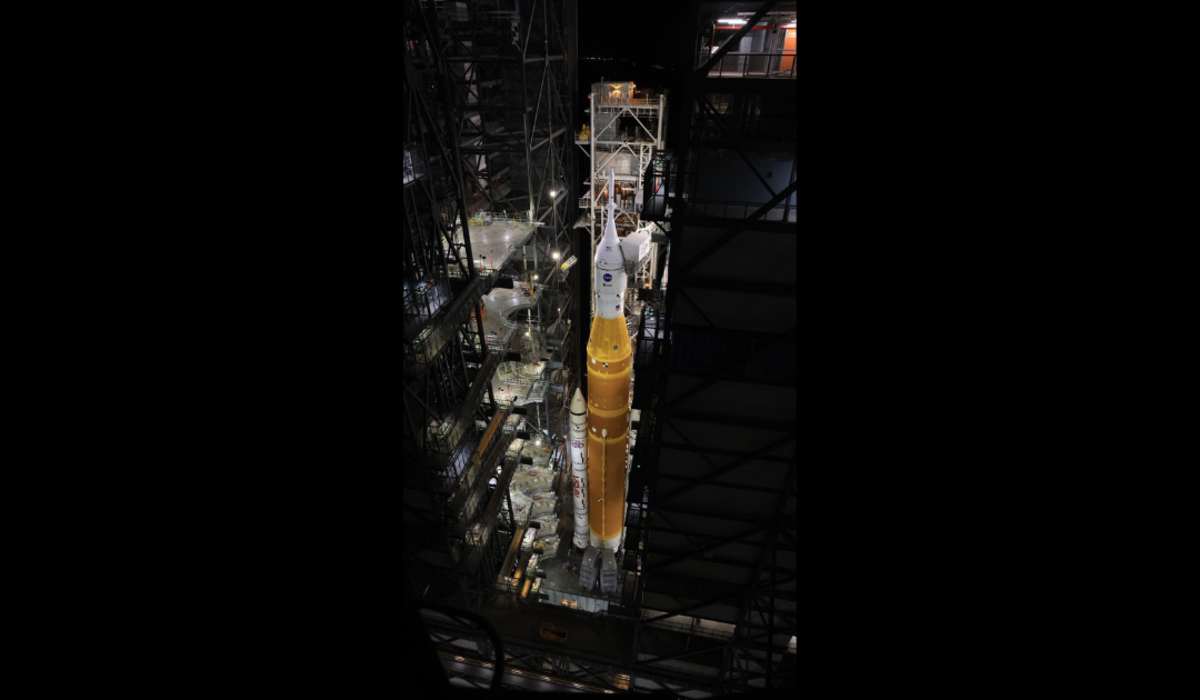
Artemis II was originally planned for February, but the early termination of the first wet dress rehearsal due to a hydrogen leak moved launch opportunities to March. This latter plan was also scrapped after a helium flow issue in the SLS rocket’s interim cryogenic propulsion stage was discovered after the second wet dress rehearsal. This forced the Exploration Ground Systems (EGS) teams to roll the rocket stack back to the Vehicle Assembly Building (VAB). At the moment, an early April launch is being considered by teams reviewing the progress of the fixes, tests, and battery changes being made at the VAB.
Objectives of Artemis III
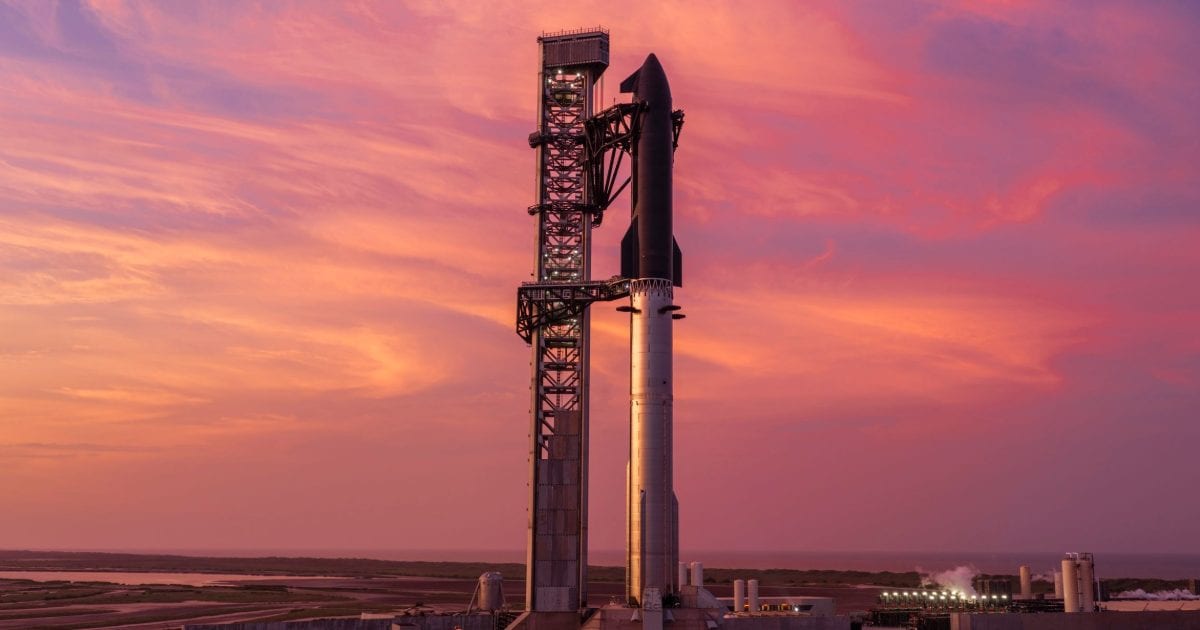
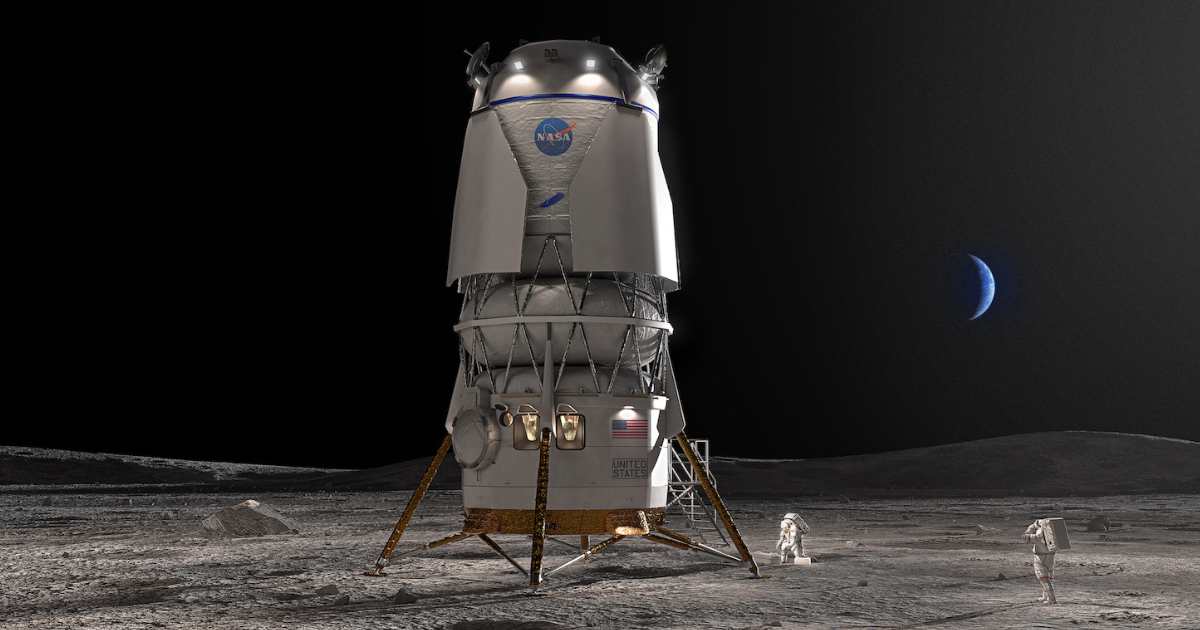
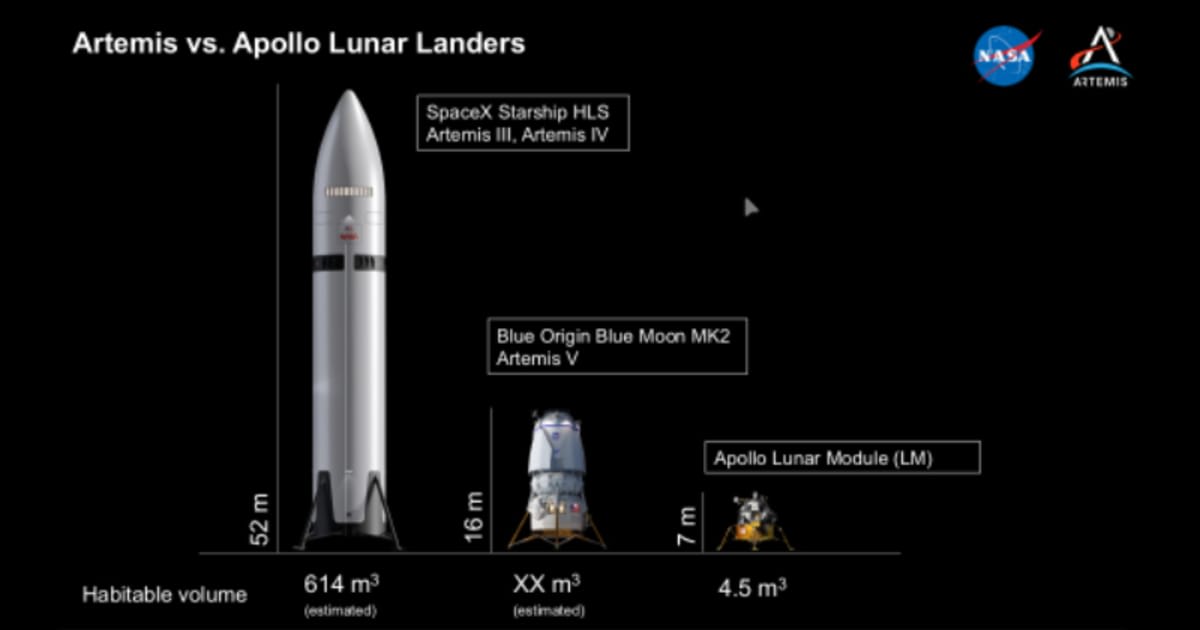
When asked about what Artemis III will set out to achieve, Isaacman told the media, “Our objective there, and we've spoken with both our landing providers on this, is to rendezvous with one or both landers." NASA had contracted SpaceX and Blue Origin to develop human landing systems for future Artemis missions. Both companies had responded with proposals for the Starship HLS and Blue Moon lander, respectively. Speaking on the importance of testing their suitability in the vacuum of space, Isaacman went on, “That's an opportunity for us to test out integrated operations between Orion and the lander, which is important. That will be a crew-rated vehicle someday." The flight will test integrated life support, communications, and propulsion systems. "It's another opportunity for us, maybe, to get our suits up there before the astronauts actually have to wear them on the surface of the Moon," Isaacman added.
NASA will increase the cadence of the Artemis missions to successfully return humans to the Moon and sustain a lunar presence.
— NASA (@NASA) February 27, 2026
Artemis III will test systems in low Earth orbit to prepare for an Artemis IV Moon landing in 2028. https://t.co/TovtCfQXzf pic.twitter.com/WFrTdacerY
SpaceX appeared to be the frontrunner for developing the first lunar lander by a private entity, having been awarded Artemis III and IV previously. What this shake-up of Artemis III’s mission objectives does is open the door for Blue Origin to possibly get up to speed and be involved in missions earlier than previously planned.
Why the change in plans?
NASA leadership reasoned that getting the SLS rocket ready for more frequent launches is key to achieving the mandate of crewed lunar exploration. When asked if SpaceX and Blue Origin could deliver on these aggressive deadlines, with the recently published Aerospace Safety Advisory Panel (ASAP) report questioning the readiness of the Starship HLS, NASA leadership was quick to accept responsibility. "This is largely about NASA. We talk about why we have struggled, our shortcomings—I look internal first," Isaacman said. "I didn't have a conversation with any of the prime contractors or any of the partners, as it relates to this acceleration plan, where they said it couldn't be done." Emphasis was then put on the improvement of SLS launch cadence instead. A launch cadence of 10 months was said to be key in preserving what Isaacman repeatedly referred to as "muscle memory."
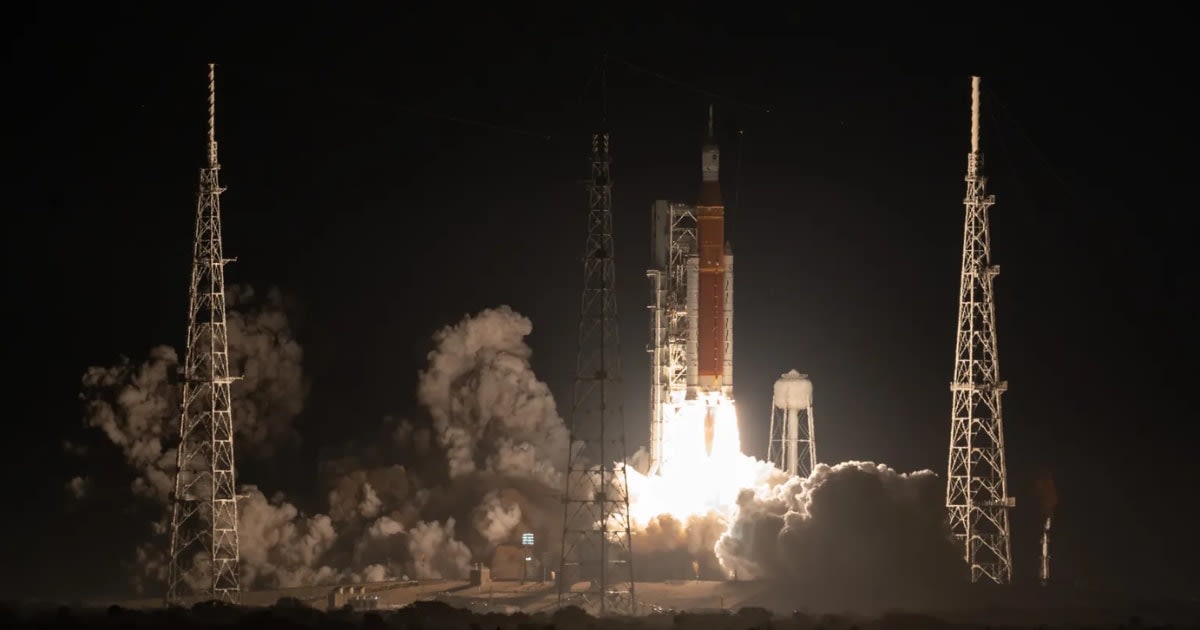
The Administrator was at pains to draw inspiration from the Apollo missions, which launched with much more regularity before the pinnacle of their achievements was scaled. “You look at the time when Apollo 7 splashed down to when Apollo 8 launched; you’re approximately two months apart.” SLS rocket’s launch, which is going to be the most powerful launch of humans to space in history, has oddly only happened once in its lifetime with the uncrewed Artemis I. More than three years later, NASA is still struggling to get it off the ground. "Launching a rocket as important and as complex as SLS every three years is not a path to success. A component of that is when you are launching every three years, your skills atrophy. You lose muscle memory," Isaacman explained.
Though the sheen of a lunar landing seems to have been taken away from Artemis III, it remains no less vital in achieving the objectives laid out by NASA with its international and commercial partners for the program. Upon the completion of Artemis II, NASA will go back to the drawing board in designing the specifics of Artemis III. Based on it, a crew will then be announced to suit the new mission objectives.
More on Starlust
NASA's Artemis II and Crew-12 astronauts will be first to carry latest smartphones to space
All about Christina Koch, the first woman to fly around the Moon as part of Artemis II