NASA's Artemis II mission: Why the four astronauts won't land on the Moon

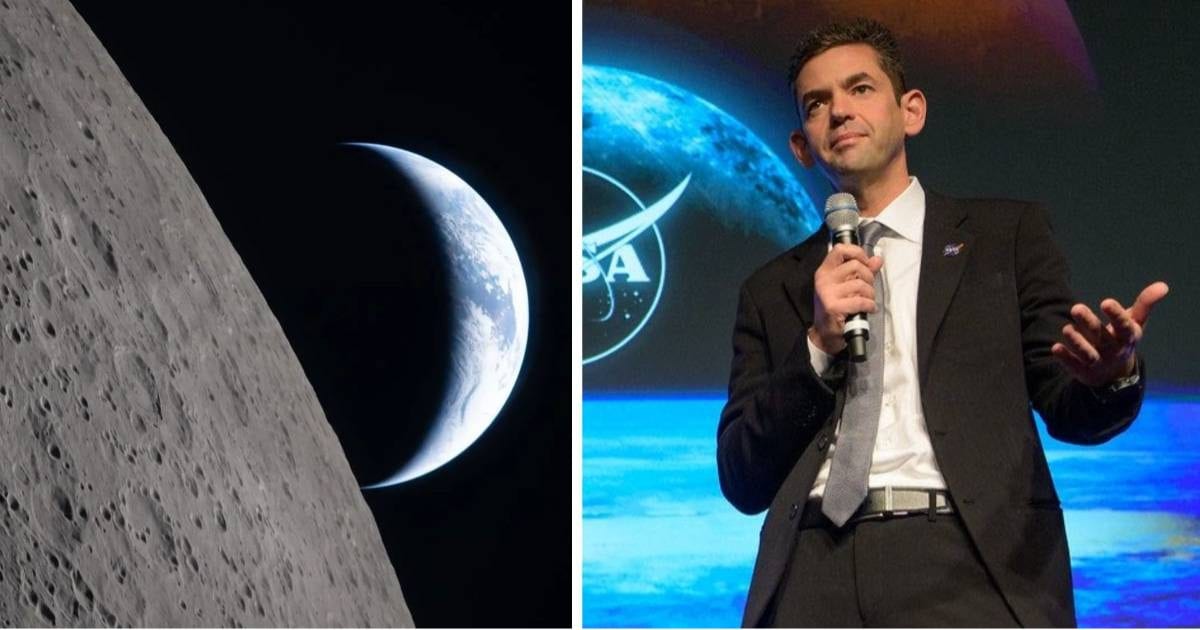
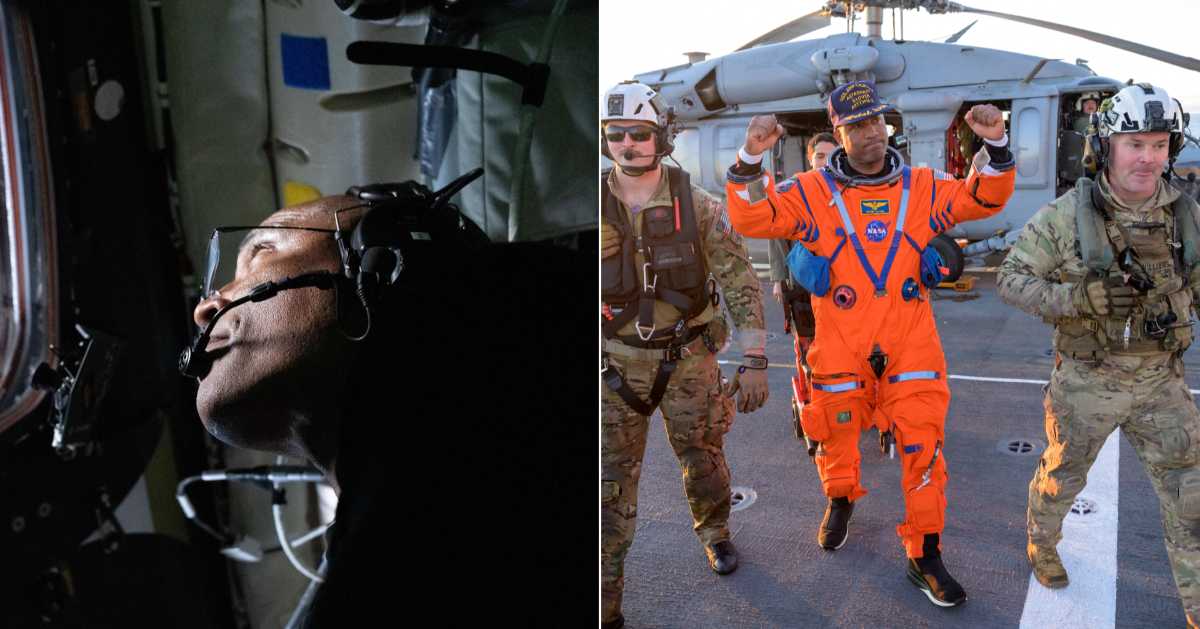
NASA's Artemis II mission is about to launch four astronauts around the Moon without having them set foot on it. While the reasons for this are plenty, according to Patty Casas Horn, the deputy lead for Mission Analysis and Integrated Assessments at NASA, “the short answer is because it doesn’t have the capability. This is not a lunar lander.” The focus is on testing the rocket and spacecraft in deep space with people on board for the first time and making sure everything works safely before anyone tries to touch down on later flights. The crew, comprising Reid Wiseman, Victor Glover, Christina Koch, and Jeremy Hansen, will travel beyond the far side of the Moon, possibly going farther than any human has gone in over 50 years, before coming back to Earth.

Horn stressed how risky spaceflight still is, even today. "Throughout the history of NASA, everything that we do is a bit risky, and so we want to make sure that that risk makes sense, and only accept the risk that we have to accept, within reason," she told CNN. After the uncrewed Artemis I flew perfectly in 2022, this crewed test adds human-rated upgrades like cozy crew quarters that weren't there before. “Now, with our four humans on board, we’ll be testing out a lot of new capabilities that were not there for Artemis I,” Horn was quoted as saying. “For example, we need to keep the vehicle thermally stable, because humans need to be comfortable. But when you add people to a spacecraft, you add a lot of moisture to the air, too. They also need food. They need water. They need toilets. We … also have some exercise devices on Orion this time that we’re going to be testing.”
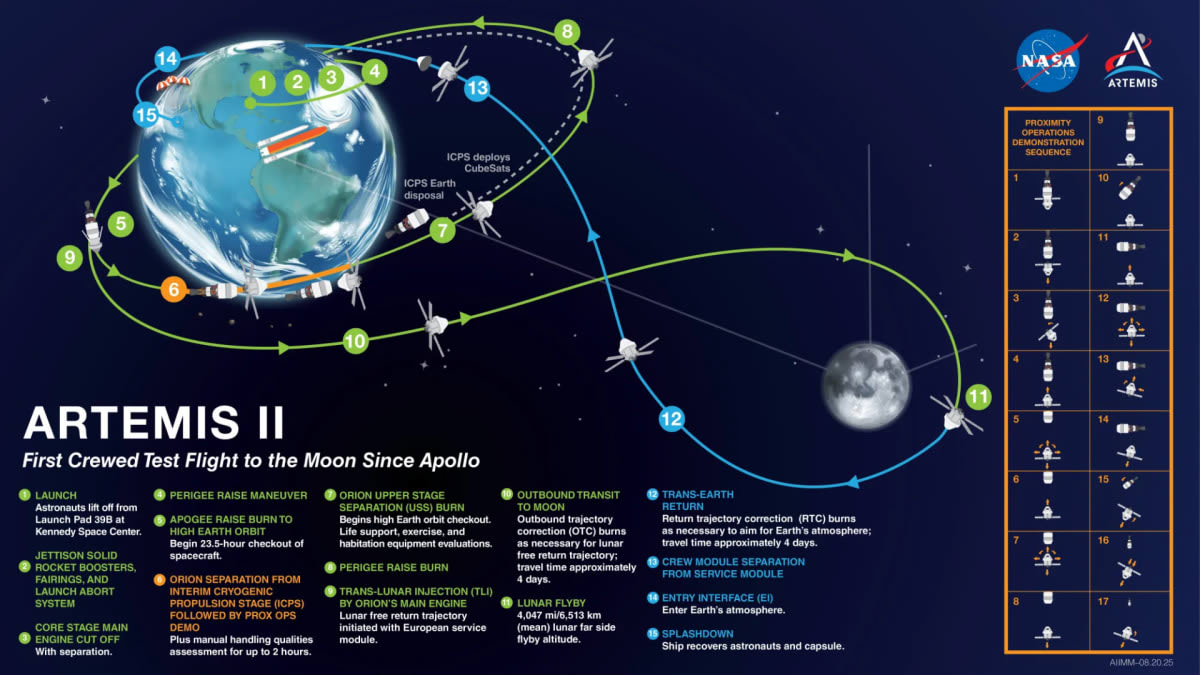
While testing navigation, propulsion, communication, and other systems onboard the vehicles is extremely important for the mission, the health and safe return of the crew is at the top of NASA's priority list for Artemis II. “We are not actually going into lunar orbit—Artemis II is a ‘free return,’ meaning that once we leave Earth’s orbit, we’re already on our way home. We’re just going to swing around the moon, and that’s the beauty of it. Any number of things may go wrong, and that crew is still going to come back to Earth without having to do any other major burns,” spoke Horn of the trajectory chosen for Artemis II.

Preparations are ramping up fast at Kennedy Space Center in Florida, with personnel gearing up for a key wet dress rehearsal as early as January 31, pumping over 700,000 gallons of super-cold propellants into the giant SLS rocket to practice countdowns, planned holds, and draining it all safely—without the astronauts aboard. Over the weekend, they loaded hydrazine fuel into the boosters, checked out the four RS-25 engines on the core stage, and stowed gear inside Orion while tuning its launch abort system.
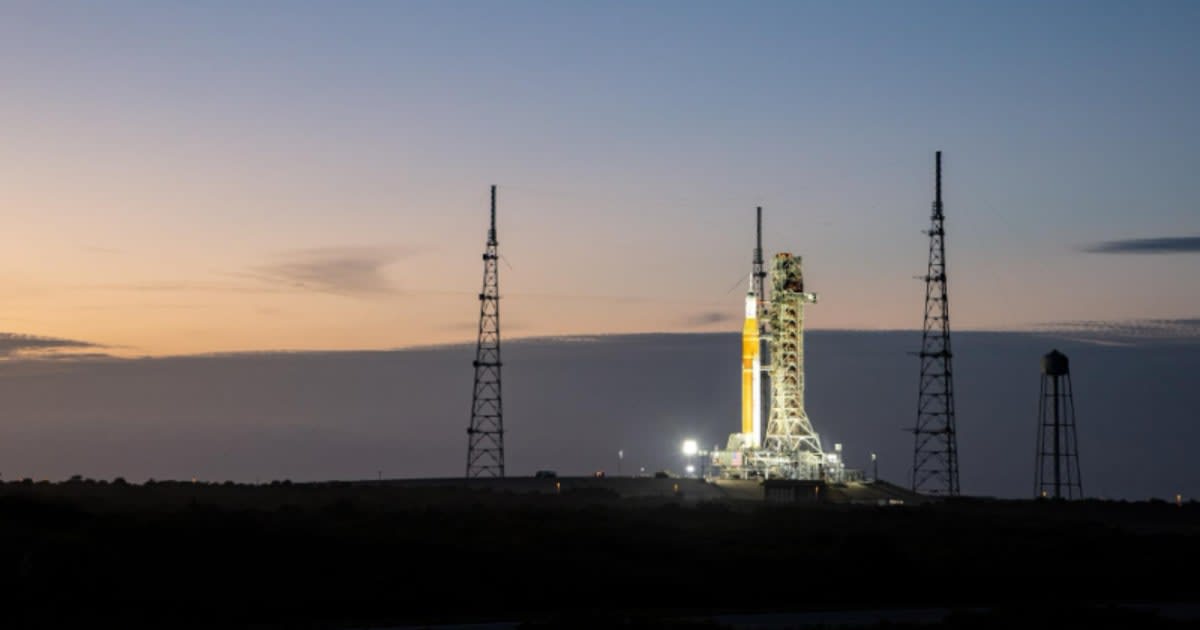
With cold weather hitting Florida on January 27, crews also worked on environmental controls to keep the rocket and spacecraft at just the right temperatures. They are also making sure Orion's drinking water is good for consumption. The astronauts went into quarantine in Houston on January 23. If all goes well, they'll launch from the Kennedy Space Center in Florida, once the launch period opens on February 6.
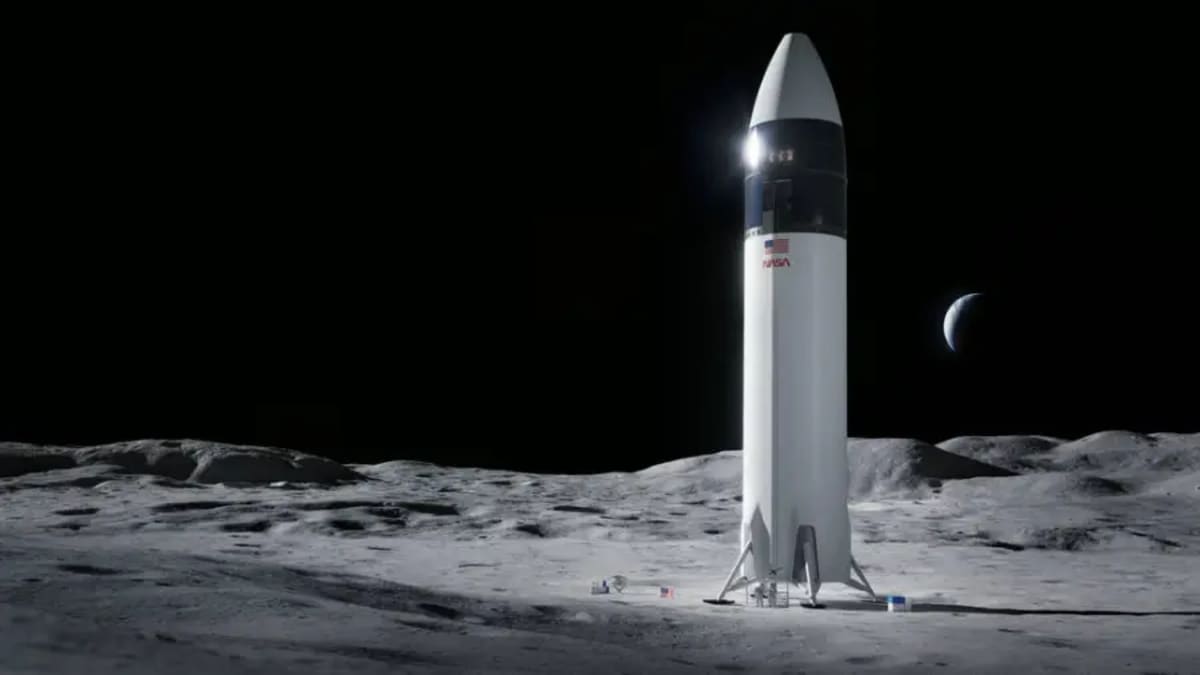
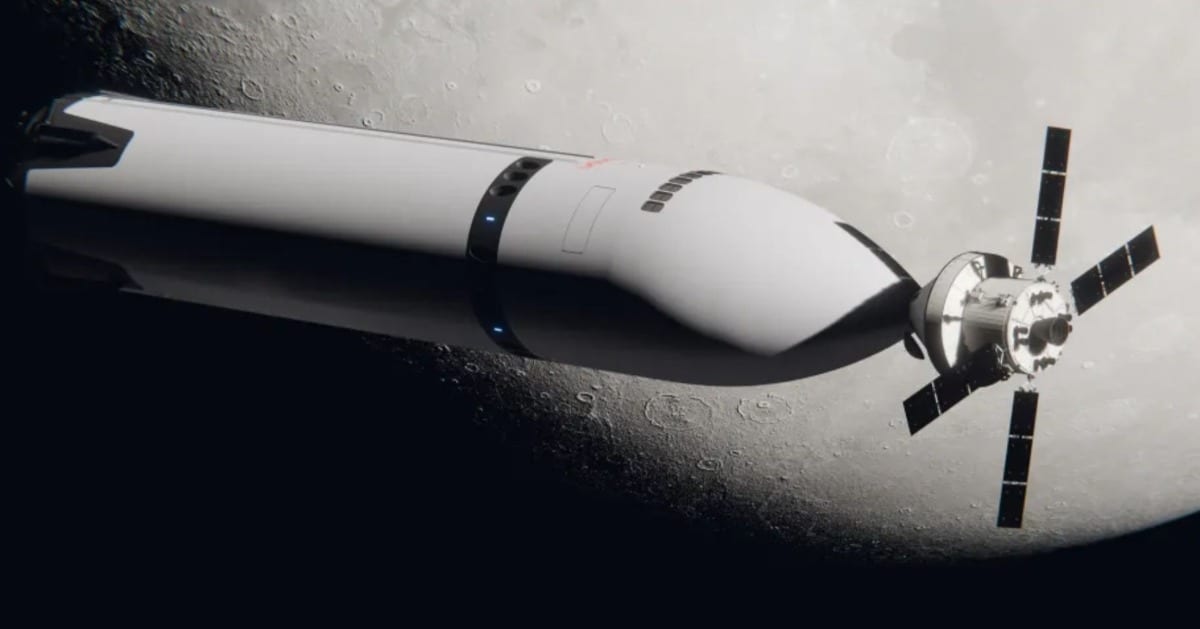
Artemis II paves the way for Artemis III in 2028, when two crew members will hop from Orion to SpaceX’s Starship HLS for the first boots on the Moon since Apollo 17. After that comes the Lunar Gateway station with Artemis IV, setting up long stays in orbit around the Moon. NASA, as with Apollo missions, has chosen to pursue its objectives in a sequential manner, with a test for the ride now and landings later. Artemis II is meant to prove humans can handle the Moon's neighborhood safely, so the next crew actually gets to explore it.
More on Starlust
NASA’s Artemis II mission to carry mementos into space, honoring America’s independence