Artemis II: NASA fixes upper-stage helium flow issue, continues to work towards rollout
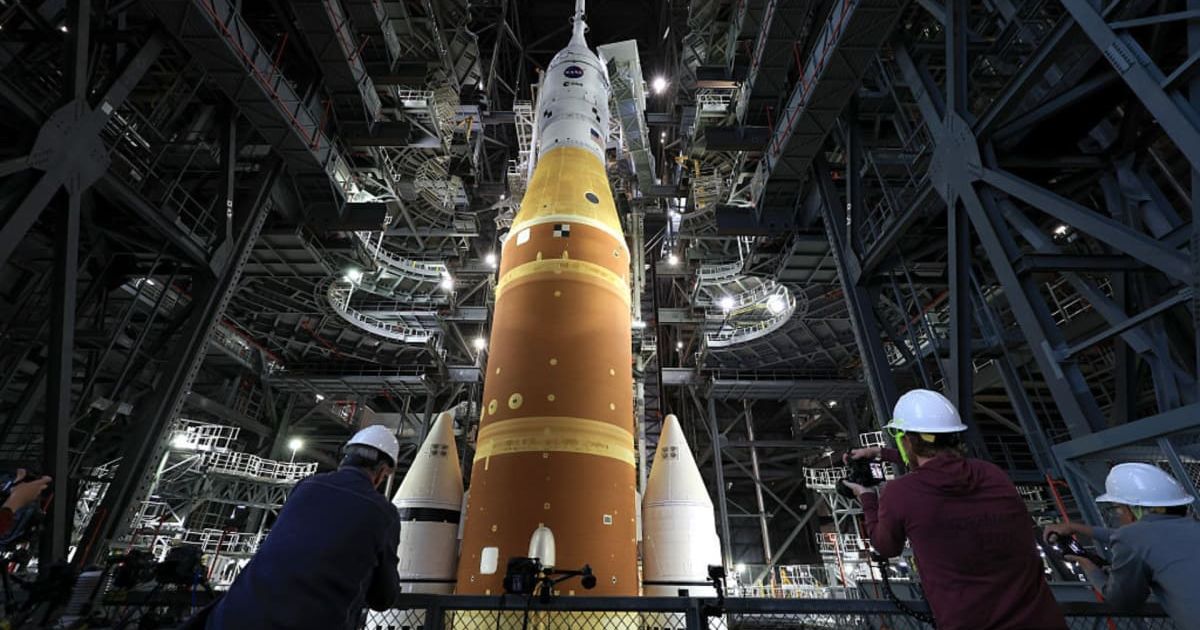
According to NASA, teams at the Kennedy Space Center have made the requisite repairs in response to the helium issue faced in the aftermath of the recent wet dress rehearsal. As of the afternoon hours of March 3, 2026, technicians have replaced a seal in the quick disconnect of helium tubing at the upper stage of the SLS rocket for Artemis II. They then reassembled the system and tested it at the Vehicle Assembly Building by making helium flow through it at a reduced rate.
Following the discovery of a helium flow issue with the Artemis II rocket, engineers have determined the issue and made repairs.
— NASA Artemis (@NASAArtemis) March 3, 2026
NASA is preparing to roll the vehicle out to the launch pad in the coming weeks ahead of a potential launch in April. https://t.co/BsRijNEucJ pic.twitter.com/PISIhU18qN
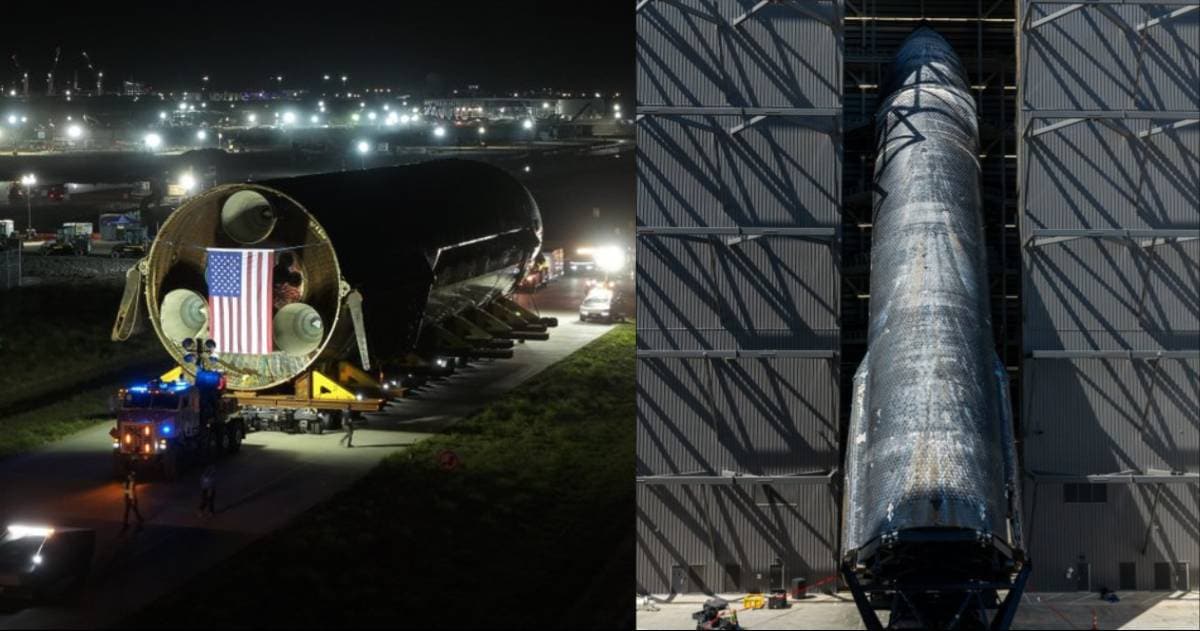
The issue had reared its head while the rocket was being configured again after a seemingly successful second wet dress rehearsal, which led mission managers to consider launching on March 6. Those plans have since been discarded. Upon the arrival of the rocket inside the VAB at the Kennedy Space Center in Florida on February 25, 2026, teams set up two sets of internal access platforms inside the launch vehicle stage adapter and removed thermal blankets to get access to the helium tubing.
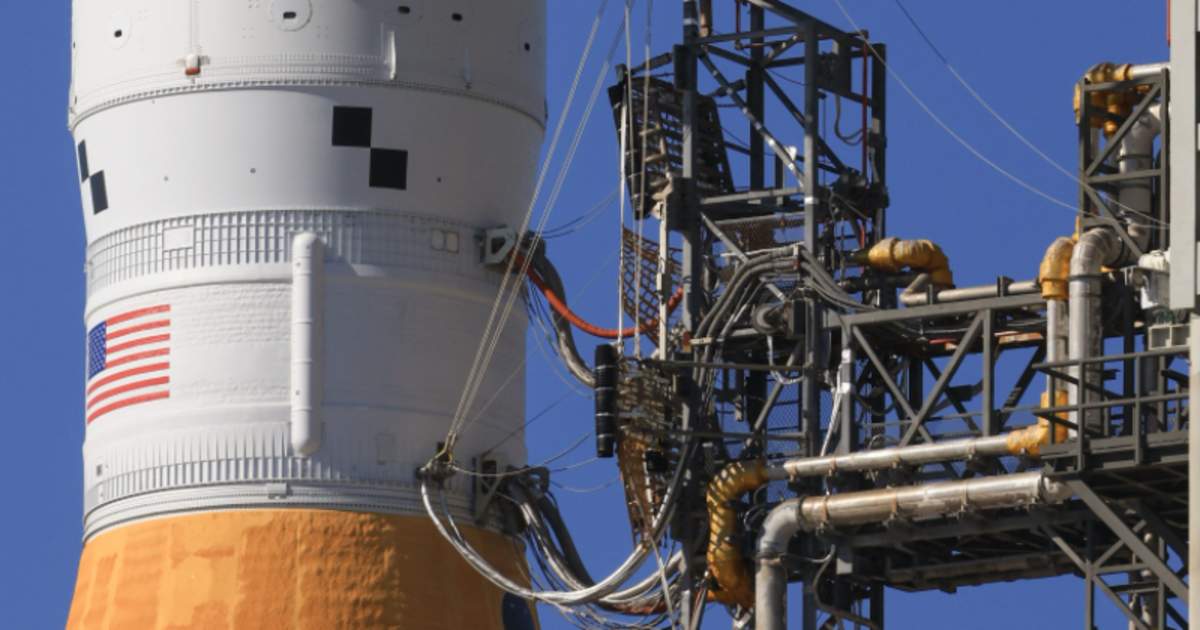
Despite having lost plenty of time in allowing these repairs to be made, NASA has taken steps to ensure that the rocket can be rolled back out in time for April launch opportunities. It has done so by making simultaneous progress in refreshing the SLS rocket’s systems while the aforementioned repairs were being made. Work to replace a seal on the core stage liquid oxygen line feed system started on March 2. The agency said that upon completion of the replacement, the oxygen tail service mast umbilical plate would be reassembled and several integrity tests would be conducted to make sure that the seal interface is tight. Additionally, teams were reported to be activating a new set of flight termination system batteries while replacing batteries in the upper stage, core stage, and solid rocket boosters, and charging the batteries on the Orion spacecraft's launch abort system.
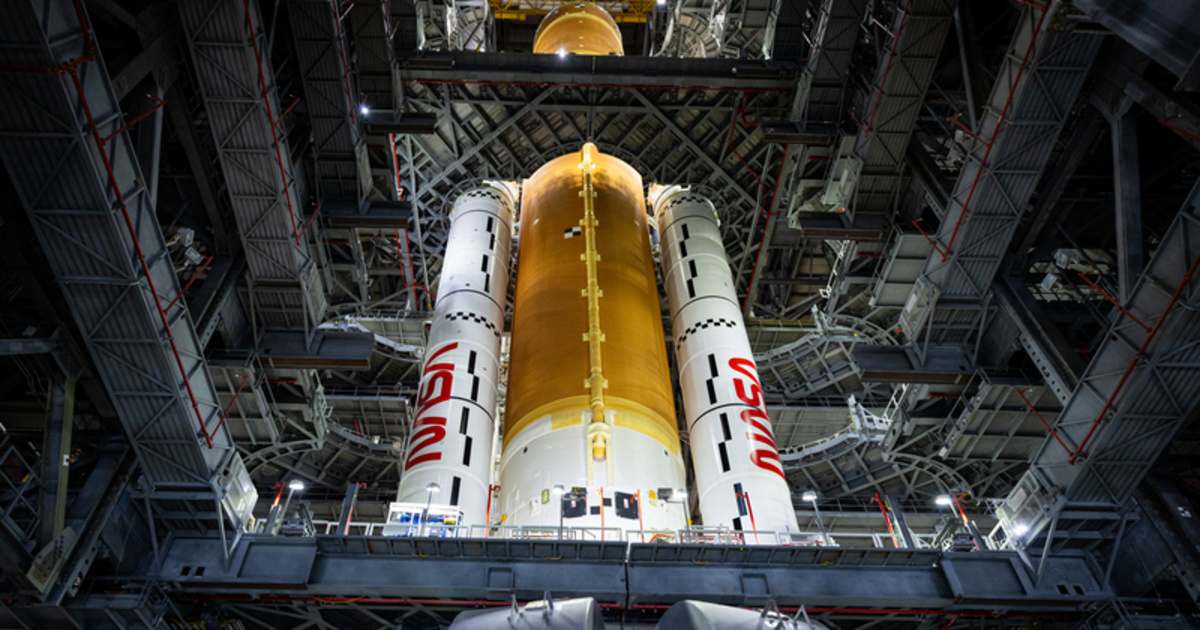
While the list of activities to be accomplished is long, NASA hopes rolling the rocket back to the launch pad 39B comes soon enough. Opportunities for launch present themselves on the 1st, 3rd, 4th, 5th, 6th, and later in the month on April 30, 2026, all of which remain under review at the moment. Each of the windows on these dates is two hours long, with possible launches during the 1st and 30th taking place before sunset and the others after. NASA is determined to make this mission a success, but not at the expense of safety; hence, pending the work being currently done at the VAB and data reviews, nothing is set in stone. Why the particular seal malfunctioned and stopped the flow of helium in the first place is still being understood.
We have increased the cadence of Artemis missions.
— NASA (@NASA) March 3, 2026
In 2027, the Artemis III mission will test one or both commercial landers from SpaceX and Blue Origin in low Earth orbit. In 2028, Artemis IV will become the first Artemis lunar landing. pic.twitter.com/X4rwPFK2nI
Speaking of safety, late last month, the annual review of NASA’s performance by the Aerospace Safety Advisory Panel expressed its reservations about certain decisions made by the agency. The independent panel pointed to flaws in the Artemis program's architecture, among other things. They suggested many improvements, to which NASA responded, shifting their plans for the program to make Artemis IV the first lunar landing in more than half a century, instead of Artemis III.
More on Starlust
NASA's Artemis III: New date, goal, and everything else you need to know
All about Christina Koch, the first woman to fly around the Moon as part of Artemis II