Build, buy or outsource? NASA recalibrates its acquisition strategy in the 2025 safety report
The 2025 annual report from NASA's Aerospace Safety Advisory Panel (ASAP) is out now. The space agency’s safety achievements have been duly acknowledged, but the report does warn of some systemic risks. It talks about some of NASA’s biggest internal challenges related to workforce, acquisition strategy, governance, budgets, and increasing mission complexity. The panel suggests there is some risk of structural strain in the long run, as NASA manages Artemis, ISS operations, commercial partnerships and experimental programs simultaneously.
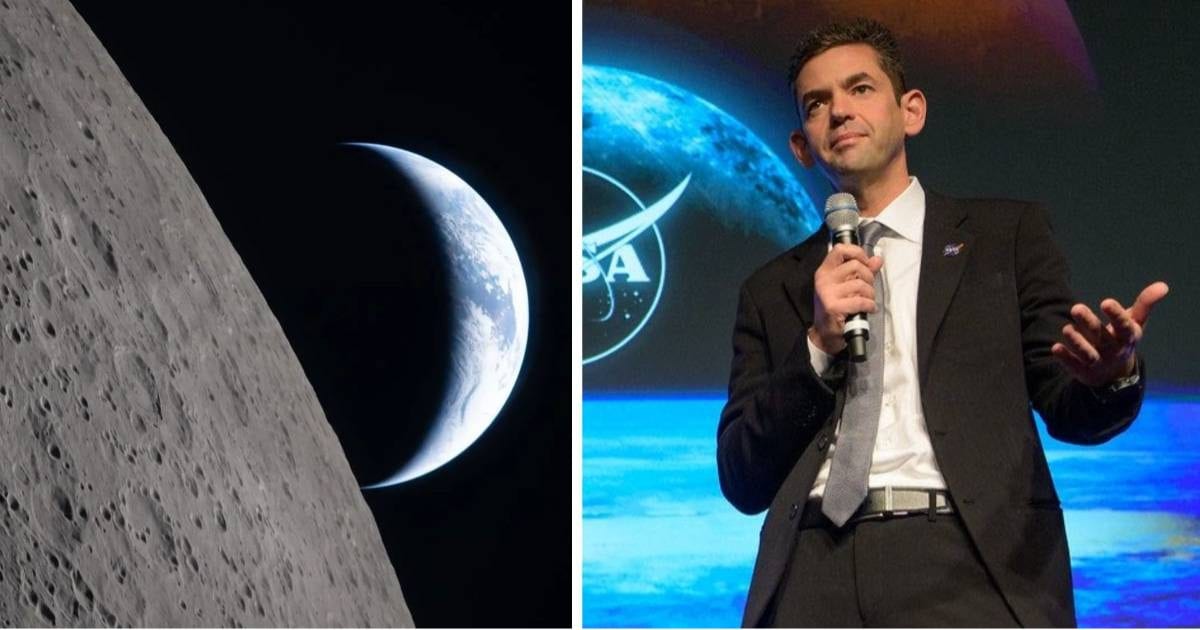
The most significant takeaway from the ASAP report is that the agency is recalibrating its acquisition strategies for human spaceflight capabilities. NASA Administrator Jared Isaacman specifically referenced a “build versus buy versus service procurement approach.” Through this, NASA is reviewing the decision-making process behind choosing whether to build systems internally, buy hardware from industry, or just procure services commercially. This directly affects how much authority NASA gets to have over mission-critical systems, while also safeguarding its commercial partnerships.

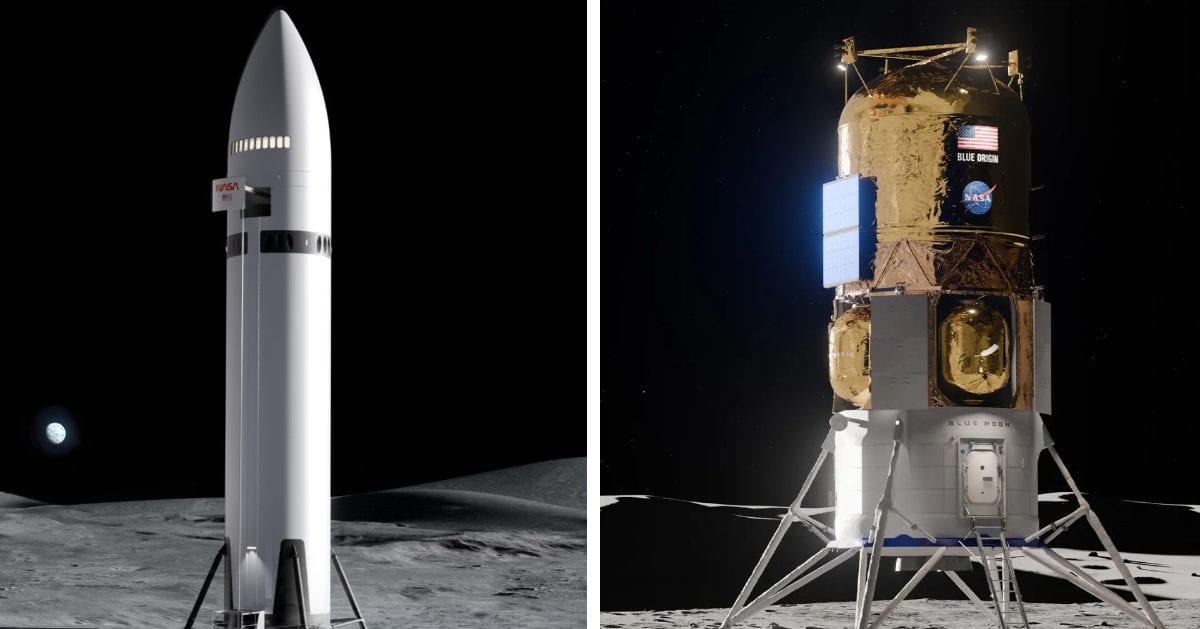
NASA’s “build vs. buy vs service procurement approach” could be a huge turning point. The U.S. organization’s increasing reliance on private partners needs to be kept in check. This reflects directly, even in imminent programs like Artemis, whose architecture depends on multiple providers like SpaceX, or the commercial low Earth orbit transition that is underway. The “build” part specifically strengthens NASA’s institutional capabilities and knowledge. On the same note, Isaacman mentioned restoring core competencies and converting some contractor roles to civil servants.
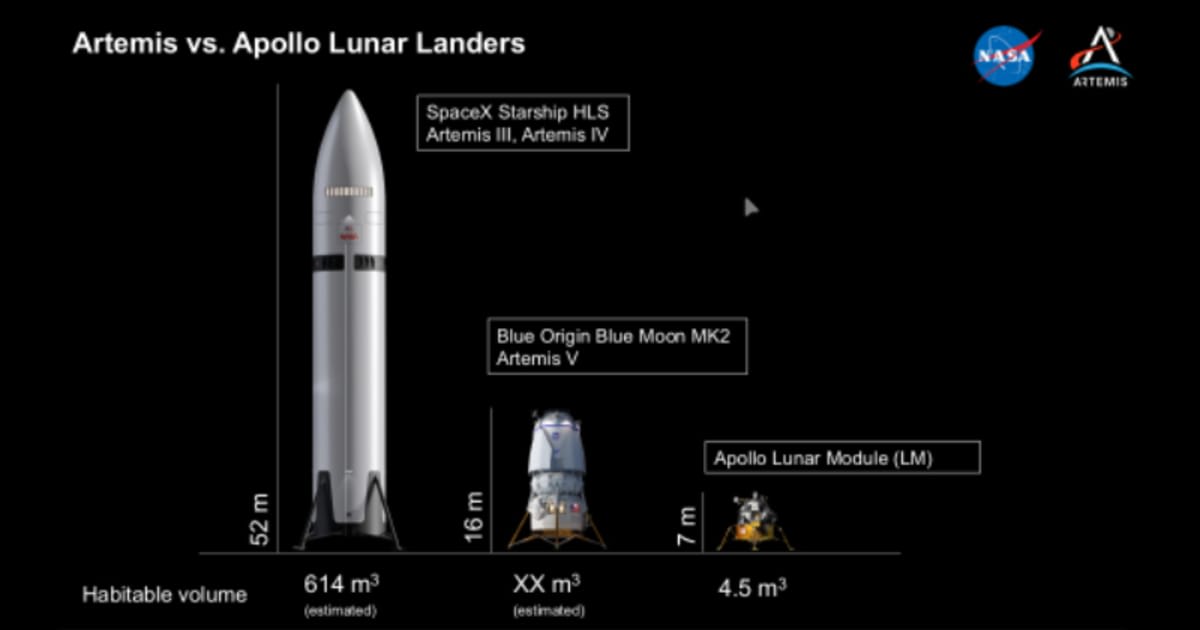
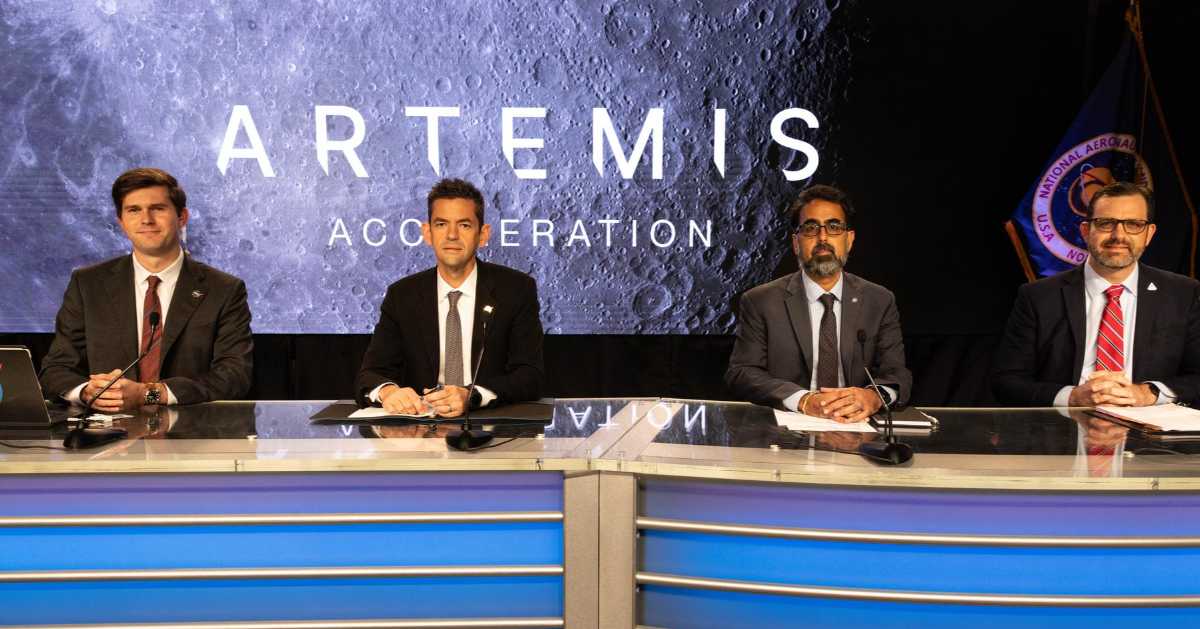
As for the ongoing and imminent lunar missions, the report seems confident of the readiness of Artemis II and its progress, despite delays. However, it has now been decided that Artemis III will be just an Earth-orbit test and not a crewed lunar landing mission, as it had more risk and needed more complex integration than Artemis II. The mission’s system architecture, like landers and commercial elements, demanded more coordination and, therefore, the panel advised re-examining mission objectives. NASA is now planning to achieve a successful crewed lunar landing on the Artemis IV mission, slated for 2028.
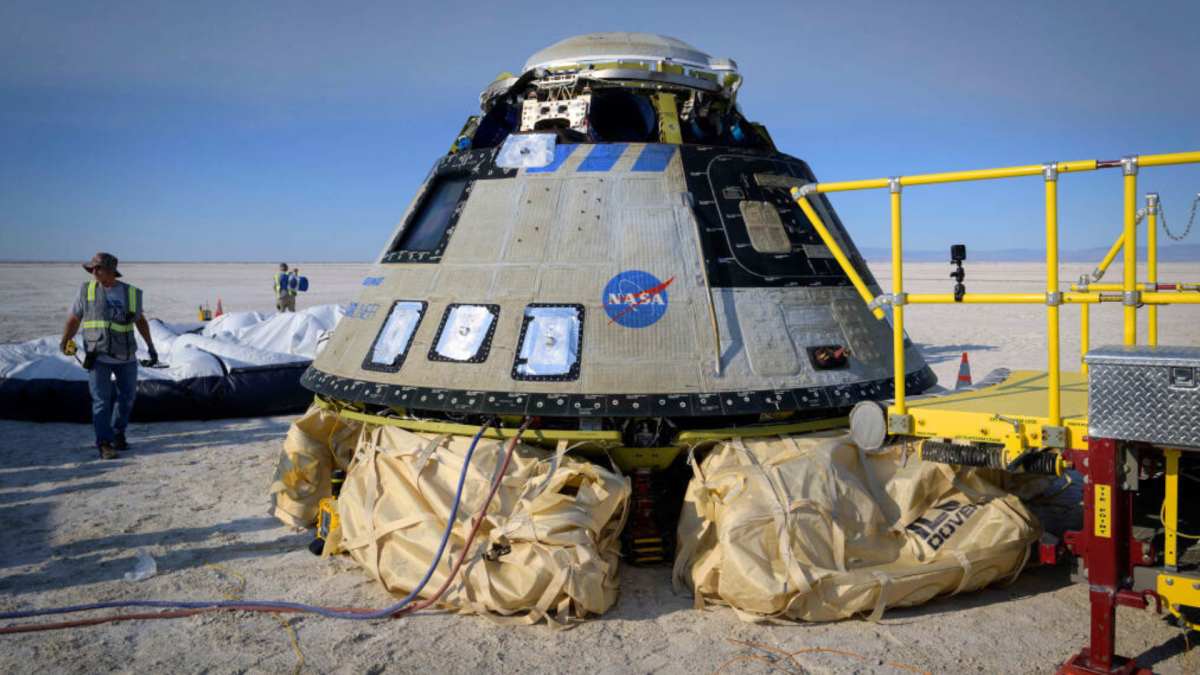
The ASAP report did not evade lessons from 2024’s Boeing Starliner Crewed Flight Test. NASA classified it as a Type A mishap, which is its most severe failure category. Earlier this month, Isaacman had openly called NASA and Boeing’s decision-making and leadership more troubling than hardware or engineering failures. The panel recommended quickly declaring any mishaps or close calls, as that makes the institution more transparent and accountable to the public. This would make sure there are no delays or inaccuracies when a problem is reported, all of which leads to stronger corrective action.
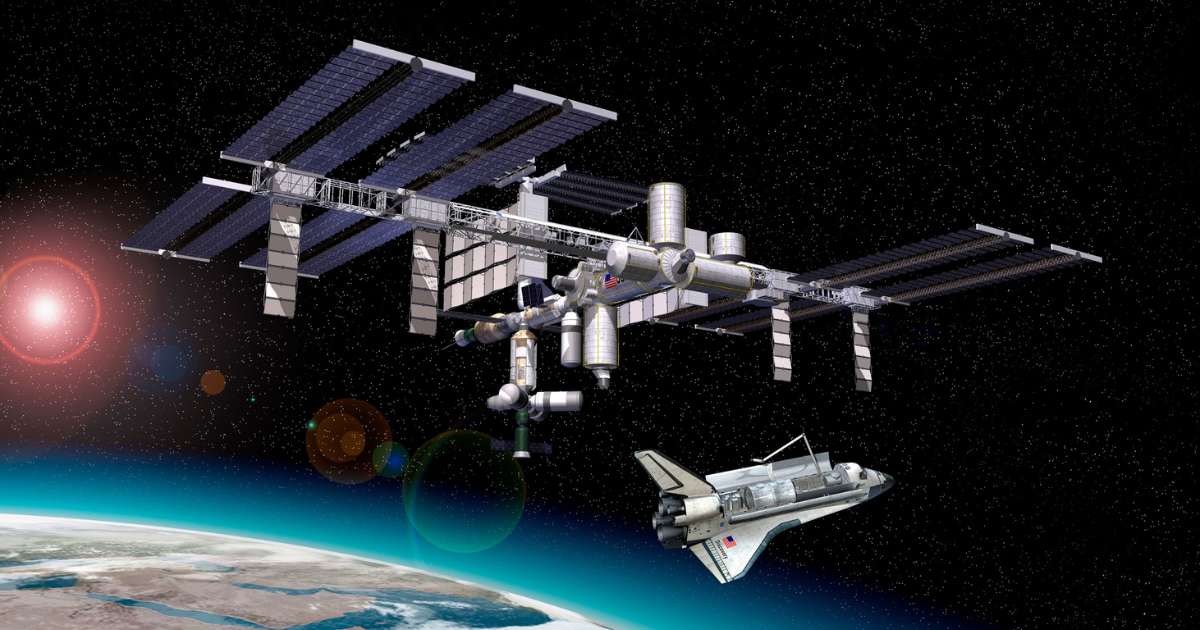
The panel also highlights new workforce plans to manage NASA’s growing dependency on its commercial partners. Internal expertise and technical authority are the need of the hour. So, the agency needs to maintain strong in-house engineering and operational knowledge, and converting contractor roles to civil servant positions can help achieve it, as advised in the report. NASA also has to carefully coordinate its future plans to transition from ISS deorbit to more commercial low Earth orbit platforms.

The ASAP report also noted NASA’s first flight of the X-59 Low-Boom Demonstrator, as Isaacman promoted overhauling and accelerating programs along these lines. Additionally, the panel also praised stronger oversight via the Moon to Mars Program Office, the ISS’s continued safe operations, and scientific advancements in astronaut health research. The agency’s strategies, governance and oversight systems must keep up with the speed of their programs and scale accordingly, if they intend to keep their place as the world’s leading space agency.
More on Starlust
Trump's 2026 budget reimagines NASA's Artemis, hands moon missions to private sector
NASA planning to build a 100 kilowatt nuclear reactor on the moon by 2030