SpaceX seeks FAA approval for over 450 Starship launches per year from Starbase in Texas
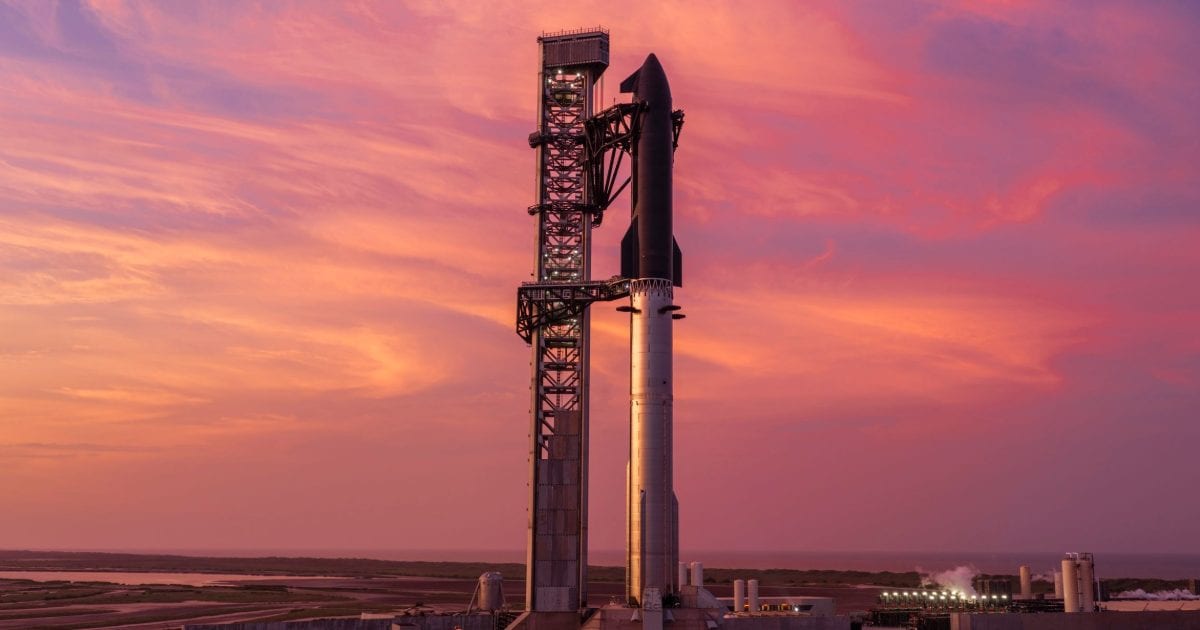
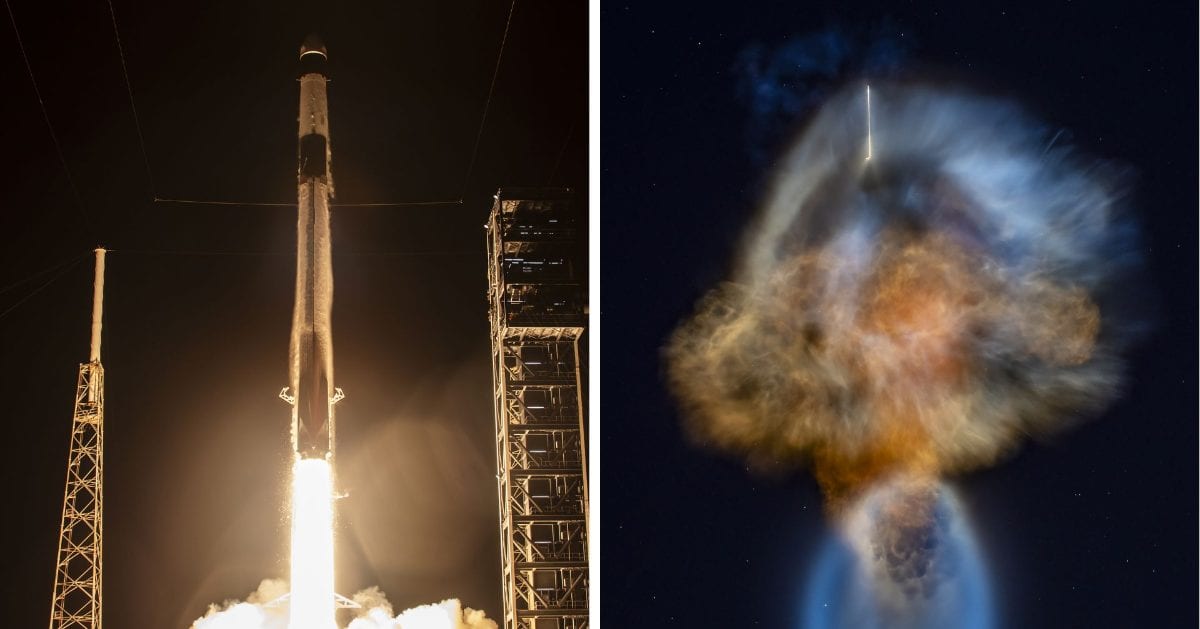
SpaceX has sought permission from the Federal Aviation Administration (FAA) to raise the number of times it can fly Starship from Starbase. According to a new Notice of Intent shared by the FAA on October 14, 2026, the Elon Musk-owned company is looking for approval to annually perform as many as 456 launches and 912 landings of its rocket at its Texas launch site. Landings would require twice the limit for launch since the reusable rocket is composed of the Starship V3 upper stage as well as the Super Heavy V3 booster, both of which return to Earth separately.
At the moment, SpaceX can only fly Starship from the spaceport in Boca Chica 25 times per year. The number of times it can land both stages of the heavy-lift rocket is also limited to 50 annually. For context, the company has launched Starship V3 only three times so far since its maiden flight in May this year, only recently achieving a stable low Earth orbit with Flight 14. The next launch of Starship could see the upper stage caught at the launch tower at Starbase when it returns to Earth. Reports suggest that Flight 15 could happen on October 19, 2026, although SpaceX is yet to confirm this. However, with Musk previously stating the intention to launch Starship hourly in 2 or 3 years, permission for such an increased number of launches would be necessary. With Starship, SpaceX has far-reaching objectives, including the ability to send thousands of tons of cargo to other worlds such as Mars, where human colonies can be set up.
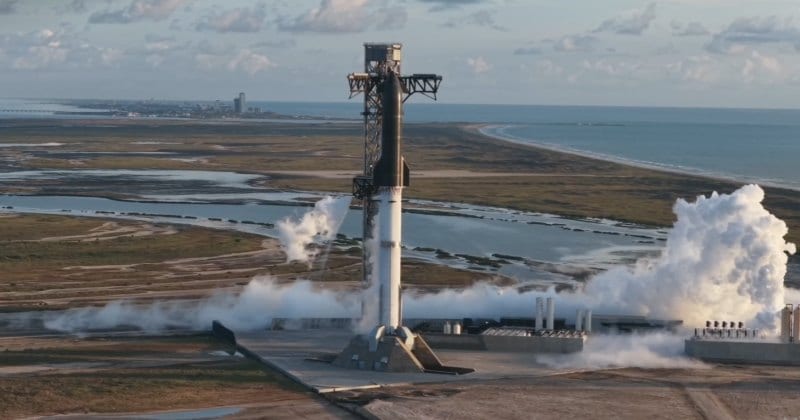
The FAA document indicates that the increase in SpaceX's launch cadence for its flagship vehicle will occur in a phased fashion. Phase 1 would include up to 100 launches and up to 200 landings annually. Launches and landings could occur on any day or time of the week during this phase. As SpaceX begins to succeed in putting more Starships in space, it will transition to Phase 2, where the cap on the number of flights will be 456. In this phase, a limit would be put in place restricting launches to Monday through Friday. Phase 2 will mark the maturation of SpaceX's Starship program, launching more than 100 times a year.
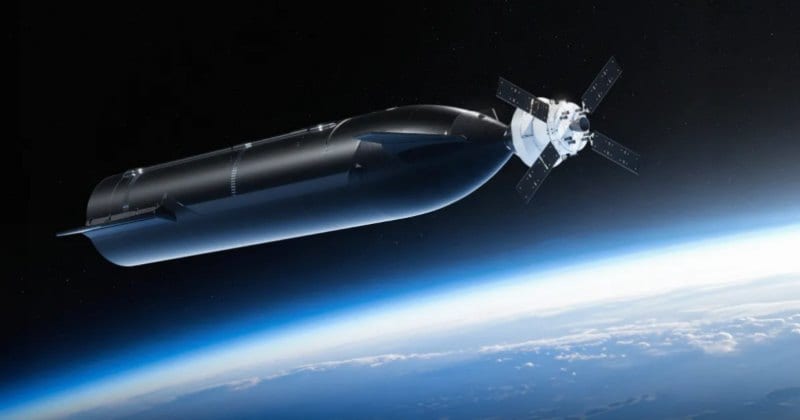
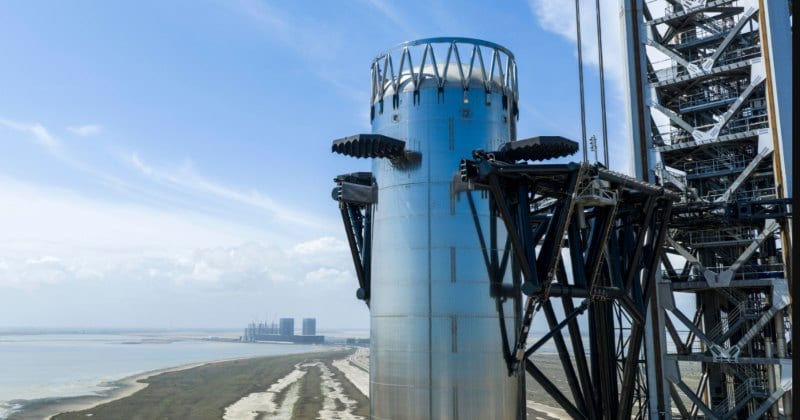
It is worth noting that the company only has one active launch tower at the moment that is configured for launching and catching Starship—the one at Pad 2. A second launch tower at Starbase is currently being built at Pad 1. The company is slated to partner with NASA for the Artemis III mission next year, for which it will use a stripped-down test version of Starship. As part of a confirmed NASA contract, the return of humans to the Moon after more than half a century with Artemis IV will also feature a lunar lander based on Starship, called the Starship Human Landing System (HLS). For missions like these, the company is building three launch pads at Cape Canaveral in Florida. one at the Kennedy Space Center and two at the nearby Cape Canaveral Space Force Station. The aerospace giant earlier also announced plans for Starbase Louisiana—a $100 billion spaceport whose construction will start in 2027—with the first Starship launch scheduled for 2029. SpaceX has aims to achieve as many as 30 Starship launches every single day with this massive project in the Pecan Island area.
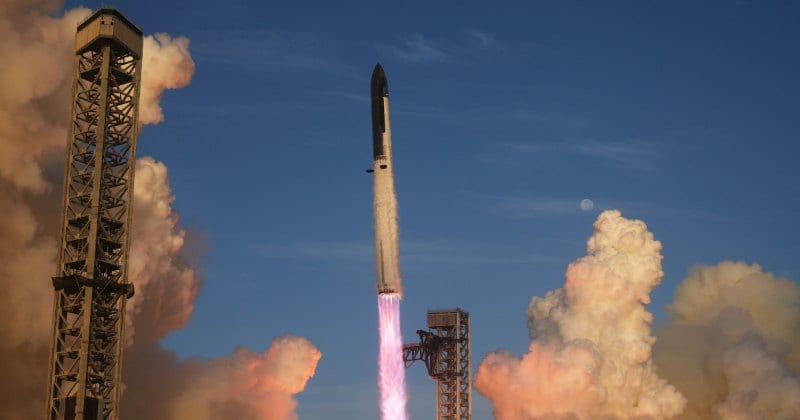
As for Starbase in Texas, the Notice of Intent is the first stage of the approval process for conducting such a vast number of launches. Next up, a Programmatic Environmental Impact Statement (PEIS) will be prepared by the FAA. This will be done after analyzing the potential impacts of such a large number of Starship launches on things like air quality arising from emissions, as well as biological resources including fish, wildlife, and plants, coastal resources, and water resources such as wetlands, floodplains, surface waters, groundwater, and rivers. Both the safety risks and visual effects of these Starship launches will also be examined.
More on Starlust
Starship Ship 40, used for Flight 13 and recovered from Indian Ocean, returns to SpaceX's Starbase
SpaceX Starship Flight 14: Booster splashes down in the Gulf, Ship ends in a fireball (watch video)