SpaceX shares first picture of Starlink V3 satellite deployment by Starship on debut orbital flight
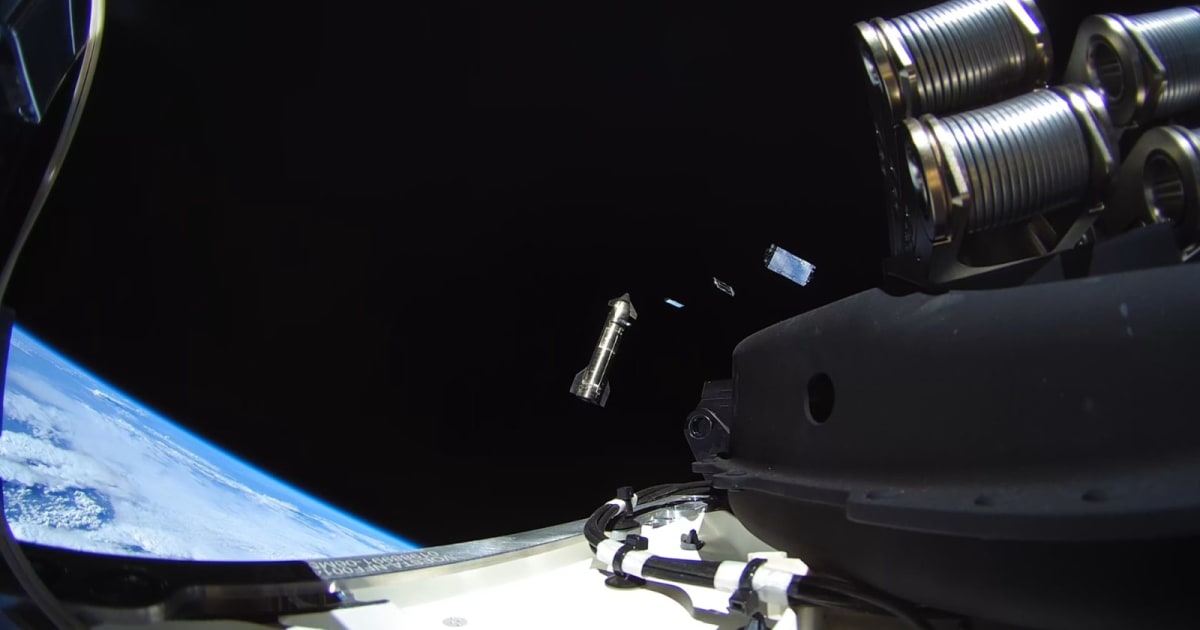
SpaceX’s Starship launched on its debut orbital mission on September 28 and achieved several firsts including the deployment of Starlink V3 satellites. The 26 satellites were released by the upper stage Ship 41 when it reached space about 25 minutes after launch from Starbase, Texas. Now a week after launch, SpaceX has shared the first picture of Starlink’s deployment sequence captured by one of the satellites’ onboard camera. Interestingly, three of the cameras were equipped with cameras to collect imagery of the upper stage’s heatshield in space.
Starship's first orbital flight delivered 26 Starlink V3 satellites to space https://t.co/zTcsMqS9lm
— SpaceX (@SpaceX) October 2, 2026
“Starship's first orbital flight delivered 26 Starlink V3 satellites to space,” SpaceX captioned the post shared on X on Saturday. According to SpaceX, these 26 satellites will deliver more than 100 times the bandwidth of the existing Starlink constellation which currently has 11,000 satellites. They are expected to add a total of 26 Tbps of capacity to the Starlink constellation—approximately ten times greater capacity compared to a single launch of V2 mini Starlink satellites on Falcon 9.
What happened during Starship Flight 14?
The rocket lifted off at 7:48 am CDT but suffered a setback shortly after launch. One of the 33 Raptor engines on the first stage Super Heavy Booster shut down early during ascent, but it made a successful ascent for stage separation.
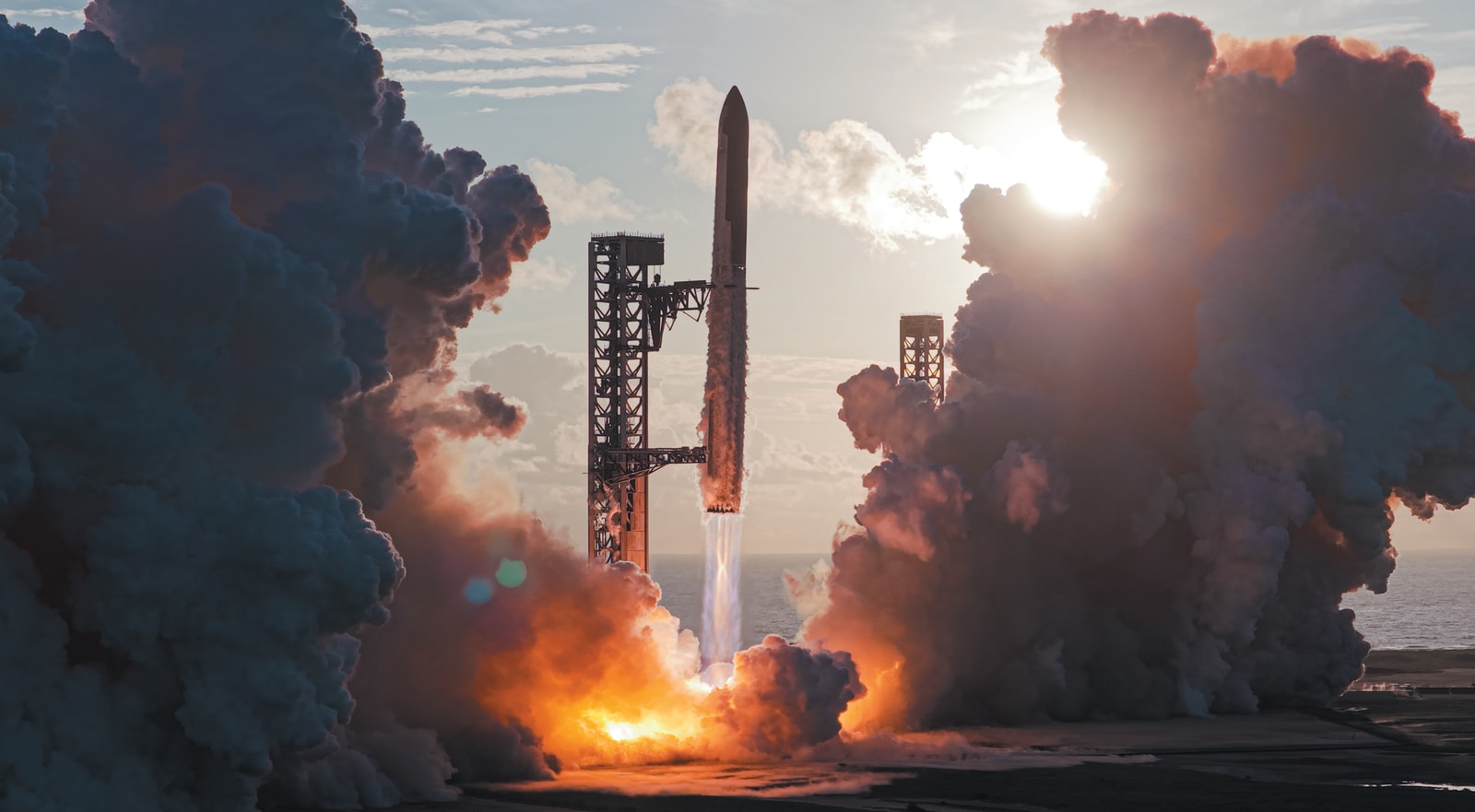
After the hot-staging and separation from Ship 41, the booster executed critical maneuvers for a splashdown in the Gulf of America. The booster could only relight 31 of its engines during the boostback burn and reignited only 11 of the planned 13 engines for the landing burn prior to the splashdown. A similar issue occurred on Flight 13 which launched on July 24.
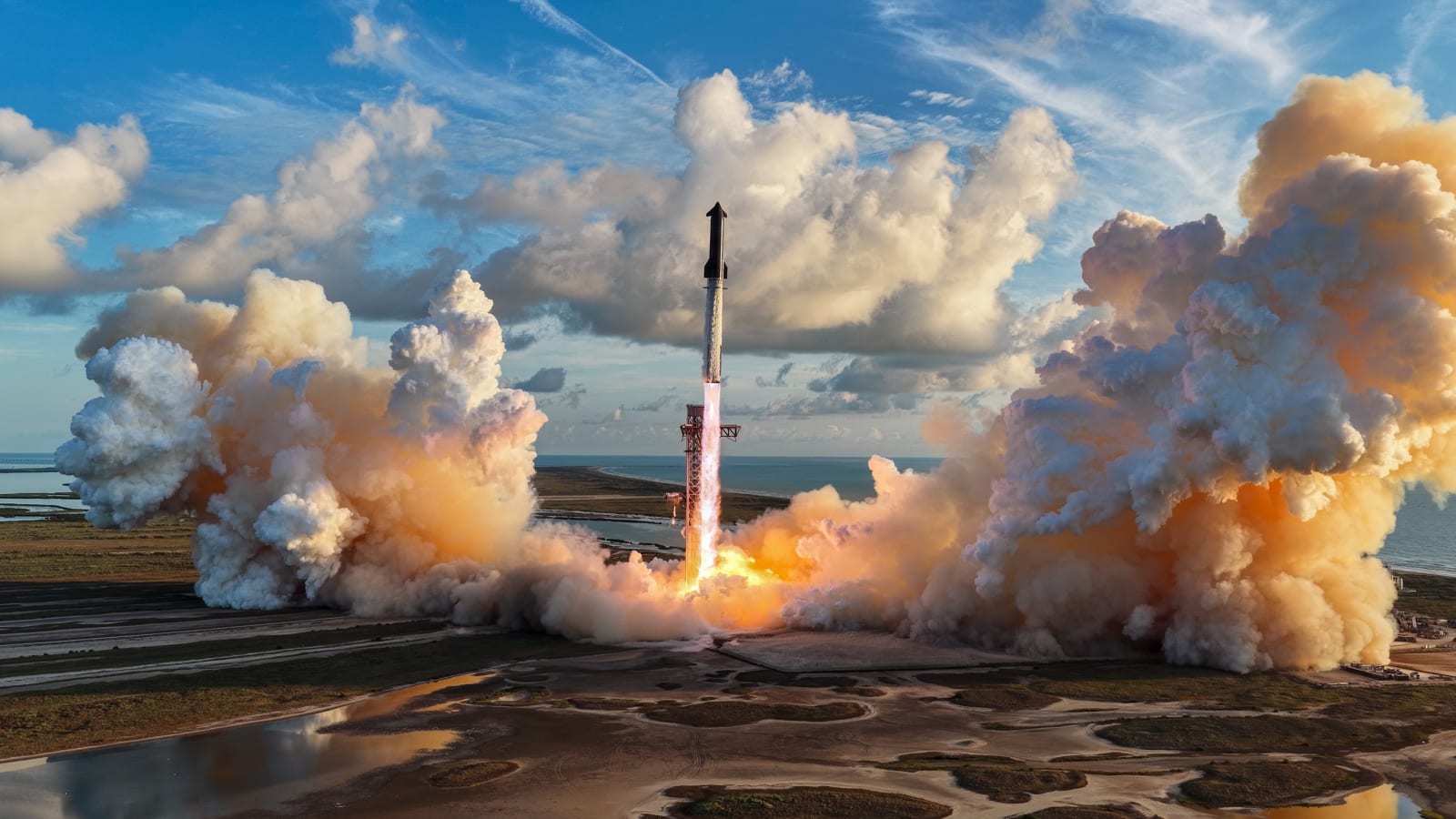
The upper stage also encountered engine problems as one Raptor vacuum engine shut down early during the ascent burn. In a statement, SpaceX said Ship 41 had to burn its remaining five engines for longer than planned to achieve a passively safe suborbital trajectory. When flight controllers confirmed that the engines required for subsequent burns were healthy, it ignited one Raptor sea-level engine to perform an orbit insertion burn and entered into orbit around Earth for the first time. This was followed by the deployment of the satellites and SpaceX confirmed establishing contact with them using laser links, ground stations, and Starlink user terminals shortly after they were released. They spent the next few days raising their orbit to reach the intended altitude.
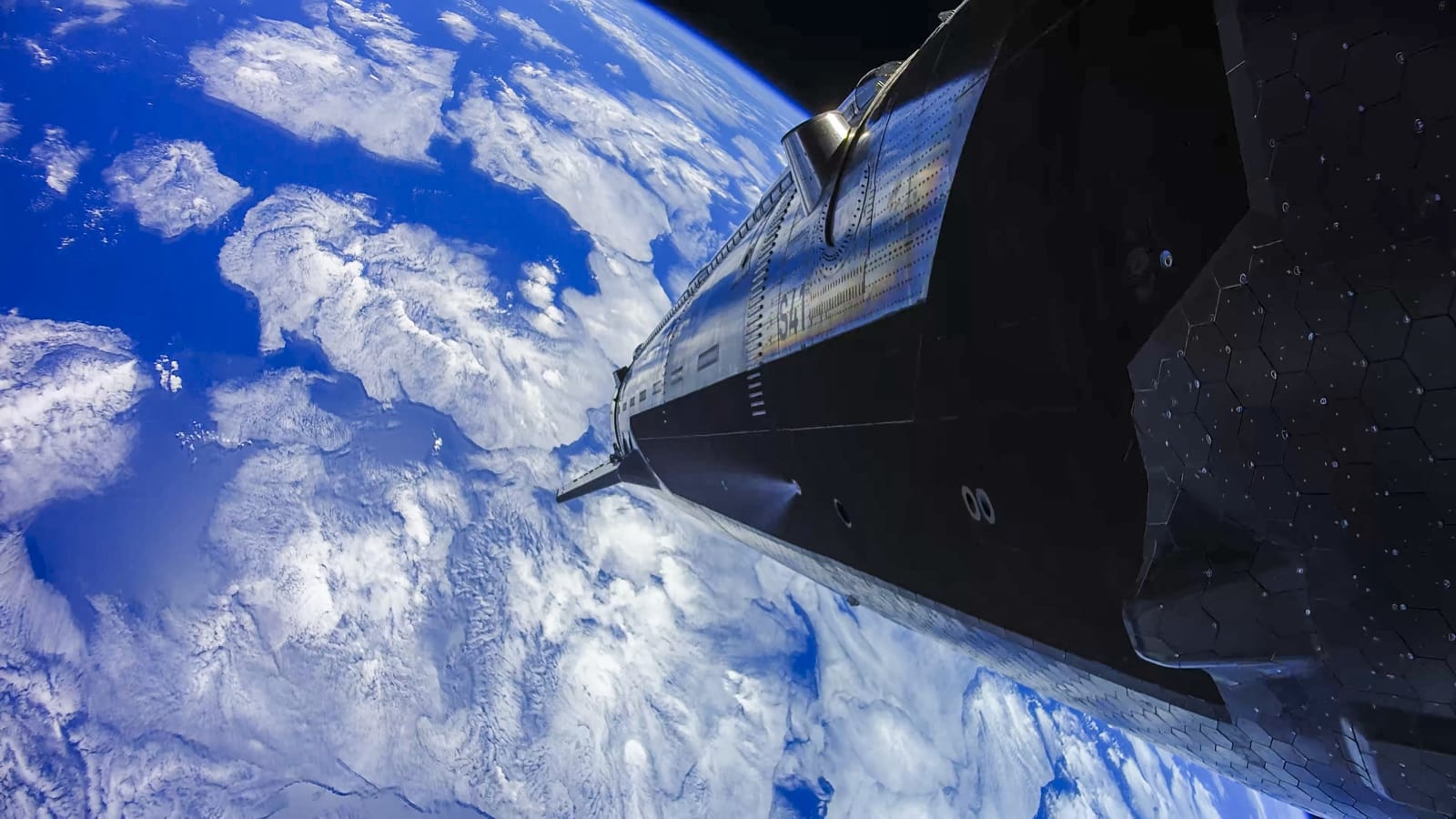
The mission was planned to last 10 hours, with Ship 41 making six orbits of Earth. But instead, mission controllers decided to end the mission just three hours after it entered orbit. The Ship descended into the northern Pacific Ocean after a deorbit burn and the mission ended with the stage turning into a ball of fire upon impact.
More on Starlust
Starship Flight 14 in photos: See how SpaceX executed the first orbital test of its giant rocket
A second shot for Starliner: NASA set to re-induct Boeing's spacecraft after 2024 ISS incident