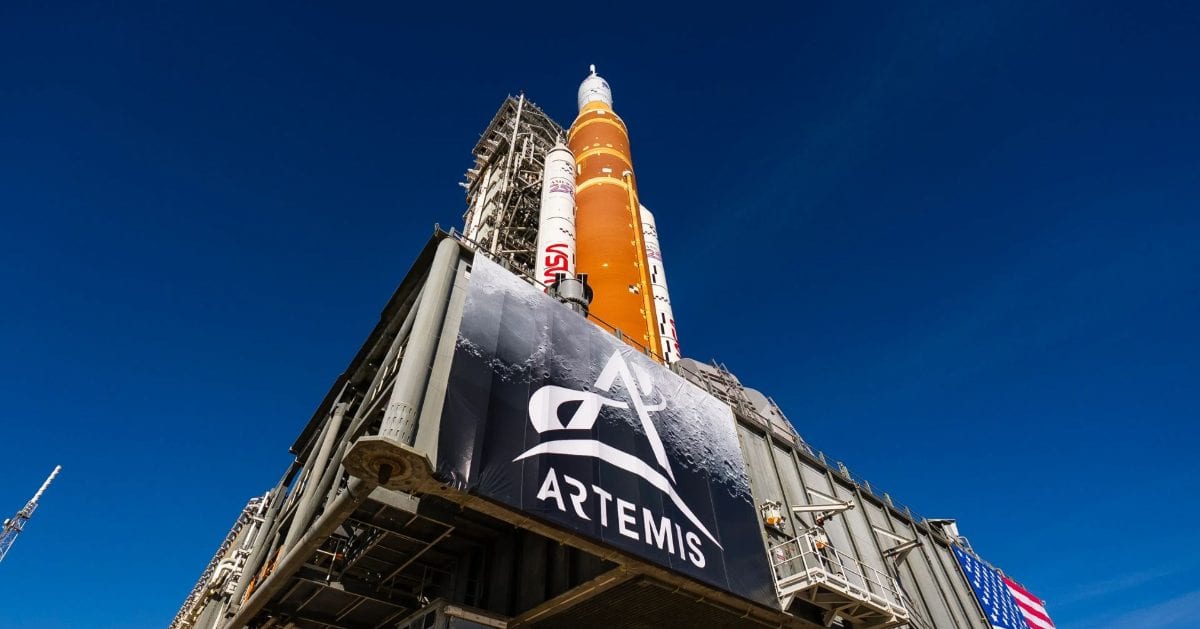
Germany’s Isar Aerospace scripts history by launching first private rocket to orbit from continental Europe
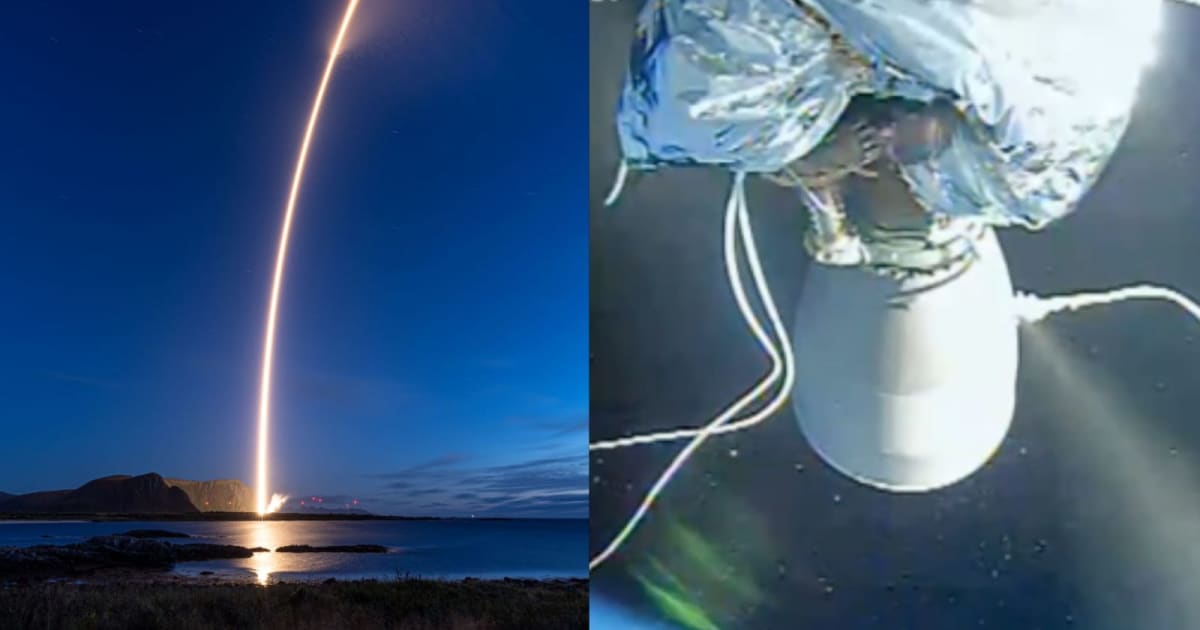
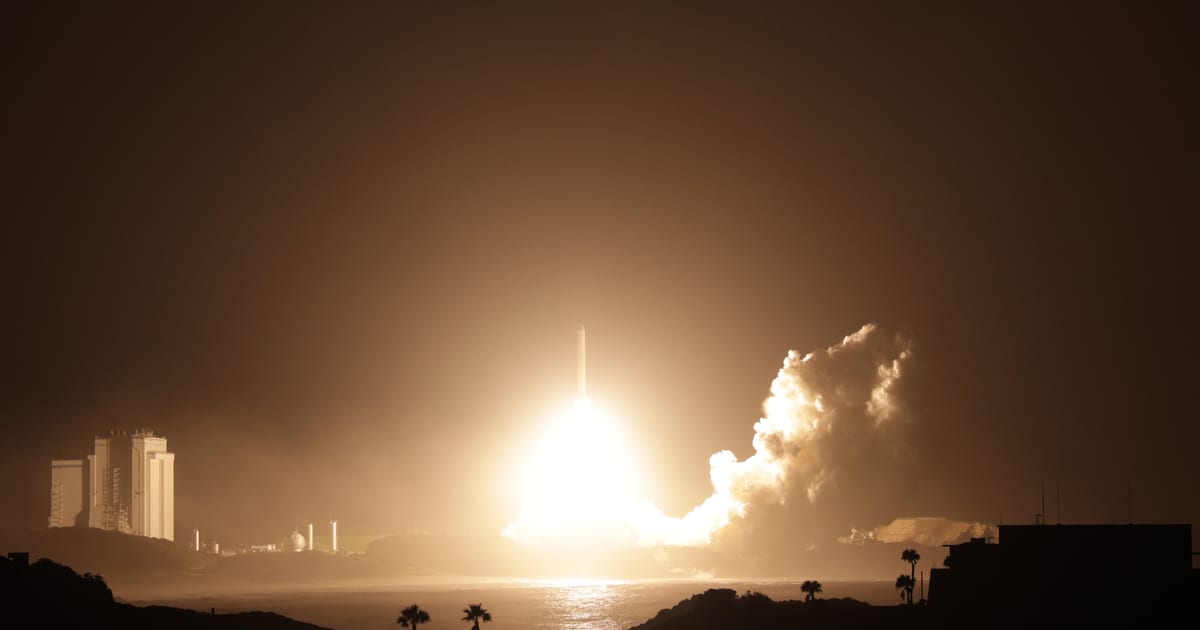
Germany-based Isar Aerospace scripted history on Saturday by launching the first commercial rocket to orbit from continental Europe. The Spectrum rocket lifted off at 10:12 pm CEST (4:12 pm EDT) from Isar’s dedicated launch complex at Andøya Space Center in Norway and entered an elliptical path around Earth a little over seven minutes later. It also successfully deployed all payloads onboard. This was Spectrum’s second launch ever and, according to Isar, it broke several records in European commercial spaceflight during the mission aptly named ‘Onward and Upward.’
LAUNCH! Isar Aerospace launches Spectrum on its second flight from the Andøya Spaceport in Norway.https://t.co/SkCfRCSmHF pic.twitter.com/c45uBKhtfY
— NSF - NASASpaceflight.com (@NASASpaceflight) September 5, 2026
It successfully transited MaxQ (maximum pressure during ascent), completed main-engine cutoff (MECO) and stage separation, and then ignited second stage as planned. Spectrum then crossed the Kármán line at an altitude of 100 kilometers and jettisoned the payload fairing before reaching orbital velocity. It then completed a circularization burn followed by a successful spacecraft separation.
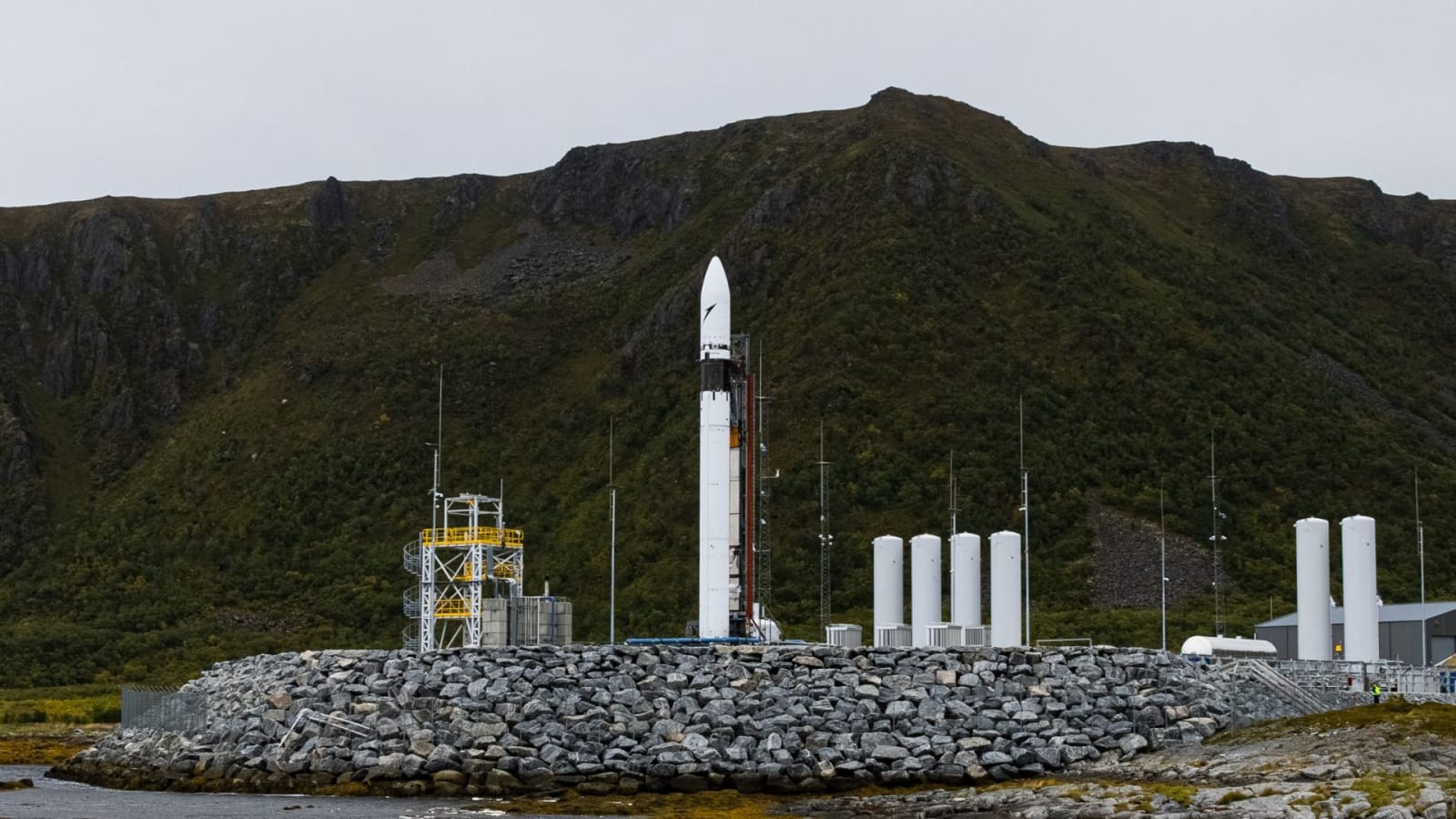
“We achieved within a few years what had taken the European space industry decades before. Europe now has sovereign access to space,” Daniel Metzler, CEO and Co-Founder of Isar Aerospace, said in an official release. “We have entered into a new chapter for European spaceflight. I am incredibly proud of our team, that has made this success story from Europe possible."
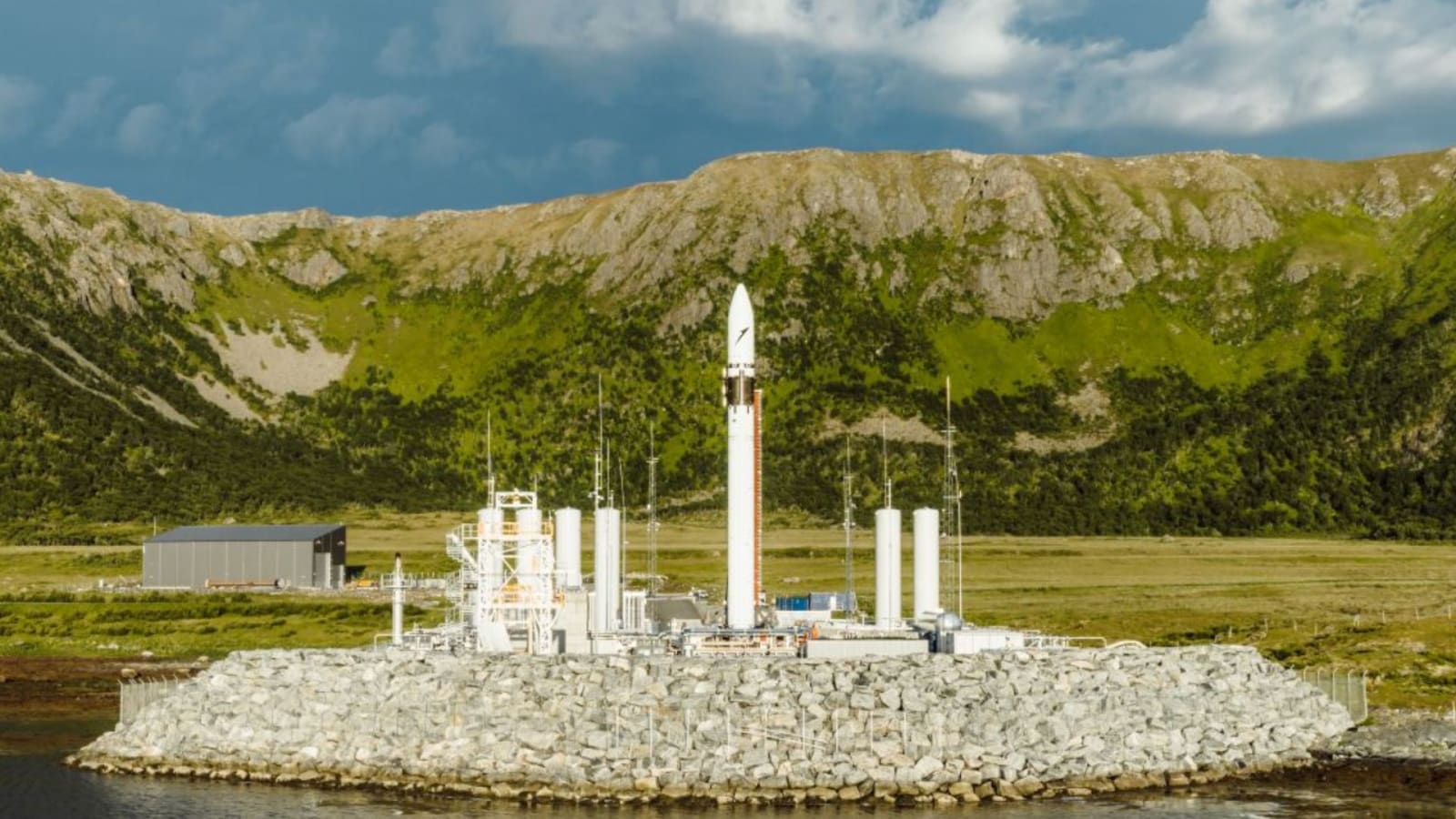
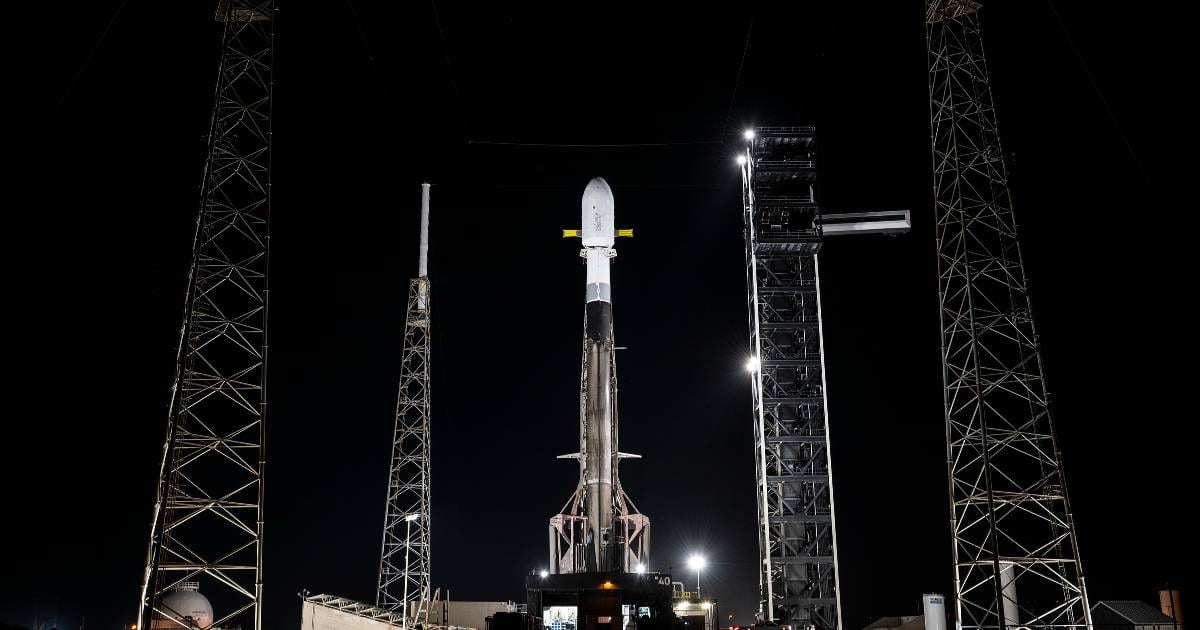
The Spectrum rocket launched on its debut mission in March 2025 but crashed in less than a minute. In September of the same year, Isar revealed based on an investigation that “an unintended opening of the vent valve and a loss of attitude control at the start of the roll maneuver,” led to the in-flight failure. Spectrum is a two-stage launch vehicle that measures 28 meters (91.86 feet) tall and 2 meters (6.56 feet) in diameter. Isar says it has a payload capacity of 1,000 kg (2,204.6 pounds) to low-Earth orbit and 700 kg (1,543.2 pounds) to a Sun-synchronous orbit (SSO). The in-house design and manufacturing also offers flexibility depending on launch requirements.
New Orbital Rocket! Isar Aerospace's Spectrum makes orbit on its second attempt! https://t.co/TDWq2wWyvA pic.twitter.com/1kljLjI8YY
— NSF - NASASpaceflight.com (@NASASpaceflight) September 5, 2026
Spectrum’s second flight was reportedly scheduled for January this year but kept getting postponed due to multiple reasons. The most recent delay was announced on June 15 when engineers detected off nominal behavior in the rocket’s fluid systems. The payloads on this mission were five CubeSats and one non-deployable scientific experiment which the vehicle easily placed in orbit. With Spectrum’s success, Isar is now aiming to expand and capture part of the private launch market. Apart from Norway, it is constructing a launch complex in Nova Scotia, Canada, to gain access mid- to high-inclination orbits critical for Earth observation and communications. "We will now focus on rapidly scaling launch vehicle production, deliver on our order pipeline, and meet surging global demand," Metzler said.
More on Starlust
ISRO bounces back with successful launch of Earth imaging satellite aboard GSLV rocket