ISRO completes key test for GSLV rocket’s cryogenic engine for next navigation satellite launch
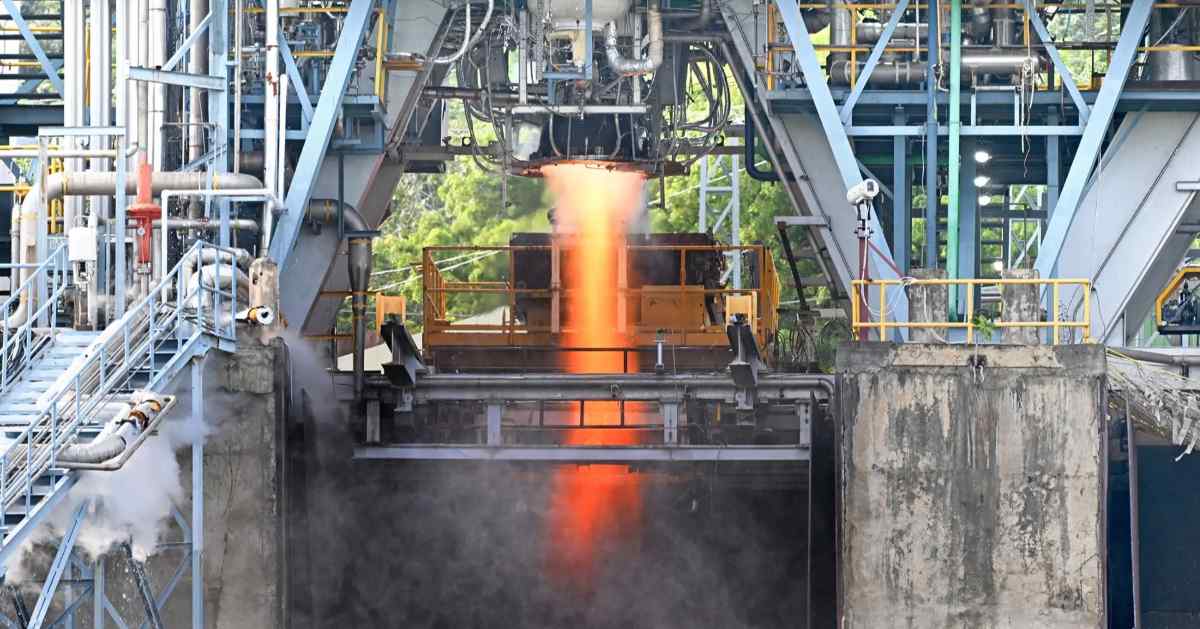
The Indian Space Research Organization (ISRO) announced on Tuesday, November 10, that it completed a key test ahead of the next Geosynchronous Satellite Launch Vehicle (GSLV) mission on November 5. The agency successfully conducted a flight acceptance test of the cryogenic engine that will power the GSLV rocket’s third stage. According to ISRO, the test was conducted at the ISRO Propulsion Complex (IPRC) in Mahendragiri, Tamil Nadu, and the engine’s performance during the 200-second burn was satisfactory and consistent with the pre-test predictions. “The ignition of both the Main Engine (ME) and the Gas Generator (GG) occurred as expected. During steady-state operation, the engine performance is normal and consistent with nominal predictions,” an official statement read. This cryogenic engine will now be installed for the GSLV-F19 mission that will launch the NVS-04 navigation satellite.
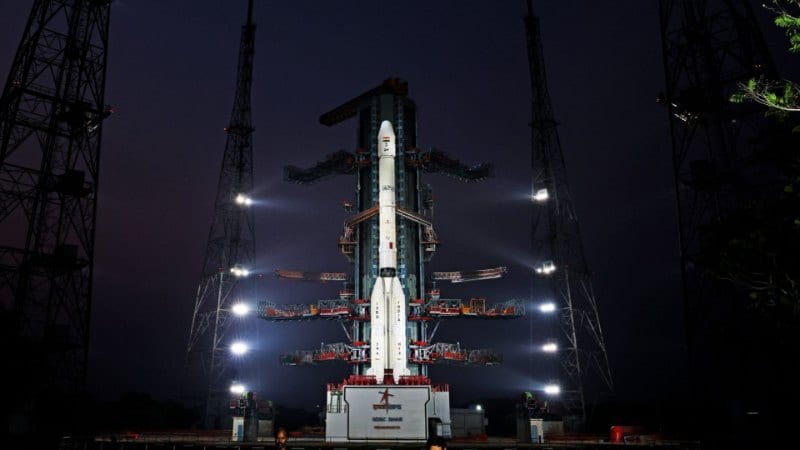
The announcement comes just about a couple of weeks after ISRO aced the NVS-03 mission, which launched on October 30 from Satish Dhawan Space Center, Sriharikota. On November 4, the agency announced that the NVS-03 satellite had reached its final geosynchronous orbit (22,223 miles x 22,491 miles, or 35,765 km x 36,196 km) after four successful orbit-raising maneuvers.
GSLV-F18/NVS-03 Mission: Watch highlights of the journey from lift-off to spacecraft separation. Mission details: https://t.co/wtZ6TmjUhc #GSLVF18 #NVS03 #ISRO #NavIC https://t.co/wstykeeMK9
— ISRO (@isro) October 31, 2026
The timeline for the NVS-04 mission isn’t clear yet, as ISRO has kept the dates under wraps. It will be the fourth satellite of the second generation meant to replace older satellites of the Navigation with Indian Constellation (NavIC) system. ISRO describes NavIC as "India’s independent regional navigation satellite system designed to provide accurate Position, Navigation, and Timing (PNT) service to users in India as well as the region extending about 1500 km (932 miles) beyond the Indian landmass, which is its primary service area." Following the NVS-03 mission, ISRO Chairman V. Narayanan said that NavIC now has the minimum satellites needed to restore its services; however, more missions are in order to boost it to its full capacity. As for the GSLV rocket, this three-stage launch vehicle will fly on its 21st mission when it lifts off with NVS-04. The GSLV is capable of transporting up to approximately 4,960 pounds (2,250 kg) to a geosynchronous transfer orbit and 13,227 pounds (6,000 kg) to low-Earth orbit.
What else has ISRO planned for 2026?
The biggest mission ISRO might launch this year is the uncrewed test flight for Gaganyaan—the indigenous program to send Indian nationals to space and back. With most of the work complete, the agency is reportedly targeting late 2026 for the launch of the mission that will validate critical homegrown technologies in the crew capsule as well as its life support systems. Under Gaganyaan, India aims to send three astronauts on a three-day mission to low-Earth orbit and bring them back safely.
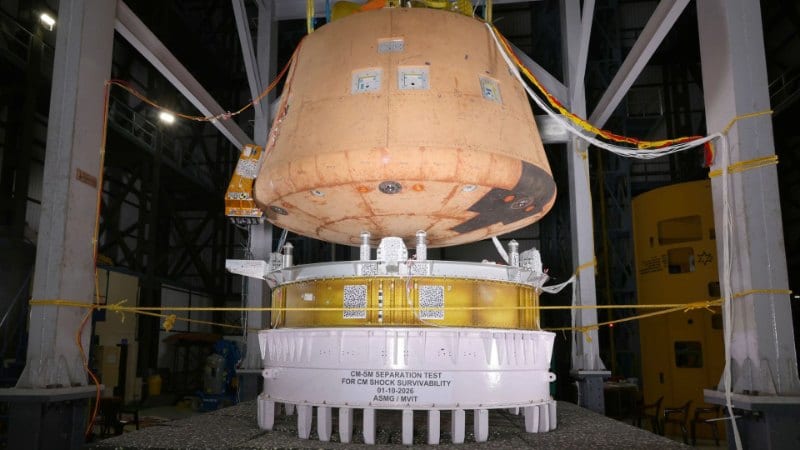
Earlier in October, the agency completed separation tests of the crew module and the service module that will happen when the former is about to re-enter Earth’s atmosphere. Using a mockup of the hardware, ISRO said it proved the performance of the avionics, navigation system, the heatshield, and other important elements. In the interest of astronaut safety, however, the agency will first launch three uncrewed flights, including one involving a humanoid robot, before it goes ahead with an actual crewed mission.
More on Starlust
Decoding SpaceX's plan to launch and catch both Starship stages on Flight 15 next week
Blue Origin’s New Glenn return flight slips to January 2027, CEO Dave Limp announces