China likely to send Pakistan’s first astronaut to its Tiangong Space Station this month
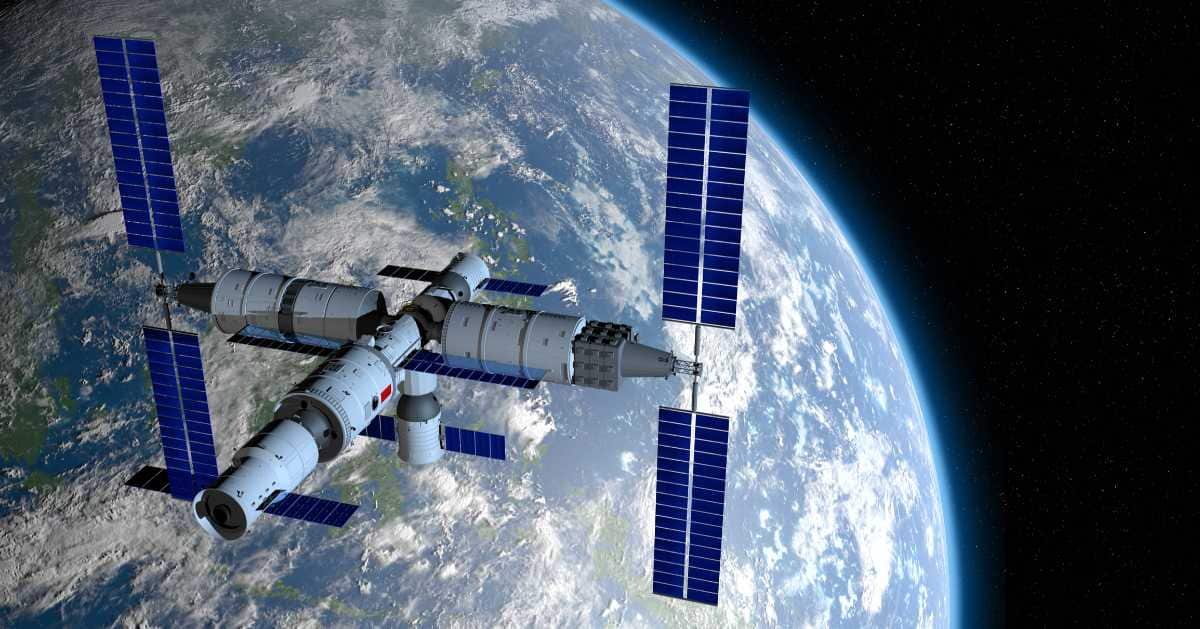
China’s Tiangong Space Station will soon host its first international visitor. A Pakistani national is likely to launch to the orbital outpost later this month and spend a week with his Chinese counterparts. The astronaut will be part of the Shenzhou-24 mission which includes two Chinese passengers. In February 2025, governments of China and Pakistan signed an agreement in Islamabad for the first-ever joint mission between the two nations.
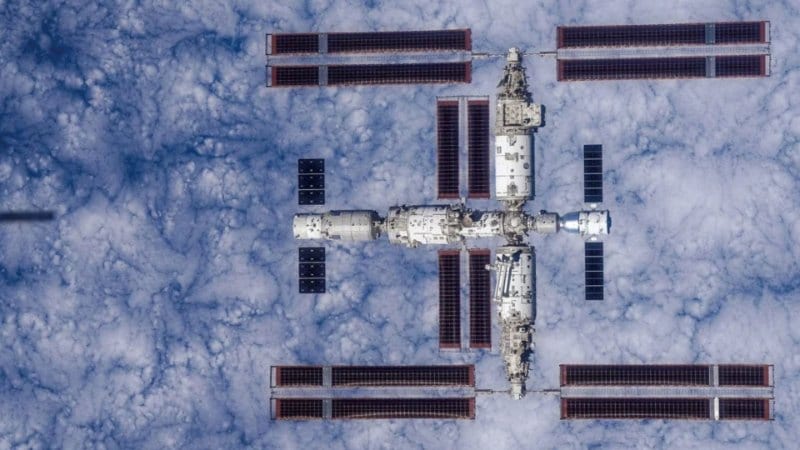
The Pakistani nationals selected for the mission are Muhammad Zeeshan Ali and Khurram Daud who are pilots of Pakistan’s Air Force. The two were selected from a pool of over a dozen candidates and underwent three rounds of selection process followed by extensive training at Astronaut Centre of China in Beijing. The launch is set to take place aboard the Long March 2F rocket from Jiuquan Satellite Launch Center in the Gobi Desert, although an exact date of the launch and confirmation of the flier is awaited.
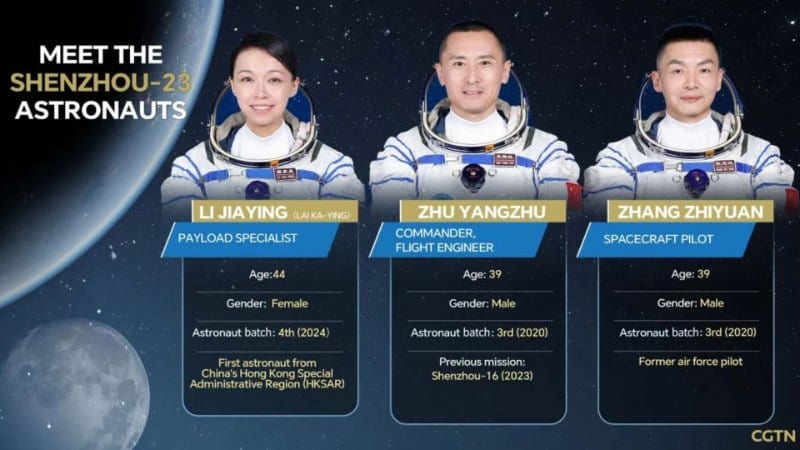
According to a November 7 statement by the China Manned Space Agency, the visitor will serve as a payload specialist on the mission and return aboard the Shenzhou-23 spacecraft with two others. His Chinese colleagues, on the other hand, will spend six months on the orbital outpost, replacing the Shenzhou-23 crew. One of the crew members of Shenzhou-23 who arrived at the station in May will stay behind and complete China’s year-long-stay aboard Tiangong for the first time.
Looking forward to having a Pakistani astronaut on board China’s #Tiangong space station—the first foreign astronaut to do so. It will mark the first ever joint mission of Chinese and foreign astronauts in the history of China’s manned space program. https://t.co/klYgBdhBku
— CHINA MFA Spokesperson 中国外交部发言人 (@MFA_China) November 9, 2026
Last week, China’s Ministry of Foreign Affairs posted on X—“Looking forward to having a Pakistani astronaut on board China’s Tiangong space station—the first foreign astronaut to do so. It will mark the first ever joint mission of Chinese and foreign astronauts in the history of China’s manned space program.” According to Pakistan’s Space & Upper Atmosphere Research Commission (SUPARCO)—the nation’s space agency—the Pakistani visitor will carry four payloads to the station.
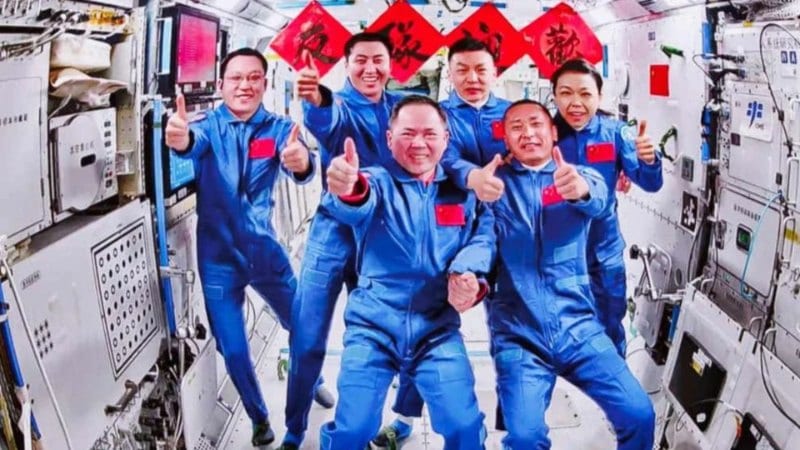
According to China Global South Project, aerospace expert Yu Guang told Red Star News that the upcoming mission marks a key step in strengthening Beijing’s space cooperation. This includes four levels of cooperation which entails scientific experiments, visits by foreign astronauts, docking of foreign spacecraft and adding new modules built by partners to the Tiangong station. Notably, the space partnership between China and Pakistan is decades old. The former launched the first Pakistani satellite in 1990 and Pakistan is now part of the China-led International Lunar Research Station (ILRS) program which also has Russia as a major partner. We might see increased cooperation between the two nations as Beijing is building its lunar program, aiming to land Chinese nationals on the Moon before 2030.
More on Starlust
NASA awards Impulse Space two Moon Base-related missions, slated for 2028 launch
Blue Origin’s New Glenn return flight slips to January 2027, CEO Dave Limp announces