SpaceX's 35th space station resupply mission: Launch date, timing, live coverage, and cargo details
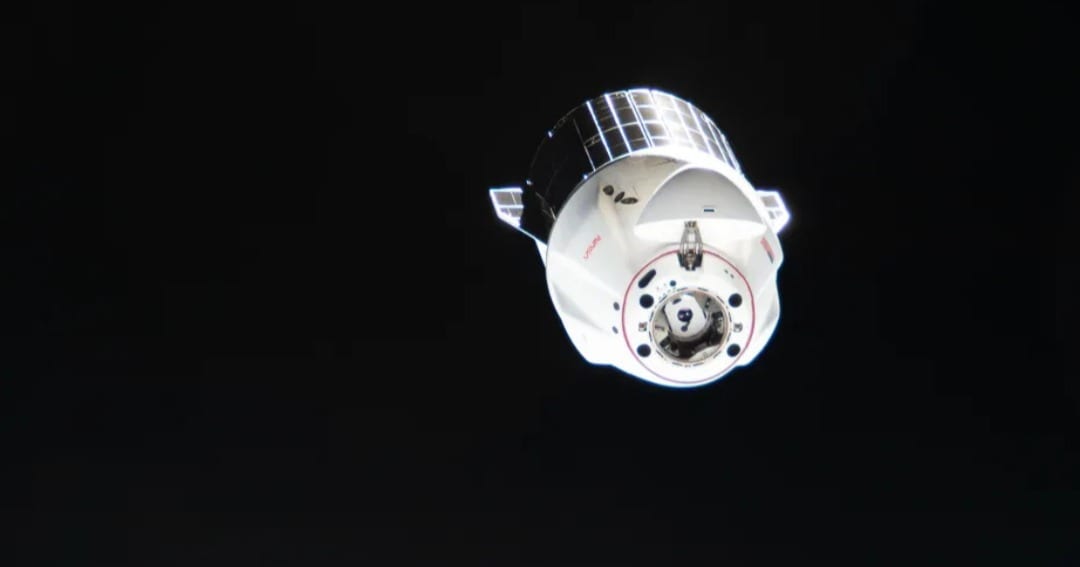
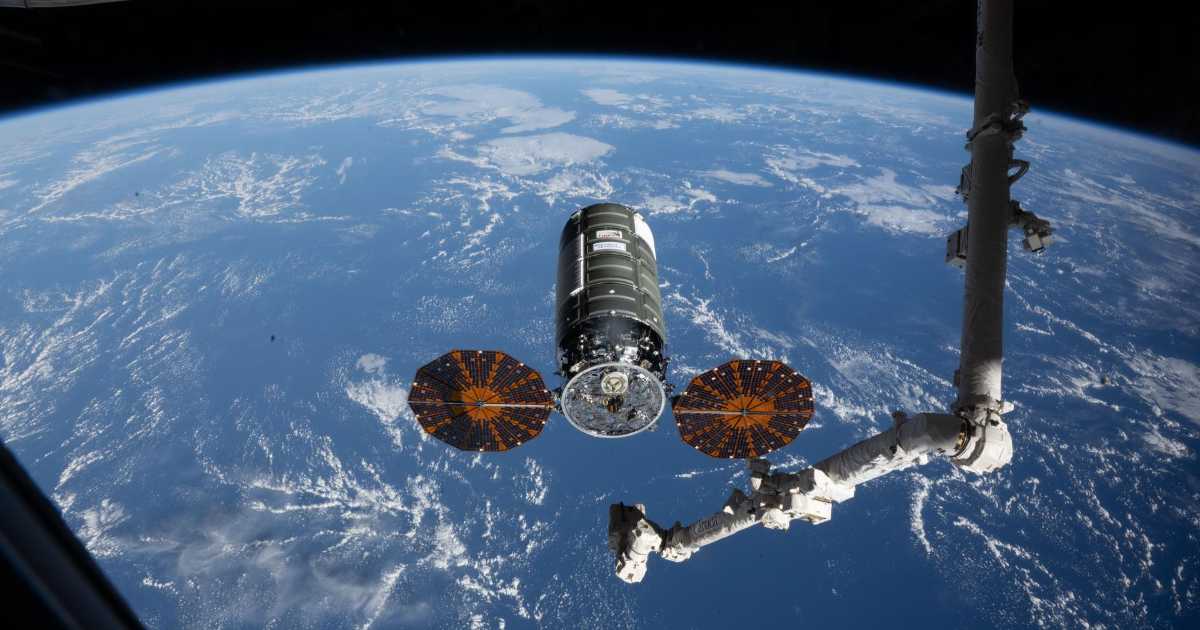
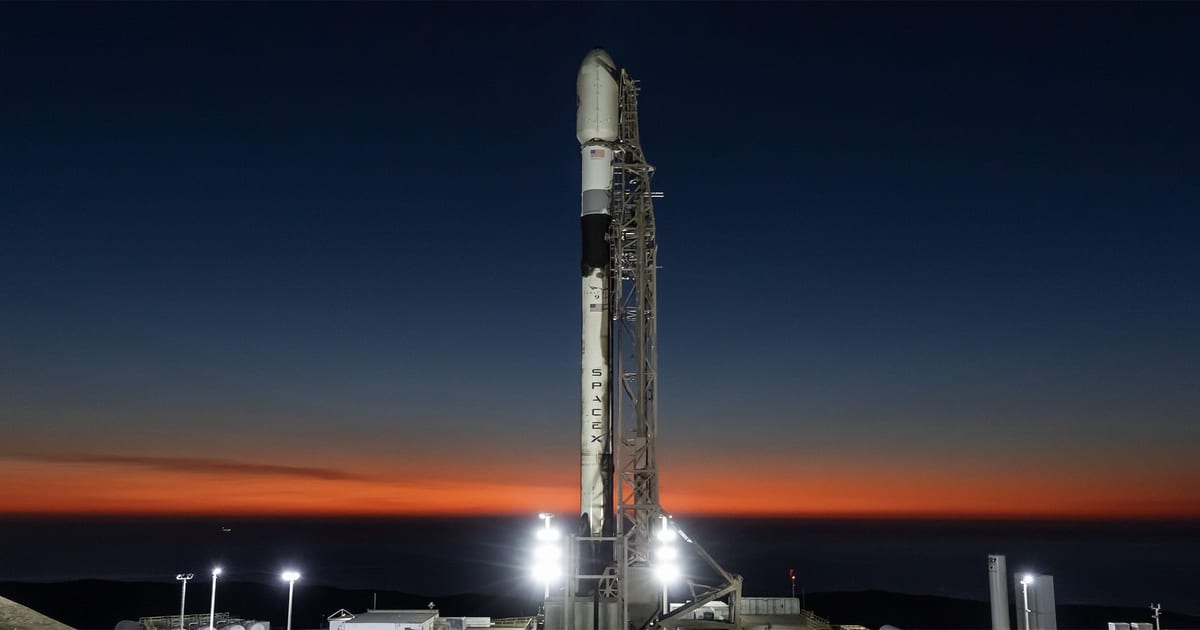
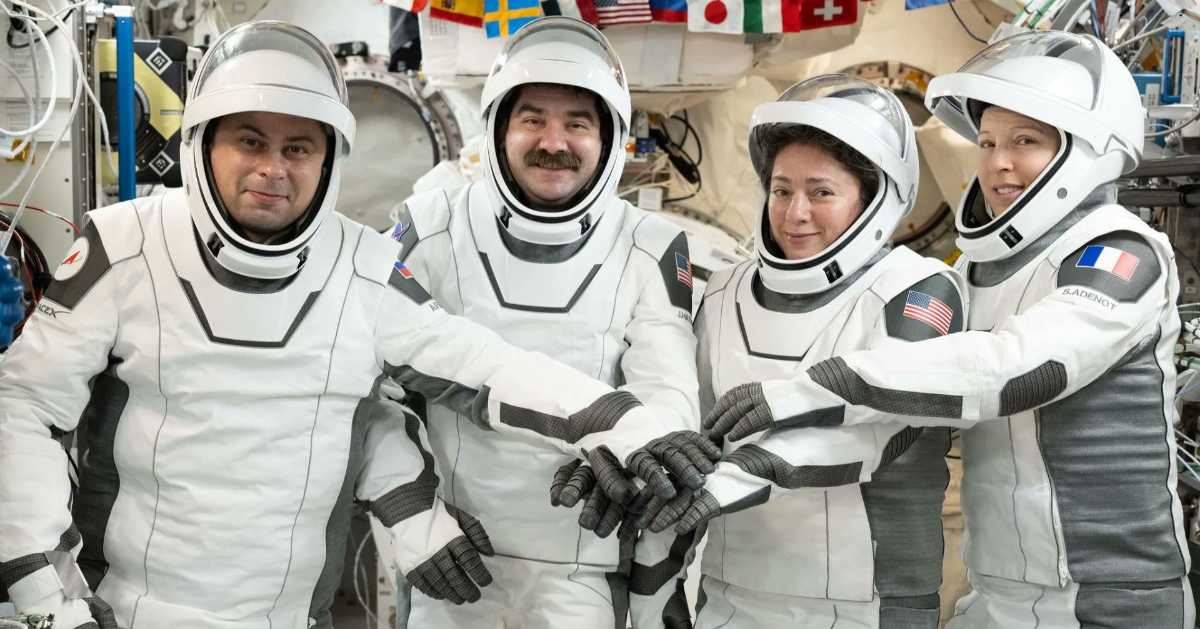
NASA is poised to send supplies to the Expedition 75 crew members on board the International Space Station on Tuesday, October 13, 2026. SpaceX's 35th commercial resupply services mission will launch a Dragon cargo spacecraft atop a Falcon 9 rocket from Cape Canaveral Space Force Station in Florida no earlier than 6:33 am EDT. There's a backup opportunity at 6:08 am on Wednesday, October 14, as well, in case the launch doesn't take place on Tuesday.
Our next uncrewed resupply mission is scheduled to lift off to the @Space_Station no earlier than Tuesday, Oct. 13. It will bring science, supplies, and equipment to the orbiting lab, including a new set of solar arrays. Get details on the mission: https://t.co/pUn5CDiErn https://t.co/RP3UgMenmd
— NASA (@NASA) October 7, 2026
How to watch the launch of CRS-35
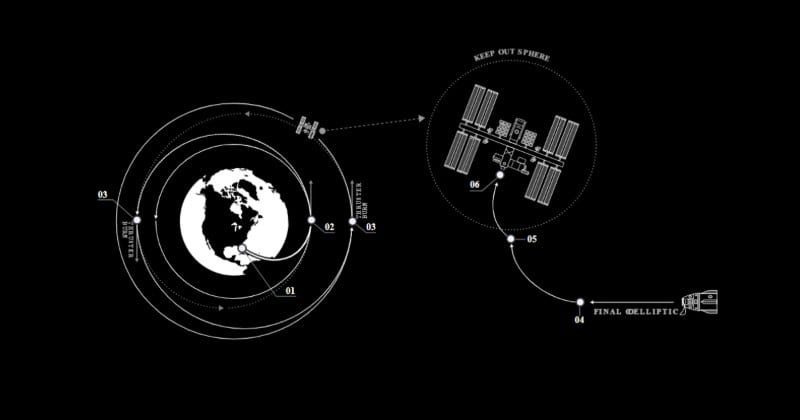
Live streaming of the activities preceding Falcon 9's lift-off will begin at 6:15 am EDT on the NASA YouTube channel. SpaceX will also host a live stream beginning approximately 20 minutes before liftoff on its website and X page. After being put into orbit, Dragon will take over two days to catch up to the ISS and dock with it.
How to watch docking of CRS-35
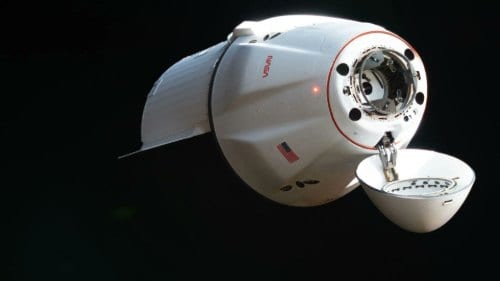
After liftoff, the coverage of the mission will resume on October 15 at 9:15 am EDT. Streaming will once again be provided on NASA's YouTube channel. After reaching the vicinity of the ISS, Dragon will autonomously find its way to the space-facing port of the Harmony module, with docking estimated to take place around 11 am. Once docked, the spacecraft will remain at the station until the middle of November before undocking and splashing down off the Californian coast. In the meantime, the Expedition 75 crew members will have loaded it with cargo they don't need, as well as time-sensitive science experiments.
Details of CRS-35 cargo
One of the most important pieces of cargo that will be delivered this time is the final pair of the International Space Station Roll-Out Solar Arrays (IROSA). Once installed, these solar arrays will augment the space station's power system, providing support for critical operations, including its safe and controlled deorbit in 2030. The seventh and final set of mounting hardware for the solar arrays was installed back in August by the previous station commander, Jessica Meir, and the recently arrived MS-29 crew member Anil Menon, both from NASA.
Upgrade in progress: a new solar array unrolls on the @Space_Station. It will produce more than 20 kilowatts of electricity to augment the station's power supply and support more @ISS_Research. https://t.co/lEwAxtZ83X
— NASA (@NASA) June 9, 2023
The CRS-35 mission will also transport experiments that could prove to be significant for the fields of medical science, biotechnology, and in-space manufacturing. LambdaVision-1 will test manufacturing artificial eye retinas in microgravity. The Stellar Spheroids experiment, which will study the effects of microgravity on the growth and function of 3D human heart tissue models, could help disease research and support large-scale drug testing on future space missions. Treatments for neurodegenerative diseases like Alzheimer’s, Parkinson’s, and multiple sclerosis could also get a boost thanks to the MINDS experiment. The ELF-Unconventional Glass 2 experiment, meanwhile, could help develop glasses with greater strength and improved optical capabilities.
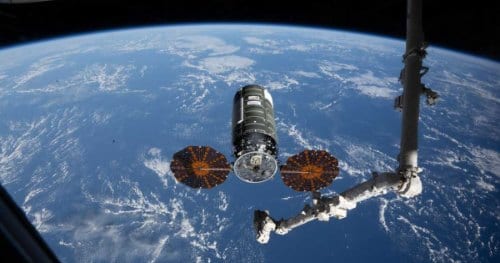
NASA says that the science experiments combined with supplies for the crew will weigh more than 6,300 pounds. The previous resupply mission, CRS-34, had Dragon carry 6,500 pounds of supplies. Commercial resupply missions, the likes of which are carried out by Northrop Grumman and SpaceX, help the inhabitants of the space station live and work comfortably while making strides in space science. Due to the hardware they help get installed, such missions ensure that the outpost stays useful until it reaches the end of its lifespan.
More on Starlust
U.S. Space Force reveals the instruments it launched with SpaceX CRS-34 to bolster national security
International Space Station to retire in 2030: Here are major private habitats that will replace it