SpaceX's final Florida Starlink launch created a rare "jellyfish" view over New York City (watch video)
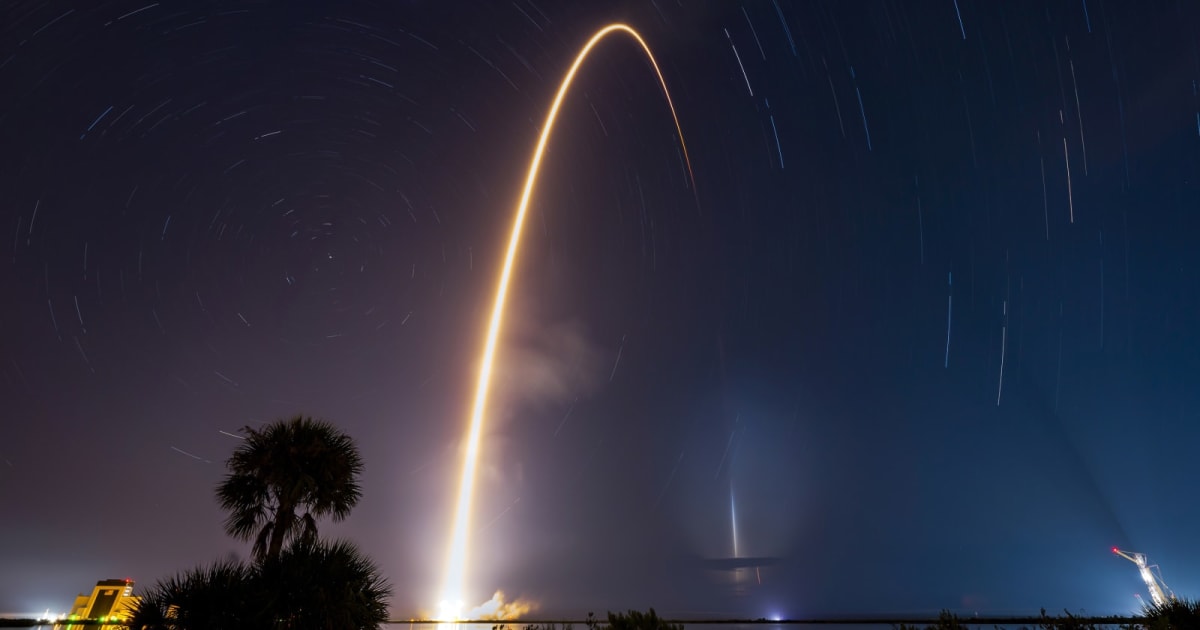
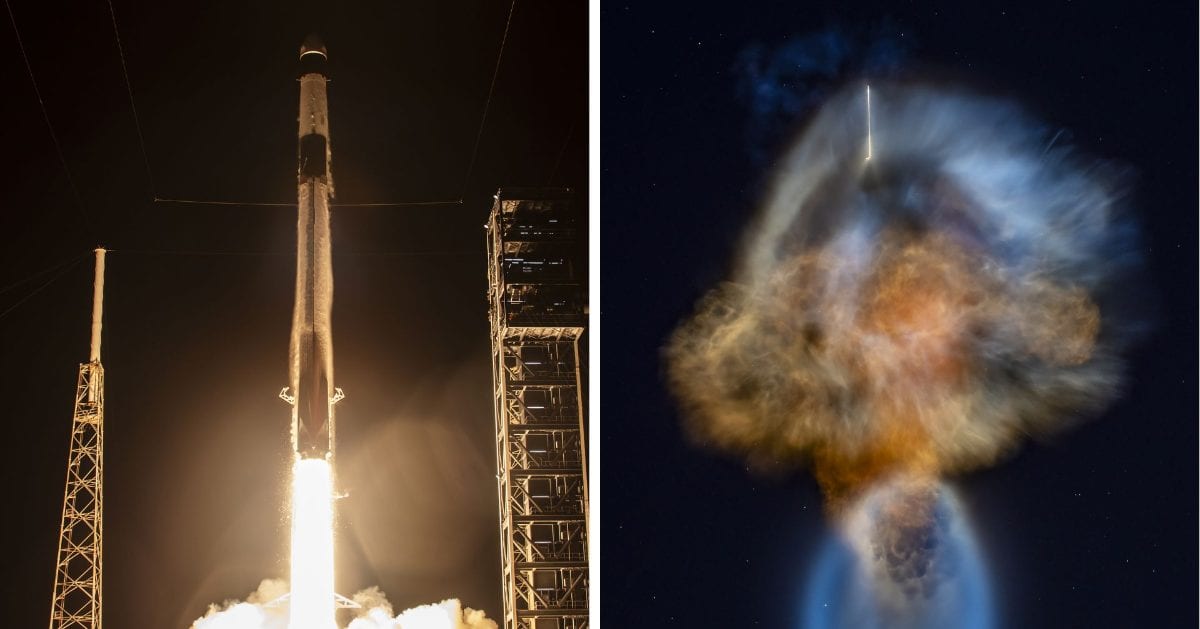
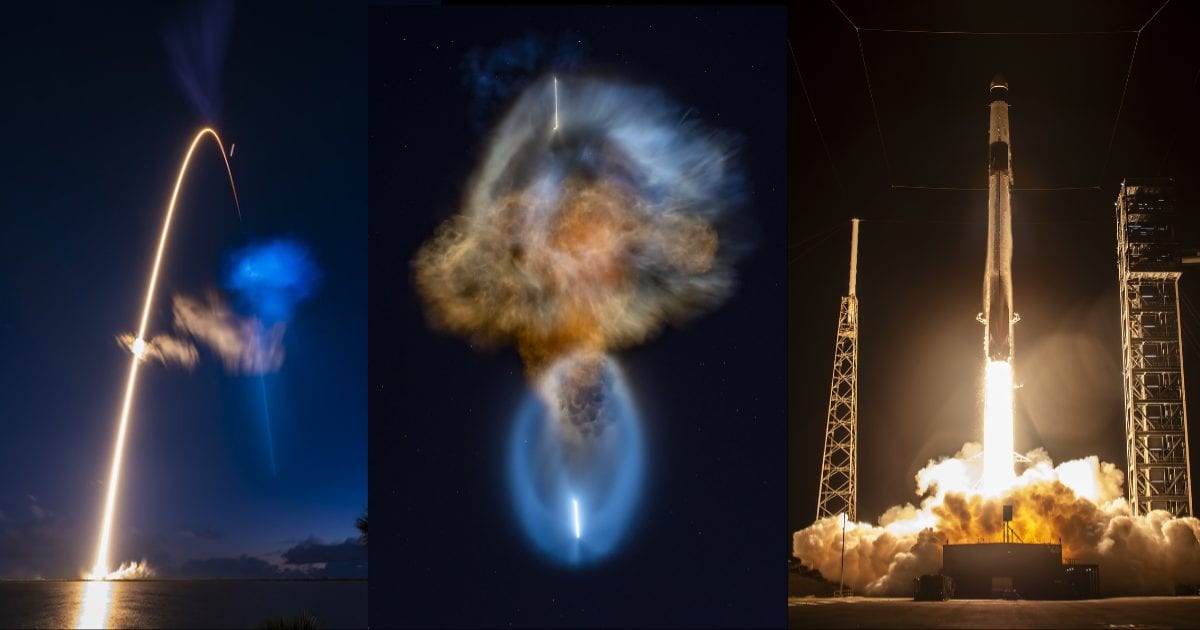
On August 25, SpaceX launched its Falcon 9 rocket from Cape Canaveral Space Force Station at 5:33 a.m. EDT, which carried a total of 29 Starlink internet satellites. This mission was the 100th flight for the Falcon 9 rocket this year. The booster used, with tail number B1067, also set a new reuse record by flying for the 37th time since entering service in June 2021.
Falcon 9 launches 29 @Starlink satellites from Florida pic.twitter.com/9VqdPjdcpr
— SpaceX (@SpaceX) August 25, 2026
The rocket took off shortly before sunrise, and that timing created a pretty unusual sight for viewers to see. While the sky below was still dark, sunlight caught the expanding exhaust plume and made it glow like a giant “jellyfish.” The effect was visible from New York City, where viewers captured videos of the Falcon 9 flying behind the skyline.
The SpaceX Falcon 9 rocket launched from Florida with a batch of Starlink satellite onboard, passing by above New York City at 5:38 am ET. pic.twitter.com/Y8kYykAQK8
— Moshe (@MosheDe_) August 25, 2026
This launch marks the end of an era
Soon after the liftoff, SpaceX also announced that this would be the very last Falcon 9 Starlink mission to launch from Florida. SpaceX vice president of launch Kiko Dontchev shared the news directly on X, writing, "From here on, Starlink missions out of Florida will fly on Starship. The West Coast team will continue regularly launching Starlink from Vandenberg [Space Force Base in California]."
He also reflected on how far the program has come, adding, "In the last seven years, Falcon has flown ~260 Starlink missions from the Cape … can't wait until we launch that and many more with Starship!" This is the same booster that has helped SpaceX build its Starlink constellations from the ground up. So far in 2026, Falcon 9 has completed a total of 100 launches, out of which 77 have gone toward building out the Starlink constellation.
Watch Falcon 9 launch 27 @Starlink satellites to orbit from California https://t.co/WCkzZSD0C4
— SpaceX (@SpaceX) August 26, 2026
What’s next for SpaceX? Starbase Louisiana, Starship Flight 14 and more
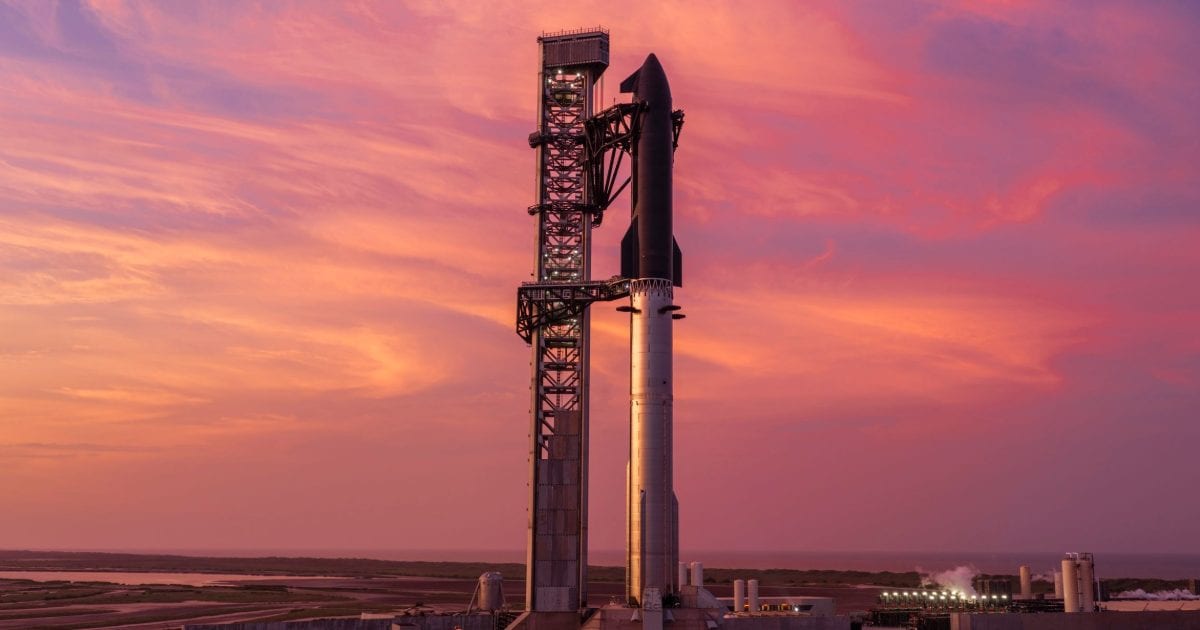
Starship is the vehicle set to take over. It stands over 400 feet tall and is the largest and most powerful rocket ever built. SpaceX has designed it to be fully reusable, which means that both its booster and upper stage will fly again and again. As of now, though, Starship is in its testing phase. The company is also expected to fly its Starship Flight 14 by the end of this month. This will be a full orbital flight and deploy the next-gen Starlink V3 satellites.
Starbase, Louisiana will be built to support thousands of Starship flights a year with missions launching to Earth orbit, the Moon, Mars, and beyond pic.twitter.com/SE6gyNZWBK
— SpaceX (@SpaceX) August 25, 2026
SpaceX has also recently introduced a spaceport on the Louisiana Gulf Coast, called Starbase, Louisiana. As per the company, it's "a high-cadence launch site that will enable Starship to open a pathway to the stars for humanity." This will be one of the biggest projects in the history of SpaceX, and SpaceX and Louisiana Governor Jeff Landry have announced a $100 billion investment for this. It will support “thousands of Starship flights a year with missions launching to Earth orbit, the Moon, Mars, and beyond,” added SpaceX.
Commenting on this, SpaceX President Gwynn Shotwell added, "We're planning to build a self-sustaining spaceport with its own propellant production, power generation, deep water shipping capabilities, vehicle processing facilities, and probably an airport. And thanks to the abundant resources here in Louisiana, we have ready access to the natural gas that fuels these rockets to get to orbit."
More on Starlust
SpaceX plans on 'winding down Falcon' once Starship becomes operational
SpaceX and Nvidia join hands for the orbital launch of a space-optimized AI system