NASA asks citizens for ‘space jellyfish’ photos after Falcon 9 launch to ISS—the results don't disappoint
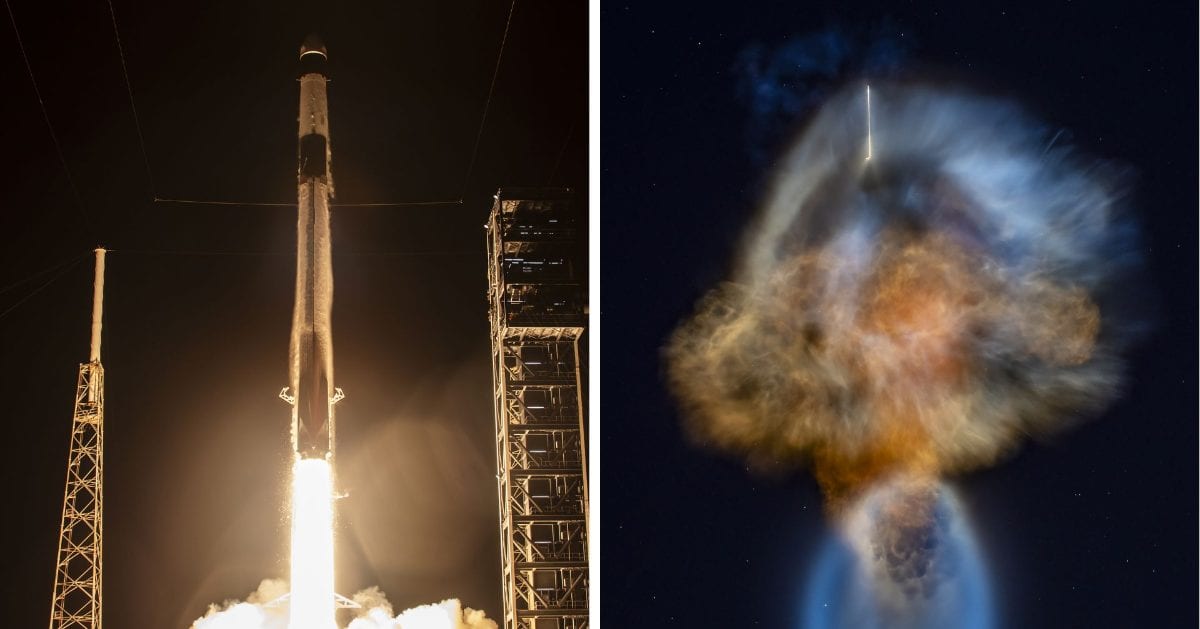
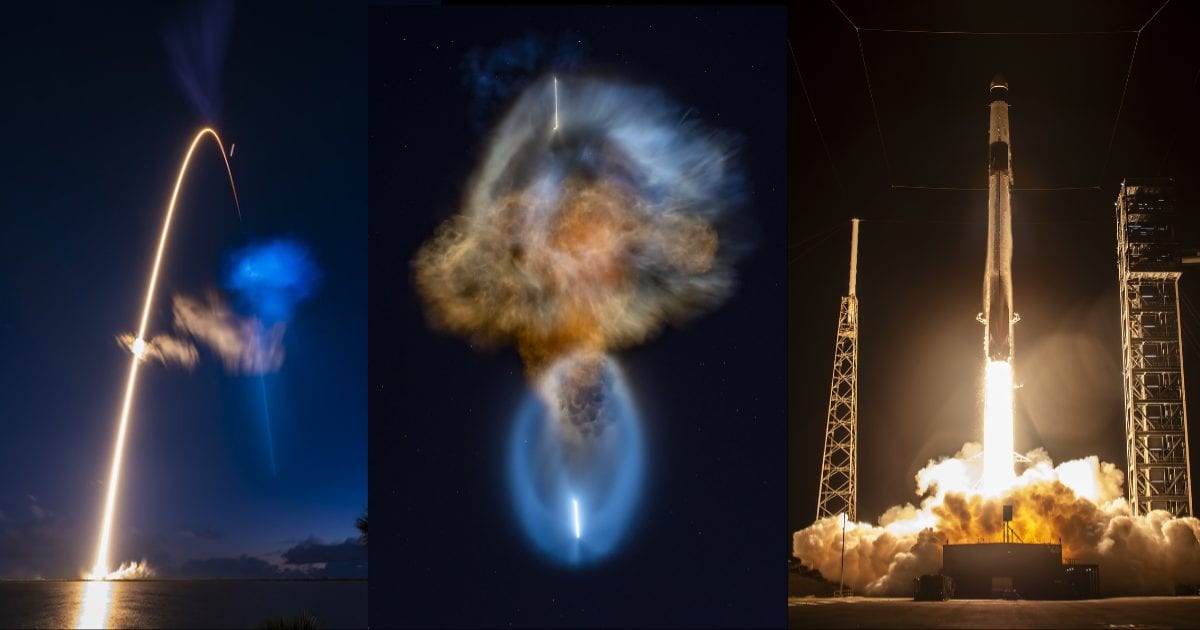
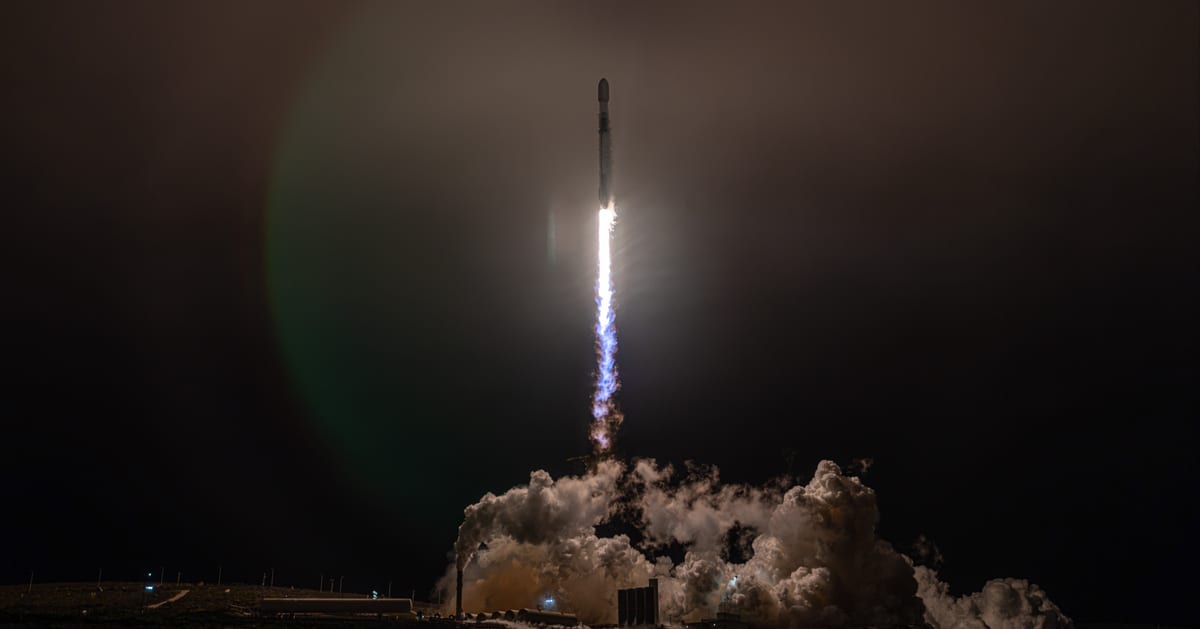
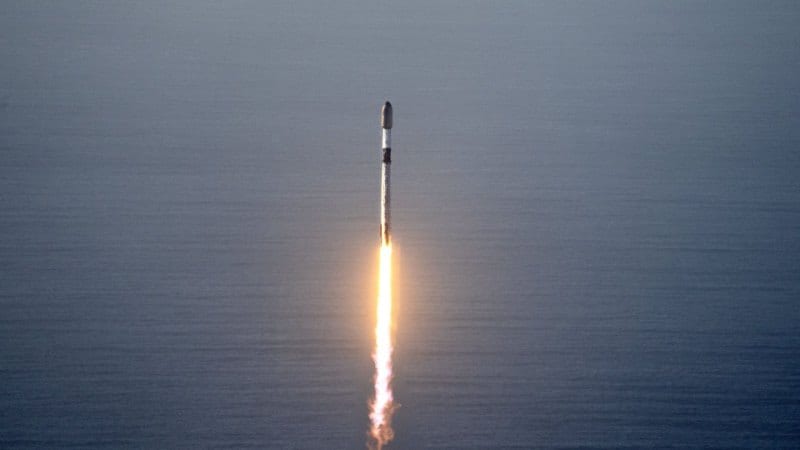
SpaceX on Tuesday launched the Falcon 9 rocket to the International Space Station (ISS) creating stunning visuals in the early morning sky in Florida. The vehicle lifted off at 6:33 am EDT from Cape Canaveral Space Force Station on for SpaceX's 35th NASA’s Commercial Resupply Services contract mission and left behind a ‘space jellyfish’ visible across multiple cities. The sight created excitement for many social media users who shared the picture when encouraged by NASA.
Liftoff! https://t.co/0naEicD1Dl
— SpaceX (@SpaceX) October 13, 2026
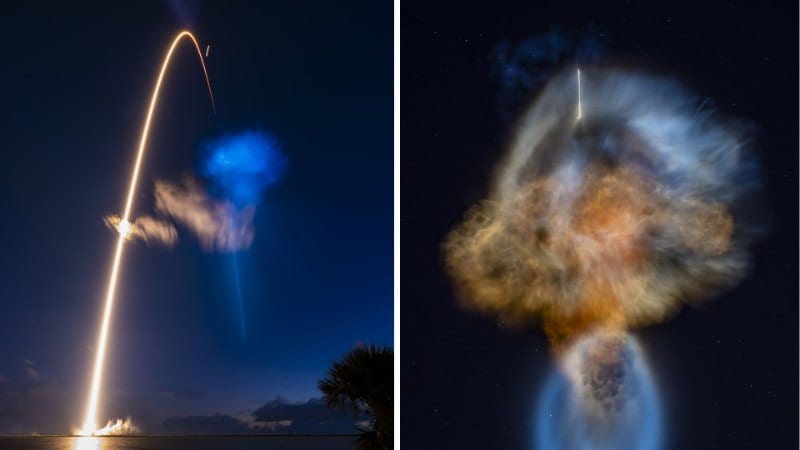
The American space agency posted a couple of pictures of the ‘space jellyfish’ and encouraged locals to shares photos of it from yesterday. This ‘space jellyfish’ is created during sunrise or sunset when a rocket’s exhaust plume is brightly illuminated and takes the shape of a jellyfish.
@NASAKennedy @Space_Station Central Florida 🔥🚀 https://t.co/iPTosDsJ6o
— Swisher1776 🇺🇸 (@swisher1776) October 13, 2026
NASA’s post asking for the pictures didn’t disappoint as many shared stunning visuals of the phenomenon from several locations in Florida, such as Deerfield Beach, Moore Haven, Pensacola, Venice, Port Orange, Gainesville, and Weston, among others.
@NASAKennedy @spacejellyalert @Space_Station From Deerfield Beach FL https://t.co/2IURQ7oOaV
— Pablo Fuente (@PabloFuente) October 13, 2026
@NASAKennedy @Space_Station Moore Haven, FL (@Wedgworthinc) https://t.co/8SXDb523b8
— Patrick Altman (@paltman) October 13, 2026
@NASAKennedy @Space_Station Venice Florida https://t.co/QfBOArmx2V
— Stan (@StanAVol) October 13, 2026
@NASAKennedy @Space_Station From Port Orange, FL https://t.co/Xg7aFDz2tw
— Gordon J Tyler (@GordonTyler) October 13, 2026
Some lucky residents were also able to see it beyond Florida, over states like Kentucky, North Carolina, South Carolina, Mississippi, and Georgia.
What did SpaceX's Falcon 9 launch?
The Falcon 9 rocket, which created the ‘space jellyfish,’ was transporting more than 6,300 pounds of supplies and hardware to the ISS. Apart from food and other essentials for the astronauts, the Dragon spacecraft launched by Falcon 9 is carrying the final pair of International Space Station Roll-Out Solar Arrays (iROSAs) that will be installed outside the orbital lab during future spacewalks. NASA stated this will augment the station’s power generation system. The spacecraft also flew many science experiments, including the ones focused on creating artificial retinas and growing heart tissues in weightlessness. The Dragon spacecraft is scheduled to autonomously dock with the station’s Harmony module at 11 am EDT on October 15 and undock around mid-November.
On Monday, October 12, SpaceX launched another Falcon 9 rocket that carried the first batch of Starlink satellites in more than three weeks. It lifted off at 8:28 pm EDT from the Vandenberg Space Force Base in California, adding 27 new satellites to the Starlink constellation, which reportedly already has more than 11,000 satellites. SpaceX, however, was busy launching military satellites during the Starlink drought—the latest being a batch of 21 data transport satellites for the U.S. Space Force’s Space Development Agency (SDA) on October 10. Earlier this month, the company launched a classified mission for the U.S. Space Force and the National Reconnaissance Office (NRO) for the first time on a Falcon Heavy rocket.
The next mission (USSF-481) is scheduled for liftoff between 7:44 and 11:44 pm EDT from the Vandenberg Space Force Base on October 15. SpaceX says it will mark the 28th flight for the first stage booster supporting this mission, which previously launched Crew-7, CRS-29, PACE, Transporter-10, EarthCARE, NROL-186, Transporter-13, TRACERS, NROL-48, COSMO-SkyMED Second Generation FM3, USSF-153, and 16 Starlink missions.
More on Starlust
UAE reveals lander for its bold mission to seven asteroids; Launch expected in March 2028
‘A jaundiced Moon’: Artemis II astronauts saw the lunar surface in colors like never before