Watch: SpaceX launches 6,300 pounds of cargo and the final solar arrays to the ISS
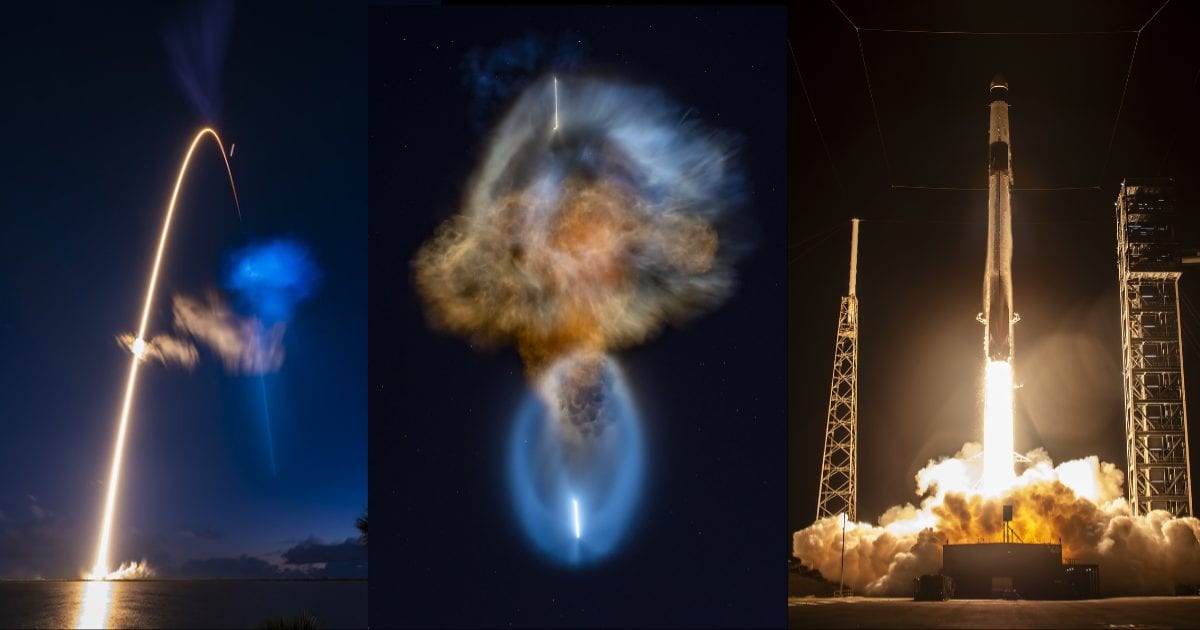
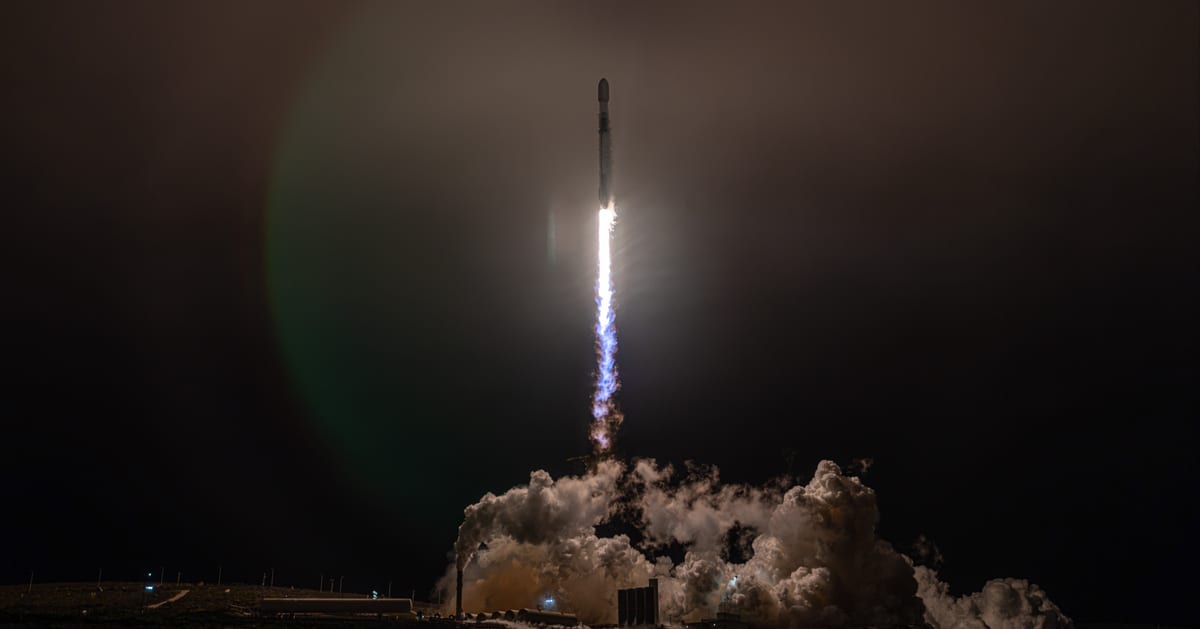
The International Space Station (ISS) is now one step closer to completing a major upgrade to its power system. SpaceX launched the final pair of solar arrays bound for the orbiting laboratory on Tuesday, October 13, 2026. During this launch, SpaceX sent a cargo-laden Dragon spacecraft into orbit aboard a Falcon 9 rocket. The rocket lifted off from Cape Canaveral Space Force Station in Florida at 6:35 a.m. EDT. It carried more than 6,300 pounds of supplies and hardware on the CRS-35 mission.
Falcon 9 launches the CRS-35 mission to the @Space_Station https://t.co/QiHIqlDLTH
— SpaceX (@SpaceX) October 13, 2026
This was the company’s 35th flight under NASA’s Commercial Resupply Services contract. Dragon is now scheduled to dock on its own at around 11 a.m. EDT on Thursday, October 15, 2026, at the space-facing port of the station’s Harmony module. NASA will stream the arrival from 9:15 a.m. EDT on its official platforms, including YouTube, X, official website, among others. The capsule will stay for about a month, and it is expected to leave in mid-November. When it does, it will carry time-critical research and other cargo back to Earth.
Liftoff! https://t.co/0naEicD1Dl
— SpaceX (@SpaceX) October 13, 2026
That return trip is what sets Dragon apart. It is the only currently operational freighter that can carry cargo back down. According to NASA, some of the experiments on this flight are just a sample of the hundreds of investigations carried out aboard the orbiting lab in biology and biotechnology, physical sciences, and Earth and space science.
Watch Falcon 9 launch Dragon to the @Space_Station https://t.co/wkJ64eJSG4
— SpaceX (@SpaceX) October 13, 2026
What did Dragon carry to the ISS?
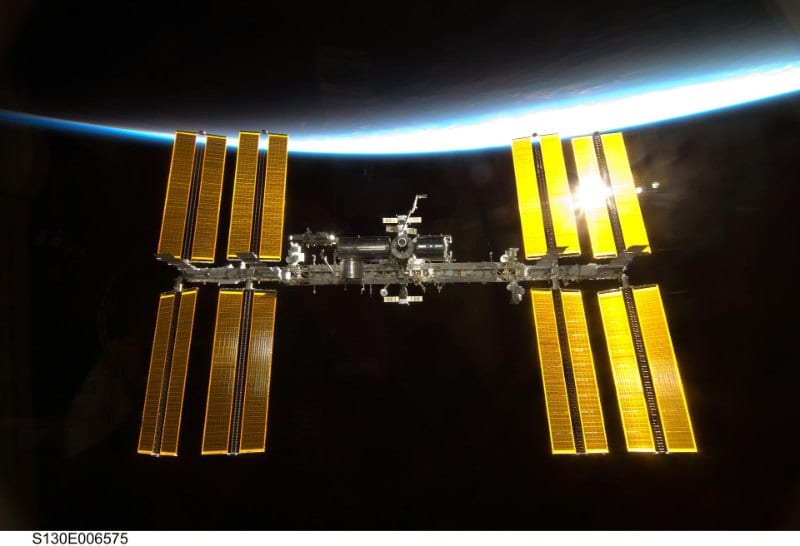
Dragon will deliver the final pair of International Space Station Roll-Out Solar Arrays, known as iROSAs. As per NASA, this will finish the station’s power system upgrade and boost the electricity available for research, operations, and the station’s safe, controlled deorbit. To complete the installation, astronauts will head outside the spacecraft for a series of spacewalks later this fall.
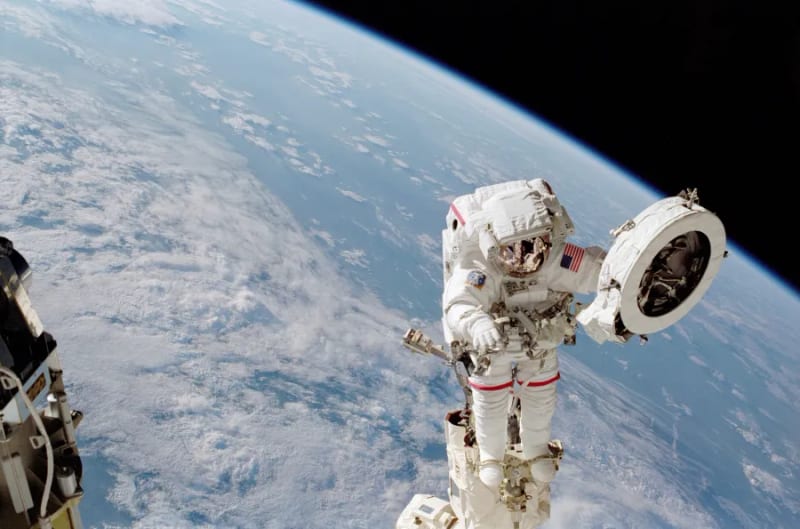
Besides everyday supplies, Dragon also carried several new experiments. In a launch preview published on October 7, 2026, NASA officials wrote that the capsule “will deliver hardware to manufacture artificial retinas in microgravity to help restore vision on Earth and 3D heart tissue models to advance large‑scale drug testing on future missions.”
Less than one hour until today’s Falcon 9 launch of the CRS-35 mission to the @Space_Station from Florida. All systems are looking good, and weather is favorable for liftoff at 6:33 a.m. ET → https://t.co/tnMukzRZEK https://t.co/HKjN3dHh1y
— SpaceX (@SpaceX) October 13, 2026
NASA says research aboard the station will benefit people on Earth as well as lay the groundwork for other deep space missions. As part of its Artemis program, the agency will send astronauts to the Moon as well as prepare for future human exploration of Mars.
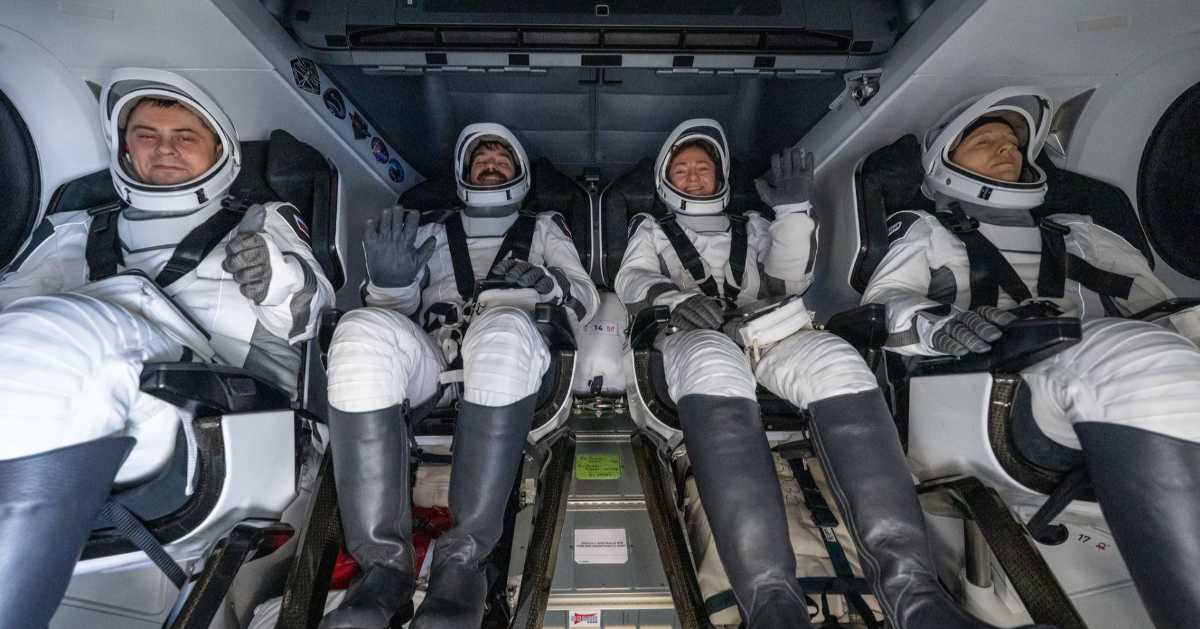
Recently, SpaceX successfully launched 21 military satellites aboard its Falcon 9 rocket on October 10, 2026. The launch was broadcast live on SpaceX’s official website and X channel, but the broadcast ended shortly after the rocket’s booster touchdown, leaving viewers unable to see the satellites being deployed. Just two days earlier, on October 8, SpaceX successfully returned NASA’s SpaceX Crew-12 mission to Earth after the crew spent a total of 237 days in space.