NASA tests new rover technology that would put Perseverance and Curiosity to shame
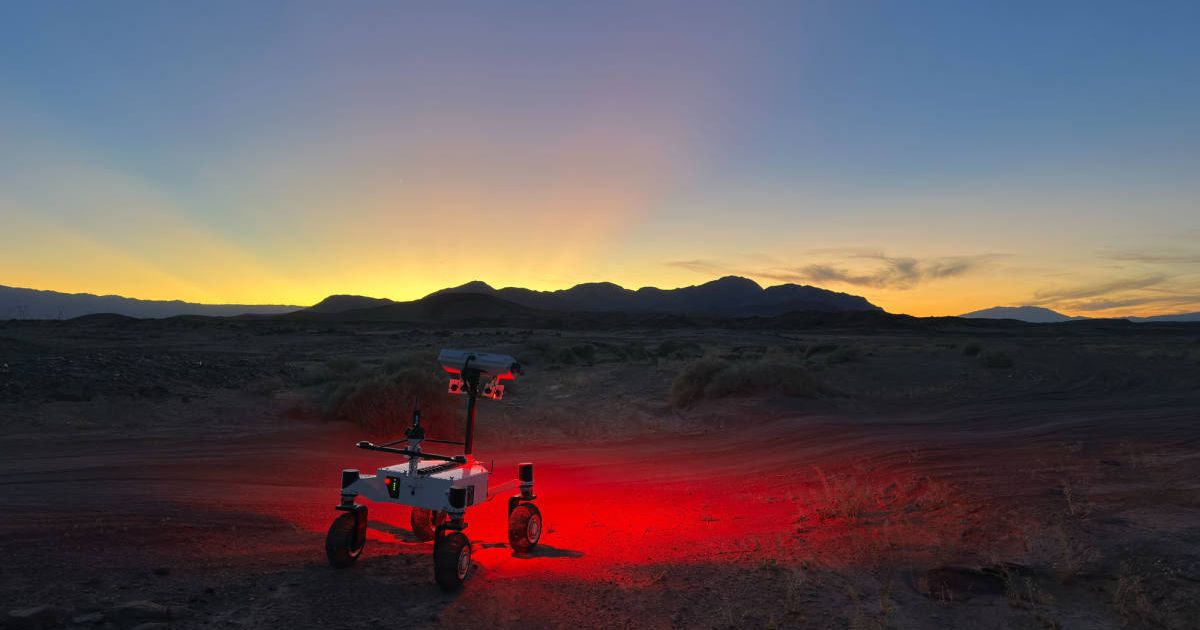
Engineers at NASA recently tested a rover prototype called ERNEST in the Colorado Desert in Southern California by following it along its largely autonomous journey of roughly 16 miles. Standing for Exploration Rover for Navigating Extreme Sloped Terrain, this 4-foot-long prototype can lift up its four mesh wheels in response to obstacles that would make life difficult for the Curiosity and Perseverance rovers currently active on Mars. This enhanced mobility, coupled with the ability to make autonomous choices, could be an asset for future missions on the Moon or even Mars that will venture into uncharted territory.
During the test, the prototype traveled at speeds of up to 0.6 miles an hour, which is much faster than the top speeds of either of the active Mars rovers mentioned above. ERNEST was tested over seven days, a period during which the prototype drove for a total of 37 hours. "This testing is helping us refine the mobility hardware and autonomy software to navigate extreme distances across a wide range of terrain and lighting conditions anticipated on the Moon," said Issa Nesnas, who led the tests as the principal technologist at NASA's JPL, where the prototype was developed, in a statement. Nesnas and his team are currently looking to demonstrate that it is possible to build a rover twice as big as ERNEST for a Moon mission.
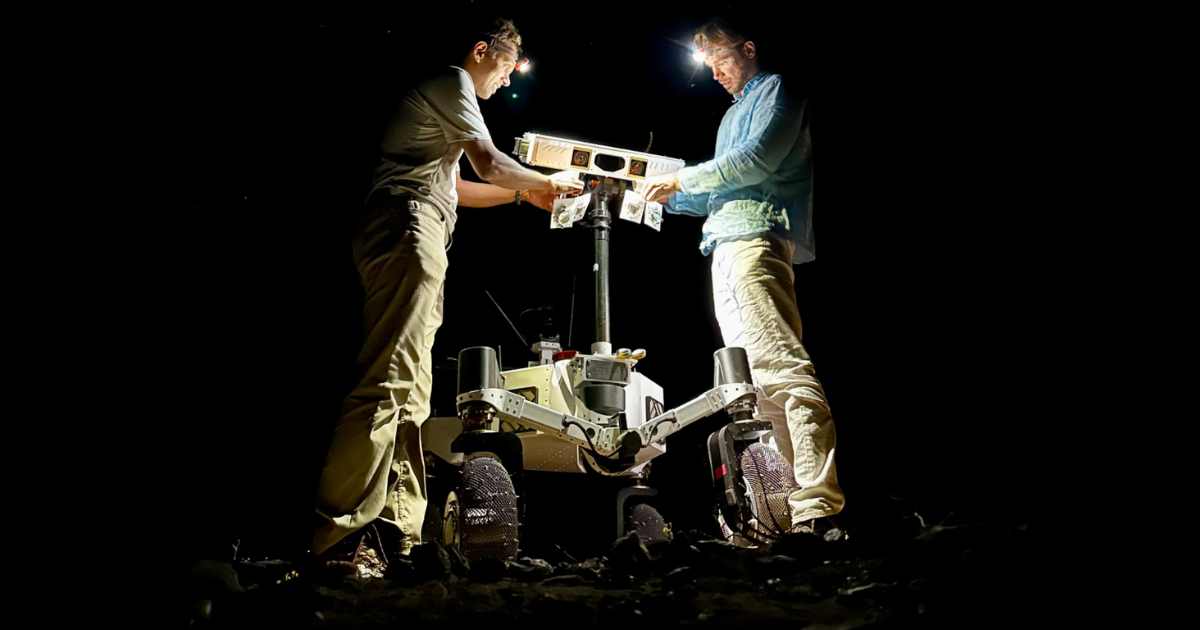
While initially conceived as a low-cost rover, the ERNEST prototype eventually came to have an active suspension that allows the rover to distribute its weight onto each of its wheels. Two joints and a gimbal let the rover move using a variety of techniques, such as wheel-walking and obstacle-climbing. Using its clutch, it can choose between its power-demanding active suspension and the less-capable but energy-efficient passive suspension. And to enable the rover to think on its feet, the Dynamics and Real-Time Simulation Laboratory at JPL created a high-fidelity virtual testing environment that replicated the rover's behavior. The simulator data collected by the team that recorded the response of the actual rover was then fed into a variety of terrains, and numerous simulations were run simultaneously on high-performance computer clusters.
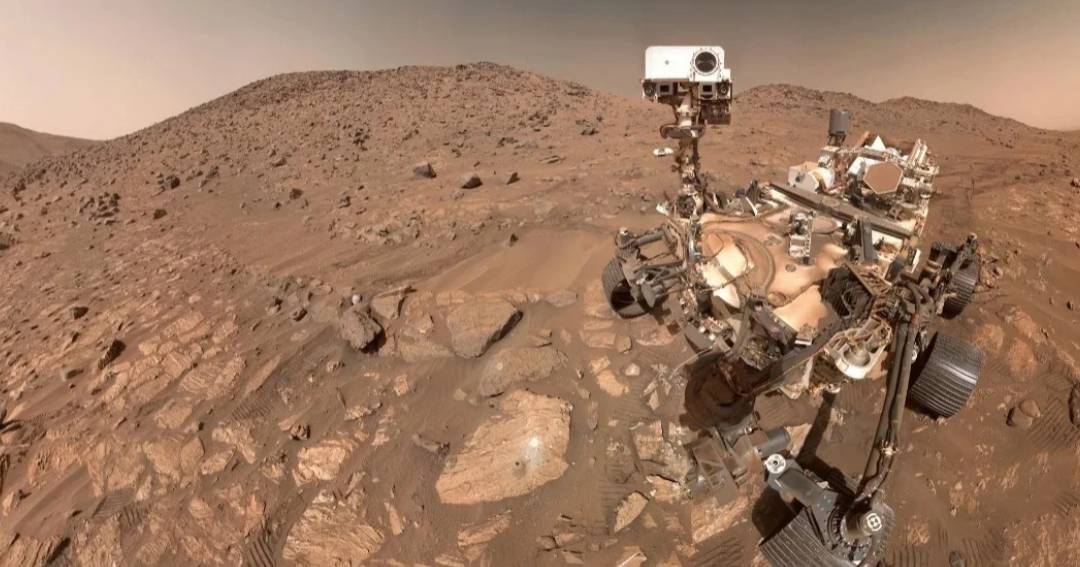
The autonomy of a rover operating on distant worlds, especially Mars, is understood to be a vital capability for effective exploration, as the exchange of signals between Earth and Mars takes time. Last December, Perseverance also completed its first AI-directed drive. The rover hit another milestone this February when it autonomously pinpointed its exact location on Mars using a technology called Mars Global Localization.
More on Starlust
Perseverance had found nickel in Martian bedrock—now, study claims it could be sign of ancient life
NASA unveils updated Moon Base plans featuring landers, rover and drones—here's all you need to know