JWST's mysterious red dot may hide a black hole 100,000 times as massive as the Sun
A black hole that’s older than the universe
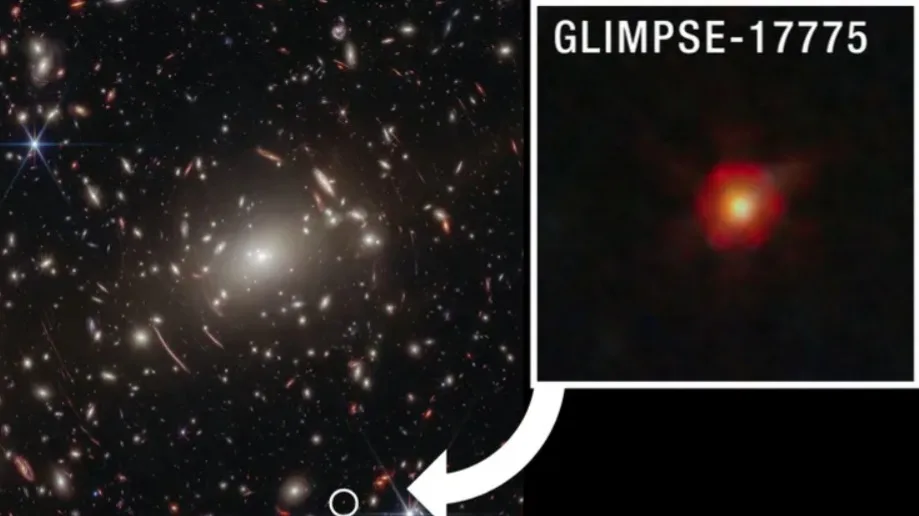
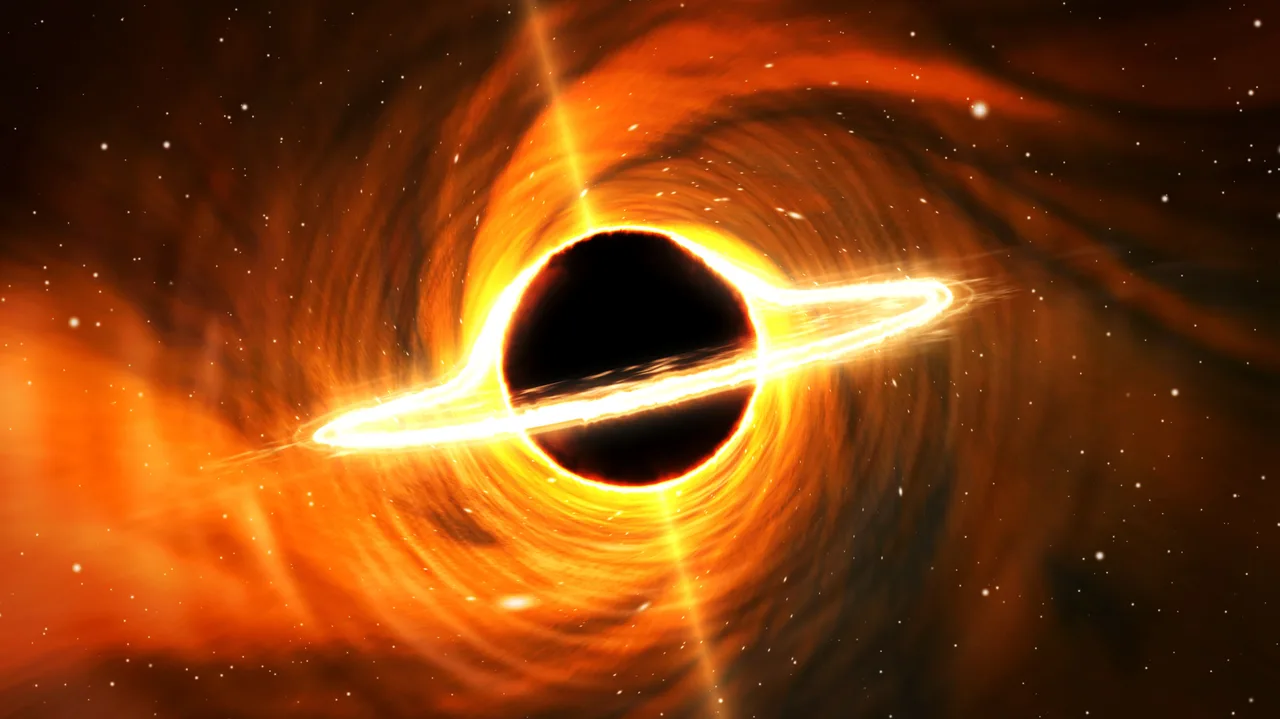
NASA’s James Webb Space Telescope (JWST) has been helping scientists from around the world solve some of the mysteries of our universe and learn more about the early universe. And now, scientists may have found a black hole that appears to have existed even before the universe itself
This strange discovery also leads to a completely new type of astrophysical object called a “black hole star.” Here’s a look at what their study suggests.
The mystery of the tiny red dots
The images of the universe's earliest times captured by JWST include a dot with small red specks. Scientists have not yet figured out what they are. Surprisingly, the modern universe doesn't show these dots, which makes them more mysterious.
This could mean that these dots are ancient, distant objects that vanished years ago, within about one billion years after the Big Bang. "What exactly these objects are has been one of the most debated topics of the JWST era," said lead author Rohan Naidu, an astronomer at the University of Hawaii who studies objects in the young universe.
Is it a galaxy or something else?
For their study, the research team focused on a patch of sky to survey and wrote an algorithm to single out one red dot. They then built a model to explain what they saw. The aim was to find out whether the dot was a real galaxy that somehow assembled itself soon after the Big Bang, or was it something that only looked like one.
The answer, it turned out, was in the object's color. The study has now been published in the journal Nature.
And it may hide a black hole 100,000 times the Sun’s mass
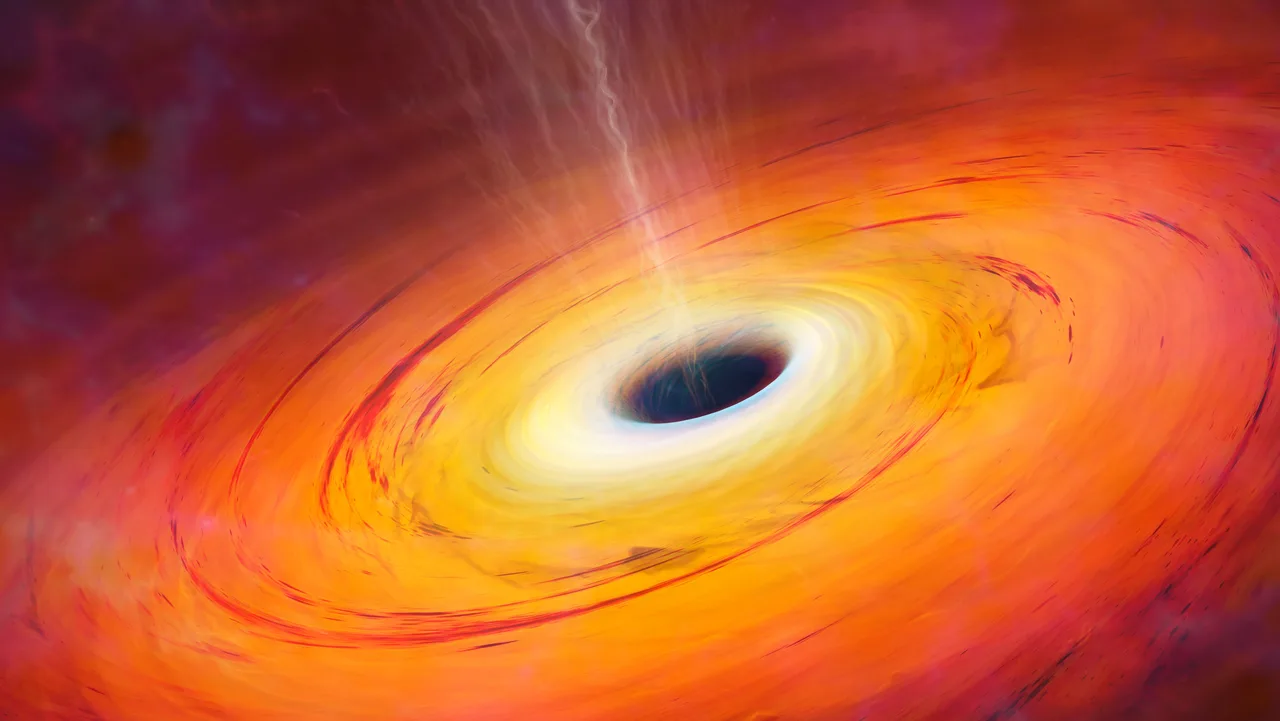
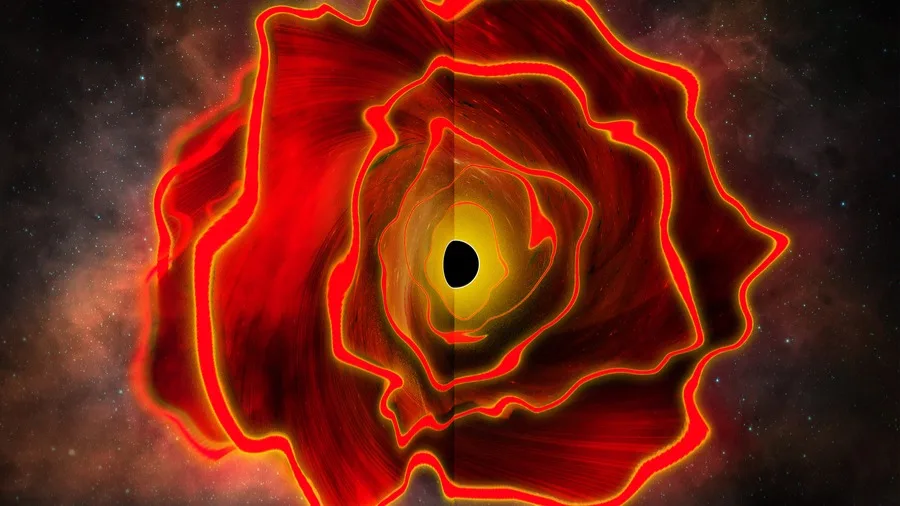
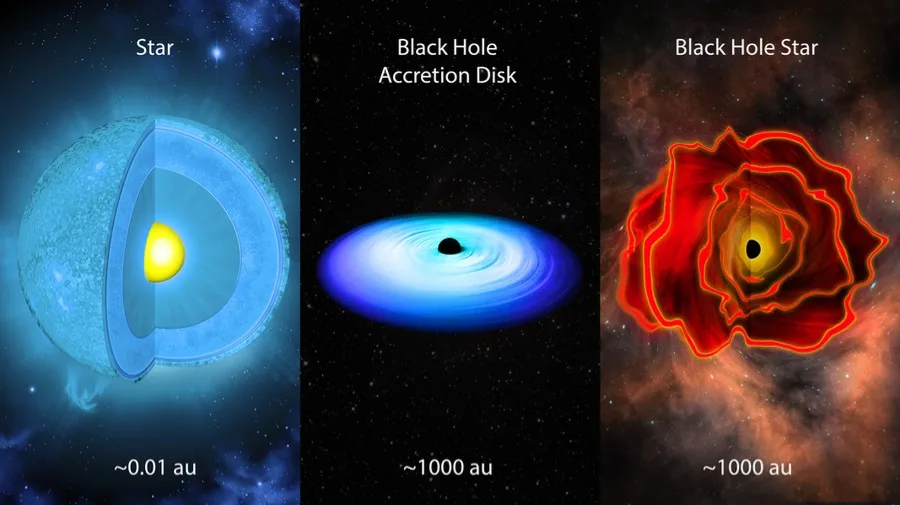
The dot sits 660 million years after the Big Bang, and its light showed gas far denser than almost anything else we can observe. The team's best explanation is that a black hole, perhaps 100,000 times as massive as the Sun, is wrapped in a gaseous body about the size of our Solar System. The researchers call it a black hole star.
Commenting on the findings, Rohan Naidu added, “We think there is a central black hole that is 100,000 times as massive as the Sun. And around this black hole, there would be this very extended envelope of gas that looks like a star the size of the solar system. It’s huge.”
But what made the object look so red?
Dust is one of the usual reasons space objects look red, and this is because it filters out blue light and allows red light to pass. But dust dims light gradually across many wavelengths, and this results in many different colors of light. In this case, however, the dot shows a sudden break at one specific wavelength.
And that sudden break is known as a Balmer break, and this one is among the largest ever recorded. This means that dust wasn't behind the color. Instead, a large quantity of densely packed hydrogen was.